Understanding the Science Behind Condensation
To effectively combat condensation, it’s helpful to understand the basic science behind it. Condensation is simply the process where water vapor (a gas) in the air changes into liquid water. This happens when warm, moist air comes into contact with a surface that is cooler than the air’s “dew point” temperature. The dew point is the temperature at which the air becomes saturated with water vapor and can no longer hold it, forcing the vapor to condense into liquid.
The Role of Humidity and Temperature
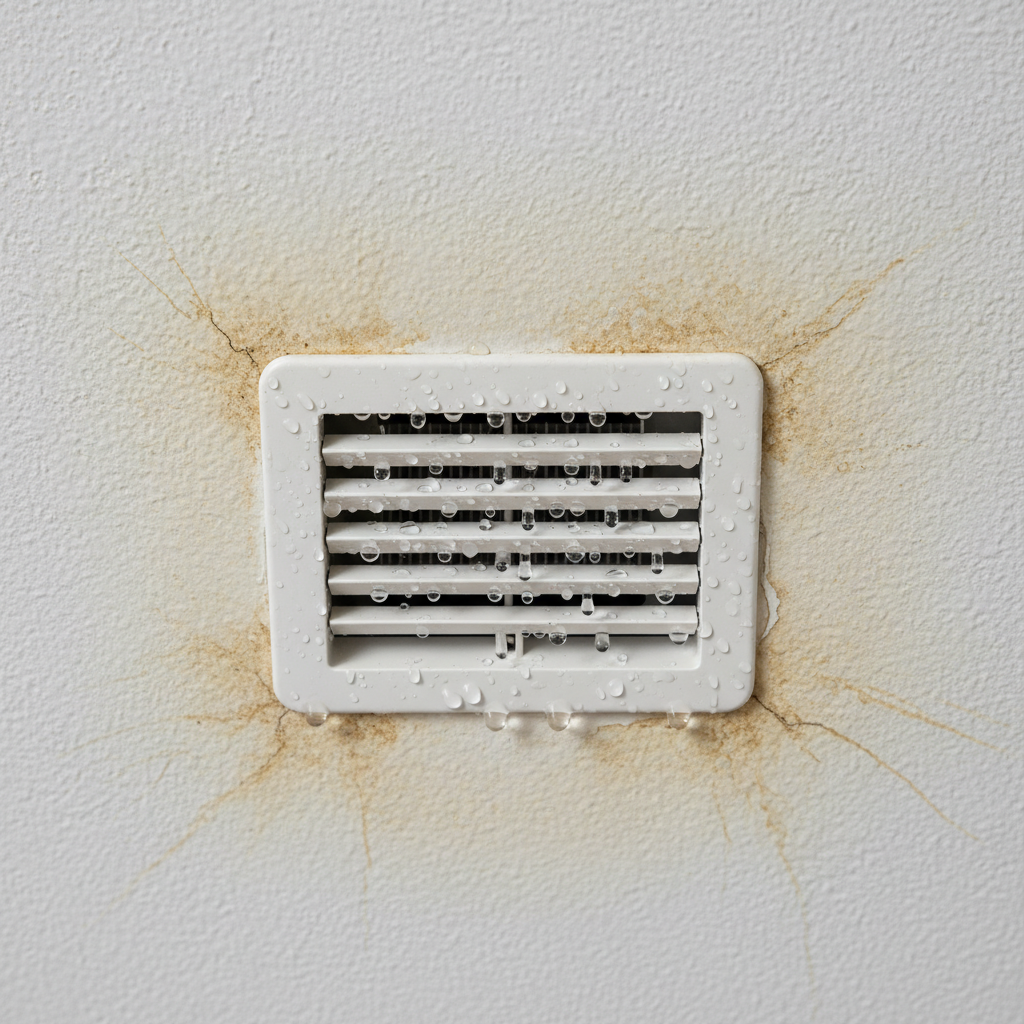
In the context of your home, especially during warmer months, your indoor air often contains a significant amount of moisture (humidity). Your AC system, designed to cool the air, operates by circulating refrigerant through coils. These coils get extremely cold. As the warm, humid air from your home passes over these cold coils, the moisture in the air condenses onto the coils and is typically drained away. However, when this cold air travels through your ductwork and exits through your vents, the vent itself, and the surrounding surfaces, can become cold enough to reach or drop below the dew point of the room’s air. If the room’s humidity is high, the warm, moist air in the room will then condense directly onto the cold surfaces of the vent, leading to visible droplets.
How Your AC System Works (Briefly)
Your air conditioning system cools your home by removing heat and moisture from the air. It draws in warm indoor air, passes it over an evaporator coil (which is very cold), and then blows the now-cooled and dehumidified air back into your living spaces through a network of ducts and vents. The moisture extracted from the air typically drips into a drain pan and is carried away by a condensate drain line. When this carefully balanced process is disrupted, or when external factors like high humidity come into play, condensation can appear where it shouldn’t – specifically, around your AC vents.
Why Are Your AC Vents Sweating? Common Causes
Condensation around AC vents is rarely a random occurrence. It’s usually a symptom of one or more underlying issues within your home’s environment or your HVAC system. Identifying the specific cause is crucial for finding the right solution.
High Indoor Humidity Levels
This is arguably the most prevalent cause. If the air inside your home is excessively humid, the dew point will be higher. This means even slightly cool surfaces (like the metal or plastic of an AC vent) can drop below the dew point, causing condensation to form readily. High indoor humidity can stem from various sources, including unvented clothes dryers, long hot showers without proper ventilation, cooking, inadequate exhaust fans, or simply living in a naturally humid climate.

Poor Insulation Around Ductwork or Vents
Your ductwork carries cold air throughout your home. If the ducts, especially those running through unconditioned spaces like attics, crawl spaces, or basements, are inadequately insulated, the cold air inside the ducts can cool the duct material to below the dew point of the surrounding air. This causes condensation on the *exterior* of the ducts, which can then drip onto ceilings or collect around vents. Similarly, if the boots (the connection point between the duct and the vent) or the vents themselves are poorly insulated or have air gaps, cold air can escape and cool the surrounding wall or ceiling material, leading to condensation.
Air Leaks in Ductwork
Cracks, gaps, or poorly sealed joints in your ductwork allow cold conditioned air to escape into unconditioned areas and, conversely, allow warm, humid air from those unconditioned spaces to be drawn into the duct system. When cold air leaks out, it can cool the surrounding structure, leading to condensation. When warm, humid air leaks *into* the ducts, it can increase the humidity inside the duct system, making condensation more likely at the vent outlets.
Blocked or Restricted Airflow
If airflow through your AC system is restricted, the evaporator coil can get excessively cold. This super-chilled air then travels through the ducts. When this extremely cold air reaches the vents, it can cool them down more dramatically than usual, making them more prone to condensation. Restricted airflow can be caused by:
- Closed or blocked supply vents in certain rooms.
- Dirty or clogged air filters.
- Obstructed return air vents.
- Ductwork that is undersized or collapsed.
Incorrect AC Sizing or Installation
An air conditioner that is too large for your home will cool the space too quickly, shutting off before it has a chance to properly dehumidify the air. This leaves your home feeling cool but damp, creating a prime environment for condensation. Conversely, an undersized unit might run constantly but struggle to effectively cool or dehumidify, also contributing to high indoor humidity. Improper installation, such as leaky ducts or poorly sealed vents, can also exacerbate condensation problems.
Dirty Air Filters
A clogged air filter restricts airflow to your HVAC system’s air handler. This forces the unit to work harder and can cause the evaporator coil to freeze up. When a frozen coil thaws, it releases a large amount of water, which can overwhelm the drain pan or lead to excessively cold air being pushed through the system, thereby causing vent condensation.
Refrigerant Issues (Low or Overcharged)
The refrigerant (often called Freon) is the lifeblood of your AC system. If refrigerant levels are too low due to a leak, or if the system is overcharged, it can cause the evaporator coil to operate at incorrect temperatures. This can lead to the coil becoming much colder than intended, or even freezing, which in turn can cause excessive condensation as air passes over it and then out through the vents.
Drainage Problems in the AC Unit
While this might not directly cause condensation *at the vents*, an overflowing condensate drain pan or a clogged drain line in your main AC unit can lead to water pooling, increasing the humidity within the immediate vicinity of the air handler. This can indirectly contribute to overall higher indoor humidity or provide a breeding ground for mold, which can then be circulated. More commonly, if the drain is blocked, the unit might shut down due to a safety switch, leading to warmer, more humid air in the house.
The Dangers of Persistent Condensation Around AC Vents
Ignoring condensation around your AC vents isn’t just about tolerating a minor drip; it can lead to a host of more serious problems for your home and health.
Mold and Mildew Growth
The combination of moisture, warmth, and a food source (like drywall or dust) creates an ideal environment for mold and mildew. Mold can grow not only around the visible vent but also within the ductwork, behind walls, and in the ceiling cavity. Mold spores can trigger allergies, asthma attacks, and other respiratory issues, significantly impacting indoor air quality and the health of your household members.
Structural Damage to Walls and Ceilings
Continuous moisture exposure can weaken building materials. Water drips can stain and damage drywall, leading to peeling paint, bubbling plaster, and even the eventual collapse of ceiling sections. Wood framing can rot, compromising the structural integrity of your home over time. This damage can be costly to repair.
Reduced Indoor Air Quality
Beyond mold, excessive humidity itself contributes to poor indoor air quality. It can make a home feel clammy and uncomfortable, exacerbate respiratory problems, and even attract dust mites. If condensation issues are tied to dirty ducts or a failing HVAC system, additional pollutants can be circulated.
Pest Infestations
Moisture attracts pests. Cockroaches, silverfish, and termites are all drawn to damp environments. Condensation that leads to damp spots in walls or ceilings can become an invitation for these unwelcome guests to take up residence in your home.
Damage to HVAC System Components
Water intrusion can corrode metal components within your ductwork or the AC unit itself, leading to premature wear and tear. Electrical components are also vulnerable to moisture, potentially causing shorts, malfunctions, or even fire hazards. The cost of repairing or replacing parts of your HVAC system can be substantial.
How to Stop Condensation Around AC Vents: Practical Solutions
Addressing condensation requires a systematic approach, tackling both environmental factors and potential HVAC system issues. Here’s how you can stop the drip and prevent future occurrences.
Address High Indoor Humidity
Controlling indoor humidity is often the most critical step.
- Use a Dehumidifier: For persistent high humidity, a portable or whole-house dehumidifier is an excellent investment. A whole-house system integrates with your HVAC and offers hands-off operation. Aim for indoor humidity levels between 30% and 50% for optimal comfort and to prevent condensation. Good Housekeeping provides excellent guidance on choosing the right dehumidifier for your home.
- Improve Ventilation: Ensure exhaust fans in bathrooms and kitchens are properly sized, functioning, and vented to the outside (not into the attic). Use them when showering, bathing, or cooking. If you have a clothes dryer, confirm it’s correctly vented outdoors.
- Seal Leaks: Check for and seal any leaks in your home’s envelope, such as around windows, doors, or foundation cracks, which can allow humid outside air to infiltrate.
Insulate Ducts and Vents Properly
Insulation is key to preventing cold surfaces from reaching the dew point.
- Insulate Ductwork: If your ducts run through unconditioned spaces (attic, crawl space, garage), ensure they are properly insulated. The insulation R-value should meet local building codes. You can add insulation yourself with appropriate materials or hire an HVAC professional.
- Insulate Vent Boots: The transition point where the duct meets the ceiling or wall (the ‘boot’) is often a weak spot. Seal any gaps around the boot with mastic sealant or foil tape, then ensure it’s insulated. Some vents come with integrated insulation, or you can add foam insulation boards around the boot.
Ensure Proper Airflow
Unrestricted airflow helps the AC system operate efficiently and prevents extreme temperature drops.
- Check Air Filters: Replace your AC air filter regularly – typically every 1-3 months, or more frequently if you have pets or allergies. A clean filter allows air to flow freely.
- Clear Obstructions: Make sure furniture, curtains, or other objects are not blocking any supply or return air vents.
- Open All Vents: While it might seem counterintuitive, closing vents in unused rooms can actually increase pressure and restrict airflow elsewhere in the system, potentially leading to issues. It’s generally best to keep all vents open to allow for balanced airflow.
Seal Duct Leaks
Duct leaks can significantly impact efficiency and contribute to condensation.
- Inspect Ductwork: Visually inspect exposed ductwork in your attic, basement, or crawl space for gaps, tears, or loose connections.
- Use Mastic or Foil Tape: Seal any identified leaks with UL-approved foil tape (not duct tape, which degrades over time) or mastic sealant. Pay close attention to connections at the air handler and where ducts join together. Consider hiring an HVAC technician for professional duct sealing, especially for hard-to-reach areas.
Regular HVAC Maintenance
Consistent professional maintenance can catch and correct issues before they become major problems.
- Professional Tune-ups: Schedule annual HVAC inspections and tune-ups with a qualified technician. They can identify refrigerant issues, airflow problems, and potential drain pan clogs.
- Check Refrigerant Levels: A technician can accurately check and adjust refrigerant levels. Never attempt to add refrigerant yourself, as it requires specialized tools and knowledge.
- Inspect Drain Pans and Lines: Ensure the condensate drain pan is clear of standing water and the drain line is free of clogs (often caused by algae). You can pour a cup of distilled vinegar down the condensate line periodically to prevent clogs.
Consider AC System Sizing and Upgrades
If your AC system is old, constantly struggling, or was incorrectly sized for your home, it might be time for an upgrade.
- Consult a Professional: Have an HVAC professional assess your home’s cooling load and determine if your current AC unit is the correct size.
- Install a Humidistat: A humidistat works like a thermostat but controls humidity. Some smart thermostats have integrated humidistats.
- Explore Newer Technologies: Modern variable-speed AC units and heat pumps are much better at dehumidifying and maintaining consistent temperatures, potentially solving chronic condensation issues.
DIY Tips vs. When to Call a Professional
Knowing when to tackle a problem yourself and when to enlist expert help can save you time, money, and headaches.
What You Can Do Yourself
- Monitor Humidity: Use a hygrometer to track your indoor humidity levels.
- Use a Dehumidifier: Install and maintain a portable or whole-house dehumidifier.
- Improve Ventilation: Use exhaust fans, especially in high-moisture areas.
- Replace Air Filters: This is a simple, routine task that makes a big difference.
- Check and Clear Drain Lines: Inspect the condensate drain line for visible clogs and flush it with vinegar.
- Seal Minor Duct Leaks: For easily accessible ducts, you can apply mastic or foil tape to small gaps.
- Ensure Unobstructed Vents: Move furniture and drapes away from supply and return vents.
When to Seek Expert Help
For more complex or persistent issues, a qualified HVAC technician is essential:
- Persistent High Humidity: If dehumidifiers and ventilation aren’t enough, there might be a larger issue with your home’s envelope or AC system.
- Suspected Refrigerant Leaks: Dealing with refrigerant requires EPA certification and specialized tools.
- Ductwork Inspection and Sealing: For extensive duct systems, especially those in hard-to-reach areas like attics or crawl spaces, professional duct sealing ensures thoroughness and effectiveness.
- AC Unit Sizing Issues: Determining the correct AC size and performing an energy audit is best left to professionals.
- Coil Freezing: If your evaporator coil is freezing, it indicates a significant problem that needs professional diagnosis.
- Mold Beyond Visible Surface: If you suspect mold growth inside walls or ducts, a professional mold remediation specialist should be consulted.
- Lack of AC Maintenance Records: If you haven’t had your AC serviced in years, a professional tune-up is long overdue.
Preventing Future Condensation Issues
Once you’ve addressed the immediate problem, implementing a proactive strategy will help keep your AC vents dry for good.
Maintain Optimal Humidity Levels
Continuously monitor your home’s indoor humidity with a hygrometer. Aim to keep levels between 30% and 50% year-round. Use your dehumidifier as needed, especially during peak humidity seasons. Consider smart home systems that can automate humidity control.
Regular Home Maintenance Checks
Beyond your HVAC system, routine home maintenance can prevent humidity problems. Check your roof and gutters for leaks, ensure proper drainage away from your foundation, and promptly repair any plumbing leaks. A well-maintained home is less susceptible to moisture infiltration.
Invest in Smart Thermostats
Many modern smart thermostats offer advanced features, including humidity monitoring and control. Some can integrate with whole-house dehumidifiers or adjust AC cycling to prioritize dehumidification, offering a more hands-off approach to maintaining a comfortable and dry indoor environment.
FAQs About AC Vent Condensation
Is a little condensation around AC vents normal?
No, generally, visible condensation or dripping water around your AC vents is not normal. While a very minor, fleeting bit of dampness on an extremely humid day might occur, persistent water droplets indicate an imbalance in humidity, insulation, or airflow that needs to be addressed.
Can condensation around vents cause mold?
Absolutely. The constant presence of moisture from condensation, combined with dust and suitable temperatures, creates a perfect breeding ground for mold and mildew. Mold can grow on the vent, surrounding drywall, or even inside the ductwork, posing health risks and structural damage.
How do I know if my ducts are insulated properly?
You can visually inspect exposed ductwork in your attic, basement, or crawl space. Look for insulation that is intact, covers the ducts completely, and doesn’t appear water-damaged or compressed. If the ducts feel cold to the touch in unconditioned spaces, or if you see condensation on the *outside* of the ducts, it’s a strong sign of inadequate insulation. A professional HVAC technician can also perform an assessment.
What humidity level should I aim for indoors?
For optimal comfort and to prevent condensation and mold growth, indoor relative humidity should ideally be maintained between 30% and 50%. Levels above 60% are generally considered too high and can lead to problems.
How often should I clean my AC filters?
The frequency depends on the type of filter, household activity (pets, allergies), and air quality. As a general rule, check your filter monthly and aim to replace or clean it every 1 to 3 months. A dirty filter is a common cause of airflow issues and can contribute to condensation.
Conclusion: Breathe Easier, Live Drier
Condensation around AC vents is a clear signal from your home that an underlying issue needs attention. While it can seem daunting, understanding the causes and implementing the right solutions can restore comfort, protect your property from damage, and ensure healthier indoor air. By maintaining optimal indoor humidity, ensuring proper HVAC system performance through regular maintenance, and addressing insulation and airflow issues, you can prevent those unsightly drips and create a consistently dry, comfortable, and healthy living environment. Don’t let sweating vents become a long-term problem – take action today for a drier, happier home.