There are few household frustrations quite like a clogged sink drain that keeps backing up. Whether it’s in your bustling kitchen, where dirty dishwater refuses to go down, or your busy bathroom, leaving standing water after brushing your teeth, a persistently blocked drain can disrupt your daily routine and even lead to more significant plumbing issues if left unaddressed. It’s a common problem, but understanding why it happens and what steps you can take to prevent and resolve it can save you a lot of hassle and expense.
This comprehensive guide will delve into the root causes of recurring sink clogs, walk you through effective DIY solutions you can try, and equip you with robust prevention strategies to keep your drains flowing freely. We’ll also cover when it’s time to put down the plunger and call in the professionals, ensuring your home’s plumbing stays in top shape.
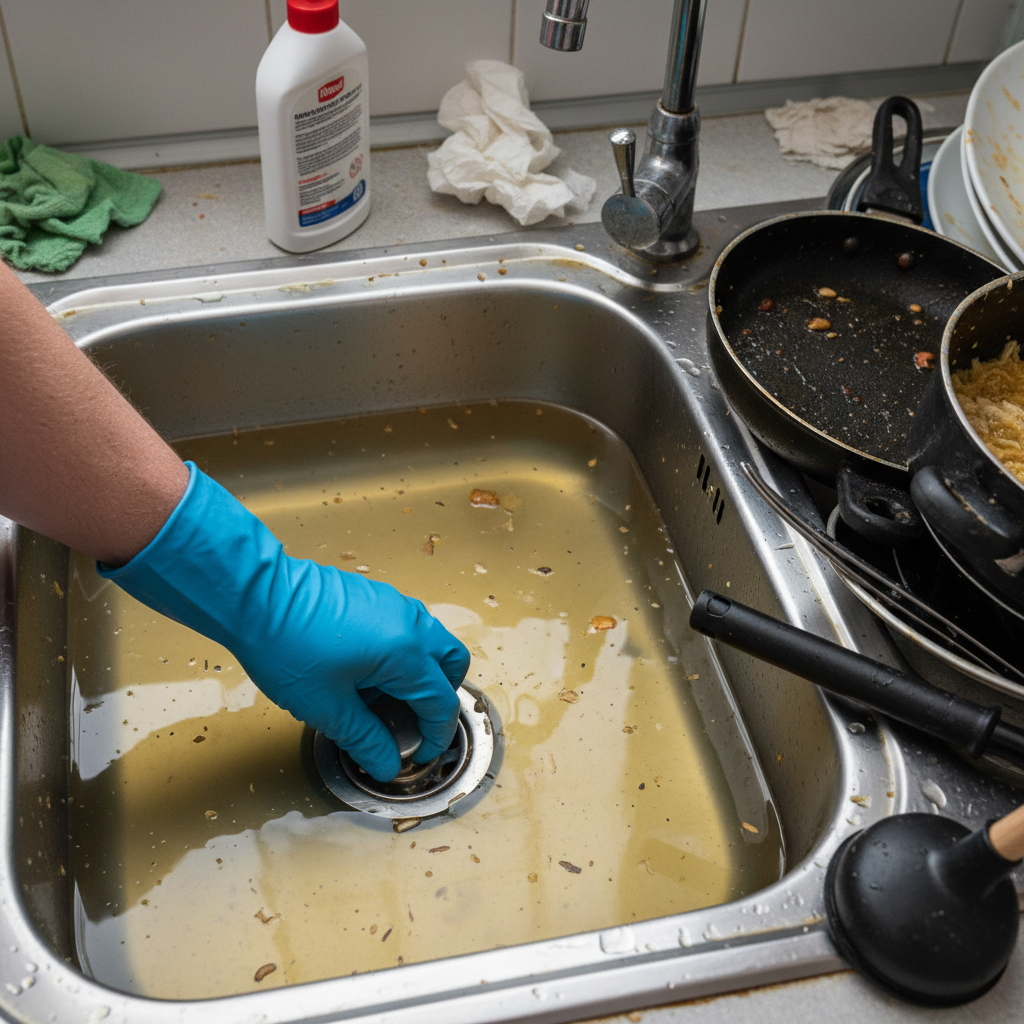
Understanding Why Your Clogged Sink Drain Keeps Backing Up
Before you can effectively tackle a recurring clog, it’s essential to understand what’s causing it. Drains don’t just clog on a whim; there are specific culprits at play, often building up over time.
Common Culprits in Kitchen Sinks
- Grease and Oil: This is perhaps the biggest offender in kitchen sinks. When hot grease, cooking oil, or fat is poured down the drain, it flows easily. However, as it cools, it solidifies and clings to the inside of your pipes. Over time, these fatty deposits accumulate, narrowing the pipe and trapping other debris, leading to a stubborn clog.
- Food Particles: Even with a garbage disposal, small food scraps can escape and contribute to blockages. Coffee grounds, rice, pasta, potato peels, eggshells, and fibrous vegetables like celery are notorious for swelling with water or compacting together, creating a dense, impenetrable mass.
- Soap Scum: While often associated with bathroom drains, soap scum can also build up in kitchen sinks, particularly if you wash dishes by hand frequently. It binds with grease and food particles, creating a sticky, tough residue.
Frequent Offenders in Bathroom Sinks
- Hair: The undisputed champion of bathroom drain clogs. Hair, whether from showering, shaving, or brushing, easily wraps around other debris, forming dense, matted balls that are incredibly difficult to dislodge.
- Soap Scum: Just like in the kitchen, soap scum, especially from bar soap, hardens and coats the interior of pipes. It acts as a magnet for hair and other particles, accelerating clog formation.
- Dental Floss and Small Objects: While less common, floss is not biodegradable and can tangle with hair. Small items like cotton swabs, earplugs, or even tiny toy parts accidentally dropped down the drain can also create significant blockages.
- Mineral Buildup: In areas with hard water, minerals like calcium and magnesium can deposit on pipe walls, gradually reducing the pipe’s diameter and providing a rough surface for other debris to latch onto.
The Often Overlooked Main Line Issues
If clogs are occurring in multiple fixtures simultaneously (e.g., both your kitchen and bathroom sinks are slow, or your toilet is gurgling when you run the shower), the problem might not be isolated to a single fixture. Instead, it could indicate a blockage in your home’s main sewer line. This is a more serious issue that can be caused by:
- Tree Roots: Roots from nearby trees or large shrubs can infiltrate cracks or loose joints in underground sewer pipes, growing into a dense mass that traps waste.
- Sewer Line Sagging or Collapse: Over time, ground movement or erosion can cause a section of the sewer pipe to sag, creating a belly where waste accumulates. Old, deteriorated pipes can also collapse.
- Flushing Non-Flushable Items: Wipes (even “flushable” ones), feminine hygiene products, excessive toilet paper, and other foreign objects can accumulate in the main line.
Environmental Factors and Older Plumbing
Sometimes, the problem isn’t just about what goes down the drain. Older homes often have narrower pipes, cast iron pipes that are more prone to rust and corrosion, or pipes that have accumulated decades of mineral deposits, making them more susceptible to clogs. Environmental factors like ground shifting or nearby construction can also impact underground pipes.
DIY Solutions to Tackle a Stubborn Clog
Before you reach for the phone to call a plumber, there are several effective DIY methods you can try to clear a clogged sink drain that keeps backing up. Always exercise caution and wear appropriate protective gear like gloves and eye protection.
The Hot Water and Dish Soap Method
This simple technique is often effective for minor kitchen sink clogs, especially those caused by grease.
- Remove any standing water from the sink.
- Pour about 1/4 cup of liquid dish soap directly down the drain.
- Follow with several cups of very hot (but not boiling, as it could damage PVC pipes) water. If you have a garbage disposal, let the water run while it’s on for a minute.
- Let it sit for 20-30 minutes. The hot water helps melt grease, and the dish soap acts as a lubricant to help it move.
- Flush the drain with more hot water to see if the clog has cleared.
Baking Soda and Vinegar: A Natural Power Duo
This eco-friendly method creates a fizzy reaction that can help break down organic matter and dislodge clogs.
- Remove any standing water from the sink.
- Pour 1 cup of baking soda down the drain.
- Follow immediately with 1 cup of white vinegar. You’ll hear fizzing and bubbling.
- Cover the drain with a stopper or cloth to contain the chemical reaction and push it downwards.
- Let it sit for at least 30 minutes, or even overnight for tough clogs.
- Flush with hot water. Repeat if necessary.
Caution: Never mix vinegar and baking soda with commercial drain cleaners, as this can create dangerous chemical reactions.
The Plunger: Your First Line of Defense
A good old-fashioned plunger is surprisingly effective for many clogs. Ensure you use the right type: a flat-bottomed cup plunger for sinks and tubs, and a flange plunger for toilets.
- Remove the sink stopper.
- Fill the sink with enough water to cover the rubber cup of the plunger. This creates a seal.
- Place the plunger firmly over the drain, ensuring a tight seal.
- Plunge vigorously for 20-30 seconds, maintaining the seal. Push down and pull up sharply.
- Remove the plunger quickly to check if the water drains. Repeat several times if needed.
- If you have a double kitchen sink, plug the second drain opening with a wet rag to ensure maximum suction.
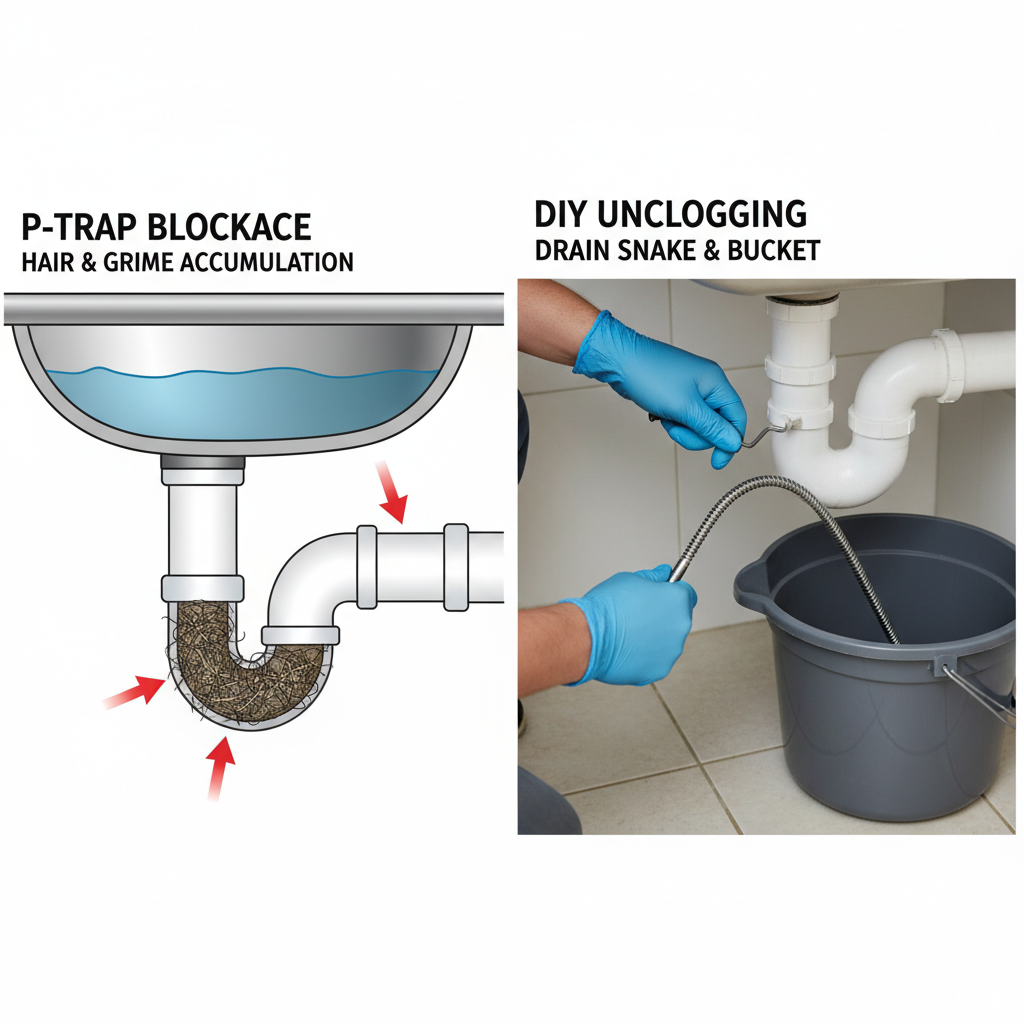
Manual Removal: When You Need to Get Your Hands Dirty (P-trap)
For clogs located in the P-trap (the U-shaped pipe directly beneath the sink), manual removal can be very effective. This is particularly common in bathroom sinks filled with hair.
- Place a bucket or old towel directly underneath the P-trap to catch any spilled water and debris.
- Using channel-lock pliers or an adjustable wrench, carefully loosen the slip nuts on both ends of the P-trap.
- Remove the P-trap.
- Clean out any accumulated gunk, hair, or debris using an old brush, wire hanger, or gloved hand.
- Inspect the tailpiece (the pipe going into the wall) for any visible clogs.
- Reattach the P-trap, ensuring the slip nuts are tightened securely (hand-tight, then a quarter turn with pliers).
- Run water slowly at first to check for leaks, then increase the flow.
Important: Turn off the water supply to the sink before starting this process to prevent accidental flooding.
The Drain Snake (Auger): Reaching Deeper Clogs
When clogs are beyond the P-trap and a plunger isn’t working, a drain snake (or hand auger) can be your best friend. These flexible cables can navigate bends in pipes to break up or retrieve blockages.
- Put on gloves and safety glasses.
- Remove the sink stopper and, if necessary, the P-trap (this provides easier access).
- Feed the end of the snake into the drain opening. Turn the handle on the snake to extend the cable.
- When you feel resistance, it’s likely the clog. Push and twist the snake to break up the blockage or hook onto it.
- Slowly pull the snake back out, hopefully bringing the clog with it.
- Run hot water down the drain to flush away any remaining debris.
- If the clog persists, repeat the process.
Caution: Be gentle when using a snake, especially in older or PVC pipes, to avoid damaging them.
Commercial Drain Cleaners: Use with Caution
While often a quick fix, commercial chemical drain cleaners should be used as a last resort for DIY attempts, and with extreme caution. They contain harsh chemicals that can be dangerous to handle, harmful to your plumbing (especially older pipes or septic systems), and bad for the environment.
- Follow product instructions precisely.
- Ensure adequate ventilation.
- Never mix different brands or types of chemical cleaners.
- Never use them if you’ve recently tried other chemical cleaners or if you plan to use a plunger or snake afterward, as splashing could cause chemical burns.
Advanced Techniques for Persistent Backups
If DIY methods have failed and your clogged sink drain keeps backing up, it’s likely time to call a professional. Plumbers have specialized tools and expertise to handle more complex or deep-seated issues.
Hydro-Jetting
This powerful technique uses high-pressure water streams (up to 4,000 psi) to thoroughly clean the inside of pipes, blasting away grease, mineral buildup, scale, hair, and even tree roots. It’s an excellent solution for recurring clogs and comprehensive drain cleaning.
Camera Inspection
For mysterious or severe clogs, a plumber can insert a small, waterproof camera into your pipes. This allows them to see the exact location and nature of the blockage, diagnose pipe damage, or identify tree root intrusion without invasive digging.
Preventing Future Clogs: A Proactive Approach
The best way to deal with a clogged sink drain that keeps backing up is to prevent it from happening in the first place. A few simple habits and regular maintenance can keep your drains flowing smoothly.
Kitchen Sink Prevention Strategies
- Scrape Plates Thoroughly: Before washing, scrape all food scraps into the trash can or compost bin.
- Manage Grease: Never pour cooking oil, grease, or fat down the drain. Instead, pour it into an old container (like a jar or coffee can), let it solidify, and then dispose of it in the trash.
- Use a Strainer: Install a mesh drain strainer in your sink to catch any stray food particles before they enter the drain. Clean it frequently.
- Be Smart with Your Disposal: Even with a garbage disposal, avoid putting fibrous foods (celery, potato peels), starchy foods (rice, pasta), coffee grounds, eggshells, or large amounts of anything down it. Always run cold water before, during, and after using the disposal.
- Hot Water Flush: After washing dishes, run hot water for a minute or two to help flush away any remaining grease or soap residue.
Bathroom Sink Prevention Strategies
- Hair Catchers: Install a hair catcher or drain protector in your shower and bathroom sinks. Clean them after every use.
- Brush Hair Before Washing: Brush your hair before stepping into the shower or washing it over the sink to remove loose strands that might otherwise go down the drain.
- No Foreign Objects: Never flush cotton swabs, dental floss, cotton balls, wet wipes (even “flushable” ones), or feminine hygiene products down the toilet or sink. Dispose of them in the trash.
- Limit Soap Scum: If you use bar soap, consider switching to liquid soap or using a soap dish that allows the bar to dry, reducing the amount of residue.
Regular Maintenance Routines
- Weekly Hot Water Flush: For all sinks, run hot water for a few minutes each week to help melt away minor grease buildup and flush the pipes.
- Monthly Baking Soda and Vinegar Treatment: A monthly flush with baking soda and vinegar can help keep drains clear and free of odors, breaking down minor accumulations before they become major clogs.
- Boiling Water (Carefully): For metal pipes, a weekly flush of boiling water can be very effective. For PVC pipes, use very hot tap water, not boiling, to avoid damage.
The Importance of Proper Waste Disposal
Educating everyone in your household about what can and cannot go down the drain is crucial. A collective effort in mindful waste disposal is the most effective long-term prevention strategy for a clogged sink drain that keeps backing up.
When to Call a Professional Plumber
While DIY solutions are often effective, there are times when professional help is not just recommended, but essential. Ignoring these signs can lead to more costly and damaging problems down the line.
Signs You Need Expert Help
- Persistent or Recurring Clogs: If your sink keeps backing up despite your best DIY efforts, it indicates a deeper, more stubborn clog that requires professional tools and expertise.
- Multiple Clogged Drains: If several drains in your home (e.g., kitchen sink, bathroom sink, toilet) are slow or clogged at the same time, it’s a strong indicator of a main sewer line blockage, which is beyond DIY capabilities.
- Foul Odors: Lingering, sewage-like smells coming from your drains can signal a serious blockage, sewer line issue, or even a broken vent pipe.
- Gurgling Noises: If you hear gurgling sounds from one drain when another fixture is used (e.g., your sink gurgles when the toilet flushes), it suggests air trapped in the drain system due to a blockage or vent problem.
- Water Backing Up into Other Fixtures: This is a definitive sign of a main line clog. For instance, if running the washing machine causes water to back up into the shower or toilet.
- Standing Water Outside: If you notice standing water or sewage smells in your yard, particularly near your sewer line, this points to a major break or blockage in the main sewer pipe.
- Chemical Drain Cleaner Fails: If you’ve used a chemical drain cleaner and it hasn’t worked, do not add more. The standing chemical-laden water is now a hazardous situation for you and a plumber.
- No Access to P-Trap or Cleanout: Sometimes, a clog is located in a spot you can’t access easily with DIY tools.
Benefits of Professional Intervention
- Expert Diagnosis: Plumbers can accurately identify the cause and location of the clog using advanced tools like cameras.
- Effective Solutions: They have powerful tools like hydro-jetters and industrial-strength augers to clear even the toughest blockages without damaging your pipes.
- Preventative Advice: A professional can assess your plumbing system and offer tailored advice to prevent future issues.
- Safety: Dealing with sewage or harsh chemicals can be dangerous. Professionals have the right equipment and training to do the job safely.
- Long-Term Savings: Addressing a problem early with a professional can prevent minor issues from escalating into major, expensive repairs like pipe replacement.
Conclusion
A clogged sink drain that keeps backing up is more than just an inconvenience; it’s a sign that your plumbing system needs attention. While many minor clogs can be resolved with simple DIY methods and a little persistence, understanding the underlying causes is key to both fixing and preventing these frustrating occurrences.
By adopting proactive habits like smart waste disposal, using drain strainers, and implementing regular maintenance routines, you can significantly reduce the likelihood of future clogs. And remember, when DIY efforts fall short, or if you notice multiple persistent issues, don’t hesitate to call in a professional plumber. Investing in professional help when needed can save you from greater headaches and expenses down the line, ensuring your home’s drains remain clear, functional, and odor-free for years to come.