There’s nothing more frustrating in the kitchen than encountering a stove top not heating evenly. You’re trying to perfectly sear a steak, simmer a delicate sauce, or achieve a uniform golden-brown on your pancakes, only to find hot spots and cold zones turning your culinary efforts into a frustrating game of rotation and repositioning. This common issue can ruin meals, waste food, and make cooking a chore rather than a joy. Understanding why your stovetop is behaving this way, whether it’s a gas or electric model, is the first step toward reclaiming consistent cooking temperatures and perfect results every time. In this comprehensive guide, we’ll delve into the various culprits behind uneven heating and provide actionable troubleshooting steps and maintenance tips to get your stove top back in top-notch working order.
The Frustration of Uneven Cooking: Why It Matters
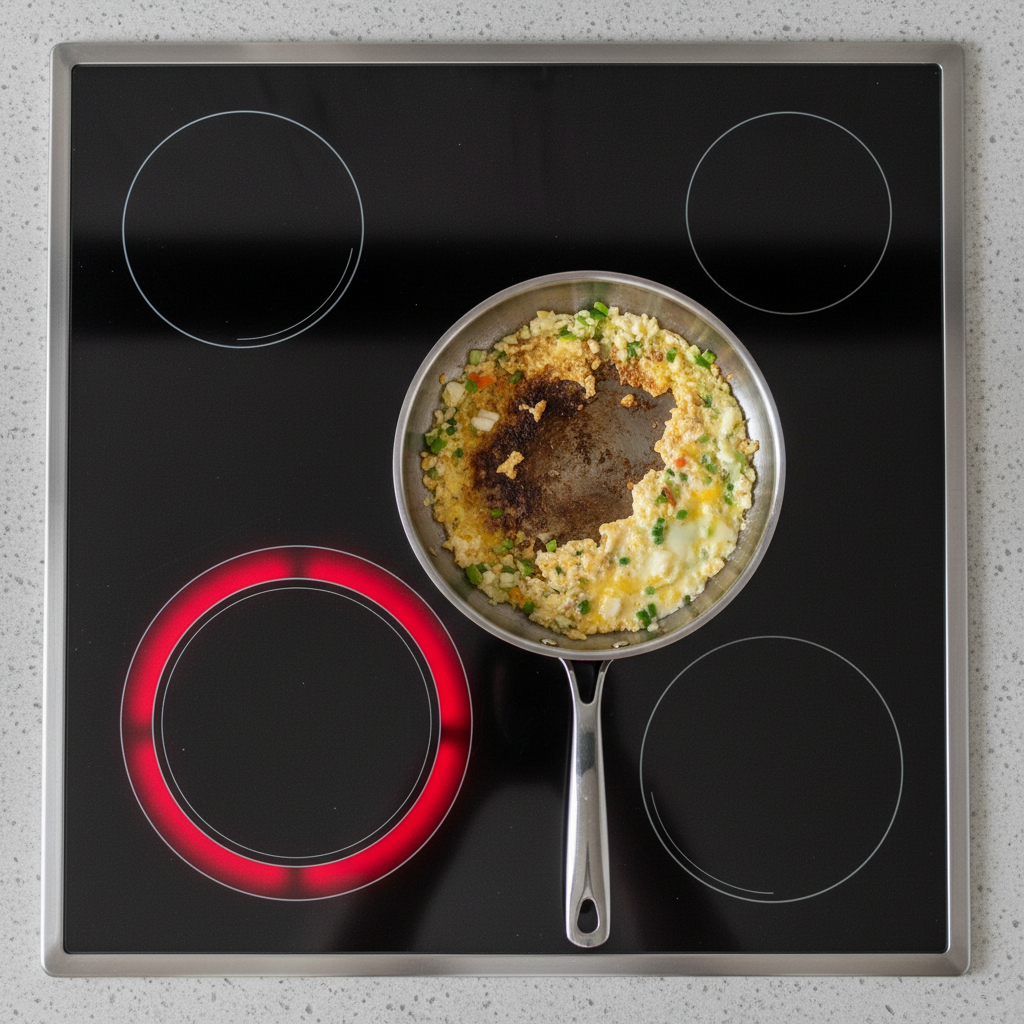
When your stove top fails to distribute heat uniformly, the impact on your cooking can be significant. Imagine attempting to cook a batch of stir-fry where some vegetables are perfectly crisp-tender while others remain raw or, conversely, overcooked and burnt. Or trying to achieve an even crust on a skillet pizza, only to find one side scorched and the other barely cooked. Uneven heating leads to:
- Inconsistent Food Quality: Different parts of your dish cook at different rates, leading to varied textures and flavors.
- Wasted Ingredients: Overcooked or undercooked sections may need to be discarded.
- Longer Cooking Times: You spend more time trying to compensate for the hot and cold spots.
- Increased Energy Consumption: Inefficient heating can mean your appliance works harder than it needs to.
- Culinary Disappointment: The joy of cooking diminishes when results are unpredictable.
Common Signs Your Stove Top Is Not Heating Evenly
Before diving into solutions, it’s helpful to recognize the tell-tale signs of an unevenly heating stove top:
- Hot Spots on Cookware: Food browns or burns in specific areas of the pan while remaining undercooked in others, even if the pan itself is flat.
- Slow Boiling: Water takes an unusually long time to boil, or only boils in certain sections of a pot.
- Uneven Simmering: Sauces or stews bubble vigorously in one area and barely simmer in another.
- Visible Flame Irregularities (Gas): Gas flames might be higher or lower in certain sections of the burner, or appear yellow/orange instead of blue.
- Element Discoloration (Electric Coil): Electric coils might glow more brightly or less brightly in different sections.
Unpacking the Causes: Gas Stovetops
Gas stovetops are beloved for their instant heat and precise temperature control, but they are not immune to heating inconsistencies. Here are the most common reasons why a gas stove top might not be heating evenly:
Clogged Burner Ports
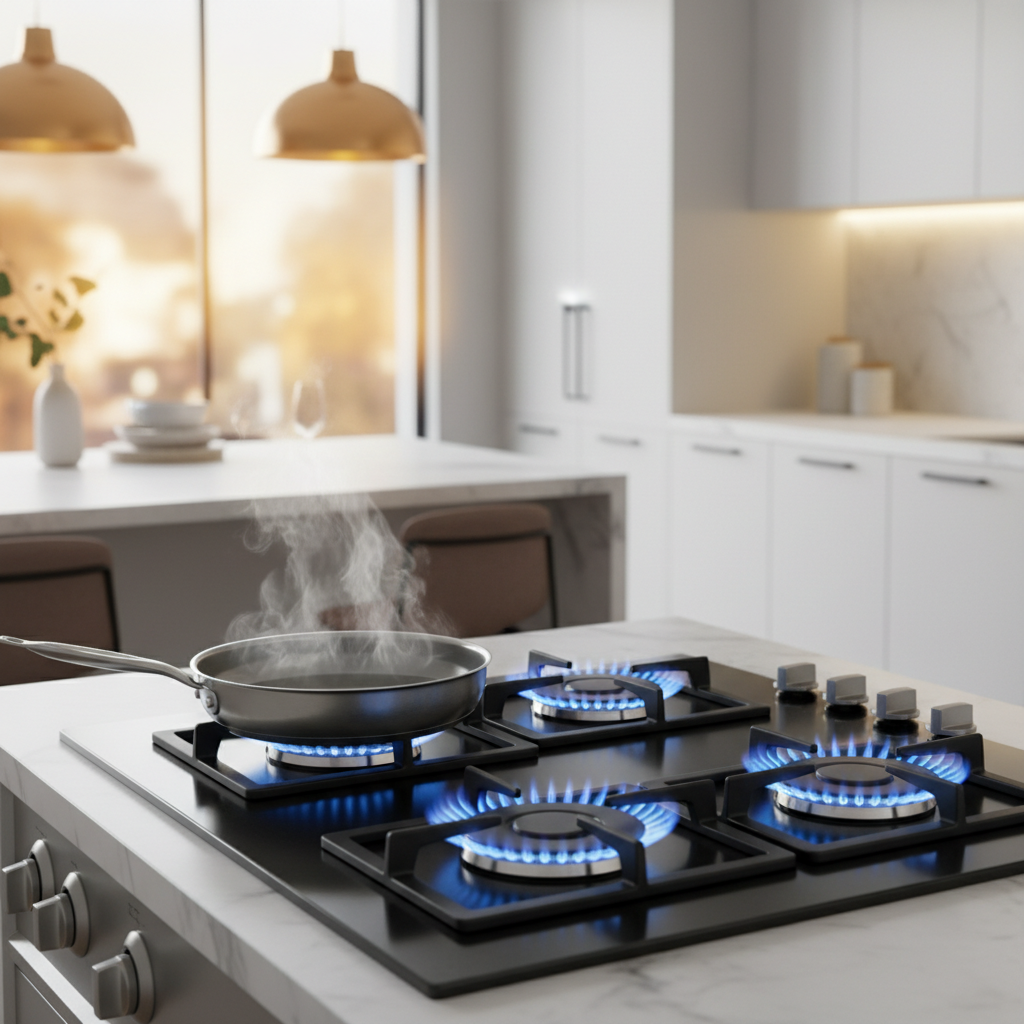
This is perhaps the most frequent culprit. The burner head on your gas stove has tiny holes or “ports” through which gas flows to create the flame. Over time, food spills, grease, and debris can clog these ports, preventing gas from flowing freely and resulting in an uneven flame distribution. Some areas will have strong flames, while others will be weak or even non-existent.
- Symptoms: Yellow or orange flames (instead of blue), weak or sputtering flames, no flame at all in some areas, noticeable smell of gas without ignition.
Misaligned Burner Caps
Each gas burner has a metal cap that sits on top of the burner head. This cap helps to distribute the flame evenly. If it’s not seated correctly or has shifted out of place, it can direct the flame improperly, leading to hot and cold spots on your cookware.
- Symptoms: Flames escaping from under the cap, uneven flame pattern, burner not igniting properly.
Faulty Igniter or Burner Assembly
While less common, a faulty igniter or a damaged burner assembly itself can contribute to uneven heating. If the igniter is consistently sparking but not lighting all parts of the burner, or if the burner head is warped or damaged, it can prevent proper gas flow and combustion.
- Symptoms: Burner consistently fails to light, lights only partially, or produces very weak flames.
Gas Pressure Issues
Occasionally, the problem might stem from your home’s gas supply. Low gas pressure can lead to weak and uneven flames across all burners. This is less likely to be isolated to a single burner but can affect overall stovetop performance.
- Symptoms: All burners exhibiting weak flames, pilot lights frequently going out (if applicable), other gas appliances (like water heaters) also performing poorly.
Unpacking the Causes: Electric Stovetops
Electric stovetops come in various forms – traditional coil, smooth glass-ceramic radiant, and induction. Each type has its own set of potential reasons for uneven heating.
Traditional Electric Coil Stovetops
These stovetops use exposed metal coils that heat up. They are generally robust but can develop issues:
- Damaged or Bent Coils: If a coil is bent, warped, or has become dislodged, it won’t sit flat against the bottom of your cookware, leading to air gaps and uneven heat transfer. A visibly damaged coil might also have internal breaks, preventing full heating.
- Loose Connections: The coil plugs into a receptacle on the stovetop. If these terminals are dirty, corroded, or loose, it can impede the electrical current, causing the coil to heat inconsistently or not at all.
- Faulty Infinite Switch: The infinite switch (the knob you turn to adjust the heat) controls the power going to the element. A defective switch might send an inconsistent amount of power, leading to erratic heating or preventing the coil from reaching its full temperature.
Glass-Ceramic (Radiant) Stovetops
These sleek stovetops have heating elements beneath a smooth glass surface.
- Damaged Heating Element: The radiant elements underneath the glass can fail in sections, causing parts of the burner area to heat while others remain cool. This is often an internal component failure.
- Faulty Sensor/Thermostat: Many glass-top stoves have sensors to regulate temperature. If a sensor malfunctions, it might incorrectly cycle the power to the heating element, leading to uneven or insufficient heat.
- Cracked Glass Surface: While less about uneven heating and more about safety, a cracked glass surface can affect heat transfer and should be addressed immediately.
Induction Stovetops
Induction cooktops use electromagnetic fields to directly heat ferromagnetic cookware. Uneven heating on an induction cooktop is almost always related to the cookware itself.
- Non-Induction Cookware: Induction only works with specific types of magnetic cookware. If your pan isn’t induction-compatible, it won’t heat at all.
- Poor Quality Cookware: Pans with thin bases, warped bottoms, or those made from composite materials with an uneven ferromagnetic layer can lead to inconsistent heating because the magnetic field isn’t distributed uniformly.
- Pan Size Mismatch: If your pan is significantly smaller than the induction element, the magnetic field might not fully engage, leading to inefficient or uneven heating. Conversely, a very large pan on a small burner might only heat its center.
Troubleshooting Your Unevenly Heating Stove Top: A Step-by-Step Guide
Before calling for professional help, there are several things you can check and potentially fix yourself. Always prioritize safety, especially when dealing with gas or electricity.
1. Check Your Cookware
Regardless of your stove type, your cookware plays a crucial role in heat distribution. A warped or damaged pan will never heat evenly, no matter how perfect your burner is.
To check for warping:
- Place the empty pan on a flat counter surface. If it wobbles, it’s likely warped.
- For induction, ensure your cookware is induction-compatible (check the bottom for an induction symbol or see if a magnet sticks firmly).
Solution: Invest in good quality, flat-bottomed cookware. Thicker, multi-ply bottoms generally offer better heat distribution.
2. Thoroughly Clean Your Stove Top
A surprising number of heating issues can be resolved with a good cleaning.
- For Gas Stovetops:
- Safety First: Ensure all burners are off and the stovetop is cool. For extra safety, turn off the gas supply to the range or unplug the unit.
- Remove Grates and Caps: Lift off the burner grates and then the burner caps.
- Clean Burner Heads: Use a stiff brush (like an old toothbrush) or a paperclip/needle to clear out any clogged ports on the burner head. Be gentle to avoid damaging the metal.
- Wash Caps: Clean burner caps with warm, soapy water to remove grease and debris. Dry thoroughly.
- Reassemble: Ensure burner caps are perfectly aligned and seated correctly before replacing grates.
- For Electric Coil Stovetops:
- Safety First: Unplug the stove or turn off its breaker. Ensure coils are cool.
- Remove Coils: Gently lift each coil and pull it out from its receptacle.
- Clean Receptacles: Use a cotton swab or a small brush to carefully clean any debris or corrosion from the terminal connections inside the receptacle.
- Clean Coils: Wipe down coils with a damp cloth (ensure they are dry before reinserting). If visibly damaged or very corroded, consider replacement.
- Reinsert: Ensure coils are fully inserted and sitting flat.
- For Glass-Ceramic Stovetops:
- Safety First: Ensure the stovetop is cool.
- Clean Surface: Use a specialized ceramic stovetop cleaner to remove any burnt-on food or residue that might be insulating the surface and affecting heat transfer.
3. Inspect Gas Burner Alignment and Flame
After cleaning gas burners, observe the flame carefully when you turn it on (briefly, for observation).
- Is the flame a consistent blue color? Yellow or orange flames often indicate incomplete combustion, usually due to clogs or poor air/gas mixture.
- Does the flame evenly encompass the entire burner area?
- Are the burner caps perfectly centered and flat?
Solution: Adjust caps if needed. If flames are consistently yellow, or if cleaning doesn’t help, there might be a deeper issue with the gas/air mixture or the orifice, which might require professional attention.
4. Check Electric Coil Stability and Connections
If your electric coils are heating unevenly:
- Gently wiggle each coil to ensure it’s firmly seated in its receptacle.
- Visually inspect the coil for any breaks, severe warping, or discoloration that indicates a problem.
Solution: If a coil is visibly damaged or not heating correctly after checking connections, it likely needs to be replaced. These are generally inexpensive and easy to swap out. Similarly, if the receptacle itself looks charred or loose, it might need professional repair.
5. Test Different Burners/Elements
If only one burner is causing issues, the problem is likely isolated to that specific burner or its controls. If all burners are heating unevenly, it could point to a more systemic issue, such as gas pressure (for gas stoves) or a main control board problem (for electric stoves).
6. Reset Electric Stove’s Power
For electric stoves, sometimes a simple power cycle can resolve minor electronic glitches. Unplug the stove from the wall outlet or turn off its dedicated circuit breaker for 5-10 minutes, then restore power.
When to Call a Professional
While many stovetop heating issues can be resolved with DIY troubleshooting, some problems require the expertise of a qualified appliance technician. You should call a professional if:
- You suspect a gas leak: If you smell gas and can’t identify or fix the source immediately, turn off your gas supply and call a professional. Gas leaks are extremely dangerous.
- You’ve tried all troubleshooting steps: If cleaning and inspection don’t resolve the uneven heating, there might be internal component failures (e.g., faulty infinite switch, igniter, heating element under glass, control board).
- There are electrical issues: Visible sparks, burning smells from the electrical components, or repeated tripping of the circuit breaker warrant professional attention.
- You’re uncomfortable: If you’re not confident in your ability to safely diagnose or repair the problem, it’s always best to err on the side of caution and hire a professional.
Preventative Maintenance for Even Heating
Regular maintenance can significantly extend the life of your stovetop and prevent uneven heating issues from developing.
- Clean Regularly: Wipe up spills immediately after they occur (once the surface is cool) to prevent burnt-on residue from clogging ports or hardening on surfaces. Perform a deeper clean of burner components monthly. Consider a daily kitchen cleaning routine to keep things spotless.
- Use Proper Cookware: Always use flat-bottomed, high-quality cookware that matches the size of your burners or elements.
- Avoid Overfilling Pots: This minimizes the chance of boil-overs and spills that can clog burner ports.
- Inspect Components: Periodically check gas burner caps for alignment and electric coils for damage or loose connections.
- Ventilate Properly: Ensure your range hood is clean and functioning well. Good ventilation can help manage grease and steam, reducing residue buildup.
Frequently Asked Questions About Uneven Stovetop Heating
Q1: My gas flame is yellow instead of blue. What does that mean?
A yellow or orange flame usually indicates incomplete combustion due to insufficient oxygen mixing with the gas. This is most often caused by clogged burner ports, which restrict gas flow and air intake. Cleaning the burner ports and ensuring the burner cap is properly aligned usually resolves this. If not, there might be an issue with the air shutter adjustment or the gas pressure, requiring professional inspection.
Q2: Can old pans cause uneven heating on any type of stove?
Absolutely. Old, warped, or thin-bottomed pans are a major cause of uneven heating, regardless of whether you have a gas, electric, or induction stove. A warped bottom will not make full contact with the heating surface, creating hot and cold spots. Thin materials also distribute heat poorly. Always start troubleshooting by checking your cookware.
Q3: My electric coil burner isn’t glowing evenly. Is it broken?
If an electric coil isn’t glowing evenly or has dark spots while cooking, it could indicate internal damage to the heating element or loose/corroded connections at the terminal. Often, simply unplugging and replugging the coil firmly can help, but if the issue persists, the coil likely needs to be replaced. They are relatively inexpensive and easy to swap out.
Q4: Why does my induction cooktop heat unevenly, even with an induction-compatible pan?
While induction cooktops are known for precise heating, unevenness can occur if the pan itself has an uneven ferromagnetic layer, a very thin base, or is significantly smaller than the induction zone. The quality of induction cookware varies, so ensure you’re using high-quality, flat-bottomed pans specifically designed for induction. If the problem persists with multiple quality pans, there might be an issue with the induction element itself, warranting professional service.
Q5: Is it safe to clean gas burner ports with a metal wire?
Yes, it’s generally safe to use a thin wire, paperclip, or sewing needle to gently clear burner ports. However, ensure the gas supply is OFF and the burner is cool. Be careful not to enlarge the holes or damage the burner head. Never use harsh chemicals or anything that could leave residue in the ports.
Conclusion: Reclaim Your Consistent Cooking
A stove top not heating evenly can turn meal prep into a battle. By understanding the common causes, whether you have a gas or electric model, and following a systematic troubleshooting approach, you can often diagnose and fix the problem yourself. Regular cleaning and using appropriate cookware are your best defenses against uneven heating. Remember to prioritize safety in all your endeavors. If the issue persists or you’re unsure about a repair, don’t hesitate to call a certified appliance technician. With a little attention and care, you can ensure your stovetop provides the consistent, even heat needed for perfect culinary creations every time.