Understanding Why Your Lights Flicker When the AC Turns On
At its core, the flickering you observe is often a direct result of the immense power demands of your air conditioning unit. When an AC compressor starts, it draws a significant amount of electricity, creating a momentary voltage drop across your home’s electrical system. Think of it like a sudden gulp of water from a small pipe – there’s a temporary reduction in pressure for everything else connected.
The AC’s Power Hungry Nature
Your air conditioner, especially older or larger units, is one of the most power-intensive appliances in your home. The compressor, which is the heart of the AC system, requires a large burst of electricity, known as “inrush current,” to get started. This initial surge can be several times higher than the AC’s normal operating current. This sudden demand can temporarily tax your electrical panel and circuits.
Momentary Voltage Drop Explained
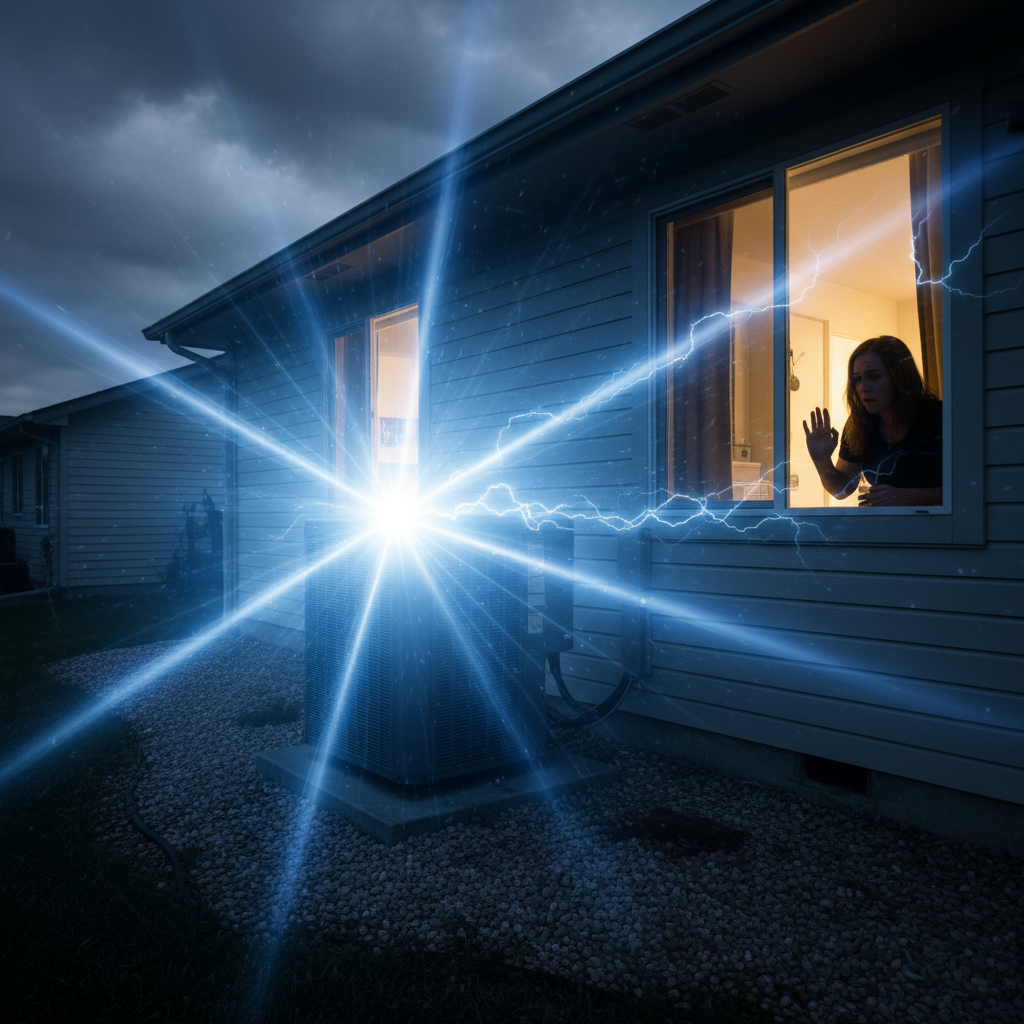
When the AC’s compressor draws this high inrush current, it can cause a brief dip in the voltage supplied to your home’s other electrical devices, including your lights. This temporary reduction in voltage manifests as a flicker or dimming of the lights. For many homes, a very slight, brief flicker is considered normal and is merely a symptom of the AC unit starting up. However, if the flickering is pronounced, prolonged, or accompanied by other symptoms, it warrants closer investigation.
Common Causes of Lights Flickering When AC Starts
While a slight flicker can be normal, various underlying issues can exacerbate the problem or make it a sign of something more serious. Here are the most common culprits:
Normal Inrush Current (Often Harmless)
As mentioned, a brief, minor flicker is often just your electrical system reacting to the AC’s initial power draw. If the flicker is very short (a fraction of a second), consistent, and doesn’t affect other appliances significantly, it might not be a cause for alarm. This is especially common in homes where the AC is on a shared circuit with lighting.
Overloaded Circuit
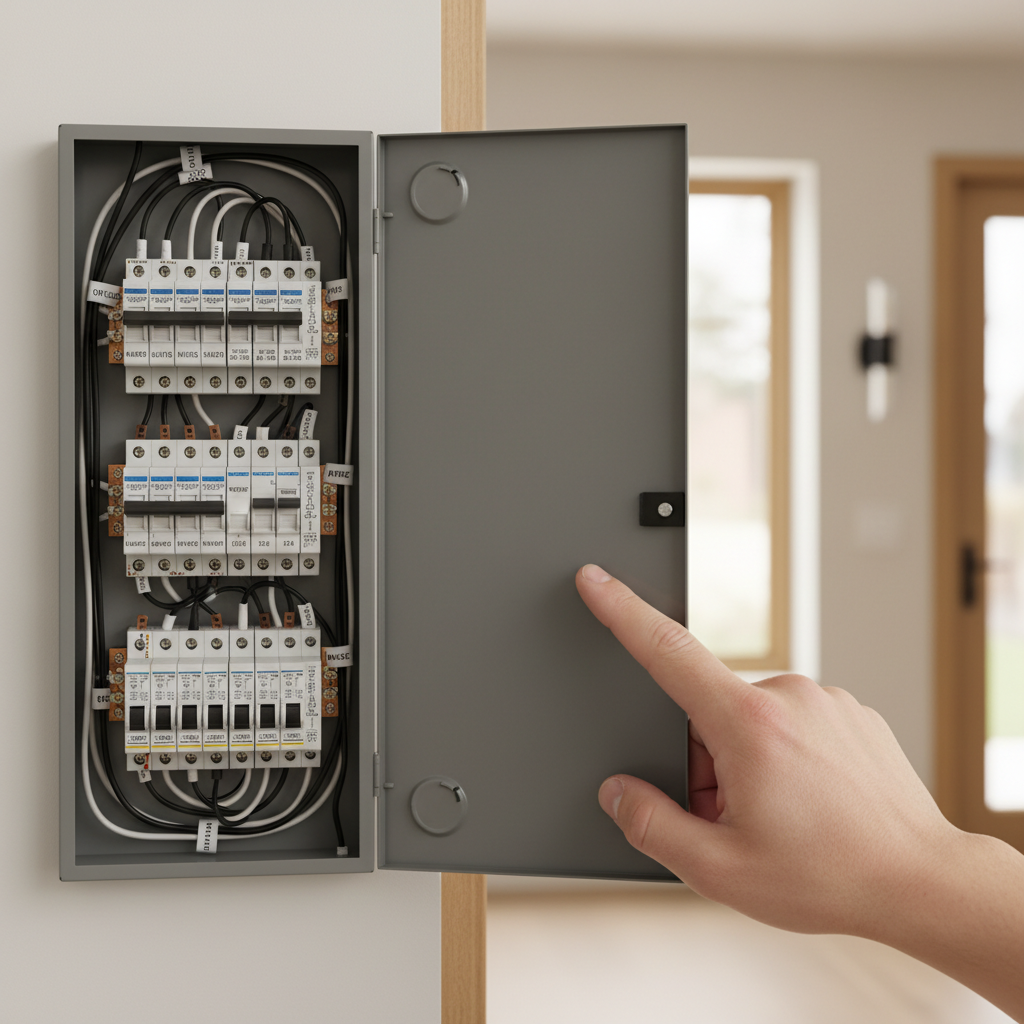
If your AC unit is sharing a circuit with many other high-demand appliances, the total electrical load might exceed the circuit’s capacity. When the AC kicks in, it could push the circuit beyond its limits, leading to more pronounced flickering, dimming of other lights, or even tripping the circuit breaker. This is a common issue in older homes not designed for modern electrical demands.
Loose Wiring Connections
Loose connections anywhere in your electrical system can be a major problem. This could be at the AC unit itself, within the circuit breaker panel, at outlets, light switches, or light fixtures. A loose wire creates resistance, which generates heat and can cause intermittent power supply, leading to flickering. This is a serious fire hazard and needs immediate attention.
- Warning Signs: Beyond flickering, you might notice buzzing sounds, outlets feeling warm to the touch, or even a burning smell near an outlet or switch.
Faulty Circuit Breaker
A circuit breaker’s job is to protect your wiring from overcurrents. Over time, or due to repeated tripping, a breaker can weaken and become less efficient at handling the sudden surge from the AC. It might not trip entirely, but it could struggle to maintain a steady voltage, resulting in more significant light flickering.
- Signs of a Faulty Breaker: Frequent tripping, a breaker that feels warm to the touch, or visible signs of wear.
Undersized Wiring
In older homes, the wiring might not be robust enough (i.e., too thin a gauge) to handle the electrical demands of modern appliances, particularly a powerful AC unit. When the AC starts, the undersized wires can experience a larger voltage drop, leading to more noticeable flickering. This can also pose a fire risk due to overheating.
- Long-Term Issues: Undersized wiring can lead to chronic voltage issues, damage to appliances, and potentially serious safety hazards over time.
Aging or Faulty AC Unit Components
The problem might not be with your home’s electrical system, but rather with the AC unit itself. A failing compressor, a faulty start capacitor, or even issues with the fan motor can cause the unit to draw excessive current upon startup, leading to pronounced flickering. The start capacitor, in particular, helps provide the initial jolt of power to the compressor; if it’s failing, the compressor might struggle to start, drawing more power than necessary.
- Component Check: A qualified HVAC technician can diagnose internal AC unit issues.
Utility Company Issues
While less common, sometimes the problem lies with the power supply coming into your home from the utility company. Issues like a loose connection at the power pole or a problem with the transformer serving your neighborhood can cause voltage fluctuations that become apparent when high-demand appliances like your AC turn on.
- How to Check: Ask your neighbors if they are experiencing similar issues. If they are, contact your utility company.
Electrical System Capacity Issues (Main Service Panel)
Even if individual circuits aren’t overloaded, your home’s entire electrical service panel might be undersized for your overall electricity consumption. If your home has undergone renovations or you’ve added many new appliances over the years without upgrading your main electrical panel, the total load might be too much for the incoming service, leading to system-wide voltage drops and flickering.
When to Worry: Signs Your Flickering Lights Indicate a Serious Problem
While a slight, momentary flicker can often be dismissed, there are definite red flags that indicate a more serious electrical problem requiring immediate professional attention. Do not ignore these warning signs:
- Constant or Prolonged Flickering: If the lights flicker for more than a second or two, or continue to flicker intermittently after the AC has started.
- Burning Smell: Any smell of burning plastic or rubber, especially near outlets, switches, or the electrical panel.
- Buzzing or Crackling Sounds: Unexplained noises coming from outlets, switches, or the circuit breaker box.
- Dimming or Flickering Affecting All Lights: If the flickering isn’t just limited to lights on the same circuit as the AC, but rather affects most or all lights in your house, it could indicate a main service issue.
- Frequent Circuit Breaker Trips: If your AC circuit breaker trips often, it’s a clear sign of an overloaded circuit or a faulty breaker.
- Sparks: Any visible sparks coming from outlets, switches, or appliances.
- Warm Outlets or Switches: If an electrical outlet or light switch feels noticeably warm to the touch.
- Discolored Outlets or Walls: Burn marks or discoloration around outlets or switches.
If you observe any of these symptoms, turn off your AC unit and contact a qualified electrician immediately. These are not issues to DIY.
Troubleshooting Steps You Can Take (Safely!)
Before calling in the cavalry, there are a few safe steps you can take to gather more information and potentially identify the cause of the flickering lights when your AC turns on:
1. Observe the Flickering
Pay close attention to the nature of the flicker. Is it a quick, single blink? Does it dim and then recover? How long does it last? Does it happen every time the AC starts? This information will be valuable to an electrician or AC technician.
2. Check Other Appliances/Lights
Is the flickering isolated to just one or two lights near the AC, or does it affect lights in other rooms far from the AC’s circuit? If it’s widespread, it points to a main electrical panel or utility issue. If it’s localized, it suggests a problem on that specific circuit or with the AC unit itself.
3. Reset Circuit Breakers
Sometimes, a circuit breaker that hasn’t fully tripped but is “soft” or almost tripped can cause issues. Locate the breaker for your AC unit and any associated lighting circuits. Flip them completely off, wait 30 seconds, and then firmly flip them back on. This can sometimes resolve minor issues, but if it reoccurs, it’s not a permanent solution.
4. Unplug Other Appliances on the Same Circuit
If you suspect an overloaded circuit, try unplugging other high-draw appliances (like hair dryers, vacuum cleaners, or space heaters) that are on the same circuit as the lights that flicker. Then, try turning on your AC. If the flickering improves, you likely have an overloaded circuit.
5. Inspect Light Bulbs
Ensure that all light bulbs in the affected fixtures are screwed in tightly. A loose bulb can flicker independently of power issues. Also, check if you’re using LED bulbs in older fixtures or on dimmer switches that aren’t compatible, as this can cause flickering even without the AC running.
- LED Compatibility: Some LED bulbs are not designed for dimmer switches, and some older dimmer switches are not compatible with LEDs, leading to flickering.
6. Test with a Multimeter (If Experienced and Safe)
If you are comfortable and experienced with electrical testing, you can use a multimeter to check the voltage at outlets when the AC kicks on. A significant voltage drop (more than 5-10 volts below the nominal 120V) can indicate an issue. However, extreme caution is advised, and if you are not experienced, do not attempt this. Always prioritize safety and call a professional.
Professional Solutions for Persistent Flickering
If your troubleshooting doesn’t resolve the issue or if you identify any of the “when to worry” signs, it’s time to call a licensed electrician or an HVAC technician. They can accurately diagnose and safely address the problem with professional solutions:
Electrical Panel Upgrade
If your main electrical panel is old or undersized for your home’s total electrical load, an electrician might recommend an upgrade. This involves replacing the existing panel with one that has higher amperage capacity and more breaker slots, ensuring your home can handle all its electrical demands, including your AC, without strain.
Dedicated Circuit Installation
Many modern AC units require a dedicated circuit, meaning they have their own circuit breaker and wiring that doesn’t share power with any other appliance. If your AC is currently on a shared circuit, installing a dedicated one can prevent overloading and flickering issues by ensuring the AC has a consistent, stable power supply.
Wiring Inspection and Repair
An electrician can inspect your home’s wiring for loose connections, corrosion, or damage, particularly in the breaker panel, junction boxes, and near the AC unit. They will tighten loose connections, repair damaged wiring, or replace faulty components, eliminating fire hazards and resolving power inconsistencies.
AC Unit Maintenance or Repair/Replacement
If the flickering is caused by an issue within the AC unit itself, an HVAC technician can diagnose and repair components like a failing start capacitor, a struggling compressor, or a problematic fan motor. In some cases, if the unit is old and inefficient, replacement might be the most cost-effective long-term solution.
Surge Protector or Voltage Stabilizer Installation
While not a fix for underlying electrical problems, a whole-home surge protector or a voltage stabilizer can help mitigate minor voltage fluctuations and protect your sensitive electronics. These devices can absorb small surges and stabilize voltage dips, making them less noticeable. For more insights on safeguarding your home’s electrical system, you might find this guide on electrical safety from Good Housekeeping helpful.
Preventative Measures to Avoid Future Flickering
Once you’ve addressed the current issue, or if your flickering is deemed normal, there are steps you can take to maintain a healthy electrical system and minimize future problems:
- Regular AC Maintenance: Have your AC unit serviced annually by a qualified HVAC technician. This ensures all components are in good working order and can prevent issues that cause excessive power draw.
- Don’t Overload Circuits: Be mindful of how many high-wattage appliances are running on the same circuit, especially during peak AC usage.
- Use Appropriate Light Bulbs: Ensure your LED bulbs are compatible with your dimmer switches if you have them. Opt for high-quality bulbs that are less prone to flickering.
- Annual Electrical Inspection: Consider having a licensed electrician perform an annual inspection of your home’s electrical system, especially if your house is older or you’ve recently added major appliances.
- Upgrade Old Wiring/Panels: If your home has outdated wiring or an undersized electrical panel, consider upgrading to ensure it meets modern electrical codes and demands.
FAQs About Lights Flickering When AC Turns On
Q: Is it normal for lights to flicker slightly when the AC turns on?
A: Yes, a very slight, brief flicker (a fraction of a second) can be normal due to the high inrush current drawn by the AC compressor. However, pronounced, prolonged, or frequent flickering is a sign of a potential issue.
Q: Can flickering lights damage my appliances?
A: Minor, momentary flickering usually won’t damage appliances. However, frequent and significant voltage drops or surges associated with persistent flickering can potentially degrade or damage sensitive electronics and appliance motors over time. More importantly, the underlying cause of the flickering (like loose wiring) can be a fire hazard.
Q: Should I call an electrician or an AC technician first?
A: If the flickering is widespread (affecting lights not on the AC circuit) or accompanied by electrical smells/sounds, start with a licensed electrician. If the flickering only occurs when the AC starts and the electrical system otherwise seems fine, an HVAC technician can check the AC unit’s components first. Often, coordinating between both might be necessary if the initial diagnosis is unclear.
Q: How can I tell if my circuit is overloaded?
A: Signs of an overloaded circuit include frequently tripping circuit breakers, lights dimming significantly when other appliances turn on, warm outlets or switch plates, and burning smells. If the flickering only happens when multiple high-draw appliances are used simultaneously with the AC, it’s a strong indicator.
Q: Does my AC need a dedicated circuit?
A: Many modern and larger AC units do require a dedicated circuit to operate safely and efficiently. Check your AC unit’s manual or consult an electrician to determine if your unit needs one, especially if you’re experiencing flickering and your AC is currently on a shared circuit.
Conclusion: Don’t Ignore the Flicker
The sudden flicker of lights when your AC unit kicks into action can be a perplexing and sometimes concerning event for homeowners. While a brief, minor flicker is often a normal characteristic of a high-demand appliance starting up, it’s crucial not to dismiss more pronounced or persistent flickering. This seemingly small issue can be a critical indicator of underlying electrical problems that range from overloaded circuits to dangerous loose wiring. By understanding the common causes, knowing when to take action, and following recommended troubleshooting and preventative measures, you can ensure the safety and efficiency of your home’s electrical system. When in doubt, always err on the side of caution and consult with a licensed professional to protect your home and your peace of mind.