Common Reasons Your Freezer Is Frosting Over
Excessive frost build-up is a clear sign that something isn’t quite right with your freezer. Let’s explore the most frequent culprits behind this icy dilemma.
The Door Seal Is Compromised
One of the most common reasons for a freezer to accumulate frost is a faulty or damaged door seal (gasket). The seal’s job is to create an airtight barrier, preventing warm, moist air from entering the cold environment of your freezer. When this seal is cracked, torn, stiff, or simply not sealing properly, warm air seeps in. As this moist air hits the freezing temperatures inside, the water vapor quickly condenses and freezes, leading to frost formation.
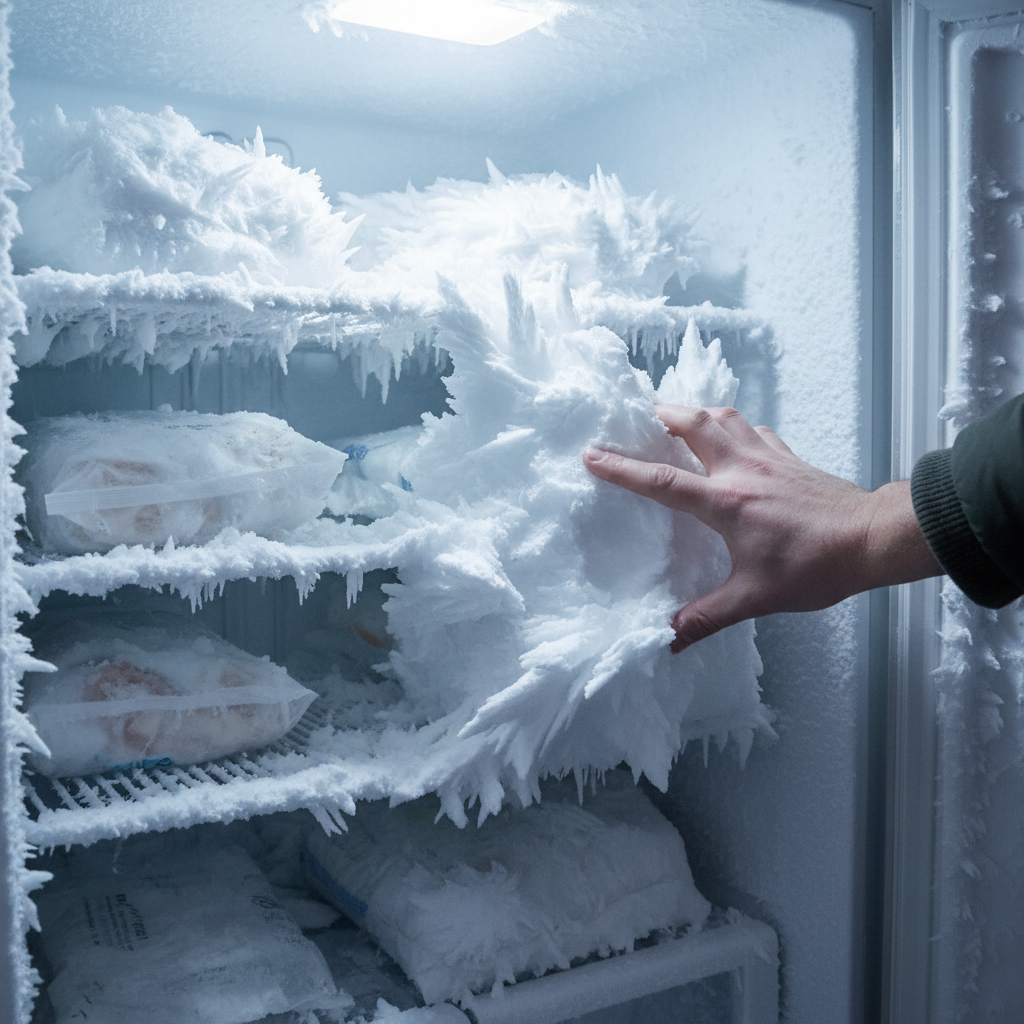
A compromised seal can be caused by age, wear and tear, or even food debris getting stuck in it. Over time, the rubber or vinyl material can lose its elasticity, making it unable to form a tight seal. This continuous influx of warm, humid air is a primary driver of persistent frost.
Frequent Door Opening or Long Periods of Being Open
Every time you open your freezer door, warm, humid air from your kitchen rushes in. While this is unavoidable to some extent, frequently opening the door, leaving it ajar for extended periods while you search for items, or not closing it firmly can introduce a significant amount of moisture. This moisture then condenses and freezes on the colder surfaces inside the freezer, especially on the walls, shelves, and evaporator coils, leading to rapid frost build-up.
Think of it like breathing on a cold window pane – the moisture in your breath instantly fogs it up. The same principle applies to your freezer, but with freezing consequences.
Too Much Humidity in the Room
The ambient humidity level in your kitchen or utility room can also play a significant role. If you live in a particularly humid climate, or if your kitchen frequently experiences high humidity (perhaps from cooking, dishwashing, or a lack of ventilation), the air entering your freezer will carry more moisture. This higher moisture content means more water vapor available to condense and freeze, even with a perfectly functioning door seal and reasonable door opening habits.
Areas near the coast or regions with hot, sticky summers are particularly prone to this issue, making consistent freezer maintenance even more critical.
Improper Food Storage
How you store food in your freezer can directly contribute to frost. Placing warm or hot food directly into the freezer causes a sudden temperature spike and releases a lot of moisture into the cold air. This moisture then freezes. Similarly, uncovered food or food stored in containers that aren’t airtight allows moisture from the food itself to escape and condense as frost.
Even foods with high water content, when not properly sealed, can contribute to the overall humidity inside the freezer, making it a more fertile ground for frost formation.
A Faulty Defrost System
Most modern freezers are “frost-free,” meaning they have an automatic defrost system designed to melt away frost build-up periodically. This system typically consists of a defrost timer, a defrost heater, and a defrost thermostat. If any of these components malfunction, the freezer won’t be able to cycle through its defrost process effectively, leading to a relentless accumulation of ice.
- Defrost Timer: If it fails, the defrost cycle won’t initiate.
- Defrost Heater: If it burns out, it won’t melt the ice.
- Defrost Thermostat: If it’s faulty, it might not activate the heater or might keep it on too long/short.
When the defrost system isn’t working, frost will often accumulate heavily on the evaporator coils, reducing cooling efficiency and eventually leading to a complete breakdown of the freezing function.
Clogged Drain Tube
During the automatic defrost cycle, the melted water needs a place to go. It typically drains through a tube at the back of the freezer, leading to a drain pan where it evaporates. If this drain tube becomes clogged with ice, food particles, or debris, the melted water has nowhere to go. It will then refreeze, often in the bottom of the freezer compartment or within the drain tube itself, causing blockages and eventually leading to significant ice build-up.
A tell-tale sign of a clogged drain tube might be a puddle of water at the bottom of your freezer that eventually freezes over, or ice building up along the back wall.
Overpacking or Underpacking Your Freezer
Believe it or not, the amount of food in your freezer can affect frost build-up. An overpacked freezer restricts airflow, which is essential for maintaining consistent temperatures and allowing the defrost system to work effectively. “Hot spots” can develop, and the freezer has to work harder, leading to more moisture intrusion and frost.
Conversely, an underpacked freezer can also be problematic. While it might seem counterintuitive, a freezer that’s too empty has more air space. This means more air to cool down every time the door is opened, making temperature fluctuations more pronounced and potentially leading to more condensation and frost.
How to Troubleshoot and Fix a Frosty Freezer
Once you’ve identified the potential causes, it’s time to take action. Here’s how to troubleshoot and fix a freezer that’s constantly frosting over.
Check and Test the Door Seal
This is often the easiest fix. To test your door seal, try the “dollar bill test”:
- Open the freezer door and place a dollar bill halfway in, so part of it is inside the freezer and part is outside.
- Close the door firmly, trapping the dollar bill.
- Try to pull the dollar bill out. If it slides out easily, the seal is likely weak at that spot.
- Repeat this test around the entire perimeter of the door.
If you find weak spots, first try cleaning the gasket thoroughly with warm, soapy water. Food debris or grime can prevent a proper seal. If cleaning doesn’t help or the seal is visibly damaged, stiff, or cracked, it’s time for a replacement. Many freezer gaskets are relatively easy to replace yourself; you can often find replacement parts online by searching for your freezer’s make and model number.
Adjust Temperature Settings
Ensure your freezer is set to the optimal temperature, which is 0°F (-18°C) or lower. If the temperature is set too high, food might not freeze properly, and the appliance might struggle, leading to more defrost cycles and potential frost issues. Conversely, setting it too low can also make it work harder and consume more energy, without necessarily preventing frost caused by air leaks.
Improve Food Storage Habits
Simple changes in how you store food can make a big difference:
- Always allow hot or warm food to cool completely to room temperature before placing it in the freezer.
- Use airtight containers, freezer bags, or heavy-duty foil/plastic wrap to seal all food items. This prevents moisture escape and freezer burn.
- Organize your freezer so you can quickly find what you need, minimizing the time the door is open.
Perform a Manual Defrost
If frost build-up is already significant, the quickest way to get a fresh start is a manual defrost. This should be done carefully to avoid damaging your appliance or making a mess.
- Unplug the Freezer: Safety first! Never attempt to defrost with the freezer still plugged in.
- Remove All Contents: Transfer frozen food to a cooler with ice packs to keep it frozen.
- Place Towels: Lay down towels or old newspapers inside and around the freezer to catch melting water.
- Speed Up Melting (Optional): You can place bowls of hot water inside the freezer (on a trivet) to help speed up the melting process. Never use sharp objects to chip away ice, as this can damage the freezer’s interior or coils.
- Clean: Once all the ice has melted, wipe down the interior with a clean cloth and a mild detergent solution. Dry thoroughly.
- Power On: Plug the freezer back in and allow it to reach its set temperature before returning food.
Clear the Drain Tube
A clogged drain tube requires attention. Locate the drain tube, which is usually at the back of the freezer compartment, often accessible from the rear of the appliance or underneath the kickplate. You may need to remove some panels. Once located, you can try to clear it using a turkey baster filled with warm water and a little baking soda, gently flushing it through. A pipe cleaner or a long, thin brush can also help dislodge any blockages. Ensure the water flows freely into the drain pan.
Inspect the Defrost System (If Frost-Free)
If your freezer is “frost-free” and still experiencing significant icing, a component of the automatic defrost system might be faulty. This often requires a more technical diagnosis. You might hear the fan running constantly, or the freezer might be warm inside despite thick ice. Identifying a broken defrost timer, heater, or thermostat usually involves using a multimeter and accessing the components, which can be challenging for the average homeowner.
Preventing Future Frost Build-Up
The best way to deal with a frosty freezer is to prevent the problem from occurring in the first place. Adopting a few good habits can save you time, energy, and potential repair costs.
Regular Maintenance Checks
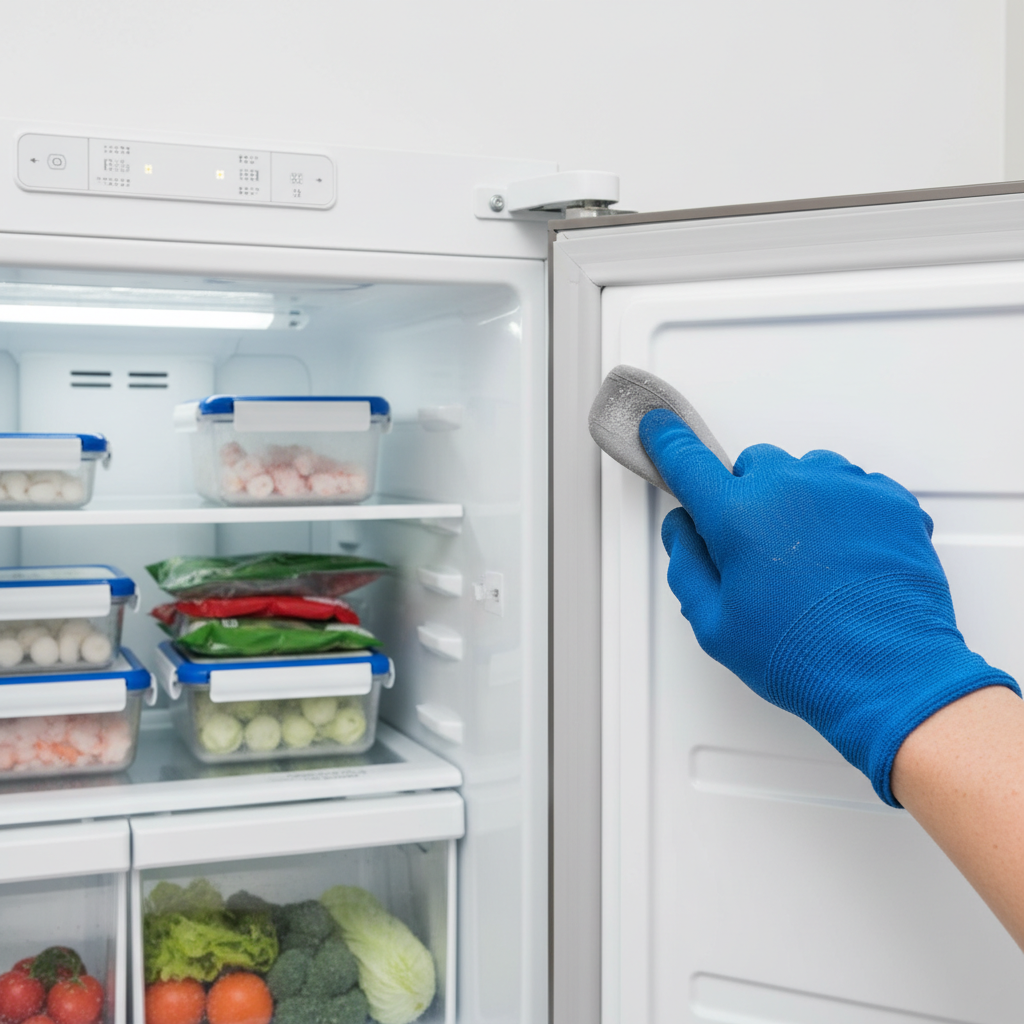
Make it a habit to regularly inspect your freezer’s door seals. Clean them periodically with warm, soapy water to remove any grime or food particles that might be preventing a tight seal. A clean and supple gasket will last longer and perform better. You can find more comprehensive appliance maintenance tips from experts like Good Housekeeping to keep all your kitchen equipment in top shape.
Mind Your Opening Habits
Consciously try to minimize the time your freezer door is open. Think about what you need before you open it. If you’re stocking up, try to do it all at once rather than multiple trips. Organizing your freezer with bins and labels can help you quickly locate items, reducing the time the door is ajar.
Optimize Food Placement and Preparation
- Ensure all food items are properly sealed in airtight containers or freezer bags.
- Cool down hot foods completely before freezing.
- Avoid overpacking the freezer, as this obstructs airflow. However, a relatively full freezer works more efficiently than an empty one, so aim for about 75% capacity for optimal performance and less frost.
- Leave some space between items for air to circulate freely.
Control Kitchen Humidity
If high ambient humidity is a significant factor in your home, consider strategies to reduce it in your kitchen. Use exhaust fans when cooking or running the dishwasher. A dehumidifier can be effective in particularly damp climates. Ensuring good ventilation can help keep your entire home, including your kitchen, at a more stable humidity level.
When to Call a Professional
While many frost-related issues can be DIY fixes, some problems are best left to the experts. You should consider calling a professional appliance repair technician if:
- You suspect a faulty defrost system (heater, timer, or thermostat) and don’t feel comfortable diagnosing or replacing these electrical components yourself.
- The issue persists despite trying all the above troubleshooting steps.
- You notice any unusual noises, smells, or signs of electrical issues.
- The freezer isn’t getting cold enough, indicating a potential refrigerant leak or compressor problem.
Ignoring persistent issues can lead to higher energy bills, spoiled food, and potentially more expensive repairs down the line. A professional can quickly and safely diagnose and fix complex internal problems.
Frequently Asked Questions
Why does my freezer get ice build-up so fast?
Rapid ice build-up is typically caused by excessive warm, moist air entering the freezer. The most common reasons include a damaged or improperly sealed door gasket, frequent or prolonged door openings, placing warm food inside, or a combination of these factors. In “frost-free” models, a malfunctioning automatic defrost system is a major culprit.
Is a little frost in the freezer normal?
A very thin, light layer of frost, especially on the inside of the door or around air vents, can be normal over time, particularly in manual defrost freezers. However, if you see a visible accumulation of ice that’s thicker than about a quarter of an inch, or if it’s developing rapidly, it’s generally an indication of an issue that needs attention.
Can a faulty freezer cause a fire?
While uncommon, a faulty freezer, like any electrical appliance, can pose a fire risk. Electrical shorts, damaged wiring, or overheating components within the compressor or defrost system can potentially lead to a fire. Overworked components due to excessive frost forcing the freezer to run constantly can also be a risk factor. If you notice strange burning smells, sparking, or unusual noises, unplug the unit immediately and call a professional technician.
How often should I defrost my freezer?
For manual defrost freezers, you should defrost when the ice build-up reaches about a quarter to half an inch thick. For “frost-free” models, you typically shouldn’t need to manually defrost at all, as the appliance handles it automatically. If your “frost-free” freezer requires manual defrosting due to excessive ice, it indicates a problem with its internal defrost system that needs repair.
A well-maintained, frost-free freezer is not just about convenience; it’s about energy efficiency, food safety, and the longevity of your appliance. By understanding why your freezer keeps frosting over and knowing how to address these issues, you can keep your appliance running smoothly and your frozen goods perfectly preserved for years to come. A little proactive maintenance goes a long way in preventing an icy headache.