There’s nothing quite as frustrating as loading up your dishwasher, adding the detergent, and pressing start, only to find that your dishwasher door won’t stay closed. This common household dilemma can disrupt your kitchen routine, leaving you with a sink full of dirty dishes and a nagging question: “What’s wrong?” While it might seem like a major problem, often the solution is simpler than you think. From minor obstructions to mechanical wear and tear, several factors can prevent your dishwasher door from securely latching. Understanding these potential culprits and how to address them can save you time, money, and the hassle of hand-washing. This guide will walk you through the most common reasons why your dishwasher door won’t stay closed and provide practical troubleshooting steps to get your appliance back in working order.
Understanding the Mechanics of Your Dishwasher Door
Before diving into specific issues, it’s helpful to understand the basic components that allow your dishwasher door to open, close, and latch properly. These typically include:
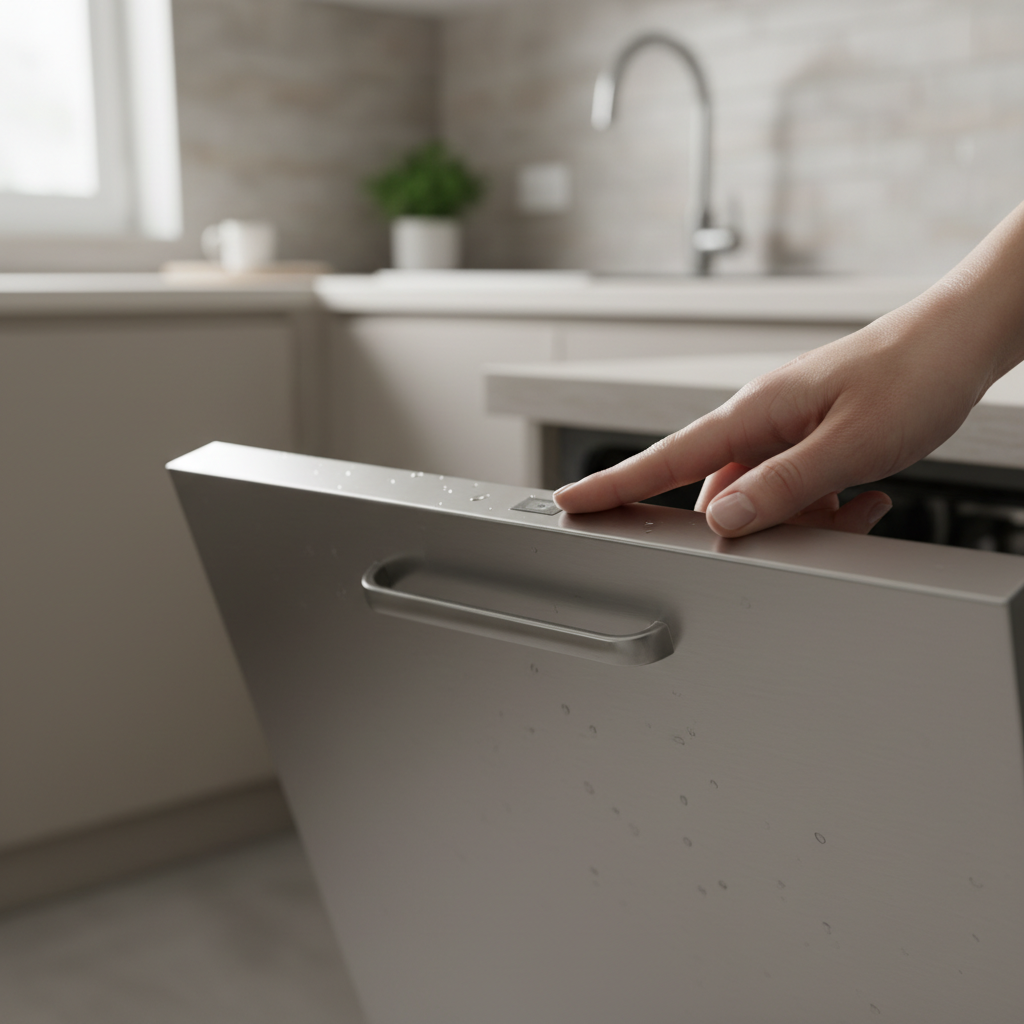
- The Latch Mechanism: This is the primary component responsible for holding the door shut. It usually consists of a latch on the door and a strike plate on the dishwasher frame. When the door closes, the latch engages with the strike plate, securing the door.
- Door Hinges: These metal components allow the door to pivot smoothly. They are crucial for proper alignment and support the weight of the door.
- Door Springs and Cables: Many dishwashers use a spring and cable system (often located underneath the dishwasher, accessible by removing the kick plate) to provide tension. This system helps balance the door’s weight, allowing it to open and close smoothly and stay in any position (e.g., halfway open) without slamming shut or falling open completely.
- Gasket/Seal: A rubber or silicone gasket lines the perimeter of the dishwasher opening. Its purpose is to create a watertight seal when the door is closed, preventing leaks during operation.
Common Reasons Your Dishwasher Door Won’t Stay Closed
Let’s explore the most frequent causes behind a stubborn dishwasher door.
1. Issues with the Door Latch Assembly
The latch is the most common point of failure. It’s a small but critical component.
- Worn or Broken Latch: Over time, the plastic or metal components of the latch can wear down, crack, or break. This prevents it from securely engaging with the strike plate.
- Misaligned Latch or Strike Plate: The latch on the door might not be perfectly aligning with the strike plate on the dishwasher’s frame. This could be due to minor shifting of the appliance, loose mounting screws, or warping of the door itself.
- Door Latch Switch Failure: Many dishwashers have a safety switch integrated into the latch mechanism. This switch must be activated (meaning the door is fully closed) for the dishwasher to start. If the switch is faulty, it might prevent the latch from fully engaging or give a false signal that the door isn’t closed, even if it appears to be.
2. Problems with the Door Hinges or Springs
These components are vital for the door’s structural integrity and movement.
- Broken or Stretched Door Springs: The springs provide tension to the door. If one or both springs break or stretch out, the door might not have enough resistance to stay closed, often feeling heavy or dropping quickly when opened. This is especially noticeable if the door doesn’t stay in an open, partially-closed position.
- Damaged Hinge Mechanism: The hinges themselves can become bent, corroded, or loose. This can lead to the door sagging or not closing squarely, preventing the latch from engaging properly.
- Broken Hinge Cables: Some dishwashers use cables connected to the springs to facilitate door movement. If these cables snap or become detached, the door will lose its counterbalancing tension.
3. Obstructions or Loading Issues
Sometimes, the simplest explanations are the correct ones.
- Dishes or Utensils Blocking the Door: A tall plate, a stray utensil, or an oversized pot can physically prevent the door from closing completely, even if it’s just by a millimeter.
- Improper Rack Alignment: If the upper or lower racks aren’t pushed in all the way or are misaligned, they can protrude enough to interfere with the door’s closing path.
4. Warped Door or Gasket Issues
The door itself or its seal can be the problem.
- Damaged or Warped Door Gasket: The rubber or silicone gasket around the dishwasher’s opening can become stiff, cracked, torn, or warped over time. A compromised gasket can prevent the door from forming a tight seal, and in some cases, it might even push the door open slightly if it’s no longer flexible enough to compress properly.
- Warped Dishwasher Door: Though less common, the door itself can become slightly warped, especially if it’s made of plastic or has been exposed to excessive heat. A warped door won’t sit flush against the dishwasher frame, making it impossible to latch securely.
5. Dishwasher Not Level
A simple installation oversight can cause complex problems.
- Uneven Installation: If the dishwasher is not perfectly level, its frame can twist slightly, misaligning the door and latch. This can prevent the door from closing squarely and engaging the latch. You can check this with a spirit level placed on the top edge of the open door or the dishwasher’s interior tub.
Troubleshooting Steps: How to Fix a Dishwasher Door That Won’t Stay Closed
Before calling a professional, try these DIY diagnostic and repair steps.
Step 1: Check for Obstructions
This is the easiest and often overlooked first step.
- Empty the Dishwasher: Remove all dishes and racks.
- Inspect the Door’s Path: Close the door slowly and carefully. Look for any item – a dish, a cutlery piece, or even a piece of food debris – that might be preventing it from closing fully. Pay close attention to the edges and corners.
- Check Racks: Ensure both upper and lower racks are pushed all the way in and are properly seated on their runners. Wiggle them to confirm they aren’t sticking out.
Step 2: Examine the Door Latch and Strike Plate
A visual inspection can often reveal the problem.
- Locate the Latch: The latch is usually on the top edge of the dishwasher door. The strike plate is on the top of the dishwasher tub opening.
- Inspect for Damage: Look for visible signs of wear, cracks, chips, or broken pieces on both the latch mechanism and the strike plate. If it’s plastic, it might be brittle.
- Check for Debris: Sometimes, dried food, detergent residue, or other grime can build up in the latch mechanism, preventing it from moving freely. Clean it thoroughly with a small brush or toothpick.
- Test Latch Engagement: With the door open, manually try to engage the latch (if possible) to see if it moves freely and snaps into place.
- Tighten Screws: Check if the screws holding the latch or strike plate in place are loose. Tighten them carefully, but don’t overtighten, especially if they are plastic.
- Adjust Strike Plate (if applicable): Some strike plates have slots that allow for minor adjustment. Loosen the screws slightly, adjust the plate a tiny bit, and re-tighten. Test the door closure.
Step 3: Assess the Door Gasket/Seal
The gasket’s condition is crucial for both sealing and proper closure.
- Visual Inspection: Open the door and carefully inspect the entire rubber or silicone gasket around the perimeter of the dishwasher opening. Look for any tears, cracks, hardened spots, warping, or signs of mold or mildew.
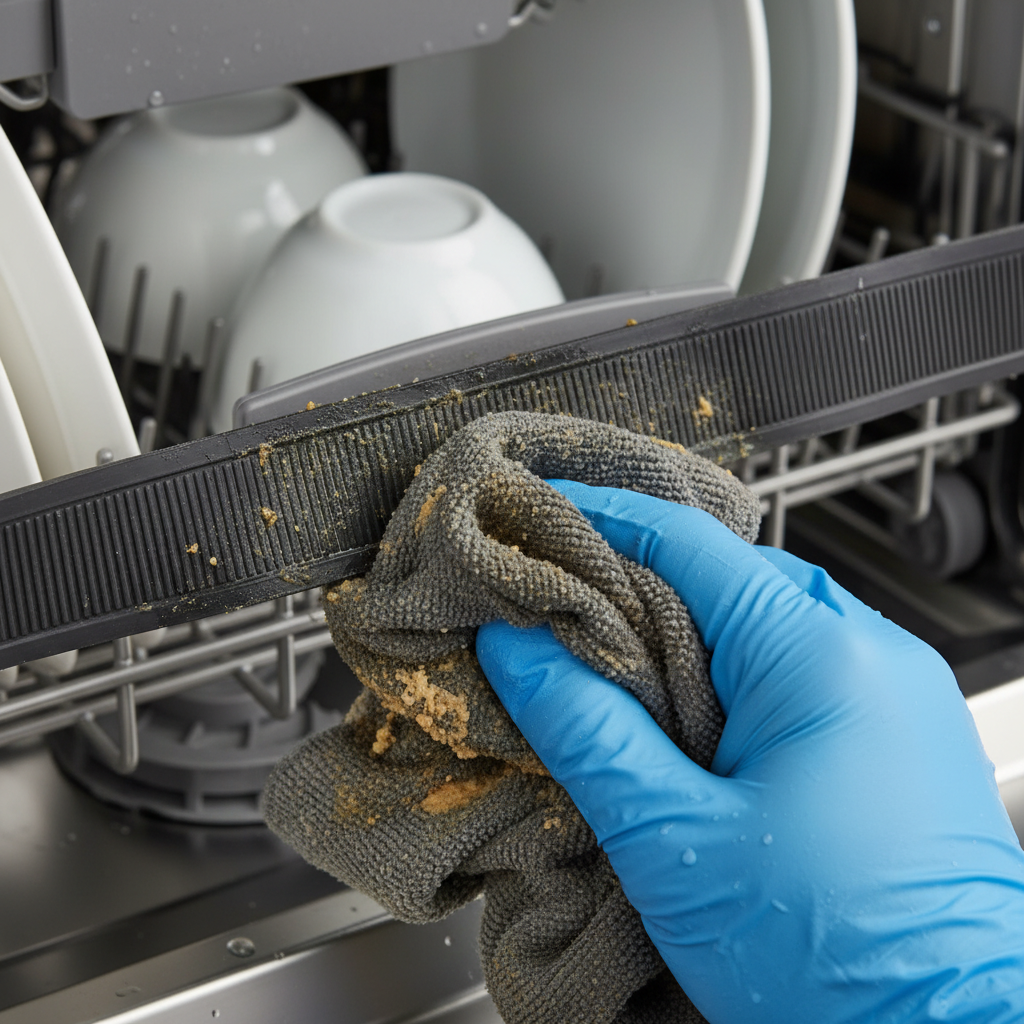
- Clean the Gasket: Use a damp cloth and mild detergent to clean off any food particles, grease, or residue that might be making the gasket sticky or preventing a proper seal. For stubborn grime, a soft brush can help.
- Test Flexibility: Gently press along the gasket. It should be pliable and spring back. If it feels hard, brittle, or doesn’t compress easily, it might need replacement.
- Reshape (Temporary Fix): For minor warping, you might try gently warming the gasket with a hairdryer on a low setting for a minute or two and then carefully reshaping it with your hands while it’s warm. Be extremely cautious not to overheat or melt the rubber.
Step 4: Inspect the Door Hinges and Springs
This step often requires pulling the dishwasher out or removing the kick plate.
- Open the Door Fully: Observe how the door moves. Does it feel unusually heavy? Does it drop quickly instead of holding its position? This often indicates a spring or cable issue.
- Access the Springs/Cables: Most dishwashers have their door springs and cables located underneath the unit, behind the kick plate (the panel at the very bottom front). You’ll typically need to remove a few screws to access this area.
- Examine Springs and Cables: Look for broken, stretched, or detached springs. Check if the cables are frayed or disconnected from either the door or the spring mechanism.
- Check Hinge Condition: While you’re under there, inspect the hinges where they connect to the dishwasher body. Look for bends, cracks, or excessive wear. Ensure all screws are tight.
- Repair/Replace: If a spring or cable is broken, it will need to be replaced. This can be a DIY job for the mechanically inclined, but extreme caution is advised as springs are under tension. Always consult your appliance’s service manual for specific instructions.
Step 5: Check Dishwasher Leveling
An unleveled appliance can cause subtle but significant problems.
- Use a Level: Place a spirit level on the top edge of the open dishwasher door or inside the dishwasher tub itself (across both the front-to-back and side-to-side dimensions).
- Adjust Leveling Feet: If the dishwasher is not level, you’ll need to adjust its leveling feet. These are usually located at the bottom corners of the unit. You might need to pull the dishwasher out from under the counter to access the rear feet. Most feet can be adjusted by turning them clockwise or counter-clockwise to raise or lower that corner.
- Re-Test: Once adjusted, push the dishwasher back into place, re-level, and test the door closure.
When to Call a Professional Appliance Repair Technician
While many dishwasher door issues can be resolved with DIY troubleshooting, some problems are best left to the experts. Consider calling a professional if:
- You Suspect Electrical Issues: If the problem seems related to the door latch switch and you’re not comfortable working with electrical components.
- The Problem is Complex: Issues involving significant structural damage to the door, tub, or internal components are best handled by trained technicians.
- You Don’t Have the Right Tools or Expertise: Some repairs, especially those involving springs under tension or complex disassemblies, require specific tools and knowledge to perform safely and correctly.
- After Trying All Troubleshooting Steps: If you’ve diligently worked through all the above steps and your dishwasher door still won’t stay closed, it’s time to get a professional diagnosis.
A professional can quickly identify the root cause, order the correct replacement parts, and ensure the repair is done safely and effectively. While there’s a cost involved, it often outweighs the potential risks and frustration of incorrect DIY repairs.
Preventative Maintenance for Your Dishwasher Door
A little regular care can go a long way in preventing future door closure issues.
- Load Properly: Always ensure dishes and utensils are loaded correctly and do not obstruct the door’s closing path. Avoid overfilling the dishwasher.
- Clean the Gasket Regularly: Wipe down the door gasket with a damp cloth and mild detergent once a month to remove food particles and residue. This keeps it flexible and prevents buildup.
- Inspect the Latch: Periodically check the latch for any signs of wear or debris. Clean it if necessary.
- Gentle Closing: Avoid slamming the dishwasher door. Gentle, consistent closing helps preserve the integrity of the latch, hinges, and springs.
- Check Leveling: If you notice any shaking or shifting of your dishwasher, check its leveling every so often, especially if it’s an older appliance or you’ve recently moved it.
Frequently Asked Questions About Dishwasher Door Closure
Q1: Can I still use my dishwasher if the door doesn’t stay closed?
No, you should absolutely not operate your dishwasher if the door doesn’t stay securely closed. This can lead to serious leaks, water damage to your kitchen floor and cabinets, and potentially an electrical hazard. The door latch is a safety mechanism, and the dishwasher is designed not to run unless it senses the door is fully closed and latched.
Q2: How much does it cost to fix a dishwasher door latch or springs?
The cost can vary significantly depending on the specific part, your dishwasher model, and whether you do it yourself or hire a professional. A replacement latch part might cost anywhere from $20 to $100. Springs and cables could be in a similar range. If you hire a professional, you’ll also incur labor costs, which can range from $100 to $300 or more per visit, depending on your location and the complexity of the repair.
Q3: Why is my new dishwasher door hard to close?
A new dishwasher door might be stiff or hard to close for a few reasons. It could be that the door gasket is new and hasn’t softened or compressed yet – this usually improves with use. It could also be that the dishwasher isn’t perfectly level, causing slight misalignment. Rarely, it might indicate a manufacturing defect or improper installation. Check the leveling first, and if it persists, contact the installer or manufacturer.
Q4: How do I know if my dishwasher hinges are broken?
Signs of broken or damaged hinges include the door feeling very heavy, drooping or sagging when opened, not closing squarely, or making grinding noises when opening or closing. You might also see visible cracks or bends in the hinge mechanism itself if you can access it.
Q5: Is it safe to try fixing the dishwasher door myself?
Many minor issues, like clearing obstructions, cleaning the gasket, or tightening screws, are safe for a DIY approach. However, if you need to replace parts like the latch, springs, or cables, ensure you turn off the power to the dishwasher at the circuit breaker first. If you’re dealing with electrical components, or if you’re uncomfortable with the repair, it’s always safer to consult a qualified technician.
Conclusion
A dishwasher door that won’t stay closed is more than just an inconvenience; it’s a barrier to a clean kitchen and can even be a safety concern. By systematically troubleshooting the common culprits – from simple obstructions and worn latches to more complex hinge or spring issues – you can often diagnose and resolve the problem yourself. Remember to always prioritize safety by unplugging the appliance before any repair work. Regular maintenance, such as proper loading and cleaning the door gasket, can help extend the life of your dishwasher and keep its door operating smoothly for years to come. If you’ve explored all the DIY options and the door remains uncooperative, don’t hesitate to reach out to a professional appliance repair service for expert assistance. Your sparkling clean dishes (and peace of mind) are worth the effort!