There’s nothing quite as frustrating as stepping into your bathroom, flipping the switch, and being met with silence from the fan and darkness from the light. A bathroom fan and light losing power simultaneously can be more than just an inconvenience; it can indicate an underlying electrical issue that needs attention. Beyond the obvious comfort factor, a functional bathroom fan is crucial for ventilation, preventing mold and mildew growth, and maintaining air quality. When both components go out at once, it points to a shared problem within their electrical circuit rather than an isolated bulb or fan motor failure. This comprehensive guide will walk you through the common culprits behind this frustrating issue, equip you with step-by-step troubleshooting methods, and help you determine when it’s time to call in a professional.
Unpacking the Core Issues: Why Your Bathroom Fan and Light Lose Power
When your bathroom fan and light stop working in tandem, it strongly suggests a problem affecting the entire circuit or a shared component. Understanding the potential causes is the first step toward diagnosing and resolving the issue.
The Silent Sentinel: Your Circuit Breaker
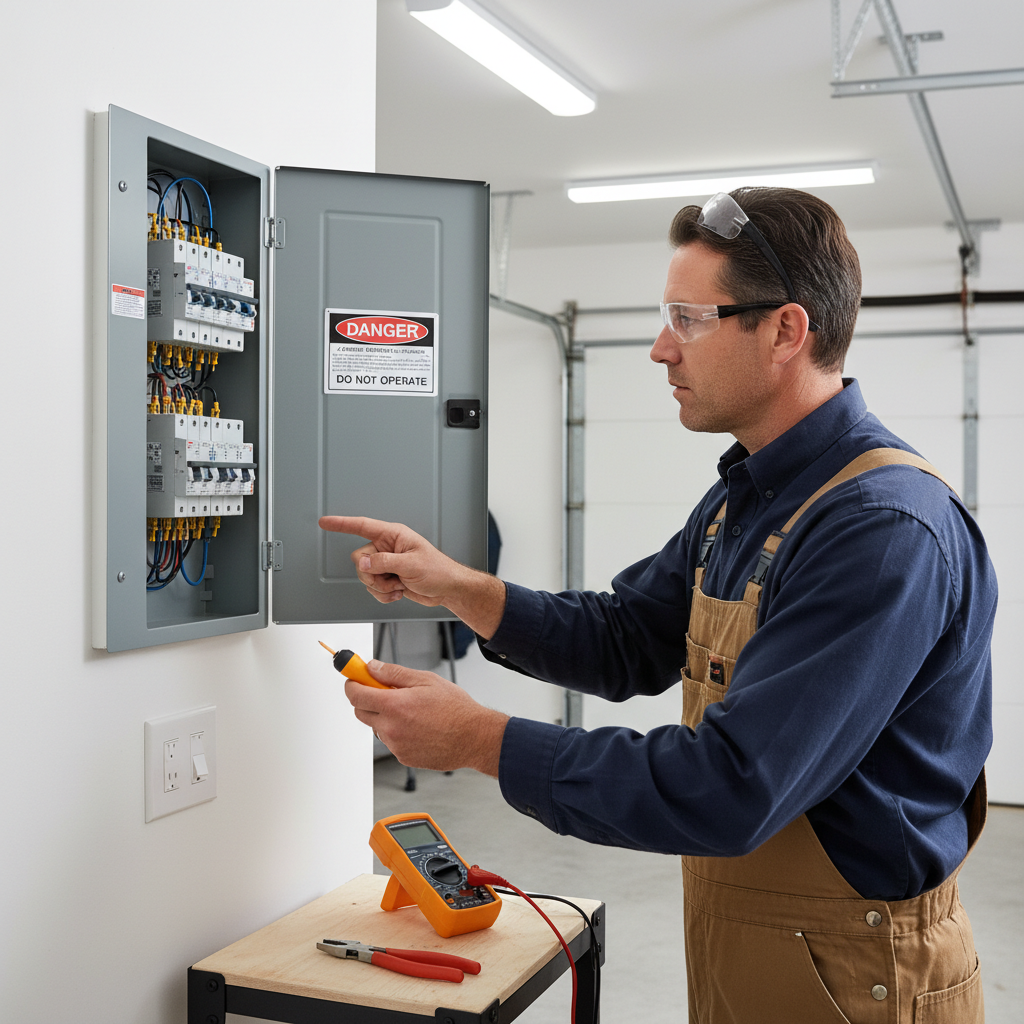
One of the most common reasons for a sudden loss of power to any electrical fixture is a tripped circuit breaker. Circuit breakers are safety devices designed to protect your home’s wiring from overloads and short circuits. If too much current flows through a circuit (perhaps due to multiple high-wattage appliances running simultaneously or a fault in the wiring), the breaker will “trip,” cutting off power to that circuit to prevent damage or fire. For a bathroom fan and light, a tripped breaker often means they share a circuit with other bathroom outlets or even parts of an adjacent room.
The Invisible Network: Wiring Woes
Electrical wiring within walls and connection boxes can degrade, become loose, or get damaged over time. A loose wire connection at the switch, within the fixture itself, or in the junction box powering the bathroom can interrupt the electrical flow. Rodents can chew through wires, moisture can corrode connections, or simply vibrations can loosen terminals. Since both the fan and light rely on the same wiring run, a problem here would affect both.
The Control Point: A Faulty Switch
The wall switch is the gateway for power to your fan and light. If the switch itself is faulty, it won’t allow electricity to pass through, resulting in no power to either fixture. Over time, internal components of a switch can wear out, contacts can become corroded, or the switch mechanism can simply break. This is a very common point of failure for fixtures that are used frequently.
Bulb Blight and Fan Fatigue: Individual Component Failure (But Together?)
While it’s rare for both the light bulb and the fan motor to fail simultaneously and independently, it’s worth considering if one might have caused a surge that affected the other. More likely, if both are out, the issue isn’t with the individual components themselves, but with the power supply reaching them. However, a light fixture might have a burnt-out bulb, and the fan motor could have seized, but if the *power* is truly out to both, look elsewhere first.
The Water Factor: Moisture and Corrosion
Bathrooms are inherently damp environments. Constant exposure to moisture and humidity can lead to corrosion of electrical contacts, wires, and even internal components of the fan and light unit. This corrosion can disrupt the flow of electricity, causing intermittent or complete power loss. If you notice rust or water stains around your fan or light, moisture ingress is a strong suspect.
Beyond the Basics: Other Potential Causes
- GFCI Outlet Trip: While less common for permanently wired fans and lights, if your bathroom fan and light are somehow connected to a GFCI (Ground Fault Circuit Interrupter) protected outlet (e.g., if the circuit includes GFCI outlets elsewhere in the bathroom), a GFCI trip will cut power. This is a safety feature against electrical shock.
- Age and Wear and Tear: Electrical components, like anything else, have a lifespan. Over decades, wires, switches, and even the internal wiring of the fan/light unit can simply wear out, leading to intermittent power issues or complete failure.
- Loose Terminal Screws: Inside the junction box where the fixture connects to the home’s wiring, terminal screws can sometimes loosen, particularly if they weren’t tightened sufficiently during installation or due to thermal expansion and contraction over time.
Systematic Troubleshooting: A Step-by-Step Guide to Restoring Power
Before you call an electrician, there are several troubleshooting steps you can safely perform to identify the source of the problem. Remember, electrical work can be dangerous, so always prioritize safety.
Step 1: Safety First – Power Down!
This is the most critical step. Before attempting any inspection or repair involving the fan, light, or switch, you must cut power to the affected circuit. Go to your home’s main electrical panel (breaker box) and locate the breaker that controls your bathroom. Flip it to the “OFF” position. If your breakers aren’t labeled, you might need to turn off the main breaker for your entire home, or carefully flip breakers one by one until the fan/light is confirmed off. Test the switch with a non-contact voltage tester to ensure the power is indeed off before proceeding.
Step 2: Check the Circuit Breaker
Once power is off to the area, visually inspect your circuit breaker panel. Look for a breaker that is in the “TRIPPED” position. This usually means it’s halfway between “ON” and “OFF” or fully “OFF.” To reset a tripped breaker, push it firmly to the “OFF” position first, then firmly back to the “ON” position. If it immediately trips again, there’s an ongoing issue (like a short circuit or overload), and you should not force it back on. This indicates a deeper problem that may require professional help. If it stays on, go back to the bathroom and test the fan and light.
Step 3: Test Other Outlets and Lights on the Same Circuit
If resetting the breaker didn’t work, or if no breaker was tripped, try to determine if other outlets or lights in the bathroom or adjacent rooms are also without power. This helps confirm whether the entire circuit is dead or if the problem is isolated to just the fan and light. If other fixtures on the same circuit are working, the issue is likely localized to the fan/light unit or its switch.
Step 4: Inspect the Light Bulb
Even though it’s rare for both to fail, start with the simplest fix for the light. Carefully remove the light cover and unscrew the light bulb. Inspect it for any visible signs of damage, such as a broken filament or darkened glass. Replace it with a new, working bulb of the correct wattage. Turn the power back on and test. If the light comes on but the fan doesn’t, you’ve narrowed the problem down to the fan unit itself.
Step 5: Examine the Fan Unit
With the power OFF at the breaker:
- Remove the Fan Cover: Pull down or unclip the cover to expose the fan motor and wiring.
- Clean the Fan: A heavily clogged fan motor can overheat and eventually fail or cause a breaker to trip. Use a vacuum cleaner attachment or a damp cloth to remove dust and debris from the fan blades and motor housing. A clean fan operates more efficiently and can prevent overheating issues.
- Check for Obstructions: Ensure nothing is physically blocking the fan blades from spinning freely.
- Inspect Wiring at the Unit: Visually check the wiring connections leading into the fan and light unit. Look for any loose wires, burnt insulation, or signs of corrosion. Gently tug on the wires to ensure they are securely seated in their connectors.
- Motor Check (Optional): If you can access it, try to gently spin the fan blades by hand. If they are stiff or won’t move, the motor may be seized, indicating a need for fan unit replacement.
Once you’ve inspected and cleaned, put the cover back on, turn the power back on, and test.
Step 6: Testing the Wall Switch
If the above steps haven’t yielded a solution, the wall switch is a prime suspect.
- Power OFF: Absolutely ensure the power to the circuit is off at the breaker.
- Remove Switch Plate: Unscrew the cover plate of the switch.
- Pull Out the Switch: Carefully unscrew the two screws holding the switch to the electrical box and gently pull the switch out, exposing the wiring behind it. Do NOT touch any wires yet.
- Visual Inspection: Look for any loose wires, frayed insulation, or signs of burning or melting around the switch terminals.
- Continuity Test (Requires Multimeter): If you have a multimeter and know how to use it, you can test the switch for continuity. With the power off and the switch disconnected from the circuit (you might need to temporarily disconnect wires from the switch, remembering their positions), set your multimeter to the continuity setting. Touch one probe to one terminal screw and the other probe to the opposite terminal screw. When you flip the switch to “ON,” the multimeter should show continuity (a beep or a low resistance reading). When you flip it to “OFF,” it should show no continuity (no beep or infinite resistance). If it doesn’t behave this way, the switch is faulty and needs replacement.
If you’re uncomfortable testing with a multimeter or see any signs of damage, it’s safer to replace the switch or call an electrician.
Step 7: Inspect Wiring Connections (Extreme Caution)
This step requires a higher level of comfort with electrical work and should only be attempted by those who are confident in their abilities and have ensured power is OFF.
- Power OFF: Reiterate: power MUST be off.
- Check Junction Boxes: If you have access to the junction box where the bathroom fan/light circuit originates or where the wires connect, open it (after confirming power is off).
- Look for Loose Connections: Inspect all wire nuts and terminal connections. Gently tug on wires to ensure they are secure. If any are loose, carefully re-strip and re-connect them securely with new wire nuts if necessary. Look for signs of corrosion or arcing.
If you find significant damage, loose connections that you’re unsure how to fix, or wiring that looks compromised, it’s time to call in an expert.
When to Call a Professional Electrician
While many electrical issues can be tackled by a competent DIYer, there are clear instances where professional help is not just recommended, but essential for safety and proper function. You should contact a licensed electrician if:
- Breaker Keeps Tripping: If your circuit breaker repeatedly trips immediately after being reset, it indicates a serious problem like a short circuit or persistent overload that needs professional diagnosis.
- No Clear Cause: You’ve gone through all the troubleshooting steps, and you still can’t identify the source of the problem.
- Visible Wiring Damage: You observe burnt wires, melted insulation, or other clear signs of electrical damage. These are serious fire hazards.
- Uncomfortable with Electrical Work: If you feel uneasy or unqualified at any point during the troubleshooting process, don’t risk it. Electrical work can be dangerous, and incorrect repairs can lead to fire, shock, or further damage.
- Water Damage is Suspected: If there’s evidence of significant water intrusion near electrical components, a professional can assess the extent of the damage and ensure safety before power is restored.
- Old Wiring: If your home has very old wiring (e.g., knob-and-tube or ungrounded two-wire systems), any issues should be handled by an electrician who understands the intricacies and potential hazards of outdated electrical systems.
A licensed electrician has the tools, knowledge, and experience to safely diagnose and repair complex electrical problems, ensuring your home’s electrical system is up to code and safe for use. For more general electrical safety tips around the home, you might find this resource from Good Housekeeping helpful.
Preventative Measures: Keeping Your Bathroom Fan and Light Healthy
Once you’ve resolved the issue of your bathroom fan and light losing power, implementing some preventative maintenance can help avoid future headaches.
- Regular Cleaning: At least once a year, remove the fan cover and clean the fan blades, motor housing, and grille to prevent dust buildup. Dust can lead to motor overheating and reduced efficiency.
- Proper Ventilation Use: Always run your bathroom fan during and for at least 15-20 minutes after showers or baths to effectively remove moisture. This prevents humidity from accumulating and causing corrosion or mildew.
- Check for Leaks: Periodically inspect the ceiling around your fan and light for any signs of water stains, which could indicate a roof or plumbing leak that could damage electrical components.
- Address Minor Issues Promptly: Don’t ignore intermittent flickering lights or a fan that sounds unusually loud. These can be early warning signs of impending failure.
- Professional Electrical Check-up: Consider having a licensed electrician inspect your home’s electrical system every few years, especially if your home is older.
Frequently Asked Questions About Bathroom Fan and Light Issues
Q1: Can a dirty bathroom fan cause it to lose power?
Yes, indirectly. A severely dirty fan motor can become clogged with dust and debris, causing it to work harder, overheat, and eventually seize or trip a circuit breaker. While it might not directly cause the light to lose power, if they are on the same circuit, the fan’s failure can affect the entire circuit.
Q2: How do I know if my bathroom light switch is bad?
Signs of a bad switch include: the switch feeling loose or sticky, not clicking properly, visible scorching or burning around the switch, or if a multimeter test (performed with power off) shows no continuity when the switch is in the “ON” position. If only the light (or fan) is out and the other component is working on a dual switch, it could also indicate a fault within the switch’s individual terminals.
Q3: Is it safe to use the bathroom if the fan/light isn’t working?
If the only issue is that the fan and light aren’t working (i.e., no burning smell, smoke, or sparking), the bathroom is generally safe to use for short periods. However, prolonged use without proper ventilation can lead to mold and mildew growth due to humidity. If you suspect an electrical fault (like a tripping breaker), it’s best to avoid using that circuit entirely until it’s inspected.
Q4: How much does it cost to fix a bathroom fan and light that lost power?
The cost varies widely depending on the cause and whether you DIY or hire a professional. Replacing a switch or a bulb might only cost a few dollars for parts. A new fan/light unit can range from $50-$200+. Hiring an electrician for diagnosis and repair can cost anywhere from $100-$300 for a simple fix (like resetting a breaker or tightening a connection) up to several hundred dollars for more complex wiring issues or full unit replacement, plus the cost of parts.
Q5: What if only the fan is losing power, but the light works fine?
If only the fan isn’t working, the problem is likely localized to the fan unit itself. This could be a seized motor, a broken fan blade, or a loose wire connection specifically to the fan motor within the unit. The light working indicates power is reaching the fixture, ruling out a general circuit or switch problem affecting both components.
Conclusion
Dealing with a bathroom fan and light losing power can be a nuisance, but by systematically troubleshooting the problem, you can often identify and resolve the issue yourself. From checking your circuit breaker to inspecting wiring and switches, a logical approach ensures you address the most common causes first. Remember to always prioritize safety by turning off power at the breaker before any hands-on inspection. If you encounter complex wiring issues, persistent tripping breakers, or simply feel out of your depth, don’t hesitate to call a licensed electrician. Their expertise will ensure your bathroom’s essential ventilation and lighting are restored safely and efficiently, keeping your home comfortable and healthy.