The Critical Role of Your Bathroom Fan and Light
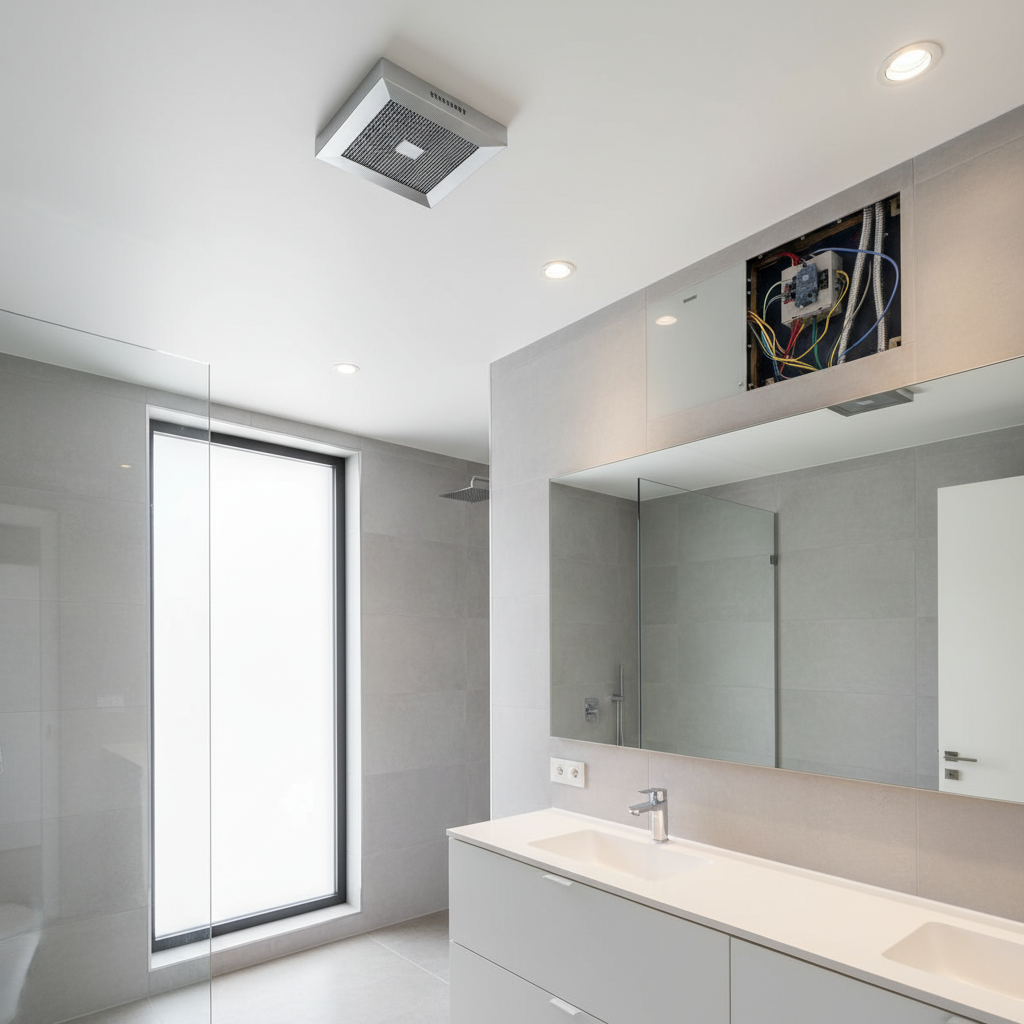
Before diving into troubleshooting, it’s important to appreciate why these two components are indispensable. Your bathroom light provides essential illumination, making daily routines like grooming, showering, and cleaning possible. The exhaust fan, however, plays an even more crucial role in maintaining your bathroom’s health and integrity. It removes excess moisture, steam, and odors, preventing the buildup of mold and mildew, protecting paint and drywall, and ensuring a more comfortable environment. When either or both begin failing, it’s not just an inconvenience; it can lead to bigger problems down the line, including structural damage and potential health hazards from poor air quality.
Common Culprits Behind Power Loss in Your Bathroom Fan and Light
Electrical issues can be elusive, but most problems with a bathroom fan and light losing power stem from a few common sources. Identifying the specific symptoms can often point you towards the likely cause.
1. Tripped Circuit Breaker
This is often the first and simplest explanation. A circuit breaker’s job is to protect your home’s wiring from overcurrents that could lead to overheating and fire. If too many devices are drawing power from a single circuit, or if there’s a short circuit somewhere, the breaker will “trip” and cut power to that entire circuit. Your bathroom’s fan and light are typically on the same circuit as other bathroom outlets and sometimes even other rooms.
2. Faulty GFCI Outlet
Ground Fault Circuit Interrupter (GFCI) outlets are essential safety devices found in bathrooms, kitchens, and other areas where water and electricity might mix. They’re designed to quickly cut power if they detect a current imbalance, indicating a potential ground fault that could cause a severe electric shock. If your bathroom has a GFCI outlet and it trips, it can cut power to everything downstream on that circuit, including your fan and light, even if they aren’t directly plugged into the GFCI outlet itself.
3. Loose Wiring Connections
Over time, due to vibrations, temperature changes, or improper installation, electrical wires can become loose. This can happen at various points:
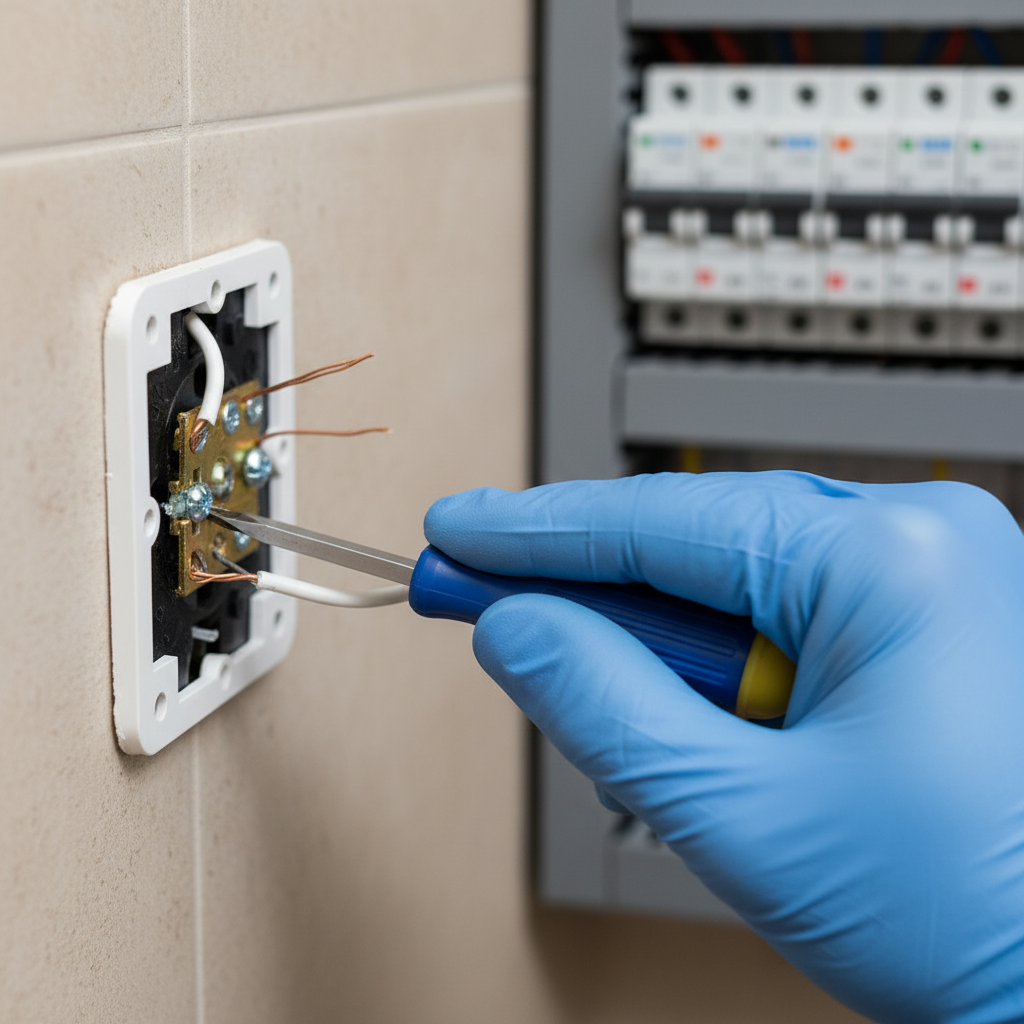
- At the wall switch: The wires connecting to the light and fan switch can loosen.
- At the fan/light unit: Connections within the housing of the fan or light fixture can become unstable.
- In a junction box: If there’s an intermediate junction box feeding power to the bathroom, connections there can also loosen.
- In the electrical panel: Less common for just one circuit, but connections to the breaker itself can sometimes loosen.
Loose connections can cause intermittent power loss, flickering lights, or complete outages.
4. The Switch Itself
The wall switch is a mechanical device, and like all mechanical devices, it can wear out or become faulty. Switches have internal contacts that can corrode, bend, or break, preventing power from flowing through. If only the fan or only the light is affected, but not both, a faulty switch is a strong possibility, especially if they are controlled by separate toggles on a dual switch plate.
5. The Fan/Light Unit Itself
The components of the fan and light fixture can fail individually:
- Blown light bulb: While obvious, sometimes a specific type of light bulb (especially older fluorescent types) can interfere with the fan’s operation if they are wired in series. More commonly, if only the light is out, it’s just the bulb.
- Faulty fan motor: Overheating, dust buildup, or general wear and tear can cause the fan motor to fail. Sometimes you might hear a hum but no blade movement, or no sound at all. Many fans have a thermal cut-off switch that trips if the motor overheats, temporarily shutting off power until it cools down.
- Broken wiring within the unit: Internal wiring within the fan/light housing can fray or break, especially near terminals.
- Corrosion: Bathrooms are humid environments. Over time, moisture can cause corrosion on electrical contacts and wiring within the fixture, leading to poor connections.
6. Moisture and Corrosion
Humidity is a constant in bathrooms. While fixtures are designed to withstand some moisture, prolonged exposure or leaks can lead to corrosion on electrical terminals, connections, and even internal components of the fan motor or light fixture. This corrosion increases resistance, leading to overheating, intermittent power, or complete failure.
7. Pests and Physical Damage
Though less common, rodents or insects can sometimes chew through wires in walls or attics, disrupting electrical flow. Similarly, any recent construction or DIY work that involved drilling into walls could inadvertently damage wiring, leading to a loss of power.
Step-by-Step Troubleshooting Guide for a Failing Bathroom Fan and Light
Before you begin any troubleshooting, remember the golden rule of electrical work: ALWAYS TURN OFF THE POWER AT THE CIRCUIT BREAKER FIRST. Safety is paramount. If you are ever unsure or uncomfortable, do not hesitate to call a licensed electrician.
1. Verify Your Circuit Breaker
This is the simplest and safest first step.
- Go to your home’s electrical panel (usually in the basement, garage, or a utility closet).
- Look for a breaker that is in the “OFF” position or halfway between “ON” and “OFF.” It might also be labeled for your bathroom or “general outlets.”
- If you find a tripped breaker, firmly push it to the “OFF” position first, then back to the “ON” position.
- Return to the bathroom and test the light and fan.
- If it trips again immediately or soon after, there’s a persistent problem, and you should not keep resetting it. This indicates an electrical fault that needs professional attention.
2. Check the GFCI Outlet
If your bathroom has a GFCI outlet:
- Locate the GFCI outlet (it will have “TEST” and “RESET” buttons).
- Press the “RESET” button firmly. You should hear a click.
- Test the light and fan again.
- If the GFCI immediately trips again, you have a ground fault, and it’s time to call an electrician.
3. Inspect the Light Bulb
If only the light is out, start here.
- Ensure the power to the bathroom is off at the breaker.
- Carefully remove the existing light bulb.
- Check the bulb’s filament for breaks or discoloration.
- Replace it with a new, known-working bulb of the correct wattage and type.
- Turn the power back on and test. If the light works, problem solved! If not, the issue lies elsewhere.
4. Test the Wall Switch
A faulty switch is a common cause, especially if both the fan and light are affected or if they failed simultaneously and are on a single switch, or if only one failed when they have separate controls on a dual switch.
- Turn off the power at the circuit breaker. This is crucial.
- Remove the cover plate from the switch.
- Carefully unscrew the switch from the wall box. Do not touch any bare wires while removing.
- Gently pull the switch out of the box, exposing the wires connected to it.
- Visually inspect the wire connections. Are any loose, frayed, or disconnected? Use a screwdriver to tighten any loose terminal screws.
- If the wiring looks fine, you can test the switch with a multimeter. Set the multimeter to measure continuity (ohms). With the switch in the “ON” position, there should be continuity across the two main terminals (usually brass screws). With the switch in the “OFF” position, there should be no continuity.
- If the switch fails the continuity test, it needs to be replaced. Ensure you note how the wires are connected before disconnecting them (a photo can be helpful).
- Carefully reconnect wires to the new switch, ensuring solid connections. Reinstall and test.
5. Examine the Fan/Light Fixture Itself
If the breaker, GFCI, bulb, and switch all seem fine, the problem might be within the fan/light unit.
- Again, turn off the power at the circuit breaker.
- Carefully remove the cover or grille of the fan/light unit.
- If possible, remove the light fixture to gain better access to the wiring compartment.
- Visually inspect the wiring connections inside the unit. Look for loose wires, burnt insulation, or signs of corrosion. Gently tug on each wire to ensure it’s securely fastened to its terminal.
- For the fan, check if the fan blades are obstructed by dust, debris, or anything that could prevent them from spinning. Spin them by hand to see if they move freely.
- Look for any obvious signs of burning or damage on the fan motor or internal components.
- Some fan units have an internal thermal cut-off switch that automatically resets once the motor cools. If the fan works intermittently (e.g., after being off for a while), this might be the cause, indicating an overheating motor.
6. Look for Loose Connections (Beyond the Switch and Fixture)
While less accessible, loose wiring can occur in junction boxes in the ceiling or attic that feed power to your bathroom. This step is generally best left to a professional, as it involves working with energized circuits in potentially awkward spaces.
- If you are comfortable and capable, and have eliminated all other simpler causes, you would need to locate any junction boxes that supply power to the bathroom circuit.
- With power off, carefully open the junction box and visually inspect all wire nuts and connections for looseness or signs of burning.
- This is a more advanced troubleshooting step and should only be attempted by those with electrical experience.
Prioritizing Safety During Electrical Repairs
Working with electricity can be dangerous. Always follow these safety guidelines:
- Always Turn Off the Power: Before touching any wires or electrical components, locate and switch off the corresponding circuit breaker at your main electrical panel. Verify power is off using a non-contact voltage tester.
- Use Proper Tools: Insulated screwdrivers, wire strippers, and a multimeter are essential.
- Don’t Rush: Take your time and double-check your work.
- Never Work in Wet Conditions: Ensure your hands and the work area are dry.
- Understand Your Limits: If you’re unsure about any step or uncomfortable working with electricity, stop and call a professional.
- Consult Reputable Sources: For additional safety tips regarding home electrical work, resources like those from Good Housekeeping offer valuable advice.
When to Call a Professional Electrician
While DIY troubleshooting can save you money, there are clear instances where calling a licensed electrician is not just recommended, but necessary:
- Repeated Breaker Trips: If your circuit breaker keeps tripping after being reset, it indicates a serious electrical fault that needs immediate professional attention.
- Burning Smells or Sparks: Any signs of burning odors, smoke, or visible sparks from outlets, switches, or fixtures are red flags. Turn off power immediately and call an electrician.
- Warm Outlets or Switches: If an outlet or switch feels warm to the touch, it could indicate an overload or faulty wiring.
- No Clear Cause: If you’ve gone through all the basic troubleshooting steps and still can’t identify the problem, a professional can use specialized tools to diagnose hidden issues.
- Complex Wiring: If the wiring seems overly complex, involves multiple circuits, or you suspect issues within the walls or attic, it’s best to defer to an expert.
- Lack of Experience or Confidence: If you’re uncomfortable or inexperienced with electrical work, a professional will ensure the job is done safely and correctly, preventing potential hazards or further damage.
Preventative Measures for a Reliable Bathroom Fan & Light
Once you’ve resolved the issue, consider these tips to prevent future problems:
- Regular Cleaning: Periodically clean your exhaust fan grille and blades to prevent dust buildup, which can strain the motor and lead to overheating.
- Check for Leaks: Address any leaks in your bathroom ceiling or walls promptly to prevent moisture from reaching electrical components.
- Use Correct Wattage Bulbs: Always use light bulbs of the correct wattage specified by the fixture to avoid overloading or damaging the light socket.
- Test GFCI Outlets Monthly: Press the “TEST” button on your GFCI outlets once a month, then “RESET” to ensure they are functioning correctly.
- Ensure Proper Ventilation: Always use your bathroom fan during and after showers or baths for at least 15-20 minutes to effectively remove moisture and reduce corrosion risks.
- Professional Inspection: If your home is older, consider having a professional electrician inspect your bathroom’s wiring every few years to identify potential issues before they become problems.
Frequently Asked Questions About Bathroom Fan and Light Issues
Q1: Why did my bathroom light and fan stop working at the same time?
This often points to a shared power source issue. The most common culprits are a tripped circuit breaker, a tripped GFCI outlet (if present), or a loose wire connection at the main power feed to the switch or fixture. A faulty wall switch that controls both components is also a strong possibility.
Q2: Can a bad light bulb cause the fan to stop working?
Typically, no. Modern bathroom fan/light units are usually wired so that the light and fan operate independently, even if on the same switch. However, in older or unusual wiring configurations, if they were wired in series, a blown bulb could theoretically interrupt the circuit to the fan. It’s rare but possible. Most often, if only the fan is out, the bulb is not the cause.
Q3: My bathroom fan hums but doesn’t spin. What’s wrong?
This usually indicates that the fan motor is receiving power but cannot turn the blades. Common reasons include: a seized motor bearing due to dust buildup or old age, an obstruction preventing the blades from spinning, or a failed capacitor within the motor. Cleaning the fan blades and checking for obstructions is a good first step, but a motor issue might require replacement of the fan unit.
Q4: How do I know if my circuit breaker is faulty?
If a circuit breaker repeatedly trips even after you’ve checked for overloads or apparent faults, or if it feels loose, warm, or you smell burning around the electrical panel, it might be faulty. A multimeter can be used to test for proper voltage output, but this should only be done by a qualified individual. In most cases, if a breaker consistently trips without an obvious cause, it’s safer to have an electrician diagnose and replace it.
Q5: Is it safe to try and fix electrical problems myself?
It can be safe for basic troubleshooting like resetting a breaker or GFCI, or replacing a light bulb. However, any task involving direct contact with wiring, disassembling fixtures, or working in the electrical panel carries significant risk. If you are not experienced or uncomfortable, it is always safest to consult a licensed electrician. Incorrect electrical work can lead to fire, shock, and serious injury.
Conclusion
A non-functional bathroom fan and light can be more than just an inconvenience; it can signal underlying electrical issues that need attention. By systematically troubleshooting potential problems, starting with the simplest solutions, you can often identify and resolve the issue yourself. Remember to always prioritize safety by turning off power at the circuit breaker before beginning any work. If you encounter complex wiring, persistent problems, or feel uncomfortable at any point, don’t hesitate to call a licensed electrician. A well-maintained and properly functioning bathroom exhaust fan and light contribute significantly to your home’s comfort, safety, and long-term integrity.