There are few things more unsettling on a chilly day than realizing your home furnace blowing cold air instead of the warm, comforting heat you expect. It’s a common problem that can range from a simple fix to a more complex mechanical issue, but either way, it leaves you shivering and searching for answers. Before panic sets in and you immediately call a professional, understanding the potential causes and some basic troubleshooting steps can often save you time, money, and a lot of discomfort. This comprehensive guide will walk you through everything you need to know about why your furnace might be blowing cold air, how to diagnose the problem, and when it’s time to bring in the experts.
Understanding How Your Furnace Works
To effectively troubleshoot a furnace problem, it helps to have a basic understanding of how it operates. A typical forced-air furnace works by drawing in cool air from your home through return air ducts. This air passes through an air filter, which traps dust and debris. The filtered air then enters the furnace’s heat exchanger, where it is heated by a burner (for gas or oil furnaces) or electric heating elements. Once heated, a powerful blower fan pushes the warm air through supply ducts and out into your living spaces through vents. If any part of this intricate process malfunctions, the result can be a lack of heat or, frustratingly, cold air from the vents.
Common Reasons Your Furnace is Blowing Cold Air
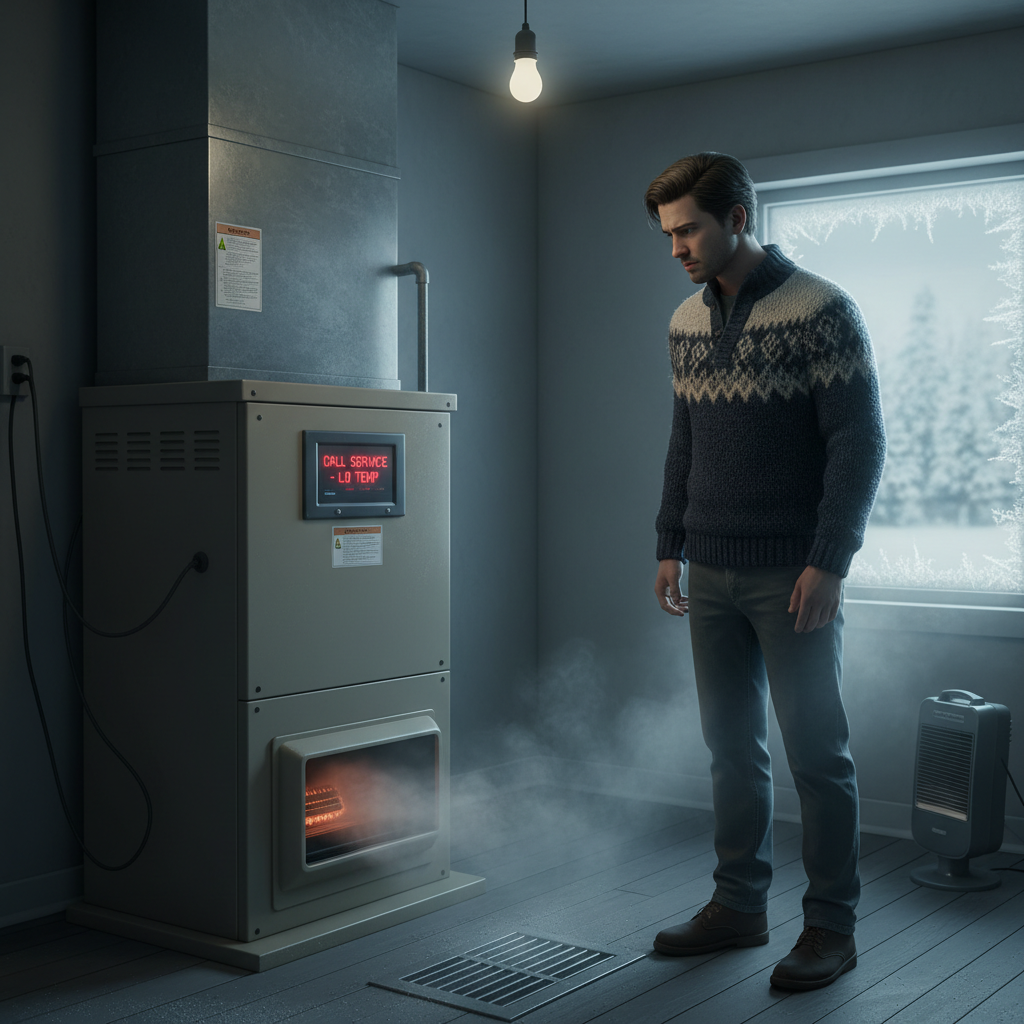
When your furnace starts blowing cold air, it’s usually a clear sign that something is amiss in its heating cycle. Here are the most frequent culprits:
1. Incorrect Thermostat Settings
This is often the simplest fix and the first thing you should check. Your thermostat is the brain of your HVAC system, and incorrect settings can easily lead to a “no heat” scenario.
- Fan Set to “On”: If your thermostat’s fan setting is on “On” instead of “Auto,” the blower fan will run continuously, even when the furnace isn’t actively heating. This means it will circulate both warm and unheated air throughout your home, leading to periods of cold air from the vents. Always ensure your fan is set to “Auto” so it only runs when the furnace is heating.
- Wrong Mode: Double-check that your thermostat is set to “Heat” mode, not “Cool” or “Off.” It might sound obvious, but it’s a common oversight.
- Temperature Setting: Ensure the desired temperature on your thermostat is set higher than the current room temperature. If it’s set too low, the furnace won’t call for heat.
2. Clogged Air Filter
A dirty or clogged air filter is one of the most common reasons for furnace issues and is often overlooked. Filters are designed to trap dust, pet dander, and other airborne particles, protecting your furnace’s internal components and improving indoor air quality. However, a severely clogged filter restricts airflow significantly.
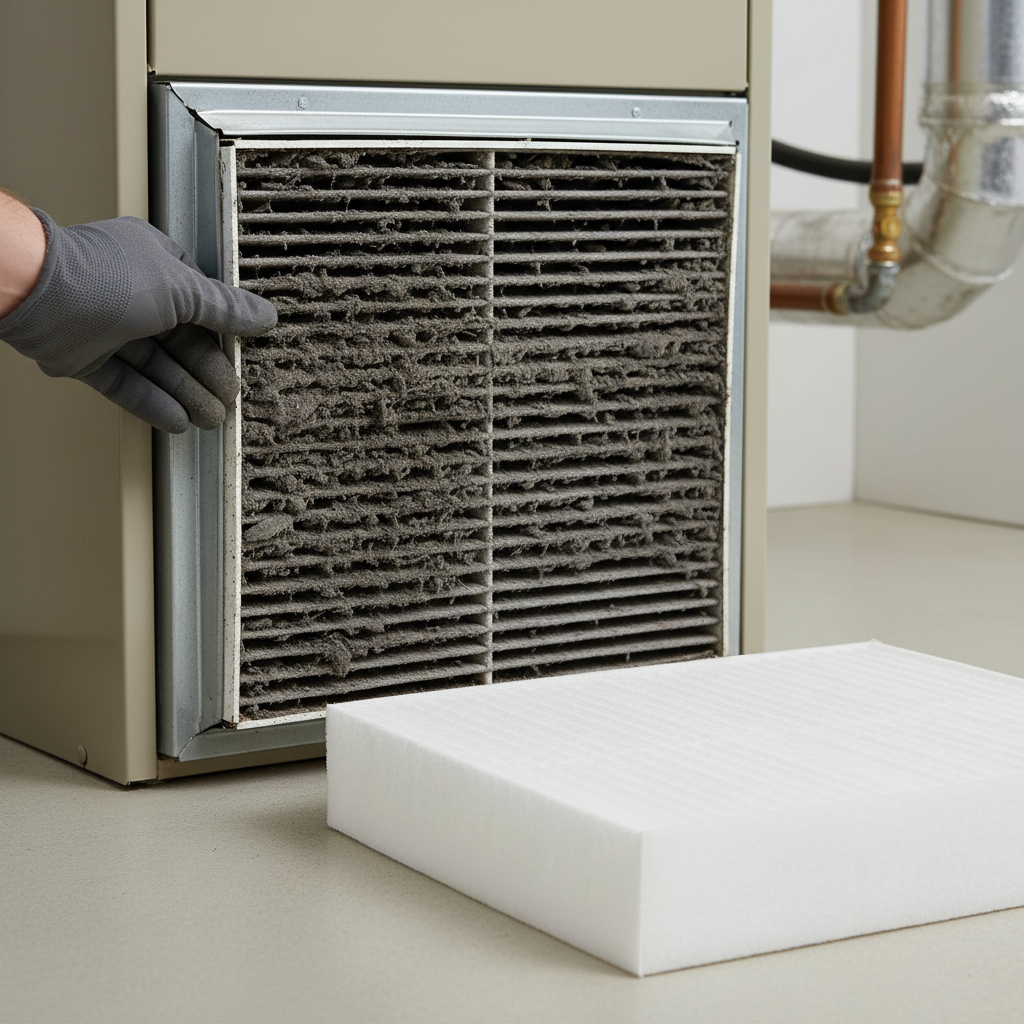
- Reduced Airflow: When airflow is restricted, the heat exchanger can overheat. To prevent damage, a safety limit switch will trip, shutting down the burners while allowing the fan to continue running. This means the fan will blow unheated air.
- Overheating: Continuous overheating can damage your furnace, leading to expensive repairs.
Regularly checking and replacing your furnace filter, typically every 1-3 months depending on usage and household conditions, is crucial for efficient operation and preventing this issue. You can learn more about proper filter maintenance from resources like Better Homes & Gardens.
3. Pilot Light Issues (for Older Furnaces)
Older gas furnaces typically use a standing pilot light – a small, constant flame that ignites the main burner when heat is called for. If this pilot light goes out, the furnace won’t be able to ignite its burners and produce heat.
- No Ignition: Without the pilot light, the gas valve won’t open to supply gas to the burners, and only cold air will circulate.
- Drafts or Blockages: Pilot lights can be extinguished by drafts, clogs in the pilot tube, or faulty thermocouples (a safety device that senses the pilot flame).
4. Ignition System Problems (for Modern Furnaces)
Most modern furnaces have electronic ignition systems instead of a pilot light. These systems use either a hot surface igniter or an intermittent pilot to light the burners when needed. If the igniter is faulty, cracked, or simply worn out, it won’t be able to spark the flame.
- Faulty Igniter: A broken or weak igniter means the furnace won’t be able to start the heating cycle, and the blower will eventually just push cold air.
- Safety Lockout: Many modern furnaces will attempt to ignite a few times and, if unsuccessful, will enter a safety lockout mode to prevent gas buildup. The blower might still run, but no heat will be produced.
5. Restricted Airflow or Duct Leaks
Beyond a clogged filter, other airflow issues can cause your furnace to blow cold air.
- Blocked Vents: Make sure all supply and return air vents throughout your home are open and unobstructed by furniture, rugs, or drapes. Blocked vents can disrupt the pressure balance in your ductwork and lead to inefficient heating or even safety shutdowns.
- Duct Leaks: Leaky or disconnected ducts can cause significant heat loss. If your ducts are running through unconditioned spaces like attics or crawl spaces, and they have leaks, the warm air can escape before reaching your living areas, resulting in cold air coming out of the registers.
- Blower Motor Issues: If the blower motor is weak or failing, it might not be pushing enough air through the system, leading to poor heat distribution.
6. Condensate Drain Line Clog (High-Efficiency Furnaces)
High-efficiency (condensing) furnaces produce water as a byproduct of combustion, which drains away through a condensate line. If this line gets clogged with algae or debris, the water can back up, tripping a safety switch.
- Safety Shutoff: This safety switch will shut down the burners to prevent water damage, but the blower fan may continue to run, distributing cold air.
- Pan Overflow: A clogged drain can also lead to the condensate pan overflowing, potentially causing water damage.
7. Overheated Furnace (Limit Switch Tripped)
As mentioned with clogged filters, anything that causes your furnace’s heat exchanger to get too hot can trigger the limit switch. This switch is a crucial safety feature that prevents the furnace from overheating and potentially cracking the heat exchanger, which could release carbon monoxide. When it trips, the burners shut off, but the blower often continues to run to cool down the unit, resulting in cold air.
- Common Causes: Besides dirty filters, other causes include a faulty blower motor, closed registers, or dirty coils.
8. Low Refrigerant (for Heat Pumps in Heating Mode)
If you have a heat pump system, it can also blow cold air when operating in heating mode. Heat pumps work by extracting heat from the outside air (or ground) and transferring it indoors. If the refrigerant level is low, the heat pump won’t be able to effectively absorb and transfer heat.
- Insufficient Heat Transfer: Low refrigerant means the system is struggling to produce heat, and the air blown into your home will feel cool. This often indicates a leak in the refrigerant lines, which requires professional attention.
9. Gas Supply Problems
For gas furnaces, a lack of gas supply is a critical issue. This could be due to several reasons:
- Gas Valve Off: The gas shut-off valve near the furnace might be accidentally turned off.
- Problem with Gas Meter: There might be an issue with your utility company’s gas supply or your gas meter.
- Faulty Gas Valve: The furnace’s internal gas valve might be malfunctioning and not opening to allow gas to the burners.
10. Furnace Too Small or Old
Sometimes, the issue isn’t a malfunction but simply that your furnace isn’t up to the task. An undersized furnace might run constantly but struggle to adequately heat your home, making the air feel cool, especially during peak demand. Older furnaces also become less efficient over time and may struggle to keep up.
DIY Troubleshooting Steps: What You Can Do
Before calling for professional help, try these straightforward troubleshooting steps. Remember to always prioritize safety, especially when dealing with gas or electricity.
Step 1: Check Your Thermostat
- Settings Review: Ensure it’s on “Heat” mode and the fan is on “Auto.” Set the desired temperature at least 5-10 degrees higher than the current room temperature.
- Battery Check: If it’s a battery-powered thermostat, replace the batteries, even if you think they’re fine.
- Reset: Some smart thermostats have a reset option. Consult your thermostat’s manual.
Step 2: Inspect and Replace the Air Filter
- Locate Filter: The filter is usually found in the return air duct right before the furnace or within the furnace unit itself.
- Examine: Pull out the filter and hold it up to a light. If you can’t see light through it, it’s definitely time for a change.
- Replace: Install a clean filter, ensuring it’s the correct size and facing the correct direction (an arrow usually indicates airflow).
Step 3: Examine the Pilot Light or Ignition System
- For Pilot Lights: If your furnace has a pilot light, check if it’s lit. If not, follow the relighting instructions usually found on a label inside the furnace’s access panel. Be careful and follow all safety warnings.
- For Electronic Igniters: Listen for a clicking sound followed by the whoosh of the burner igniting. If you only hear clicking or nothing at all, your igniter might be failing. This usually requires a professional.
Step 4: Check Your Circuit Breaker and Gas Valve
- Circuit Breaker: Go to your electrical panel and look for the breaker labeled “Furnace” or “HVAC.” If it’s tripped (usually halfway between “On” and “Off”), switch it completely off and then back on.
- Gas Valve: Ensure the gas shut-off valve near your furnace (often a yellow handle) is parallel with the gas pipe, indicating it’s open. If it’s perpendicular, it’s closed.
Step 5: Inspect Vents and Ducts
- Clear Vents: Walk through your home and ensure all supply and return vents are open and free from obstructions.
- Visual Duct Inspection: If easily accessible, visually inspect your ducts for any obvious disconnections or large holes.
Step 6: Reset Your Furnace
Many furnaces have a reset button, typically located on the blower motor housing. Before pressing it:
- Turn Off Power: Switch off the power to the furnace at the thermostat or circuit breaker.
- Wait: Wait for about 30 seconds to a minute.
- Press Reset: Press the reset button (it usually pops out). Do NOT hold it down. If it trips repeatedly, there’s an underlying issue that needs professional attention.
- Restore Power: Turn the power back on.
When to Call a Professional HVAC Technician
While DIY troubleshooting can resolve many minor issues, some problems are best left to the experts. You should contact a qualified HVAC technician if:
- You Smell Gas: If you detect even a faint smell of gas, immediately shut off your gas supply, evacuate your home, and call your gas company and an HVAC professional. This is a serious safety hazard.
- Persistent Problems: If you’ve tried the above steps and your furnace is still blowing cold air, or if the problem recurs frequently.
- Complex Electrical Issues: Dealing with faulty igniters, control boards, or other electrical components requires specialized knowledge and tools.
- Condensate Line Blockages: While you can try to clear a simple clog, if it’s a recurring issue or difficult to access, a professional can properly diagnose and fix it.
- Blower Motor Failure: A malfunctioning blower motor is a significant repair that typically requires professional replacement.
- Strange Noises or Smells: Grinding, screeching, or burning smells indicate serious mechanical or electrical problems.
- You’re Uncomfortable or Unsure: If you’re not confident in your ability to safely troubleshoot, it’s always best to call a professional. Safety should be your top priority.
Preventive Measures to Avoid Cold Air Woes
The best way to deal with a furnace blowing cold air is to prevent it from happening in the first place. Regular maintenance and attention can significantly extend the life of your furnace and ensure reliable heating.
- Regular Filter Changes: As emphasized, this is paramount. Set a reminder to check your filter monthly and replace it every 1-3 months.
- Annual Professional Maintenance: Schedule a professional tune-up every fall before the heating season begins. A technician will clean, inspect, and fine-tune your furnace, catching potential issues before they become major problems. This includes checking the heat exchanger, igniter/pilot light, electrical connections, and gas pressure.
- Keep Vents Clear: Regularly check that all supply and return air vents are unobstructed.
- Monitor Thermostat: Ensure your thermostat settings are always correct, especially after power outages or seasonal changes.
- Listen and Observe: Pay attention to any unusual noises, smells, or changes in your furnace’s operation. Early detection can prevent costly repairs.
FAQs About a Home Furnace Blowing Cold Air
Q1: Why does my furnace run but blow cold air?
If your furnace is running but only blowing cold air, it means the blower fan is working, but the heating element or burners are not engaging. Common reasons include an incorrect thermostat setting (fan on “Auto” vs. “On”), a clogged air filter leading to overheating and a tripped limit switch, a non-lighting pilot light or faulty igniter, or a clogged condensate drain line (in high-efficiency furnaces).
Q2: How long does it take for a furnace to heat up?
Typically, once the thermostat calls for heat, a furnace should ignite and start blowing warm air within a minute or two. The time it takes for your entire home to reach the desired temperature depends on factors like your home’s insulation, the size of your furnace, and the temperature difference between inside and outside. If it takes significantly longer, or if you feel cold air for extended periods, there might be an issue.
Q3: Can a clogged filter cause cold air from the vents?
Yes, absolutely. A severely clogged air filter restricts airflow, causing the furnace’s heat exchanger to overheat. To prevent damage, a safety limit switch will trip, shutting off the burners. The blower fan, however, may continue to run to cool the system, resulting in unheated, cold air being distributed through your vents. This is a very common cause.
Q4: Is it dangerous if my furnace blows cold air?
While blowing cold air itself isn’t inherently dangerous, the underlying cause might be. For instance, a cracked heat exchanger (which can be caused by repeated overheating from issues like a clogged filter) can potentially leak carbon monoxide into your home, which is extremely dangerous. Gas leaks are also a serious hazard. If you suspect any gas leak, smell unusual odors, or hear strange noises, shut off the furnace immediately and call a professional. Always have carbon monoxide detectors in your home.
Q5: What does a furnace reset button do?
The furnace reset button (often found on the blower motor housing) is a safety feature that allows you to restart the furnace’s operating cycle after it has shut down due to a safety lockout, such as an overheated system. Pressing it once after cutting power can sometimes resolve minor glitches. However, if you need to press it repeatedly, it indicates a persistent underlying problem that requires professional diagnosis and repair, as continually resetting it without addressing the root cause can be unsafe and damage the furnace.
Conclusion
Dealing with a home furnace blowing cold air can be frustrating, but by understanding the common causes and following logical troubleshooting steps, you can often diagnose and resolve the issue yourself. From checking your thermostat and changing a dirty air filter to inspecting the pilot light, many solutions are within reach for the average homeowner. However, never hesitate to call a certified HVAC professional if you encounter complex problems, suspect a gas leak, or simply feel uncomfortable performing repairs. Regular maintenance and prompt attention to warning signs are key to ensuring your furnace keeps your home warm and cozy throughout the colder months.