Few things are as disruptive to the peace of your home as an unexpected sound from your HVAC system. If you’ve noticed your air handler making rattling noise, it’s more than just an annoyance—it’s a signal that something isn’t quite right. The air handler is the indoor unit of your central air conditioning or heat pump system, responsible for circulating conditioned air throughout your home. A rattling sound can stem from a variety of sources, ranging from simple fixes to more complex mechanical issues that require professional attention. Understanding the potential causes and knowing how to safely troubleshoot can save you discomfort, energy costs, and potentially more expensive repairs down the line. This guide will walk you through the common culprits behind a rattling air handler, provide actionable steps for diagnosis, and advise when it’s time to call in the experts.
Understanding Your Air Handler: The Heart of Your HVAC System
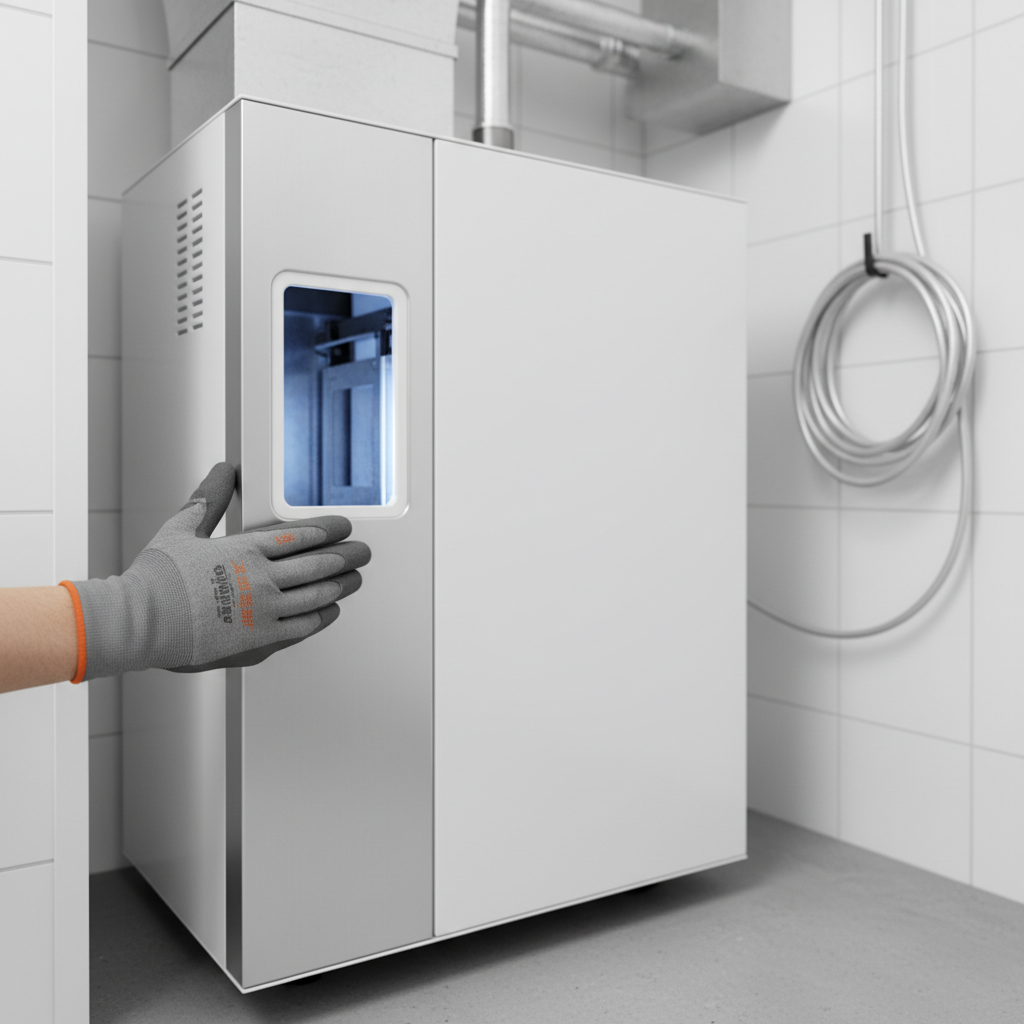
Before diving into the causes of rattling, it’s helpful to briefly understand what an air handler does. Located indoors, typically in a closet, attic, basement, or utility room, the air handler contains several key components:
- Blower Motor: This powerful motor drives the fan.
- Blower Fan (or Squirrel Cage Fan): A large, multi-bladed fan that pulls in return air and pushes conditioned air through your ductwork.
- Evaporator Coil: This is where the refrigerant absorbs heat from the indoor air (during cooling) or releases heat into the indoor air (during heating, in a heat pump system).
- Filter Rack: Holds the air filter, which cleans the air before it’s conditioned and circulated.
- Drain Pan and Condensate Drain: Collects and removes moisture condensed from the air by the evaporator coil.
Any of these components, or the casing itself, can be a source of noise if they become loose, damaged, or obstructed.
Common Reasons Your Air Handler is Making Rattling Noise
Identifying the exact source of a rattling noise can sometimes feel like detective work, but by systematically checking common problem areas, you can often narrow it down. Here are the most frequent reasons your air handler might be rattling:
1. Loose Panels or Screws
Over time, due to vibration from normal operation, the access panels or screws securing the air handler’s cabinet can become loose. This is one of the most common and easiest issues to fix. As the blower fan operates, the loose metal vibrates against the main unit, creating a distinct rattling sound. This can happen more frequently if the unit is older or if it has been serviced recently and panels weren’t properly re-secured.
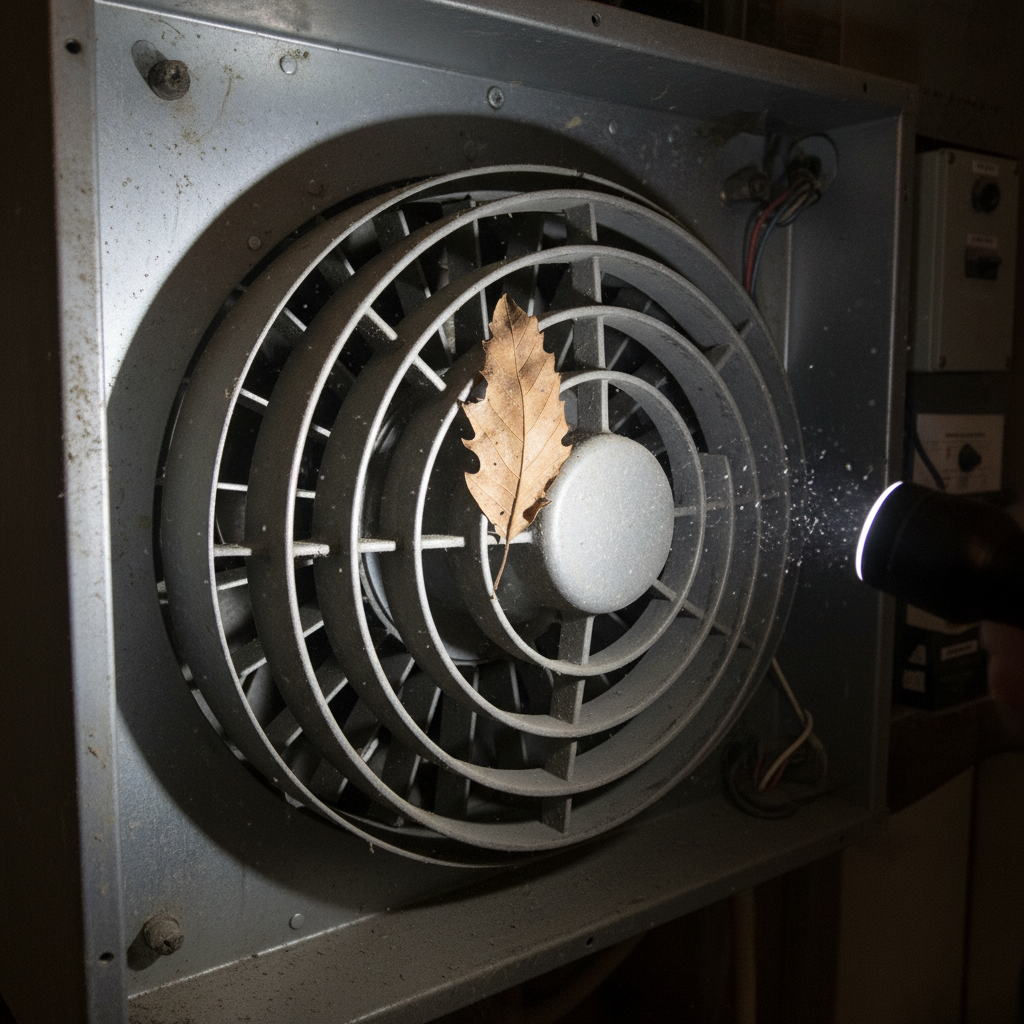
2. Debris in the Blower Fan
The blower fan, often referred to as a “squirrel cage” fan due to its cylindrical shape, is designed to move a large volume of air. If small objects—such as leaves, twigs, insulation fragments, small toys, pet hair accumulation, or even loose screws—make their way into the fan blades, they can cause an imbalance and a persistent rattling or thumping noise as the fan spins. This can also occur if the filter is missing or improperly installed, allowing larger particles to bypass it.
3. Failing Blower Motor Bearings
The blower motor relies on bearings to allow its shaft to spin smoothly. With age and wear, these bearings can dry out, wear down, or accumulate grime. When this happens, they can no longer provide smooth rotation, leading to a grinding or rattling noise, often described as a “motor trying to work hard.” This issue typically indicates a motor that’s nearing the end of its lifespan and will likely need replacement.
4. Loose or Unbalanced Blower Fan
The blower fan itself can become loose on its motor shaft, or its blades can become bent, cracked, or caked with dirt and debris, leading to an imbalance. An unbalanced fan will vibrate excessively as it spins, causing a rattling or sometimes a loud thumping noise. This vibration can also transfer to the air handler’s casing and ductwork, amplifying the sound. Dirty fan blades are a common culprit for imbalance.
5. Ductwork Issues
Your air handler is connected to a network of ducts that distribute air throughout your home. If these ducts are not properly sealed, have loose connections, or are experiencing thermal expansion and contraction (especially metal ducts), they can produce rattling or banging sounds. Sometimes, a piece of insulation inside the ductwork can come loose and rattle. The vibration from the air handler itself can also be transmitted through the ducts, making the rattling seem like it’s coming from the ducts, even if the source is the air handler.
6. Refrigerant Line Vibration
Refrigerant lines (copper pipes that carry refrigerant) connect the indoor air handler to the outdoor condenser unit. If these lines are not properly secured or insulated, the flow of refrigerant through them, or the vibration from the compressor outside, can cause them to rattle against the air handler cabinet or surrounding structures. This is more common if the lines are touching other surfaces without proper cushioning.
7. Clogged Air Filter
While a clogged air filter typically causes reduced airflow and strain on the system, in some cases, it can indirectly contribute to rattling. A severely restricted airflow can cause the blower motor to work harder and overheat, leading to increased vibration. It can also cause changes in air pressure within the system, potentially making loose components vibrate more noticeably.
8. Other Internal Component Issues
- Damaged Evaporator Coil Fins: The delicate aluminum fins on the evaporator coil can sometimes become bent or damaged. While less common to cause a “rattle,” they can sometimes vibrate if severely misshapen or if a piece breaks off.
- Loose Electrical Components: Relays, contactors, or loose wiring inside the electrical panel of the air handler can vibrate and cause a buzzing or rattling sound.
- Condensate Drain Problems: If the condensate pump is struggling or the drain line is partially clogged, it can create a gurgling or sometimes a rattling sound as air and water struggle to pass.
Troubleshooting Steps You Can Take (DIY)
Before attempting any DIY troubleshooting, remember that safety is paramount. You’re dealing with electrical components and moving parts. Always follow these safety guidelines:
- Turn Off Power: Locate your thermostat and switch the system to “OFF.” More importantly, go to your electrical panel and flip the breaker that controls your HVAC indoor unit (air handler) to the “OFF” position. If there’s a dedicated power switch near the air handler, turn that off too.
- Wear Protective Gear: Gloves can protect your hands from sharp edges.
Once power is safely disconnected, you can proceed with these steps:
1. Pinpoint the Sound’s Origin
Before turning off power, try to listen carefully and identify where the rattling sound seems to be coming from. Is it from the top, bottom, or sides of the unit? Does it sound like it’s internal or external?
2. Check and Tighten Panels and Screws
Inspect all access panels on the air handler. Gently push on them to see if the rattling stops or changes. Use a screwdriver to tighten any loose screws you find. Ensure all panels are properly seated and secured.
3. Inspect the Air Filter
Open the filter access door. Is the filter correctly inserted and not bent or dislodged? Is it dirty? A very dirty filter can restrict airflow and strain the system, potentially leading to vibrations. Replace dirty filters regularly. A clean filter can improve efficiency and reduce strain.
4. Examine the Blower Compartment (Carefully!)
Once power is OFF, open the blower compartment access panel. Be careful of sharp edges.
- Look for Debris: Use a flashlight to visually inspect the blower wheel (squirrel cage fan). Look for any foreign objects caught in the blades, such as leaves, paper, or small tools. Carefully remove any debris you find.
- Check Fan Blades: Gently try to wiggle the blower wheel. It should feel secure on its shaft. If it wobbles excessively, the fan might be loose on the motor shaft, or the motor mount could be compromised. Also, inspect the blades themselves for visible damage or excessive dirt buildup. Dirty blades can cause imbalance.
- Check Motor Mounts: The blower motor is typically mounted with bolts or straps. Ensure these are tight and secure.
If you suspect an unbalanced fan due to dirt, you might be able to clean it carefully with a soft brush and a vacuum cleaner, but be extremely gentle not to bend the blades.
5. Inspect Ductwork Connections
Visually inspect the ductwork connections where they attach to the air handler. Look for any loose seals, gaps, or areas where metal ducts might be rubbing against each other or the wall. You might be able to secure loose sections with metal tape or screws, but major ductwork repair is usually best left to professionals.
6. Check Refrigerant Lines
Look at the copper refrigerant lines where they enter and exit the air handler. Ensure they are not vibrating against the cabinet or other components. Sometimes, adding a small piece of rubber insulation or a tie-wrap can dampen the vibration, but avoid restricting the lines themselves.
When to Call a Professional HVAC Technician
While some rattling noises can be resolved with simple DIY fixes, many require the expertise of a trained HVAC technician. Here’s when it’s time to call in the professionals:
- Persistent Noise: If the rattling continues after you’ve performed the basic troubleshooting steps, or if you can’t identify the source.
- Motor Issues: If you suspect the blower motor bearings are failing, the motor itself is faulty, or the fan is severely unbalanced or loose on its shaft. These components are complex and often require specialized tools and knowledge for repair or replacement.
- Refrigerant Leaks: If you notice ice on the evaporator coil or near the refrigerant lines, or if your system isn’t cooling/heating effectively, this could indicate a refrigerant leak, which requires immediate professional attention.
- Electrical Problems: If the rattling seems to originate from the electrical panel or you’re uncomfortable inspecting electrical components, always call a pro.
- Reduced Performance: If the rattling noise is accompanied by your system not cooling or heating as effectively as it should, or if you notice strange smells.
- Lack of Confidence: If you’re unsure about any step or uncomfortable working inside your air handler, it’s always safer to hire a professional. Attempting repairs beyond your skill level can lead to further damage or personal injury.
A professional technician can accurately diagnose the problem, has access to specific tools, and can perform repairs safely and efficiently. They can also advise on the overall health of your HVAC system and recommend preventative maintenance.
Preventative Maintenance to Avoid Future Rattling Noises
Regular maintenance is key to keeping your air handler running smoothly and quietly for years to come. By adopting a proactive approach, you can often prevent those pesky rattling noises before they even start:
- Regular Filter Replacement: This is arguably the simplest yet most crucial maintenance task. Change your air filter every 1-3 months, or more frequently if you have pets, allergies, or live in a dusty environment. A clean filter ensures optimal airflow, reduces strain on the blower motor, and prevents debris from entering the system.
- Annual Professional Tune-Ups: Schedule a professional HVAC tune-up at least once a year. During this service, a technician will clean the blower components, inspect electrical connections, lubricate moving parts (if applicable), check refrigerant levels, and tighten any loose connections or panels. This comprehensive inspection can catch potential issues like loose components or worn bearings before they escalate into noticeable problems. Regular check-ups are vital for the longevity and efficiency of your system, as highlighted by experts in home care. For more general advice on maintaining your home, you can refer to resources like Better Homes & Gardens’ Home Maintenance Checklist.
- Keep the Area Around the Air Handler Clean: Ensure the space around your air handler is free from clutter, dust, and debris. This prevents foreign objects from being drawn into the return air vents and potentially reaching the blower fan.
- Monitor for Changes: Pay attention to your system’s sounds. Any new or unusual noises should be investigated promptly. The earlier you address a problem, the less likely it is to become a major repair.
- Check for Loose Fasteners: Periodically, you can do a quick visual check and gently tighten any visible screws or fasteners on the air handler’s exterior panels.
Frequently Asked Questions About Air Handler Rattling Noise
Q1: Is a rattling noise from my air handler dangerous?
A rattling noise isn’t inherently dangerous in terms of immediate safety hazards, but it indicates a problem that could lead to more serious issues. If left unaddressed, a loose component or failing motor could cause further damage to the system, lead to electrical problems, or even a complete system breakdown. It’s best to address it promptly to prevent costly repairs.
Q2: Can I ignore a rattling noise if my system is still working?
It’s not advisable to ignore a rattling noise, even if your system appears to be functioning. The rattling is a symptom of an underlying issue. Ignoring it can lead to increased energy consumption (as the system works harder), accelerated wear and tear on other components, and eventually a more expensive repair or replacement. Address the noise as soon as you notice it.
Q3: How much does it cost to fix a rattling air handler?
The cost to fix a rattling air handler varies widely depending on the cause. A simple fix like tightening loose panels or removing debris might cost nothing if you do it yourself, or a minimal service fee if a technician comes out. If it’s a failing blower motor or a major ductwork repair, costs can range from a few hundred to over a thousand dollars, including parts and labor. Getting a professional diagnosis will provide an accurate estimate.
Q4: My air handler only rattles sometimes. What does that mean?
Intermittent rattling can be harder to diagnose. It might indicate that a component is just starting to fail, or that the rattling is only triggered under specific conditions, such as when the system first starts up, when it’s working harder, or due to thermal expansion/contraction. Continue to monitor the sound and try to identify any patterns. Even intermittent noises warrant investigation.
Q5: Can extreme weather cause my air handler to rattle?
Indirectly, yes. Extreme temperature fluctuations can cause metal components, especially ductwork, to expand and contract, potentially leading to rattling or banging noises. High winds might also cause outdoor units to vibrate, and that vibration could transfer indoors through the refrigerant lines. However, internal issues are still the most common cause of consistent rattling.
Conclusion
An air handler making rattling noise is your HVAC system’s way of telling you it needs attention. While some causes are minor and easily resolved with a few simple DIY steps, others point to more significant mechanical issues that require professional intervention. By taking the time to safely inspect your unit and understand the potential culprits, you can often save yourself from further frustration and more extensive repairs. Remember to always prioritize safety by turning off power before any inspection or troubleshooting. If you’re ever in doubt or the problem seems beyond your comfort level, don’t hesitate to contact a qualified HVAC technician. Regular preventative maintenance is the best defense against these annoying noises, ensuring your home remains a peaceful and comfortable sanctuary.