What Exactly is AC Short Cycling?
AC short cycling refers to your air conditioner turning on, running for a very brief period (often less than 10-15 minutes), and then shutting off, only to repeat the process shortly thereafter. A properly functioning air conditioner should complete a full cooling cycle, running long enough to effectively lower the indoor temperature to the thermostat’s set point, remove humidity, and then remain off for a significant duration before needing to kick back on. This normal cycle typically lasts anywhere from 15 to 20 minutes, or even longer on extremely hot days.
When your AC short cycles, it means the compressor and fan motors are switching on and off much more frequently than they should. This isn’t just inefficient; it puts immense strain on the system’s components, particularly the compressor, which is the heart of your AC unit. Imagine constantly starting and stopping your car – it causes more wear and tear than a steady drive. The same principle applies to your air conditioner, leading to premature breakdowns and costly repairs if left unaddressed.
Common Causes of Your AC Short Cycling Frequently
Pinpointing the exact reason why your AC is short cycling can sometimes be challenging, as multiple factors can contribute to the problem. However, understanding the most common culprits will help you diagnose the issue or provide valuable information to a professional technician.
1. Incorrectly Sized AC Unit
One of the most significant, yet often overlooked, reasons for an AC short cycling is an improperly sized unit. Counterintuitively, an air conditioner that is too large for your home’s square footage can cause short cycling. A “oversized” unit cools the space too quickly, satisfying the thermostat’s temperature setting before it has had a chance to complete a full cycle, remove humidity effectively, or even distribute the cool air evenly throughout the house. While it might seem like a bigger AC would be better, it actually leads to inefficiency, increased wear, and a less comfortable home.
2. Dirty Air Filters
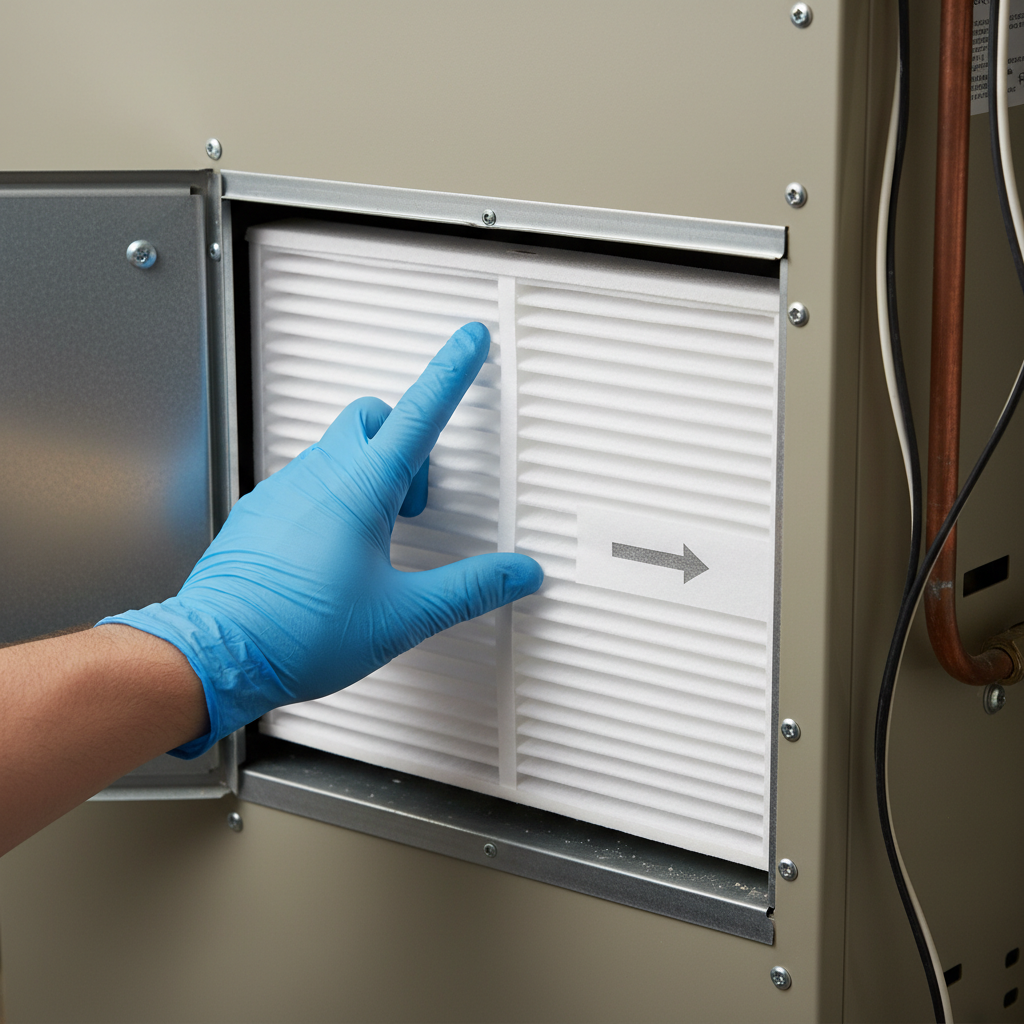
This is arguably the most common and easiest-to-fix cause of AC problems, including short cycling. A dirty, clogged air filter restricts airflow to the evaporator coil. When airflow is impeded, the coil can get too cold and freeze over. A frozen coil can cause the unit to struggle, leading to it either running constantly without effectively cooling or shutting down prematurely due as a safety measure to prevent damage. A clean filter ensures proper air circulation, allowing the system to operate efficiently.
3. Low Refrigerant Levels
Refrigerant is the lifeblood of your air conditioner, absorbing heat from your home and releasing it outside. If your system is low on refrigerant, typically due to a leak, it won’t be able to adequately cool your home. The unit will work harder and longer in an attempt to reach the set temperature, but paradoxically, this can also lead to short cycling. The compressor may overheat or struggle, causing it to shut down as a protective measure, only to try again shortly after, creating a cycle of on-off behavior.
4. Dirty Condenser Coils
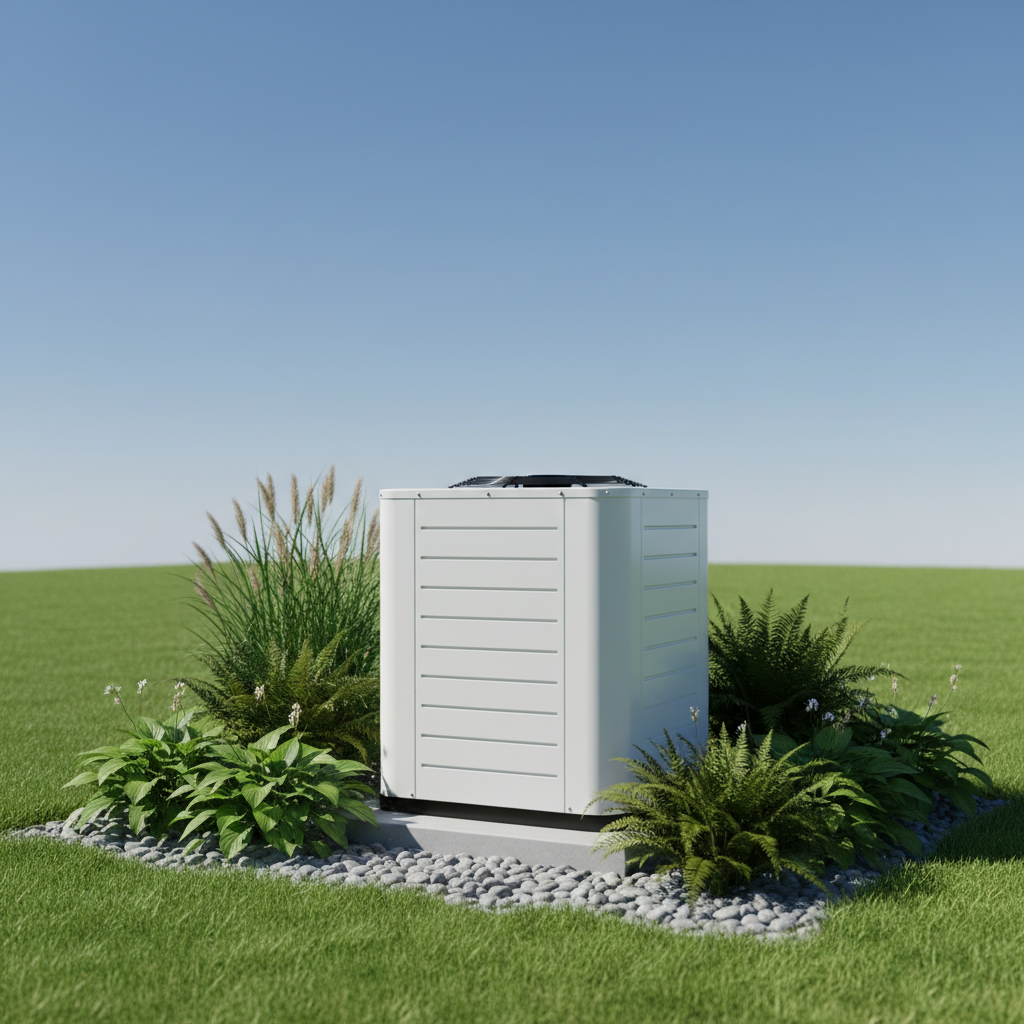
The condenser unit, located outside your home, is responsible for expelling the heat absorbed from your indoor air. Its coils are constantly exposed to dust, dirt, leaves, grass clippings, and other debris. When these coils become dirty or blocked, they cannot efficiently dissipate heat. This forces the compressor to work harder, increasing pressure and temperature within the system. To prevent damage from overheating, the AC might short cycle, turning off before it can properly cool the indoor air.
5. Frozen Evaporator Coils
Similar to dirty air filters, several issues can lead to the evaporator coils (located inside your furnace or air handler) freezing solid. These include extremely dirty air filters, low refrigerant, or issues with the blower fan. When the evaporator coil freezes, it restricts airflow and significantly reduces the system’s ability to cool. The thermostat might still be calling for cooling, but the frozen coil can trigger a safety shut-off, causing the unit to short cycle or run continuously without providing proper cooling.
6. Thermostat Malfunction or Poor Placement
Your thermostat is the brain of your AC system. If it’s malfunctioning, has faulty wiring, or is simply placed in a poor location, it can send incorrect signals to your AC, leading to short cycling. For instance, if the thermostat is in direct sunlight or near a heat source, it might register a higher temperature than the rest of the house, prompting the AC to turn on, quickly cool the immediate area around the thermostat, and then shut off prematurely. A faulty thermostat might also have internal wiring issues or a dying battery that prevents it from accurately reading the temperature or communicating with the AC unit.
7. Electrical Issues
Various electrical components within your AC system can cause short cycling. A faulty capacitor, for example, might not provide enough power to start the compressor or fan motor effectively, causing the unit to attempt to start repeatedly and then fail. Loose wiring, a tripped circuit breaker (indicating an overload), or issues with the control board can also interrupt the power supply, leading to erratic on-off cycling. These electrical problems can be dangerous and typically require professional attention.
8. Clogged Drain Line
In humid environments, your AC removes a significant amount of moisture from the air, which collects in a drain pan and flows out through a condensate drain line. If this line becomes clogged with algae or debris, the pan can overflow. Many modern AC units have a float switch designed to shut off the system when the drain pan is full to prevent water damage. This safety feature can cause the AC to short cycle, turning off once the pan fills and turning back on after the water level slightly drops (or if the float switch resets).
9. Fan Motor Issues
Both the indoor blower fan and the outdoor condenser fan are critical for proper airflow and heat exchange. If either of these fan motors is struggling or failing, it can disrupt the entire cooling process. A weak blower fan, for example, might not move enough air over the evaporator coil, leading to freezing. A struggling condenser fan might prevent adequate heat dissipation outside. In both cases, the AC unit might short cycle as it struggles to maintain operational parameters or as a safety measure.
How to Diagnose Your AC’s Frequent Short Cycling
Before calling a technician, you can perform a few simple checks to help narrow down the potential cause of your AC’s short cycling:
- Observe the Cycle Length: Time how long your AC runs when it kicks on. Is it consistently less than 10-15 minutes? Note if it cools at all during that time.
- Check the Thermostat: Ensure it’s set to “Cool” and “Auto” (not “On” for the fan). Verify the temperature setting is appropriate. Check if it’s in direct sunlight or near a heat source. If it’s battery-powered, replace the batteries.
- Inspect Air Filters: Pull out your air filter. Is it visibly dirty and clogged with dust and debris?
- Examine the Outdoor Unit (Condenser): Look for any obstructions around the unit like leaves, grass, or overgrown bushes. Check if the fan inside the unit is spinning freely when the AC is on.
- Check for Ice on Coils: Open the indoor air handler or furnace cabinet (if accessible and you feel comfortable) and look at the evaporator coils. Do you see any ice buildup? Likewise, carefully check the refrigerant lines coming out of the outdoor unit for ice.
- Listen for Unusual Noises: Any grinding, buzzing, or clicking noises can indicate electrical or mechanical issues.
- Check the Drain Pan: Locate the condensate drain pan (usually near your indoor unit) and see if it’s full of water.
DIY Fixes for AC Short Cycling (When Possible)
Some causes of AC short cycling can be resolved with basic DIY troubleshooting and maintenance. Remember to always turn off the power to your AC unit at the thermostat and the circuit breaker before attempting any work.
1. Check and Change Air Filters
This is the simplest and often most effective first step. Replace dirty air filters with new ones according to the manufacturer’s recommendations (usually every 1-3 months). This can immediately improve airflow and prevent coil freezing.
2. Inspect Thermostat Settings and Location
Ensure your thermostat is on the correct setting and that no heat sources are influencing its temperature readings. If your thermostat has programmable features, ensure they are correctly configured. Consider relocating the thermostat if its current spot is problematic, or upgrade to a smart thermostat for better temperature control.
3. Clear Debris from Around the Condenser Unit
Power off your outdoor unit. Clear away any leaves, grass, dirt, or other debris accumulated around and on top of the condenser. Trim back any shrubs or bushes to ensure at least two feet of clear space around the unit for optimal airflow. You can gently rinse the coils with a garden hose (ensure the power is off) to remove surface dirt, but avoid high-pressure washing that can bend the delicate fins.
4. Turn Off AC to Thaw Frozen Coils
If you find ice on your evaporator coils, turn off your AC unit (set the thermostat to “Fan Only” if possible, or completely off). Allow the coils to thaw completely, which can take several hours. Place towels around the unit to catch any dripping water. Once thawed, change your air filter and then restart the AC. If the coils refreeze quickly, it indicates a more serious underlying issue like low refrigerant or a blower motor problem that requires professional intervention.
When to Call a Professional HVAC Technician
While some issues can be DIY, many causes of AC short cycling are complex and require the expertise of a certified HVAC technician. You should always call a professional if you suspect any of the following:
- Refrigerant Leaks: Handling refrigerant requires special tools, training, and certification. It’s also an environmental hazard.
- Electrical Problems: Faulty wiring, capacitor issues, or control board failures can be dangerous and should only be handled by a professional.
- Incorrectly Sized Unit: If your unit has always short cycled since installation, it might be oversized, a problem that requires a professional assessment and potentially replacement.
- Frozen Coils Persist: If your coils refreeze even after thawing and changing the filter, it points to a deeper problem like low refrigerant, a failing blower motor, or a restricted duct system.
- Compressor Issues: The compressor is a vital and expensive component. Any problems with it require expert diagnosis and repair.
- Clogged Drain Line Does Not Clear: If you’ve attempted to clear the condensate drain line with no success, or if the float switch continues to trigger shut-offs, professional help is needed to clear stubborn clogs or replace faulty switches.
- Unusual Noises or Odors: These often signify mechanical failures or electrical problems that need immediate professional attention.
Attempting to fix complex issues yourself can lead to further damage, void your warranty, and pose safety risks. A professional technician can accurately diagnose the problem, perform necessary repairs, and ensure your system operates safely and efficiently.
Preventing AC Short Cycling: Maintenance Tips
Preventative maintenance is key to avoiding AC short cycling and prolonging the life of your unit. Regular care can save you significant money and headaches in the long run.
- Regular Filter Changes: Change your air filter every 1-3 months, or more frequently if you have pets, allergies, or live in a dusty environment.
- Annual Professional Tune-Ups: Schedule a professional HVAC tune-up once a year, ideally in the spring before the cooling season begins. Technicians can clean coils, check refrigerant levels, inspect electrical components, lubricate moving parts, and identify potential issues before they become major problems. For more comprehensive seasonal AC maintenance tips, you might find this guide from Good Housekeeping helpful.
- Keep Condenser Unit Clear: Regularly clear away any foliage, dirt, or debris from around your outdoor unit. Ensure at least two feet of clear space on all sides.
- Maintain Thermostat: Ensure your thermostat is correctly calibrated and free from interference. Keep it away from direct sunlight or heat sources.
- Clean Drain Line: Periodically pour a cup of distilled vinegar (or a diluted bleach solution) down your condensate drain line to prevent algae growth and clogs.
- Monitor Refrigerant Lines: Periodically check the refrigerant lines (the copper pipes connecting the indoor and outdoor units) for any signs of leaks, such as oily residue or ice buildup.
The Long-Term Impact of Ignoring AC Short Cycling
Ignoring an AC that is short cycling frequently is never a good idea. The repeated on-off cycles put immense stress on the compressor, which is the most expensive component of your air conditioning system. This accelerated wear and tear will inevitably lead to premature compressor failure, resulting in a costly repair or even complete system replacement. Furthermore, an inefficient, short-cycling AC unit will consume more energy, driving up your utility bills significantly, and will fail to adequately cool or dehumidify your home, leading to discomfort and potential mold growth issues.
FAQs About AC Short Cycling Frequently
Q: Is it normal for an AC to short cycle sometimes?
A: While a very slight variation in cycle length might occur due to external factors, consistent short cycling (running for less than 10-15 minutes) is not normal and indicates an underlying problem that should be addressed.
Q: How long should an AC unit run per cycle?
A: A healthy AC unit typically runs for 15-20 minutes per cycle on a mild day, and potentially longer (up to 30-40 minutes) during very hot weather. The goal is to adequately cool and dehumidify the space before shutting off.
Q: Can a dirty air filter really cause short cycling?
A: Yes, absolutely. A dirty air filter restricts airflow, which can cause the evaporator coil to freeze. A frozen coil dramatically reduces cooling capacity and often leads to the unit shutting off prematurely as a safety measure.
Q: Will adding refrigerant fix short cycling?
A: If low refrigerant is the root cause of the short cycling (due to a leak), then yes, repairing the leak and recharging the refrigerant will fix the issue. However, simply “topping off” refrigerant without addressing a leak is a temporary fix that wastes money and is bad for the environment.
Q: How much does it cost to fix AC short cycling?
A: The cost to fix short cycling varies widely depending on the underlying cause. Simple fixes like a new air filter are cheap, while thermostat replacement might be a couple hundred dollars. More complex issues like refrigerant leaks, capacitor replacement, or compressor repair can range from several hundred to over a thousand dollars, or even more for a new compressor or system.
An AC that is short cycling frequently is a clear cry for help from your cooling system. By understanding the common causes and knowing when to perform simple DIY checks versus when to call a professional, you can protect your investment, ensure optimal home comfort, and avoid more expensive repairs down the line. Don’t let your AC suffer in silence – address short cycling promptly to keep your home cool and your energy bills in check.