Understanding Why Floorboards Lift After Water Damage
To effectively tackle the problem of lifted floorboards, it’s essential to understand the science behind why water causes such damage. Wood, in all its forms—hardwood, laminate, engineered wood—is a hygroscopic material, meaning it readily absorbs and releases moisture from its environment.
The Science Behind Wood Expansion and Contraction
When wood floorboards are exposed to water, they absorb the moisture, causing the wood fibers to swell. As the wood expands, it has nowhere to go but up and out. This expansion can lead to several visible issues:
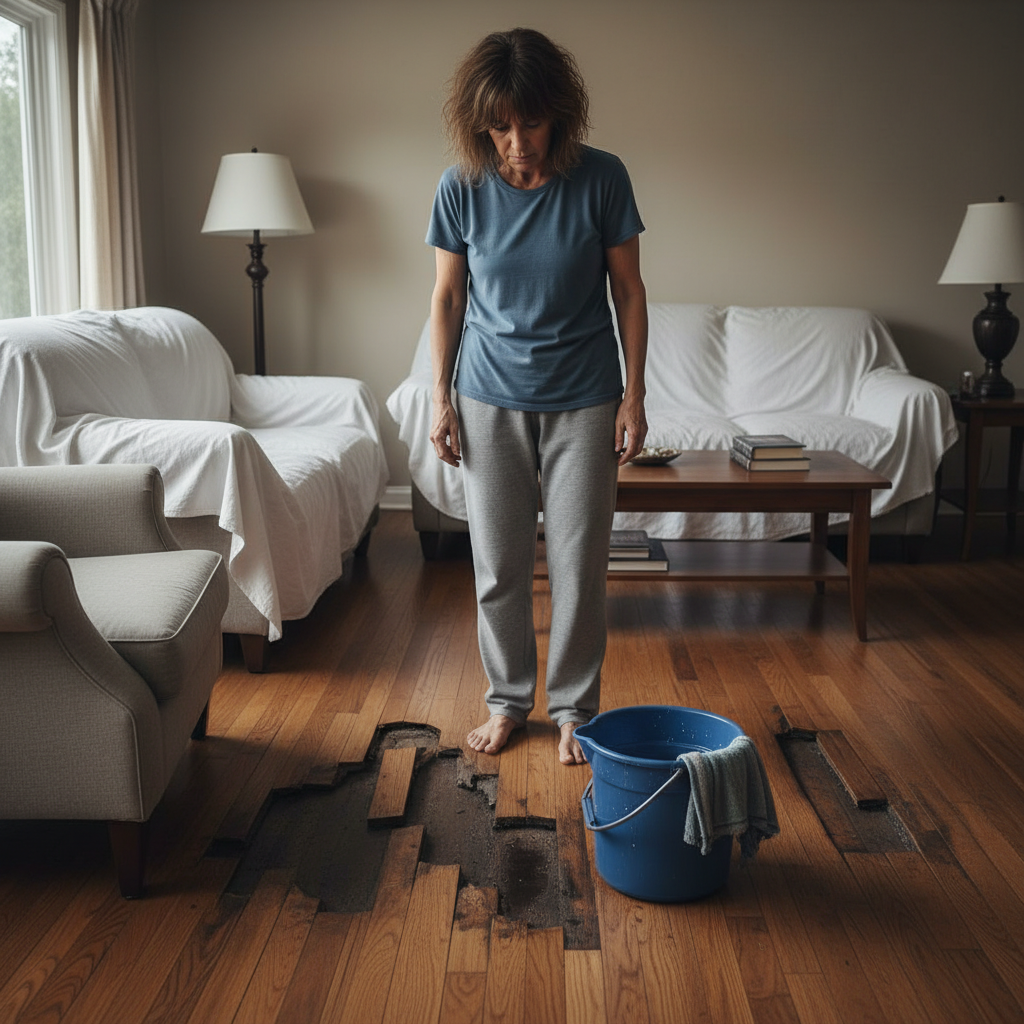
- Cupping: The edges of a board rise higher than its center, creating a concave shape. This often happens when the top surface dries faster than the underside.
- Crowning: The center of a board rises higher than its edges, creating a convex shape. This typically occurs when the top surface absorbs more moisture than the bottom, or during the drying process after cupping.
- Buckling: Severe water saturation causes the boards to detach from the subfloor and push against each other, leading to dramatic tenting or lifting of entire sections.
- Warping: A general term for any distortion of the wood, including twisting, bowing, or cupping, due to uneven moisture absorption.
The type of flooring significantly impacts how it reacts to water. Solid hardwood is porous and will absorb water, leading to significant expansion. Engineered wood, with its layered construction, is more stable but can still delaminate or swell. Laminate flooring, made from composite wood, is highly susceptible to swelling and irreparable damage once its core absorbs water, often requiring full replacement.
Factors Influencing the Severity of Damage
The extent to which your floorboards lift and are damaged depends on several factors:
- Type of Water: Clean water (from a supply line) is less harmful than gray water (from an appliance drain) or black water (from sewage or floodwaters), which carries contaminants and pathogens, requiring specialized remediation.
- Duration of Exposure: The longer the water sits, the more extensive the absorption and damage will be. Rapid response is critical.
- Temperature and Humidity: High ambient humidity prolongs the drying process and can exacerbate mold growth, while extreme temperatures can also affect drying rates.
- Type of Subfloor: The material and condition of your subfloor (plywood, concrete) can influence moisture retention and subsequent damage to the floorboards above.
Immediate Dangers and Long-Term Consequences of Water Damage
Beyond the visible unsightly damage, floorboards lifting after water damage pose several immediate dangers and can lead to severe long-term consequences if not addressed.
Safety Hazards
- Tripping and Falling: Lifted, warped, or buckled floorboards create uneven surfaces, posing significant tripping hazards for residents and visitors.
- Structural Instability: Severe water damage can compromise the structural integrity of your subfloor and even joists, potentially leading to sagging floors or, in extreme cases, structural failure.
Mold and Mildew Growth
Moisture trapped beneath floorboards creates an ideal breeding ground for mold and mildew. This is one of the most insidious long-term consequences:
- Health Risks: Mold spores can trigger allergies, asthma attacks, respiratory problems, and other health issues, particularly in sensitive individuals. Black mold, though less common, is highly toxic.
- Odor: A persistent musty odor is a strong indicator of mold growth, permeating your entire home and making it an unpleasant environment.
- Further Damage: Mold actively degrades organic materials, further damaging your floorboards, subfloor, and potentially spreading to walls and other parts of your home.
For more detailed information on preventing mold after water damage, resources like Good Housekeeping offers valuable advice on tackling water-related issues in your home.
Pest Infestations
Damp, dark environments created by water damage are attractive to pests such as termites, carpenter ants, and silverfish, which thrive on decaying wood and moisture. An infestation can introduce additional damage and costly remediation.
Decreased Property Value
Left unaddressed, water damage and its associated problems significantly diminish your home’s aesthetic appeal, structural integrity, and overall value. Potential buyers are often deterred by signs of water damage, leading to lower offers or difficulty selling.
Assessing the Damage: What to Look For
A thorough assessment is crucial before deciding on a course of action for your water damaged floorboards. You need to identify both the obvious and the hidden signs of damage.
Visible Signs
- Cupping, Crowning, Buckling, Warping: These are the most direct indicators of water absorption, where the boards visibly distort.
- Gapping: While less common after water exposure (which usually causes expansion), gapping can occur during the drying process if boards shrink unevenly.
- Discoloration: Dark spots, staining, or changes in the wood’s natural color can indicate water penetration and potentially mold.
Hidden Signs and Tools for Assessment
- Musty Odor: This is a tell-tale sign of mold or mildew growth, even if you can’t see it.
- Soft Spots: Press down on various areas of the floor. Any soft or spongy areas indicate compromised subfloor or severe damage beneath the surface.
- Moisture Meter: A moisture meter is an invaluable tool for accurately measuring the moisture content within your floorboards and subfloor. Readings above 12-16% (depending on wood type and region) are typically indicative of excessive moisture. This helps determine the extent of saturation and guides the drying process.
- Documenting the Damage: Take clear photos and videos of all affected areas. This documentation is vital for insurance claims and for tracking the progress of repairs. Note down dates, times, and observations.
First Steps After Discovering Water Damage
Time is of the essence when dealing with floorboards lifting after water damage. Immediate action can significantly reduce the extent and cost of repairs.
- Stop the Water Source: This is the absolute priority. Turn off the main water supply to your house if the leak is from plumbing, or identify and seal the source of the water intrusion.
- Remove Standing Water: Use wet vacuums, mops, or buckets to remove as much standing water as possible. The goal is to get the area as dry as you can, as quickly as possible.
- Start Drying Immediately:
- Dehumidifiers: Place industrial-strength dehumidifiers in the affected area to pull moisture from the air and materials. Empty them regularly.
- Fans: Use powerful fans to circulate air and promote evaporation. Position them to blow across the wet surfaces.
- Ventilation: Open windows and doors (if outdoor humidity is low) to allow for cross-ventilation, but be mindful not to introduce more humidity from outside.
- Remove Wet Items: Move wet rugs, furniture, and anything else that can retain moisture out of the affected area to prevent secondary damage and aid drying.
- Inspect for Hidden Moisture: After initial drying, use a moisture meter to check the moisture levels in your floorboards, subfloor, and nearby walls.
Repairing Lifted Floorboards: DIY vs. Professional
The decision to undertake DIY repairs or call in professionals for your water damaged floorboards largely depends on the severity and type of damage.
DIY Minor Repairs
If the water exposure was minimal, the response was rapid, and the lifting is slight (e.g., minor cupping without structural damage or mold), some DIY steps might be possible:
- Thorough Drying and Monitoring: Continue with aggressive drying using fans and dehumidifiers. Monitor moisture levels with a meter daily. In some cases, minor cupping or crowning can lessen as the wood slowly dries back to its equilibrium moisture content. This can take weeks.
- Sanding and Refinishing: If the boards have slightly cupped or crowned and settled back down without severe buckling or delamination, sanding the floor flat and then refinishing it might be an option. This is only suitable for solid hardwood with enough thickness to spare.
- Securing Loose Boards: After drying, if some boards remain slightly loose but flat, they might be re-secured using flooring nails or screws into the joists, followed by wood filler and touch-up.
Caution: Attempting DIY repairs on extensive damage can lead to hidden mold, ongoing structural issues, and voiding insurance claims. It’s crucial to be realistic about the scope of the damage.
When to Call a Professional for Water Damage Restoration
For most cases of floorboards lifting after water damage, especially if the water exposure was significant or prolonged, professional intervention is highly recommended:
- Extensive or Prolonged Damage: If the water sat for more than 24-48 hours, or if multiple areas are affected, professional help is essential.
- Visible Mold or Musty Odor: Mold requires specialized remediation to ensure safe and complete removal, preventing recurrence and health risks.
- Structural Concerns: If the subfloor feels soft, bouncy, or if joists appear compromised, a structural engineer or a water damage restoration specialist should assess it.
- Insurance Claims: Most insurance companies require documentation and often prefer that certified professionals handle water damage restoration to ensure proper procedures are followed.
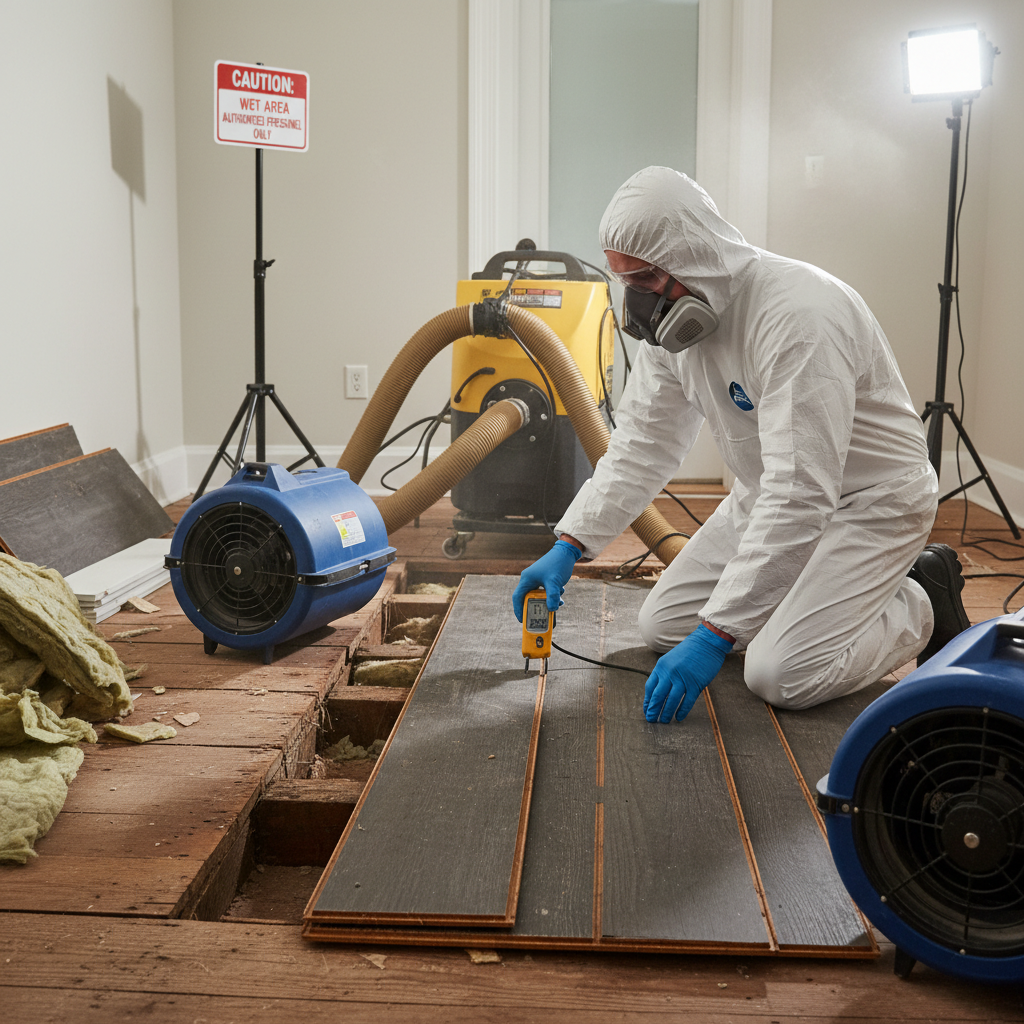
- Specialized Drying Equipment: Professionals have industrial-grade dehumidifiers, air movers, and specialized drying mats that can dry beneath the surface of the floorboards and subfloor more effectively than consumer-grade equipment.
- Contaminated Water: If the damage is from gray or black water, professional remediation is non-negotiable due to health risks.
The Professional Restoration Process
When you hire a professional water damage restoration company, they follow a structured process to ensure thorough drying, repair, and restoration of your flooring and home.
- Initial Assessment and Water Extraction:
- Professionals will use advanced moisture detection tools to accurately map the extent of water saturation, including hidden pockets.
- Powerful truck-mounted or portable extraction units are used to remove large volumes of standing water from your property.
- Drying and Dehumidification:
- High-capacity air movers, dehumidifiers, and specialized drying equipment (e.g., desiccant dehumidifiers, subfloor drying mats) are deployed to rapidly reduce moisture levels in the air and within materials.
- The drying process is continuously monitored using moisture meters to ensure materials reach safe, dry levels, preventing further damage and mold growth.
- Mold Remediation (If Necessary):
- If mold is detected or suspected, professionals will implement containment measures to prevent spores from spreading.
- Affected materials are either cleaned with EPA-approved antimicrobial agents or safely removed and disposed of. Air scrubbers are used to clean the air.
- Repair or Replacement of Damaged Components:
- Subfloor and Joists: Severely damaged subfloor sections and compromised joists will be removed and replaced to restore structural integrity.
- Floorboard Repair: For solid hardwood, minor cupping or crowning might be reversed with specialized drying, followed by sanding and refinishing.
- Floorboard Replacement: Boards that are severely buckled, warped, delaminated (engineered wood/laminate), or mold-infested will need to be carefully removed and replaced with new matching materials. This might involve replacing entire sections to ensure a uniform appearance.
- Finishing:
- Once repairs or replacements are complete, the floor will be sanded (if hardwood), stained (if applicable), and sealed with appropriate finishes to protect it and restore its original beauty.
Preventing Future Water Damage
The best way to deal with floorboards lifting after water damage is to prevent it from happening in the first place. Proactive measures can save you immense stress and cost.
- Regular Plumbing Inspections: Periodically check pipes, fixtures, and water heaters for leaks, drips, or corrosion. Consider professional plumbing inspections every few years.
- Maintain Appliance Hoses: Inspect washing machine hoses, refrigerator ice maker lines, and dishwasher supply lines annually. Replace rubber hoses with braided stainless steel ones, which are more durable.
- Seal Windows and Doors: Ensure that sealants around windows and doors are intact and not cracked or failing, preventing rainwater intrusion.
- Proper Drainage Around the Foundation: Ensure gutters are clean and direct rainwater away from your home’s foundation (at least 5-10 feet). Check that the ground slopes away from your house to prevent water pooling.
- Monitor Indoor Humidity Levels: Use a hygrometer to keep indoor humidity between 30-50%, especially in basements or during humid seasons. Use dehumidifiers if necessary.
- Immediate Spill Clean-up: Accidents happen. Clean up any spills on your floor immediately and thoroughly to prevent absorption.
- Consider Water Leak Detectors: Install smart water leak detectors in high-risk areas (under sinks, near water heaters, washing machines) that can alert you to leaks via your phone.
Navigating Insurance Claims for Water Damage
Dealing with water damaged floorboards often involves interacting with your homeowner’s insurance. Understanding the process can significantly ease the burden.
- Understand Your Policy: Review your homeowner’s insurance policy to understand what types of water damage are covered. Generally, sudden and accidental water damage (e.g., burst pipe) is covered, while damage from gradual leaks or external flooding (which requires separate flood insurance) may not be.
- Document Everything: As mentioned, take extensive photos and videos of the damage before, during, and after any immediate clean-up. Keep a detailed log of all communications with contractors and the insurance company.
- Contact Your Insurer Promptly: Report the damage to your insurance company as soon as possible. Delaying notification could complicate your claim.
- Work with Adjusters: Your insurer will send an adjuster to assess the damage. Be present during their inspection and provide all your documentation.
- Get Multiple Estimates: Obtain detailed repair estimates from reputable water damage restoration companies. This helps ensure fair pricing and provides leverage in discussions with your insurer.
Frequently Asked Questions About Water Damaged Floorboards
Can lifted floorboards be repaired without replacement?
In some cases, yes. If the water exposure was minimal and the boards experienced only minor cupping or crowning, and the subfloor is intact, aggressive drying might allow them to settle. Subsequent sanding and refinishing can often restore their appearance. However, severely buckled, delaminated, or mold-infested boards usually require replacement.
How long does it take for floorboards to dry after water damage?
The drying time varies significantly depending on the extent of water saturation, the type of wood, the humidity levels, and the drying equipment used. Minor surface water might dry in a few days, but deeply saturated floorboards and subfloors can take anywhere from a few days to several weeks to reach appropriate moisture levels, even with professional equipment.
What are the signs of mold under floorboards?
Key signs include a persistent musty or earthy odor, visible discoloration (often black, green, or white spots) on the floorboards or nearby walls, and allergic reactions or respiratory issues experienced by occupants. If the floor feels soft or spongy in areas, mold could be growing on the subfloor or joists.
Is water damage covered by homeowner’s insurance?
Most homeowner’s insurance policies cover sudden and accidental water damage, such as from a burst pipe, overflowing appliance, or sudden roof leak. However, damage from gradual leaks (e.g., a slow, unnoticed pipe drip over months), negligence, or external flooding (which requires separate flood insurance) is typically not covered. Always check your specific policy details.
Can I live in my house during water damage repair?
It depends on the extent of the damage and the nature of the repairs. For minor damage involving only a small area, living in the house might be feasible. However, for extensive water damage that requires significant drying equipment, mold remediation, or structural repairs, it’s often safer and more comfortable to relocate temporarily due to noise, dust, potential health risks from mold, and lack of utilities.
Conclusion
Dealing with floorboards lifting after water damage is a challenging but manageable problem. By understanding the causes, recognizing the signs of damage, and taking swift, appropriate action, you can mitigate the impact and restore your home. While minor issues might be tackled with careful DIY efforts, extensive water damage almost always warrants the expertise of professional water damage restoration specialists. Furthermore, adopting preventative measures and maintaining vigilance against leaks and moisture is your best defense against future water-related disasters, ensuring your floors remain beautiful and your home stays safe and healthy for years to come.