What Causes a Porch Roof to Sag?
The integrity of your porch roof depends on a delicate balance of robust materials, proper construction techniques, and ongoing maintenance. When this balance is disturbed, sagging can occur. Several factors, often in combination, contribute to this structural distress.
Water Damage and Rot
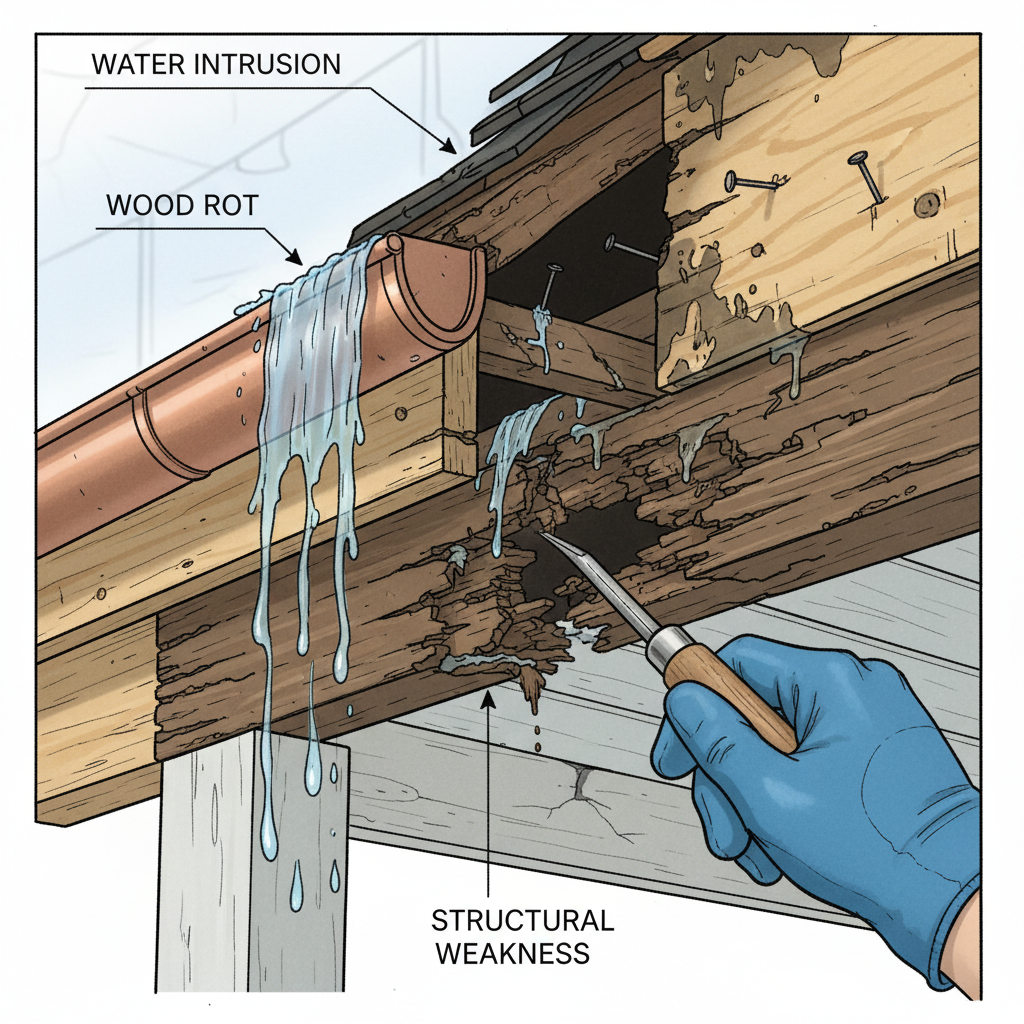
One of the most pervasive and destructive culprits behind a sagging porch roof is water damage. Constant exposure to moisture, whether from leaky gutters, ice dams, or inadequate flashing, can infiltrate the wooden components of your roof structure. Over time, this moisture leads to:
- Wood Rot: Fungi thrive in damp conditions, causing wood to decay and lose its structural strength. Rotted beams, joists, and rafters can no longer bear the load of the roof, leading to noticeable sagging.
- Rust and Corrosion: Metal fasteners, hangers, and connectors are vital for holding the roof structure together. Water exposure can cause these components to rust and corrode, weakening their hold and contributing to instability.
- Mold and Mildew: While primarily a health concern, widespread mold can indicate persistent moisture issues that are actively compromising the wood underneath.
Insufficient Structural Support
Sometimes, the problem lies not in degradation but in insufficient original design or construction. If the porch roof was built with inadequate support, it might sag under its own weight or the weight of typical environmental loads.
- Undersized Beams and Rafters: If the wooden members are too small or spaced too far apart for the span they cover and the load they are intended to carry, they will naturally deflect or sag over time.
- Weak Connections: The points where beams meet columns or where rafters connect to the house frame are critical. If these connections are poorly fastened, improperly aligned, or use weak hardware, they can fail, leading to sagging.
- Lack of Proper Bracing: Diagonal bracing or other reinforcement elements are essential for preventing lateral movement and distributing loads. Their absence can allow the structure to warp and sag.
Material Degradation and Age
Like all building materials, those used in your porch roof have a finite lifespan. Over decades, even well-constructed roofs can begin to show signs of wear and tear.
- Fatigue: Continuous stress from gravity, wind, and temperature fluctuations can cause wood fibers to fatigue and lose elasticity, leading to permanent deflection.
- Drying and Shrinkage: Wood can dry out and shrink over many years, which can loosen connections and reduce the overall rigidity of the structure.
- Pest Infestations: Termites, carpenter ants, and other wood-boring insects can tunnel through and compromise the structural integrity of beams and joists, leaving them hollow and weak.
Poor Original Construction
Regrettably, not all construction projects are executed with the same level of craftsmanship or adherence to building codes. A porch roof sagging early in its life or shortly after construction might point to fundamental flaws in its original build.
- Incorrect Load Calculations: A builder might have miscalculated the weight the roof needed to bear, leading to an under-engineered structure.
- Substandard Materials: Using lower-grade lumber or materials that are not suitable for exterior use can accelerate deterioration.
- Failure to Meet Codes: Building codes are designed to ensure safety and durability. Non-compliance can result in structural weaknesses that manifest as sagging.
Foundation Problems Affecting Columns
The columns supporting your porch roof are only as stable as the ground beneath them. If the foundation or footings for these columns settle or shift, the columns can sink, creating a noticeable dip in the roofline.
- Soil Erosion: Water runoff can erode soil around column footings, undermining their support.
- Poor Soil Compaction: If the soil beneath the footings was not properly compacted during construction, it can settle over time.
- Freeze-Thaw Cycles: In colder climates, repeated freezing and thawing of soil can cause frost heave, pushing up or settling footings unevenly.
Heavy Snow Load or Debris
While often a temporary issue, prolonged or excessive weight on a porch roof can contribute to permanent sagging, especially if the structure is already compromised.
- Snow Accumulation: Heavy, wet snow or significant accumulation can exert immense pressure. If not adequately designed for, or if left uncleared for too long, it can cause structural members to deflect permanently.
- Debris Accumulation: Piled-up leaves, branches, and other organic debris can trap moisture and add considerable weight, contributing to both water damage and physical stress.
The Dangers of a Sagging Porch Roof
The dangers associated with a sagging porch roof extend far beyond cosmetic imperfections. These issues can have serious implications for your home’s safety, structural integrity, and overall value.
Structural Collapse
The most immediate and severe risk of a sagging porch roof is its potential for collapse. As the structural members weaken and deflect, they eventually reach a breaking point. A sudden collapse can lead to:
- Personal Injury: Anyone standing under or near the porch at the time of collapse could suffer severe injuries or even fatalities.
- Damage to Property: Falling debris can damage anything beneath the porch, including furniture, vehicles, or the adjacent parts of your home.
Further Property Damage
A sagging roof is often a symptom of water intrusion, which, if left unaddressed, will lead to more extensive and costly damage to other parts of your home.
- Foundation Issues: Persistent water runoff from a compromised roof can saturate the soil around your home’s foundation, potentially leading to cracks, settlement, and even basement flooding.
- Wall Damage: Water can seep into exterior walls, causing rot in framing, damage to insulation, and deterioration of siding materials.
- Interior Damage: If water penetrates deeply enough, it can affect interior finishes like drywall, paint, and flooring, leading to mold growth and significant repair expenses.
Reduced Home Value
A visibly sagging porch roof instantly signals neglect and significant structural problems to potential buyers. This can severely diminish your home’s market value and make it difficult to sell.
- Curb Appeal Deterioration: The first impression a home makes is crucial. A sagging porch roof detracts significantly from curb appeal.
- Inspection Red Flags: A home inspector will undoubtedly flag a sagging roof as a major defect, leading to demands for extensive repairs or a substantial price reduction.
- Insurance Complications: Some insurance policies may not cover damage resulting from long-term neglect, potentially leaving you to bear the full cost of repairs.
How to Assess the Severity of a Sagging Porch Roof
Before you can consider solutions, it’s essential to accurately assess the extent of the damage. While a professional inspection is always recommended, you can perform an initial assessment yourself to gauge the severity.
Visual Inspection
Start with a thorough visual examination from a distance and up close.
- Look for Obvious Dips: Stand back and look along the roofline. Is there a noticeable dip or curve where there should be a straight line?
- Inspect for Cracks or Gaps: Check where the porch roof meets the house, or where beams join columns. Look for new cracks, separation, or widening gaps.
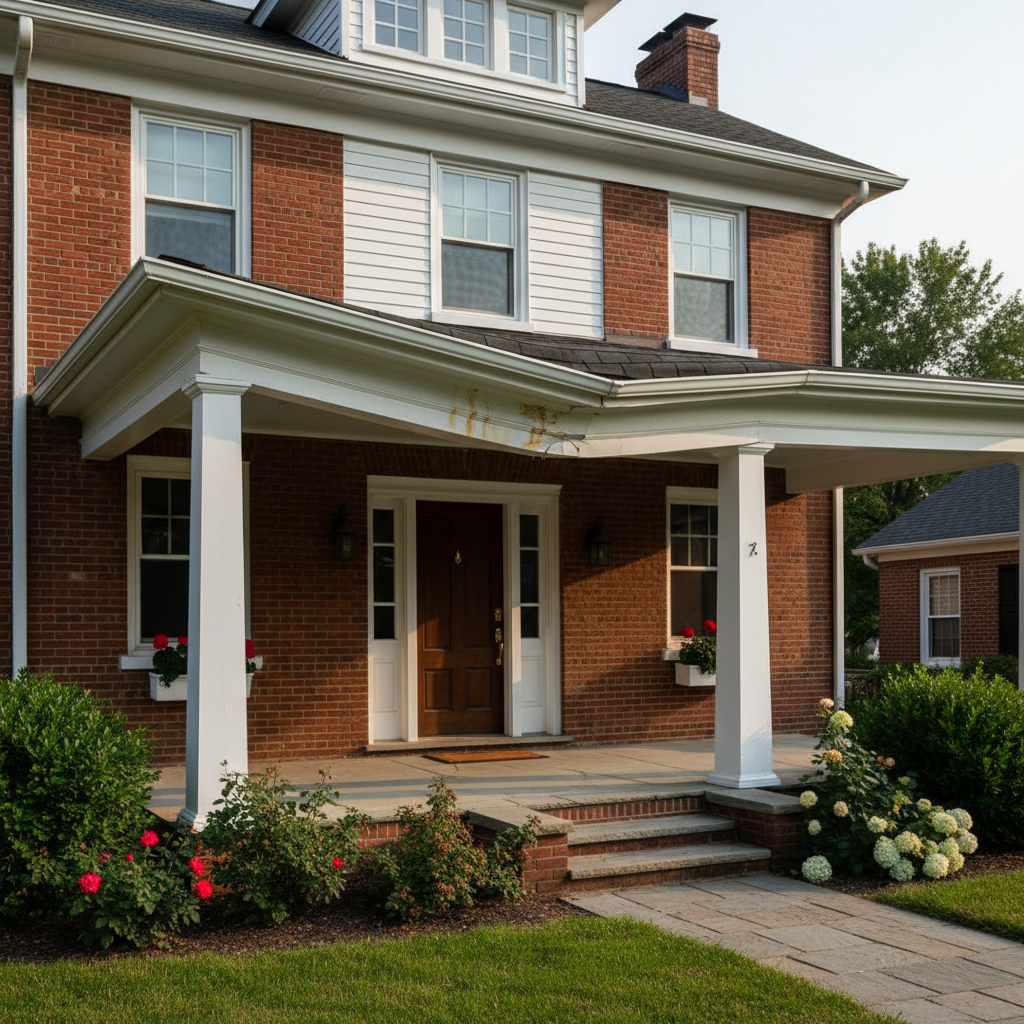
- Search for Water Stains: Examine the underside of the porch roof, columns, and adjacent house walls for water stains, discoloration, or peeling paint. These are clear signs of moisture intrusion.
- Check for Deteriorated Materials: Look for soft spots, crumbling wood, or excessive mold on wooden components. Any signs of rot are critical.
Using a Level
A long level (4-foot or longer) or a string line can help confirm sagging that might not be immediately obvious.
- Check Beams: Place the level against the underside of main support beams. If the bubble is off-center, or if you can see a significant gap under the string line, it indicates deflection.
- Check Rafters: Similarly, use the level or string line on individual rafters or joists.
Checking for Water Stains and Rot
This goes beyond a visual glance. You’ll need to get up close and personal.
- Probe Wood with an Awl or Screwdriver: Gently press into suspicious areas of wood. If the wood is soft, spongy, or crumbles easily, it’s likely rotted. Pay special attention to areas near gutters, where water might pool.
- Examine Gutter System: Ensure gutters are clean, properly sloped, and securely attached. Clogged or damaged gutters are a primary cause of water overflow onto the porch structure.
- Inspect Flashing: Check the metal flashing where the porch roof meets the house wall. It should be intact and properly sealed to prevent water penetration.
Inspecting Columns and Beams
The vertical and horizontal supports are critical to the roof’s stability.
- Column Plumbness: Use a level to check if columns are perfectly vertical (plumb). If they are leaning, it could indicate foundation issues or structural shifting.
- Column Bases: Inspect the bases of columns for rot, particularly where they meet the ground or deck surface.
- Beam-to-Column Connections: Look for signs of stress, splitting wood, or rusted fasteners at these crucial joints.
DIY vs. Professional Help: When to Call the Experts
Deciding whether to tackle a sagging porch roof yourself or hire a professional depends entirely on the extent and nature of the damage. While minor aesthetic issues or basic maintenance might be DIY-friendly, structural sagging almost always warrants expert intervention.
- When to DIY (Minor Issues Only):
- Cosmetic Sagging: If the sag is purely cosmetic and not due to structural failure (e.g., slight warping of decorative trim that doesn’t bear weight).
- Gutter Cleaning/Repair: Addressing clogged gutters or making minor repairs to redirect water flow.
- Surface Sealing/Painting: Applying protective finishes to prevent future water damage on intact wood.
- When to Call a Professional (Most Cases):
- Visible Structural Sagging: If you can see a noticeable dip or curve in the main roofline or support beams.
- Rot or Pest Damage: Significant wood rot, especially in load-bearing members, or evidence of widespread pest infestation.
- Foundation Issues: If columns are leaning or sinking due to foundation problems.
- Any Doubt About Safety: If you are unsure about the cause or severity, or if the porch feels unstable.
- Permit Requirements: Many structural repairs require building permits and inspections to ensure safety and compliance with local codes. A professional contractor will handle this.
Professionals, such as structural engineers, general contractors specializing in renovations, or experienced carpenters, have the expertise, tools, and insurance necessary to safely and effectively diagnose and repair structural problems. They can accurately assess loads, recommend appropriate materials, and ensure the repair is up to code.
Repairing a Sagging Porch Roof: Potential Solutions
The repair strategy for a sagging porch roof will depend heavily on the underlying cause and the extent of the damage. These solutions often require specialized skills and tools.
Addressing Water Damage and Wood Rot
This is often the first step in any repair process if moisture is the culprit.
- Identify and Eliminate Source: Repair leaky gutters, faulty flashing, or improve drainage around the porch.
- Remove and Replace Rotted Wood: Severely rotted sections of beams, joists, or columns must be carefully removed and replaced with new, pressure-treated lumber that matches the original dimensions and load-bearing capacity. This often involves temporarily shoring up the roof.
- Apply Wood Preservatives: After replacing rotted sections, consider applying wood preservatives to all susceptible areas to deter future decay and pest infestations.
Reinforcing or Replacing Support Beams
If the main horizontal beams are undersized, weakened, or extensively rotted, they will need attention.
- Shoring and Jacking: The existing roof will need to be safely shored up (supported temporarily) using hydraulic jacks and sturdy lumber to relieve pressure from the sagging beam.
- Sistering Beams: For less severe sagging or added strength, new lumber can be “sister-ed” (bolted or glued) alongside the existing beam, effectively creating a stronger, thicker beam.
- Full Beam Replacement: In cases of extensive damage or undersizing, the entire beam may need to be removed and replaced with a properly sized, new structural beam.
Repairing or Replacing Columns
The vertical supports are crucial for transferring the roof’s weight to the ground.
- Jacking and Temporary Support: Similar to beams, the roof must be temporarily supported while a column is worked on.
- Column Replacement: Rotted, damaged, or undersized columns should be replaced with new ones, typically made from pressure-treated wood, composite materials, or masonry, ensuring they are properly anchored and plumb.
- Base Repair: The footing or base of the column might need repair or replacement to ensure proper drainage and prevent future rot.
Jacking Up the Roof
This is a critical, delicate step performed by professionals to restore the roof to its original level.
- Gradual Lifting: Using specialized jacks, the roof is slowly and incrementally lifted back into place. This process must be done cautiously to avoid sudden shifts, cracking, or further damage to the structure or the attached house.
- Monitoring: Professionals will continuously monitor the roof and surrounding structures during the jacking process to ensure stability.
Foundation Repair (if applicable)
If the sagging is due to settled column footings or an unstable foundation, this deeper issue must be addressed.
- Underpinning: This involves extending the foundation deeper into the soil or widening the footing to provide greater stability.
- Soil Stabilization: In some cases, improvements to soil drainage or compaction around the footing may be necessary.
Re-roofing and Sealing
Once the underlying structure is sound, it’s important to ensure the roof covering itself is up to par.
- New Roofing Materials: If the original roofing material was contributing to the problem (e.g., absorbing too much water), or if it was damaged during the repair, a new roof covering might be necessary.
- Flashing and Sealants: Ensure all flashing around chimneys, vents, and where the porch roof meets the house is properly installed and sealed to prevent water intrusion.
Preventing a Porch Roof from Sagging in the Future
Prevention is always more cost-effective and less disruptive than repair. By implementing a proactive maintenance strategy, you can significantly extend the life of your porch roof and avoid future sagging issues.
Regular Inspections and Maintenance
Make it a habit to inspect your porch roof and its supporting structures at least once a year, preferably in the spring and fall.
- Visual Checks: Look for any early signs of sagging, cracks, gaps, or material deterioration.
- Probe for Rot: Periodically check wooden components for softness, especially at joints and ground contact points.
- Check Fasteners: Ensure all bolts, screws, and nails are secure and not rusted. Tighten or replace as needed.
- Professional Inspections: Consider a professional home inspection every few years, especially if your home is older or you live in an area prone to harsh weather.
Proper Drainage and Gutter Maintenance
Effective water management is paramount for preventing wood rot and structural damage.
- Clean Gutters Regularly: Remove leaves, twigs, and debris from gutters and downspouts to ensure water flows freely away from the porch and foundation. Clogged gutters are a leading cause of porch roof issues.
- Inspect Gutter Condition: Ensure gutters are securely attached, free of leaks, and properly sloped towards downspouts.
- Extend Downspouts: Make sure downspouts discharge water at least 5-10 feet away from the porch columns and your home’s foundation.
- Proper Flashing: Verify that all flashing (especially where the porch roof meets the main house) is intact and creating a watertight seal. Reapply sealants if they are cracked or missing. For more general exterior maintenance tips, consider resources like Better Homes & Gardens’ exterior home maintenance checklist.
Sealing and Painting Wood Components
Protecting exposed wood from the elements is a simple yet effective preventive measure.
- Apply Exterior Paint or Stain: Regularly paint or stain all wooden elements of your porch, including columns, beams, and railings. These coatings act as a barrier against moisture and UV radiation.
- Use Quality Sealants: Ensure all joints, cracks, and gaps in the porch structure are sealed with exterior-grade caulk to prevent water intrusion.
Ensuring Adequate Ventilation
Good airflow helps to dry out any moisture that might accumulate and prevents the buildup of humidity that encourages rot and mold.
- Open Design: If your porch allows for it, an open design naturally provides good ventilation.
- Vents: For enclosed areas under a porch deck or within certain architectural styles, ensure there are adequate vents to promote airflow.
Timely Snow Removal
In regions with heavy snowfall, proactive snow removal can save your porch roof from undue stress.
- Clear Snow Safely: Gently remove heavy snow accumulation from your porch roof using a roof rake or a broom. Be careful not to damage the roofing materials or put yourself at risk.
- Beware of Ice Dams: Address potential ice dam formation, which can cause water to back up under roofing materials and infiltrate the structure.
FAQs About Porch Roof Sagging
Q: Is a sagging porch roof dangerous?
A: Yes, absolutely. A sagging porch roof is a significant safety hazard. It indicates structural instability and can lead to sudden collapse, causing severe injury or even death. It also exposes other parts of your home to further damage from water intrusion and structural stress.
Q: How much does it cost to fix a sagging porch roof?
A: The cost varies widely depending on the cause, the extent of the damage, the materials needed, and local labor rates. Minor repairs for water damage might cost a few hundred dollars, while extensive structural repairs involving jacking, beam replacement, and foundation work could range from several thousand to over ten thousand dollars. Getting multiple professional estimates is crucial.
Q: Can I fix a sagging porch roof myself?
A: For minor, purely cosmetic issues, some DIY is possible. However, if the sag is due to structural problems, wood rot in load-bearing members, or foundation issues, it’s strongly recommended to hire a professional. Structural repairs require specific expertise, tools, and an understanding of building codes to ensure safety and longevity.
Q: How long does a porch roof last?
A: The lifespan of a porch roof depends on the materials used, quality of construction, climate, and maintenance. A well-built and properly maintained porch roof can last 20-50 years, often matching the lifespan of the house’s main roof. However, neglecting maintenance or persistent water issues can drastically reduce its lifespan.
Q: What are the signs of a failing porch roof?
A: Key signs include visible dips or curves in the roofline, cracks or gaps where the roof meets the house or columns, water stains on the underside of the roof or columns, soft or crumbling wood (rot), leaning columns, rusted fasteners, and persistent pest infestations in wooden components. Any of these should prompt immediate investigation.
Conclusion: Safeguarding Your Home, One Porch at a Time
A sagging porch roof is a clear signal that your home needs attention. While it might seem daunting, understanding the common causes – from water damage and insufficient support to age and poor construction – is the first step toward a solution. Prioritizing the repair of a sagging porch roof isn’t just about restoring curb appeal; it’s about safeguarding the structural integrity of your entire home and ensuring the safety of your loved ones. By conducting regular inspections, addressing issues promptly, and knowing when to call in the professionals, you can prevent minor problems from escalating into major disasters. Investing in the health of your porch roof is an investment in the long-term beauty, value, and safety of your most cherished asset: your home.