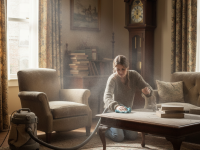
Living in an old home comes with a unique charm – the history, the architectural details, the sense of character that modern builds often lack. However, one common and often frustrating challenge for owners of vintage properties is the relentless battle against dust. If you find yourself constantly wiping surfaces, sneezing, and noticing a fresh layer of particulate matter appearing seemingly moments after you’ve cleaned, you’re likely grappling with excessive dust in old homes. This pervasive issue isn’t just an aesthetic annoyance; it can impact indoor air quality, trigger allergies, and even reduce the lifespan of your furnishings. But fear not, this comprehensive guide will delve into the root causes of dust accumulation in older residences and provide actionable, long-term solutions to reclaim a cleaner, healthier living environment.
Understanding Why Old Homes Are Dust Magnets
Before we can effectively combat the dust, it’s crucial to understand why older homes are particularly susceptible. Their age and construction often present unique factors that contribute to greater dust accumulation than their newer counterparts.
Age and Settling
Over decades, or even centuries, old homes naturally settle and shift. This movement can create tiny cracks and gaps in walls, foundations, and around window and door frames. These microscopic pathways act like tiny conduits, allowing outdoor dust, pollen, and pollutants to infiltrate your living spaces. What might seem like an insignificant crack can, over time, become a consistent source of new dust.
Building Materials and Deterioration
Many older homes were built using materials that, while durable, can degrade over time and contribute to indoor dust. Plaster and lathe walls, old insulation, and even deteriorating wood can shed microscopic fibers and particles. Furthermore, lead-based paint, once common, can chip and flake, adding hazardous dust to the mix. Even less obvious elements, like old carpet padding or worn-out subflooring, can be silent dust generators as they break down.
Inefficient HVAC Systems and Ductwork
If your old home has a central heating and air conditioning system, it might be an older model that’s less efficient at filtering air. More critically, the ductwork itself might be original and riddled with leaks, gaps, or even accumulated debris from decades past. Leaky ducts can pull in dust from attics, basements, or wall cavities and distribute it throughout your home. Uncleaned ducts can also harbor vast amounts of dust, pet dander, and allergens, recirculating them every time the system runs.
Drafts and Air Leaks
Old windows and doors are notorious for being drafty. While often perceived as just a heating inefficiency, these drafts are direct entry points for outdoor dust and allergens. Cracks around electrical outlets, poorly sealed attic hatches, and gaps where pipes enter walls also allow unfiltered outdoor air – and its accompanying dust – to penetrate your home. Every gust of wind outside can push a fresh batch of particles inside.
History of Occupancy and Contents
Old homes carry the legacy of their past inhabitants. While charming, this can also mean decades of accumulated dust, pet dander, and fibers embedded in the very structure of the home – in flooring, wall cavities, and even furniture that has been passed down. Inherited rugs, drapes, and upholstered furniture, if not thoroughly cleaned or replaced, can be significant reservoirs of dust.
Comprehensive Solutions for Tackling Excessive Dust
Addressing excessive dust in an old home requires a multi-pronged approach, combining thorough cleaning with proactive measures to prevent its return.
Start with a Deep Clean
Before implementing long-term strategies, an initial deep clean is essential to remove existing dust and give you a fresh starting point. This isn’t just a quick sweep; it’s a meticulous process.
- Declutter Extensively: Less clutter means fewer surfaces for dust to settle on and easier cleaning.
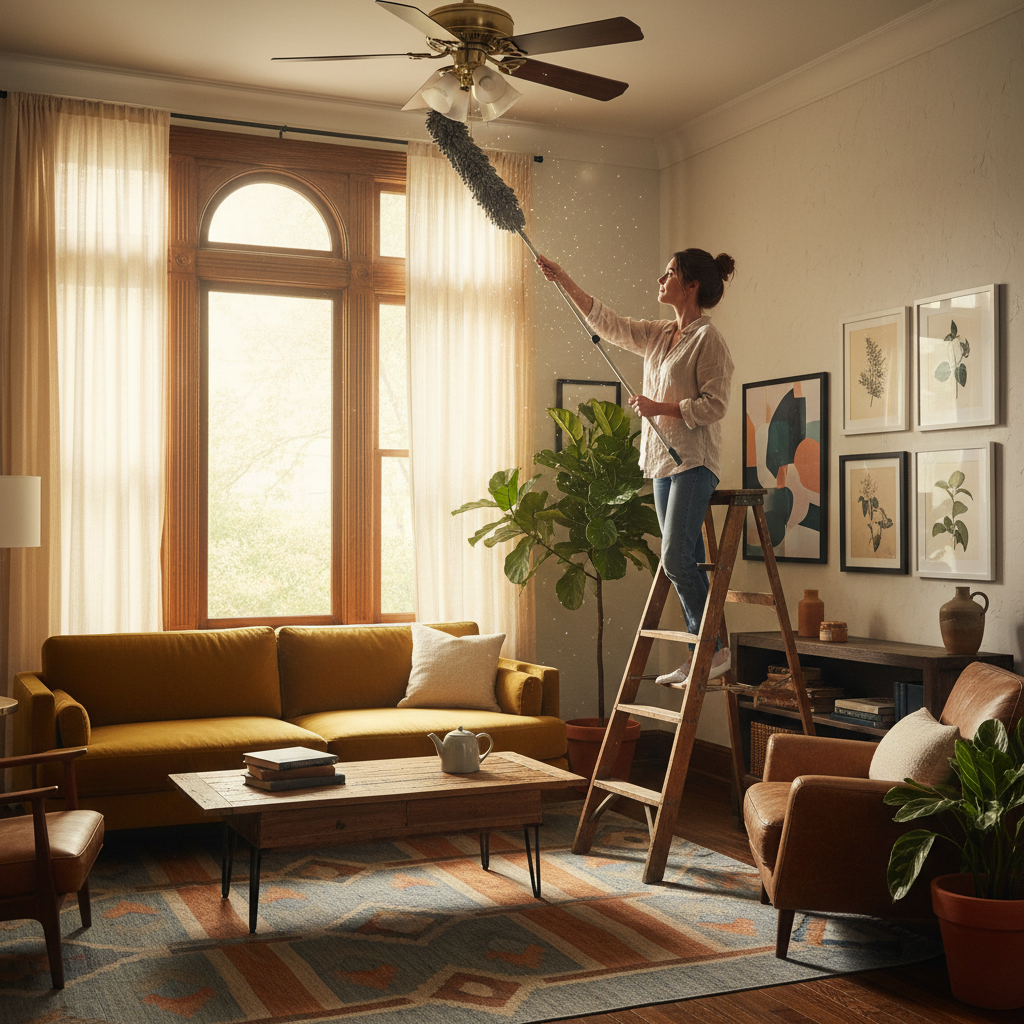
- High-Reach Dusting: Start from the top down. Use extendable dusters for ceiling fans, light fixtures, crown molding, and the tops of cabinets.
- Wall and Ceiling Wiping: Walls and ceilings can accumulate a surprising amount of dust. Use a clean, damp cloth or a wall mop.
- Vacuum Upholstery: Use a vacuum attachment to thoroughly clean sofas, chairs, and other upholstered furniture.
- Wash All Linens and Drapes: Launder curtains, blinds, bedding, and throws. For drapes that can’t be washed, consider professional cleaning or a thorough vacuuming.
- Empty and Clean Cabinets/Drawers: Dust settles inside these too. Remove contents, wipe thoroughly, and clean items before returning them.
Upgrade Your HVAC System and Filters
Your heating and cooling system is a powerful tool in your dust-fighting arsenal if optimized correctly.
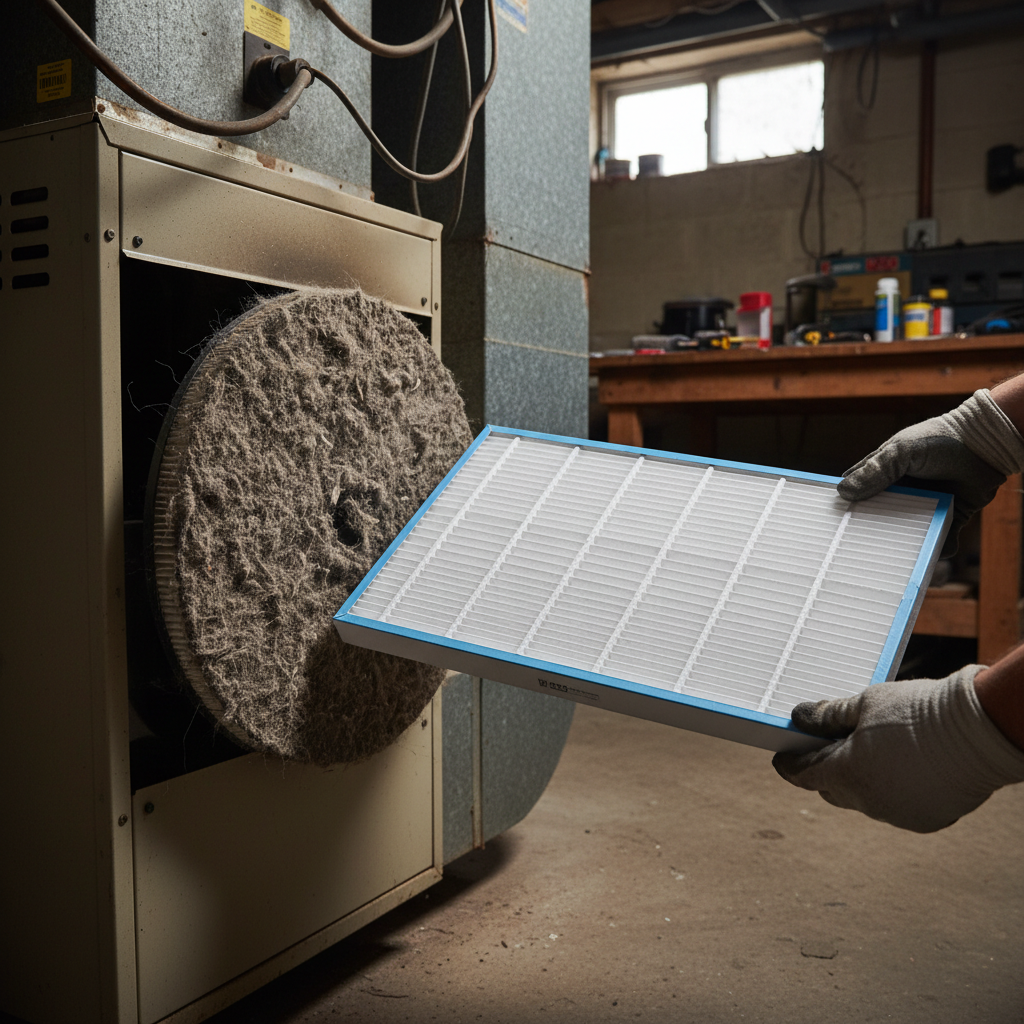
- High-MERV Filters: Replace your standard furnace filters with high-efficiency particulate air (HEPA)-style or MERV (Minimum Efficiency Reporting Value) 11-13 filters. These filters are designed to capture smaller particles, including dust, pollen, and pet dander. Check the filter regularly (monthly) and change it every 1-3 months, depending on usage and household conditions.
- Professional HVAC Maintenance: Schedule annual inspections and tune-ups. A well-maintained system runs more efficiently and filters air better.
- Duct Cleaning: Consider professional duct cleaning, especially if your home is very old, you’ve recently moved in, or you suspect significant buildup. This can remove decades of accumulated dust, mold spores, and allergens from your air distribution system. Be sure to use a reputable service that can also seal any leaks they find in the ductwork.
Seal Air Leaks and Improve Insulation
Minimizing the influx of outdoor dust is paramount. Think of sealing your home as creating a tighter envelope.
- Weatherstripping and Caulk: Inspect all windows and doors. Apply new weatherstripping where needed and seal any gaps or cracks with exterior-grade caulk. Don’t forget around window and door frames on the exterior.
- Seal Electrical Outlets and Switches: Use foam gaskets behind outlet and switch plates on exterior walls to prevent drafts.
- Attic and Basement Sealing: Seal gaps around pipes, wires, and ducts where they penetrate walls, floors, and ceilings. Ensure your attic hatch is properly sealed and insulated. Improved insulation in attics and walls can also reduce air infiltration.
- Foundation Repair: If you have visible cracks in your foundation, consult a professional. Beyond structural concerns, these can be significant entry points for dust and moisture.
For more detailed guidance on air sealing, you might find valuable resources from building science experts or even local utility companies that offer energy audit programs.
Choose the Right Cleaning Tools and Techniques
How you clean is as important as how often you clean when tackling persistent dust.
- Microfiber Cloths: These cloths are superior to traditional rags because their unique fibers trap and hold dust instead of just pushing it around. Dampen them slightly for even better dust collection.
- HEPA Vacuums: Invest in a vacuum cleaner equipped with a true HEPA filter. This ensures that the fine dust particles picked up by the vacuum are trapped inside the machine and not exhausted back into the air. Regularly clean or replace your vacuum’s filters.
- Wet Dusting: Rather than dry dusting, which can aerosolize dust, use a slightly damp cloth or mop for hard surfaces and floors. This effectively captures and removes particles.
- Start High, Go Low: Always dust and clean from the highest points in a room downwards, allowing dislodged dust to fall to the floor where it can be vacuumed or mopped.
- Regular Floor Cleaning: Vacuum carpets and rugs at least twice a week. Mop hard floors with a damp mop equally often.
Control Indoor Humidity
Humidity levels play a role in how dust behaves. Too dry an environment can cause static cling, making dust adhere to surfaces and circulate easily. Too high humidity can lead to mold and mildew, which contribute to dust and allergens.
- Maintain Optimal Humidity: Aim for indoor humidity levels between 30% and 50%. Use a hygrometer to monitor this.
- Dehumidifiers: In humid climates or damp basements, a dehumidifier can prevent dust mites, mold, and general ‘stuffiness’ that can make dust feel heavier.
- Humidifiers: In very dry conditions, a humidifier can prevent excessive static and dry skin, but use it sparingly and clean it regularly to prevent mold growth within the unit.
Manage Fabrics and Upholstery
Fabrics are major dust collectors and producers in older homes.
- Wash Bedding Frequently: Sheets, pillowcases, and duvet covers should be washed in hot water weekly to kill dust mites and remove dander.
- Regularly Clean Drapes and Blinds: Vacuum heavy drapes or blinds regularly. For washable curtains, launder them seasonally. Consider opting for easy-to-clean blinds or shades instead of heavy fabric drapes.
- Area Rugs Over Wall-to-Wall Carpeting: If your old home has wall-to-wall carpeting, consider replacing it with hard flooring and using washable area rugs. Carpeting acts as a huge reservoir for dust, allergens, and pet dander. If replacing isn’t an option, invest in powerful, frequent vacuuming.
- Slipcovers: For upholstered furniture, consider washable slipcovers that can be removed and laundered regularly.
Consider Air Purification Systems
Even with other measures, an air purifier can be a valuable addition to an old home.
- Standalone Air Purifiers: Place HEPA-filtered air purifiers in rooms where you spend the most time, especially bedrooms. They continuously filter airborne particles.
- Whole-Home Air Purification: For a more comprehensive solution, consider a whole-home air purification system integrated into your HVAC ductwork. These systems are more powerful and ensure filtered air throughout the entire house.
Tackle Specific Dust Generators
Identify and address unique dust sources common in older properties.
- Fireplaces: Ensure your fireplace flue is closed when not in use. Clean the firebox regularly and consider a professional chimney sweep to remove soot and creosote, which can become airborne dust.
- Pet Dander: If you have pets, groom them regularly (ideally outdoors) to reduce shedding. Bathe them as recommended by a vet. Use specialized pet vacuums and wash pet bedding frequently.
- Open Shelving: While aesthetically pleasing, open shelving in old homes can be a dust trap. Consider glass-front cabinets or curating items to reduce the amount of exposed surface area.
Regular Maintenance Schedule
Consistency is key to keeping dust at bay in an old home. Establish a cleaning routine:
- Daily: Quick wipe-downs of high-traffic surfaces, sweep kitchen floor.
- Weekly: Vacuum all floors, dust all surfaces, clean bathrooms.
- Monthly: Mop hard floors thoroughly, vacuum upholstery, change HVAC filters.
- Seasonally: Wash drapes, clean light fixtures, deep clean carpets/rugs, exterior window cleaning.
Landscaping and Exterior Considerations
The exterior of your home can impact indoor dust levels more than you might think.
- Entryway Mats: Place sturdy doormats both outside and inside all entryways. Encourage family members and guests to wipe their feet thoroughly or remove shoes.
- Paved Walkways: If your home has gravel or dirt paths leading to entrances, consider paving them to reduce tracking in outdoor dust and soil.
- Gutter Maintenance: Keep gutters clean. Overflowing gutters can lead to moisture issues and dust accumulation near the foundation.
Lifestyle Changes to Reduce Dust Build-up
Beyond cleaning, certain habits can significantly minimize dust.
Declutter Regularly
Fewer items mean fewer surfaces for dust to collect on. Regularly go through your belongings and donate, discard, or organize items that are not actively used or displayed.
Shoe-Free Zones
Adopting a “no shoes in the house” policy dramatically reduces the amount of dirt, dust, pollen, and chemicals tracked in from outside. Place a shoe rack or basket near the entryways.
Pet Grooming
Regular brushing and bathing for pets, especially those with long coats, can significantly cut down on pet dander, a major component of household dust.
Indoor Plant Benefits (and Dust Traps)
While some plants can help purify the air, their leaves can also become dust collectors. Regularly wipe down plant leaves with a damp cloth to keep them clean and healthy, and prevent them from becoming an additional dust source.
When to Call in the Professionals
While many dust-fighting strategies can be DIY, some situations warrant professional help, particularly in old homes.
- Asbestos or Lead Paint: If your old home contains lead paint or asbestos (common in insulation, floor tiles, and pipe wraps), professional abatement is crucial. Disturbing these materials can release dangerous particles into the air.
- Mold Remediation: Persistent dampness and mold contribute significantly to dust and poor air quality. If you suspect a major mold issue, professional remediation is necessary.
- Major Air Sealing and Insulation: While you can caulk and weatherstrip, comprehensive air sealing and insulation upgrades, especially in attics, crawl spaces, or wall cavities, are often best left to experienced contractors. An energy audit can help pinpoint major problem areas.
- HVAC Overhauls: Replacing an old, inefficient HVAC system or repairing extensive ductwork leaks is a job for certified professionals.
- Extremely High Dust Levels with Health Impacts: If despite your best efforts, dust remains excessive and causes persistent respiratory issues or allergies, consult with an environmental health specialist or an allergist. They might recommend professional air quality testing to identify specific allergens or pollutants. For practical cleaning advice, you can often find useful tips from resources like Good Housekeeping’s comprehensive cleaning guides.
Frequently Asked Questions (FAQs)
Why do old houses seem dustier than new ones?
Old houses are typically dustier due to several factors including structural settling creating tiny cracks and gaps for outdoor dust infiltration, aging building materials shedding particles, less efficient or leaky HVAC systems, drafts around old windows and doors, and decades of accumulated dust and materials from past occupants. These elements combined create a more porous and dust-prone environment compared to modern, tightly sealed homes.
How often should I dust and vacuum in an old home?
To effectively manage excessive dust in an old home, a more frequent cleaning schedule is often necessary. Aim to dust surfaces at least once a week, and vacuum carpets/rugs and mop hard floors two to three times a week. High-traffic areas or homes with pets or allergies might require daily spot cleaning or vacuuming.
Can certain old house materials cause more dust?
Yes, absolutely. Materials like plaster and lathe walls can shed fine particles as they age. Old, deteriorating insulation, especially if exposed or in wall cavities, can also contribute. Furthermore, crumbling mortar, old wood fibers from subflooring, and even specific types of flooring or carpeting prevalent in older eras can break down and become airborne dust.
Are there eco-friendly ways to reduce dust?
Yes, many dust-reducing methods are eco-friendly. Using microfiber cloths (which can be washed and reused for years) instead of disposable wipes, opting for natural cleaning solutions like vinegar and water, investing in durable, high-quality HEPA-filtered appliances, improving home insulation for energy efficiency, and choosing hard flooring over wall-to-wall carpeting are all environmentally conscious choices that also combat dust.
How do I know if my dust problem is health-related?
If your excessive dust problem is accompanied by persistent allergy symptoms (sneezing, runny nose, itchy eyes), asthma flare-ups, skin irritations, or unexplained respiratory issues, it’s possible the dust is impacting your health. Old home dust can contain allergens like dust mites, pet dander, mold spores, and even lead or asbestos particles. If you suspect health implications, consider professional indoor air quality testing and consult with your doctor or an allergist.
Tackling excessive dust in an old home is an ongoing journey, not a one-time fix. By understanding the unique challenges presented by vintage properties and systematically implementing these solutions – from thorough cleaning techniques and HVAC upgrades to sealing air leaks and adopting mindful habits – you can significantly reduce dust accumulation. The result will be a healthier, more comfortable, and visually cleaner living space that allows you to fully appreciate the timeless beauty of your beloved old home without the constant reminder of its dusty past.