Understanding the Essence of Cozy Style
Before we dive into specific design ideas, let’s truly understand what “cozy style” embodies. More than a trend, it’s a feeling, a philosophy often inspired by Scandinavian concepts like Hygge (Danish for coziness and comfort) and Lagom (Swedish for ‘just right’). It’s about creating an environment where you feel secure, content, and relaxed. Key characteristics include:
- Warmth: Both literal and metaphorical, through colors, textures, and lighting.
- Comfort: Furnishings that invite lounging and relaxation.
- Simplicity: A focus on essential, meaningful items rather than clutter.
- Natural Elements: Incorporating wood, plants, and organic materials.
- Personal Touch: Spaces that feel lived-in and reflect your personality.
The beauty of the cozy style is its forgiving nature. It doesn’t demand perfection or adherence to rigid rules, making it ideal for beginners who want to experiment and discover their personal aesthetic while prioritizing comfort.
Getting Started: The Beginner’s Mindset
As a beginner, approaching home design can be daunting. The key is to start with a clear, calm mindset. Don’t feel pressured to complete everything at once. Think of it as an evolving project, a canvas you’ll slowly fill with elements that bring you joy. Here’s how to begin:
- Assess Your Space: What are its natural advantages (e.g., good light, existing features)? What are its challenges?
- Define Your Needs: How do you use this space? What activities will happen here?
- Gather Inspiration: Create a mood board (physical or digital) with images that evoke a cozy feeling for you. Pinterest, Instagram, and design magazines are great resources.
- Prioritize: Decide which areas need attention first. Often, the living room or bedroom is a good starting point for establishing a cozy vibe.
Foundation Elements for a Cozy Home
Building a cozy sanctuary involves several foundational elements that work together to create an inviting atmosphere. These are the pillars of simple home design for beginners aiming for that coveted cozy style.
Color Palette: Warm & Inviting
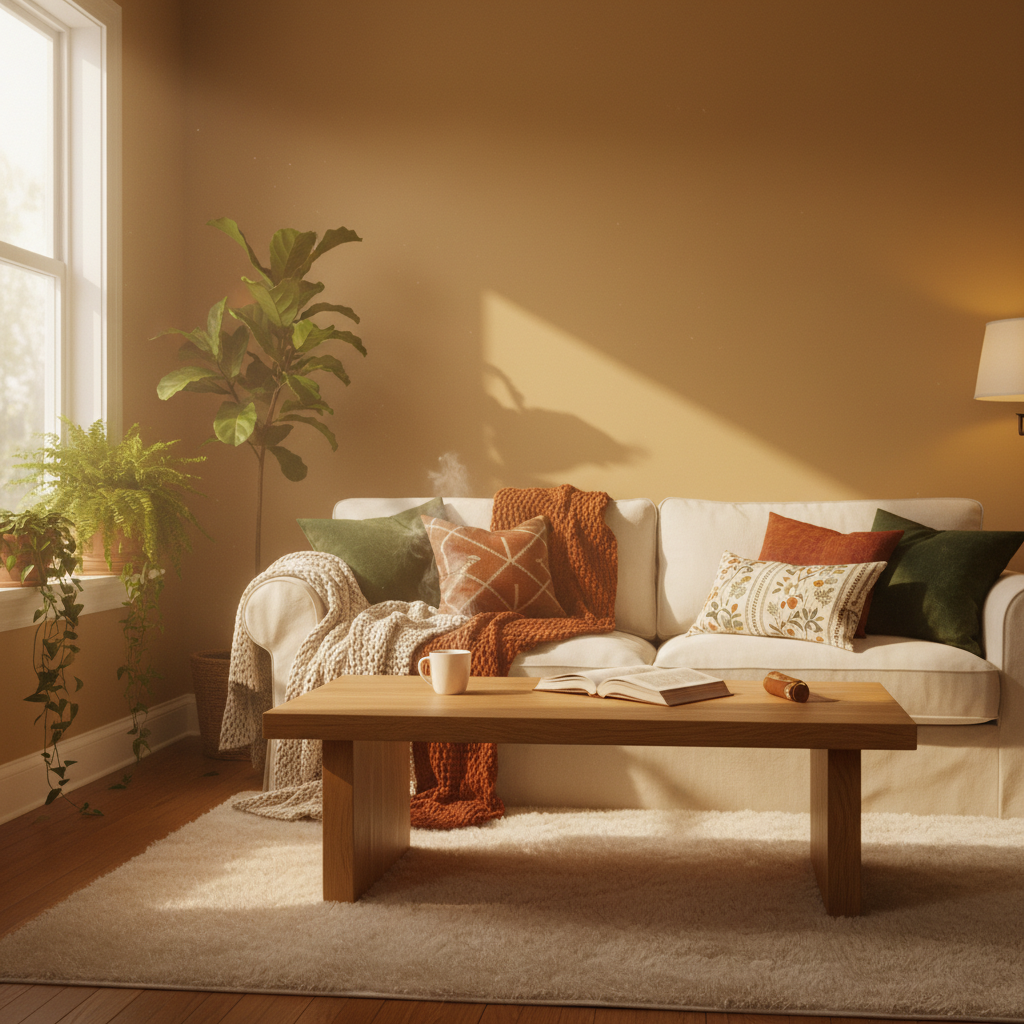
Colors play a crucial role in setting the mood. For a cozy style, opt for warm, earthy tones and muted shades that promote relaxation rather than stimulate. Think of colors found in nature.
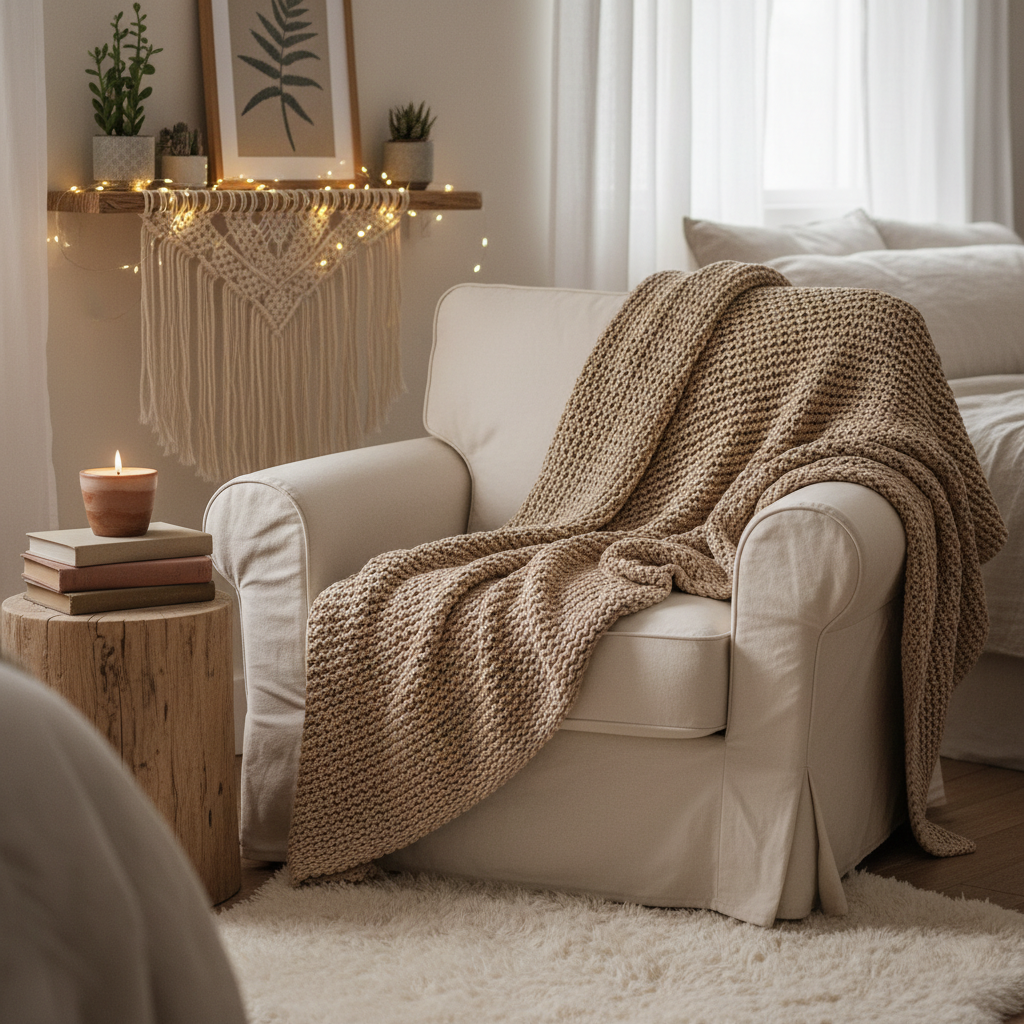
- Neutrals: Cream, beige, off-white, and light gray provide a calm backdrop that allows other elements to shine.
- Warm Tones: Terracotta, rust, sage green, deep blues, and mustard yellow can be introduced through accent walls, textiles, or decor to add depth and warmth.
- Avoid Harsh Contrasts: While some contrast is good, too many jarring colors can disrupt the peaceful, cohesive feel of a cozy space.
When selecting paint colors, remember that light changes throughout the day, so observe swatches on your walls at different times before making a final decision.
Lighting: Creating Ambiance
Good lighting is paramount for a cozy environment. Harsh overhead lights can feel clinical and unwelcoming. Focus on layered lighting to create depth and warmth.
- Soft, Warm Light: Use bulbs with a lower Kelvin temperature (around 2700K-3000K) for a warm, yellow glow, similar to candlelight.
- Multiple Sources: Combine different types of lighting – a floor lamp for ambient light, a table lamp for task lighting, and perhaps a dimmer switch on overhead fixtures.
- Accent Lighting: String lights, fairy lights, or candles can add magical, intimate touches, particularly in the evenings.
- Natural Light: Embrace natural light during the day. Sheer curtains can provide privacy while still allowing sunlight to filter through softly.
Furniture: Comfort is Key
For a cozy style, furniture isn’t just functional; it’s an invitation to relax. Prioritize comfort and a sense of softness.
- Plush Seating: Opt for sofas, armchairs, and recliners with deep cushions and soft upholstery. Think linen, cotton, velvet, or chenille.
- Natural Materials: Wood furniture (reclaimed, rustic, or light Scandinavian styles) adds warmth and texture. Wicker or rattan elements can also contribute to an organic, relaxed feel.
- Curved Lines: Furniture with soft, rounded edges often feels more inviting than sharp, angular pieces.
- Right Scale: Ensure your furniture fits the scale of your room. Oversized pieces in a small room can feel cramped, while too many small pieces in a large room can feel disjointed.
Textiles: Layers of Softness
This is where the “cozy” truly comes to life. Textiles add warmth, texture, and visual interest, making a space feel instantly more inviting. Better Homes & Gardens offers excellent insights into how textiles can transform a room.
- Throws and Blankets: Drape chunky knit blankets, faux fur throws, or soft cotton blankets over sofas and chairs. These are perfect for snuggling up.
- Pillows: Layer decorative pillows in various sizes, textures, and subtle patterns. Mix materials like velvet, linen, cable knit, and faux fur.
- Rugs: An area rug can define a space, add warmth underfoot, and introduce color and texture. Opt for soft, high-pile rugs like shag or wool.
- Curtains: Choose curtains that frame your windows softly. Heavier fabrics like linen or velvet can add insulation and a sense of enclosure, while sheers diffuse light beautifully.
Natural Elements: Bringing the Outdoors In
Connecting with nature helps create a serene and balanced environment, a cornerstone of cozy design.
- Houseplants: Incorporate greenery! Plants purify the air, add vibrant color, and bring life into a room. Choose low-maintenance options like Pothos, Snake Plants, or ZZ Plants for beginners.
- Wood Accents: Beyond furniture, think about wooden bowls, decorative logs by a fireplace, or a simple wooden serving tray.
- Stone & Clay: Small ceramic pots, stone coasters, or clay vases can add earthy textures.
- Natural Scents: Consider diffusing essential oils with earthy or woody notes, or using beeswax candles.
Decorating with Intention: Personal Touches
Once you have your foundational elements, it’s time to infuse your personality into the space. This is where your home truly becomes *yours* and feels genuinely cozy.
Curated Accessories: Less is More
Cozy doesn’t mean cluttered. Instead, focus on a few well-chosen accessories that hold meaning or add aesthetic value.
- Books: Stacked books on a coffee table or artfully arranged on shelves instantly make a room feel lived-in and intellectually stimulating.
- Candles: Pillar candles, scented candles, or tea lights add a soft glow and a comforting aroma. Always prioritize safety when using candles.
- Baskets: Woven baskets are perfect for storing extra blankets, magazines, or remote controls, helping to keep clutter at bay while adding texture.
- Ceramics & Pottery: Handmade or unique ceramic pieces can add an artisanal, personal touch.
Memory Makers: Photos & Art
Surrounding yourself with cherished memories and beautiful art contributes significantly to the feeling of coziness and belonging.
- Personal Photos: Display framed family photos, travel snapshots, or pictures of loved ones. Consider a gallery wall for impact.
- Meaningful Art: Choose artwork that resonates with you. It doesn’t have to be expensive; prints, illustrations, or even your own creations can add character.
- Handmade Items: A unique piece of pottery from a local artisan, a textile woven by a friend, or even a child’s drawing can add immense warmth and personal story to your space.
Scent & Sound: Engaging All Senses
A truly cozy home engages more than just sight and touch. Consider how your space smells and sounds.
- Comforting Scents: Beyond candles, consider an essential oil diffuser with calming scents like lavender, vanilla, cedarwood, or cinnamon. Simmer pots with citrus and spices are also wonderful.
- Soothing Sounds: A quiet environment is key for relaxation. If you have external noise, consider a white noise machine or playing soft, ambient music.
- Crackling Fireplace: If you’re lucky enough to have one, a fireplace is the epitome of coziness. If not, even a digital fireplace video can offer a visual and auditory comfort.
Practical Tips for Beginners
Navigating home design for the first time can feel like a huge undertaking. These practical tips will help simplify the process and keep you focused on achieving that cozy style.
Start Small: One Room at a Time
Instead of trying to tackle your entire home at once, focus on one room. The living room or bedroom is often the best place to begin because they are primary spaces for relaxation. Completing one room will give you a sense of accomplishment and clarity for the next.
Budget-Friendly Approaches
You don’t need a huge budget to create a cozy home. Many cozy elements are affordable or can be sourced creatively.
- Thrift Store Finds: Look for unique furniture pieces, vases, frames, or even vintage textiles that can be upcycled.
- DIY Projects: Painting old furniture, making your own throw pillows, or creating simple wall art can add character without breaking the bank.
- Sales & Discounts: Keep an eye out for sales on textiles, rugs, and decorative items.
- Borrow & Swap: See if friends or family have items they’re willing to part with or swap.
DIY Projects for a Personal Touch
Hands-on projects not only save money but also infuse your home with your unique personality and effort, making it feel truly special.
- Painting Walls: A fresh coat of warm-toned paint can instantly transform a room.
- Creating a Gallery Wall: Collect meaningful photos and art, buy inexpensive frames, and arrange them creatively.
- Macrame Wall Hangings: Simple macrame projects can add beautiful texture.
- Repurposing Items: An old ladder can become a blanket display, or vintage crates can be transformed into shelving.
Declutter First: The Canvas for Cozy
Before you bring in new cozy elements, take time to declutter. A clean, organized space is the best canvas for cozy design. Clutter creates visual noise and stress, antithetical to coziness.
- Remove Excess: Get rid of anything you don’t love, use, or need.
- Organize: Use baskets, bins, and clever storage solutions to keep remaining items tidy and out of sight.
- Clear Surfaces: Aim for uncluttered surfaces to allow your chosen decor items to stand out.
Common Mistakes to Avoid
Even with simple home design ideas for beginners, it’s easy to stumble. Here are a few pitfalls to steer clear of when creating your cozy space:
- Over-Decorating: Too many small items can make a space feel cluttered, not cozy. Remember “less is more” and curate your decor.
- Ignoring Lighting: Relying solely on one overhead light will kill any chance of coziness. Invest in varied light sources.
- Matching Everything Perfectly: A cozy home feels lived-in and layered, not like a showroom. Embrace subtle variations in texture, shade, and style.
- Neglecting Comfort: Prioritize how a piece of furniture feels over how it looks, especially for seating.
- Forgetting Personal Touches: Without personal items, a space can feel generic and cold.
Maintaining Your Cozy Haven
Creating a cozy home is an ongoing process. To keep your space feeling warm and inviting, adopt a few simple habits:
- Regular Tidying: A quick daily tidy can prevent clutter from accumulating.
- Seasonal Swaps: Change out textiles or introduce seasonal decor (e.g., warmer blankets in winter, fresh flowers in spring) to keep the space fresh and relevant.
- Scent Refresh: Keep your home smelling pleasant with regular ventilation, diffusers, or candles.
- Dusting & Cleaning: A clean home naturally feels more comfortable and relaxing.
- Enjoy It: The most important part is to actually use and enjoy your cozy space. Curl up with a book, host a intimate gathering, or simply relax and savor the atmosphere you’ve created.
Frequently Asked Questions About Cozy Home Design for Beginners
Q1: What is the cheapest way to make my home cozy?
A: The cheapest ways include adding soft throws and pillows, using warm-toned LED light bulbs, incorporating houseplants, decluttering, and arranging existing items thoughtfully. DIY projects like painting an accent wall or creating simple art can also make a big impact without high costs.
Q2: How do I make a small room feel cozy without feeling cramped?
A: For a small room, focus on a light color palette to make it feel open, use layered lighting with smaller lamps, choose furniture with clean lines and scale appropriate for the room, and use mirrors to expand the space visually. Smart storage solutions are also key to prevent clutter, which is essential for coziness in small spaces.
Q3: What kind of lighting is best for a cozy atmosphere?
A: Layered lighting is best. Combine ambient lighting (soft overhead or floor lamps), task lighting (table lamps for reading), and accent lighting (string lights, candles). Opt for warm-toned bulbs (2700K-3000K) and consider dimmer switches to control intensity.
Q4: Should I use dark colors for a cozy style?
A: While warm neutrals are common, you can definitely use darker colors for a cozy style, especially as accents or on one wall. Deep blues, forest greens, or even charcoal grays can create an enveloping, intimate, and sophisticated cozy feel when balanced with warm lighting and soft textiles.
Q5: How can I make my rental apartment feel cozy?
A: Focus on non-permanent changes. Use removable wallpaper or paint one accent wall if allowed, layer rugs and textiles, bring in plenty of plants, use various lighting sources (lamps are portable!), personalize with art and photos, and invest in comfortable, movable furniture. Scent is also a powerful tool in rentals.
Conclusion
Creating a cozy home is a journey of self-expression and comfort, and it’s entirely achievable for beginners. By focusing on warm colors, soft lighting, comfortable furniture, abundant textiles, and natural elements, you can transform any space into a welcoming sanctuary. Remember to start small, prioritize comfort, infuse your personality, and most importantly, enjoy the process. These simple home design ideas for beginners, centered around a cozy style, will equip you with the tools to craft a home that not only looks beautiful but feels like a warm embrace, inviting you to relax and truly belong.