Ever watched a child explore the world with pure, unadulterated curiosity? That wide-eyed fascination as they touch, smell, hear, and see new things is the essence of sensory play. It’s not just about keeping little ones busy; it’s a fundamental building block for their development, helping them understand their environment and refine crucial skills. And what if we told you there’s an often-overlooked material that can transform your sensory play setup into an extraordinary, engaging, and surprisingly mess-free experience?
Enter artificial grass. Forget the notion that it’s just for pristine lawns or sports fields. This versatile, tactile surface is rapidly gaining popularity among parents, educators, and therapists for its incredible potential in sensory play activities. It brings the outdoors in (or enhances your outdoor space) without the dirt, allergens, or constant upkeep of natural grass. Ready to dive into a greener, cleaner, and endlessly creative world of sensory exploration? Let’s discover how to use artificial grass for sensory play activities and open up new dimensions of learning and fun.
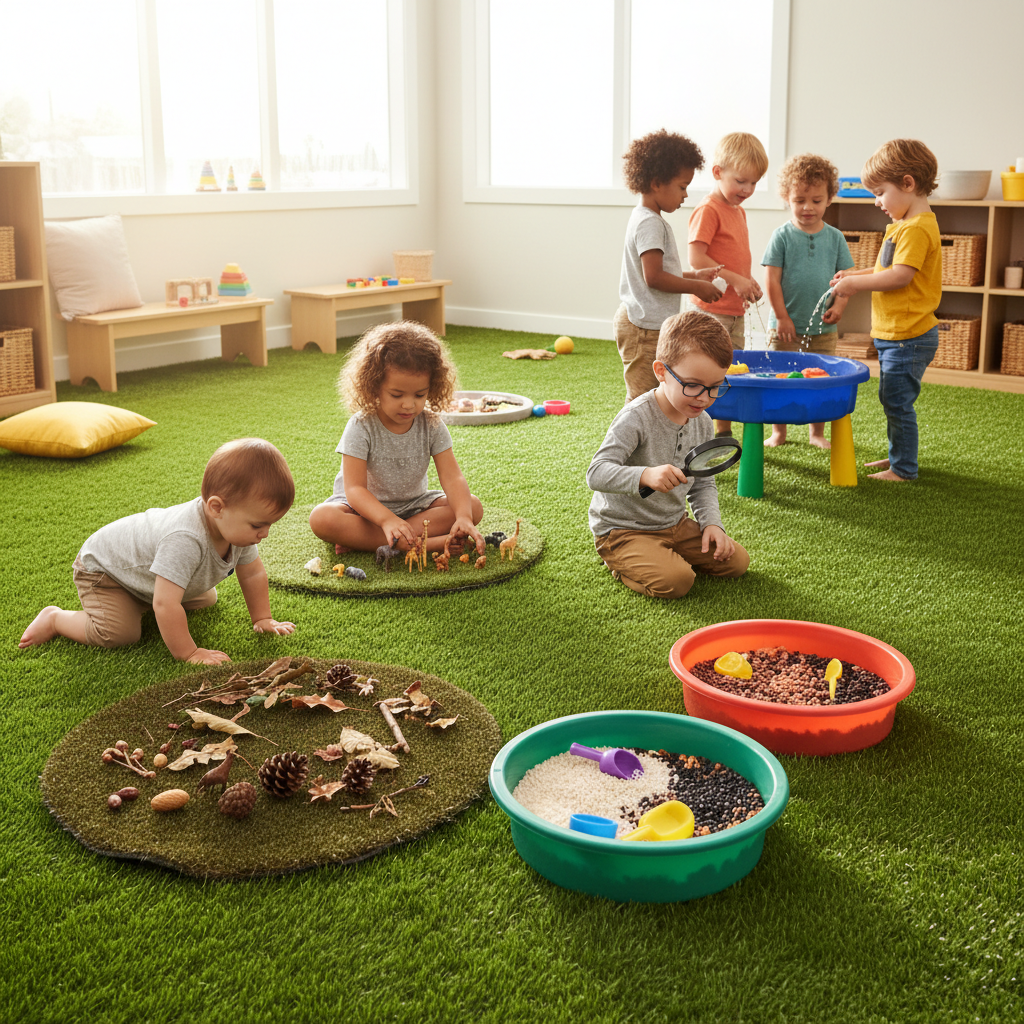
Why Artificial Grass is a Game-Changer for Sensory Exploration
When you think about sensory play, traditional materials like sand, water, rice, or playdough often come to mind. While these are fantastic, artificial grass offers a unique set of benefits that make it an exceptional addition to any sensory environment. It’s a tactile wonderland that encourages exploration in ways natural grass simply can’t always provide, especially indoors or in high-traffic areas.
The Unique Tactile Experience
The first thing you’ll notice about artificial grass is its inviting texture. It’s soft, yet firm; smooth, yet subtly bristly. For tiny hands and feet, this offers a delightful array of sensations. Children can run their fingers through the blades, wriggle their toes, or even lie down and feel the gentle pressure against their skin. This unique tactile input is incredibly beneficial for sensory development, helping children to interpret different textures and build a richer sensory vocabulary. Unlike natural grass, it’s consistent, free from prickly weeds, and maintains its inviting texture year-round.
Durability and Low Maintenance
Let’s be honest: sensory play can get messy. But that’s part of the fun! The beauty of artificial grass is its incredible durability and ease of cleaning. Spills? Just wipe or rinse. Mud? Hardly an issue since there’s no soil involved. This makes it an ideal surface for even the most enthusiastic play sessions. It withstands vigorous activity, won’t develop bald spots, and requires no mowing, watering, or fertilizing. This low-maintenance aspect is a huge win for busy parents and caregivers, allowing more time for play and less for cleanup.
Year-Round Accessibility, Indoors and Out
One of the biggest advantages of artificial grass for sensory play is its versatility. Rain or shine, summer or winter, you can bring the joy of a grassy patch to any setting. Imagine a lush green corner in a playroom, a vibrant mat in a classroom, or a dedicated sensory zone in your backyard that’s always ready for action. This constant accessibility ensures that sensory exploration isn’t limited by weather conditions or seasonal changes, providing consistent opportunities for development and imaginative play.
Safety First: Non-Toxic and Hypoallergenic
When selecting materials for children’s play, safety is paramount. High-quality artificial grass is designed to be child-safe, often made from non-toxic, lead-free materials. Unlike natural grass, it doesn’t require pesticides or fertilizers, making it a healthier option for children who might put hands (or other items) in their mouths. It’s also hypoallergenic, a great benefit for children with grass allergies, allowing them to experience the joy of a green space without discomfort. Always look for certifications that guarantee the product meets safety standards for children’s use.
Getting Started: Setting Up Your Artificial Grass Sensory Zone
Ready to transform your play area? Setting up an artificial grass sensory zone is simpler than you might think. A little planning goes a long way in creating a safe, engaging, and inspiring space for your little ones.
Choosing the Right Turf
Not all artificial grass is created equal. For sensory play, look for turf specifically designed for playgrounds or residential use with a softer, non-abrasive pile. Consider these factors:
- Pile Height: A shorter pile (around 20-30mm) is generally easier to clean and allows small toys to stand upright. A slightly longer pile (30-40mm) offers a softer, more plush feel, great for lying down.
- Material: Polyethylene is often the softest and most realistic-feeling option. Ensure it’s lead-free and non-toxic.
- Infill: Some artificial grass requires infill (granules spread between the blades) for support and drainage. For sensory play, especially indoors, you might prefer turf that doesn’t require infill, or opt for natural, non-toxic infills like silica sand or crumb rubber that is certified safe for children.
- Drainage: If using outdoors, ensure the turf has good drainage holes to prevent water pooling.
Designating Your Play Area
Your artificial grass sensory zone can be as large or as small as your space allows:
- Indoor Mats: Small, portable mats are perfect for tabletop play, defining a reading nook, or creating a ‘green zone’ in any room.
- Outdoor Patches: A dedicated section in your backyard, on a patio, or balcony provides an inviting, clean play surface.
- Dedicated Playrooms: Cover an entire section or floor of a playroom for an immersive, forest-like experience.
Always secure the grass firmly, especially if used as a rug, to prevent slipping. Non-slip backing or rug grippers are excellent solutions.
Essential Tools and Accessories
Once your grass is down, it’s time to add elements that invite interaction. Think open-ended items that encourage imagination:
- Sensory bins, trays, and buckets
- Scoops, tongs, small shovels
- Magnifying glasses and binoculars
- Small animal figurines (farm animals, dinosaurs, insects)
- Natural elements (pebbles, smooth sticks, large leaves, pinecones – ensure they are clean and safe)
- Watering cans and spray bottles
- Loose parts like wooden blocks, river stones, or fabric scraps
Creative Ideas: How to Use Artificial Grass for Sensory Play Activities
This is where the real magic happens! Artificial grass provides an incredible foundation for a vast array of sensory experiences. Its texture, color, and versatility mean you can constantly refresh and adapt your play ideas to keep children engaged and learning.
Barefoot Bliss: Exploring Textures and Temperatures
One of the simplest yet most profound ways to engage with artificial grass is to simply remove shoes and socks. Encourage children to walk, crawl, or roll on the surface. Ask them to describe what they feel – is it soft? Spiky? Cool? Warm? This direct contact provides rich proprioceptive and tactile input, crucial for body awareness and sensory integration. You can even place different textured mats (like bumpy rubber or soft fabric) alongside the grass for comparative sensory walks.
Miniature Worlds and Imaginative Play
Artificial grass is the perfect backdrop for creating miniature worlds that spark imaginative play. Lay out the grass and add:
- Dinosaur Land: Add plastic dinosaurs, rocks, small branches, and maybe even a bowl of water for a swamp.
- Fairy Garden: Use tiny houses, small figures, pebbles, moss, and silk flowers.
- Farm or Zoo: Place animal figurines on the grass, perhaps with a small fence or barn.
- Construction Site: Toy trucks, diggers, and some sand or dirt in a separate container can create a dynamic building zone.
These setups encourage storytelling, role-playing, and the development of language skills as children narrate their adventures.
Sensory Bins with a Grassy Twist
Sensory bins are a staple of early childhood education, and artificial grass can elevate them. Instead of filling the entire bin with grass, use a piece as a base or an accent:
- “Garden” Bin: Layer a piece of artificial grass at the bottom, then add scoops of rice, beans, or even dry soil. Include small gardening tools, plastic flowers, and insects.
- “Pond” Bin: Place a patch of grass next to a container of blue water beads or water, adding toy frogs, ducks, and lily pads.
- Textural Hunt: Hide small objects (buttons, beads, smooth stones) within a patch of artificial grass and challenge children to find them using only their fingers or tongs, enhancing fine motor skills.
Art and Craft on the Green Canvas
Who says art has to be confined to paper? Artificial grass can be a unique surface for creative expression:
- Nature Collages: Collect natural materials like leaves, small petals, tiny twigs, and glue them onto a piece of artificial grass, creating a textural art piece.
- Finger Painting: For a washable option, allow children to finger paint directly onto the grass with non-toxic, washable paints. The texture of the grass will create interesting patterns.
- Weaving: For older children, they can “weave” ribbons or yarn through the blades of longer pile artificial grass.
Nature’s Classroom: Bringing the Outdoors In
Use artificial grass to create an indoor nature exploration station. Place magnifying glasses, insect viewers, and clean natural objects (pinecones, acorns, smooth pebbles, shells) on the grass. This encourages close observation, scientific inquiry, and a deeper connection to the natural world, even when actual outdoor play isn’t possible.
Gross Motor Fun: Tunnels, Obstacles, and Rolling
Beyond static play, artificial grass is excellent for encouraging gross motor skills. Roll out a large piece and:
- Crawl Through Tunnels: Create tunnels with cardboard boxes or fabric tunnels on top of the grass for children to crawl through.
- Obstacle Course: Arrange soft cushions, low blocks, or pool noodles on the grass for children to navigate over, under, and around.
- Rolling and Tumbling: The soft, consistent surface is perfect for supervised rolling, somersaults, and gentle tumbles, providing vestibular input.
Water Play Integration: Puddles, Sprinklers, and Splash
High-quality artificial grass is designed to drain, making it suitable for water play, especially outdoors. Place a small paddling pool or water table on the grass, or let children use watering cans and spray bottles to create “rain” on the turf. This combines the soothing sensory experience of water with the unique texture of the grass, perfect for a sunny day. Always ensure proper drainage and dry the area thoroughly after water play to prevent mildew.
Sound Exploration: Rustling, Crinkling, and Whispering
Don’t forget the auditory senses! The artificial grass itself has a subtle rustle, especially when walked on. Enhance this by adding elements that create sound:
- Wind Chimes: Hang small, child-safe wind chimes nearby.
- Crinkly Fabric: Place crinkly fabric or Mylar blankets on the grass for children to explore.
- “Whispering” Grass: Encourage children to whisper secrets into the grass or listen for imaginary sounds in their miniature worlds.
Adapting Sensory Play for Different Age Groups and Needs
The beauty of artificial grass is its adaptability. You can tailor activities to suit various developmental stages and individual requirements, ensuring every child can benefit from this rich sensory environment.
Infants and Toddlers: Gentle Exploration
For the youngest explorers, focus on simple, safe, and supervised experiences. Lay a soft artificial grass mat on the floor for tummy time, allowing them to feel the texture against their hands and feet. Introduce a few large, safe toys like soft blocks or chunky animal figures. Supervise closely to ensure they don’t ingest any loose blades or infill if present. The consistent, clean surface is ideal for promoting crawling and early motor skills without the worry of dirt or allergens.
Preschoolers: Storytelling and Role-Playing
Preschoolers thrive on imaginative play. Use the artificial grass as the stage for elaborate scenarios. Encourage them to create stories around their miniature worlds, engage in role-playing as gardeners, zookeepers, or explorers. Provide open-ended materials like fabric scraps, small wooden blocks, and natural elements to fuel their creativity. This age group also benefits from gross motor activities like building tunnels or navigating simple obstacle courses on the turf.
Older Children: Scientific Inquiry and Complex Creations
Older children can delve deeper into scientific exploration and more complex building projects. Challenge them to design and build intricate landscapes with various textures and features. Introduce measuring tools for “gardening” activities, or use magnifying glasses to closely examine insects or plant samples placed on the grass. The consistent green base can also be a fantastic surface for building with LEGOs, magnetic tiles, or other construction toys, providing a stable and inviting foundation.
Supporting Children with Special Needs
Artificial grass offers significant benefits for children with sensory processing differences or special needs. For those who are tactile defensive, the consistent, soft texture can be less overwhelming than natural grass or other unpredictable materials. For tactile seekers, the varied texture provides much-needed sensory input. It can create a calming “green space” that is predictable and safe. Therapists often use artificial grass in sensory rooms to provide a clean, hypoallergenic, and low-stimulus natural element. Always observe the child’s reactions and adapt activities to their individual sensitivities and preferences, ensuring a positive and enriching experience. You can learn more about the importance of varied sensory input from resources like Good Housekeeping’s guide to sensory play for kids, which emphasizes the developmental benefits of engaging multiple senses.
Safety and Maintenance Tips for Your Artificial Grass Sensory Zone
To ensure your artificial grass sensory play area remains a source of joy and learning, a few safety and maintenance considerations are key. A well-maintained space is a safe and inviting space.
Ensuring a Clean and Hygienic Environment
One of the primary advantages of artificial grass is its cleanliness, but it still requires regular care. For indoor setups, vacuum or sweep regularly to remove dust and debris. For spills, simply wipe with a damp cloth and mild soap. Outdoors, rinse with a hose to remove dirt, leaves, or pet waste. For stubborn stains or odors, specialized artificial turf cleaners are available, ensuring the area remains fresh and hygienic for all sensory play activities. Always ensure the area is dry after cleaning, especially if it’s an indoor space, to prevent mildew.
Supervision is Key
No matter how safe your play area, adult supervision is always essential during sensory play. This is especially true when small parts are involved, or when children are engaged in water play. Active supervision ensures children are safe, using materials appropriately, and getting the most out of their play experience. It also allows you to observe their engagement and adapt activities as needed, enhancing the benefits of how to use artificial grass for sensory play activities effectively.
Choosing Non-Toxic Materials
Reiterate the importance of sourcing high-quality, child-safe artificial grass. Look for certifications that guarantee the product is lead-free and free from harmful chemicals. If using infill, opt for non-toxic, pet- and child-friendly options. Similarly, ensure any added sensory materials (paints, glues, natural elements) are age-appropriate and non-toxic. A safe environment is the foundation for effective and joyful sensory exploration.
Durability and Longevity
With proper care, your artificial grass sensory zone can last for many years. Avoid placing extremely heavy or sharp objects that could damage the turf. For outdoor areas, protect it from prolonged direct sunlight if possible, as UV rays can cause fading over time (though most modern turf is UV stabilized). Regular cleaning and prompt attention to any spills will keep your artificial grass looking vibrant and inviting for countless hours of sensory fun.
Conclusion: Cultivating Curiosity and Joy, One Blade at a Time
From tactile exploration to imaginative worlds, the possibilities for how to use artificial grass for sensory play activities are truly endless. It’s a durable, clean, and versatile medium that brings the magic of a green space into any environment, fostering crucial developmental skills in children of all ages and needs. By providing a consistent, inviting, and safe surface, artificial grass encourages children to engage their senses, develop their motor skills, spark their creativity, and connect with the world around them.
So, whether you’re creating a cozy sensory corner in a playroom, a vibrant activity mat in a classroom, or a dedicated outdoor play zone, consider the remarkable potential of artificial grass. It’s more than just a surface; it’s a blank canvas waiting for your child’s imagination to bring it to life, one joyful, sensory-rich experience at a time. Embrace the green revolution in sensory play, and watch as curiosity blossoms!