There’s a sudden flash, a tiny pop, and a momentary jolt of panic. If you’ve ever witnessed sparks from electrical outlets, you know it can be an unsettling experience. While a small, fleeting spark when plugging in an appliance might seem harmless, not all sparks are created equal. Understanding the difference between a normal, minor spark and a dangerous electrical issue is crucial for maintaining a safe home environment. This comprehensive guide will delve into why outlets spark, the potential dangers involved, what immediate actions you should take, and how to prevent these incidents from occurring in the first place.
What Are Electrical Sparks?
Before diving into the causes, let’s briefly understand what an electrical spark is. An electrical spark is essentially a visible discharge of electricity that occurs when there’s a sudden, brief flow of current through an insulating medium (like air). This happens when the electrical resistance in the circuit is overcome, leading to a momentary arc of electricity. In the context of an electrical outlet, sparks typically occur when an electrical connection is made or broken, or when there’s an unintended pathway for electricity.
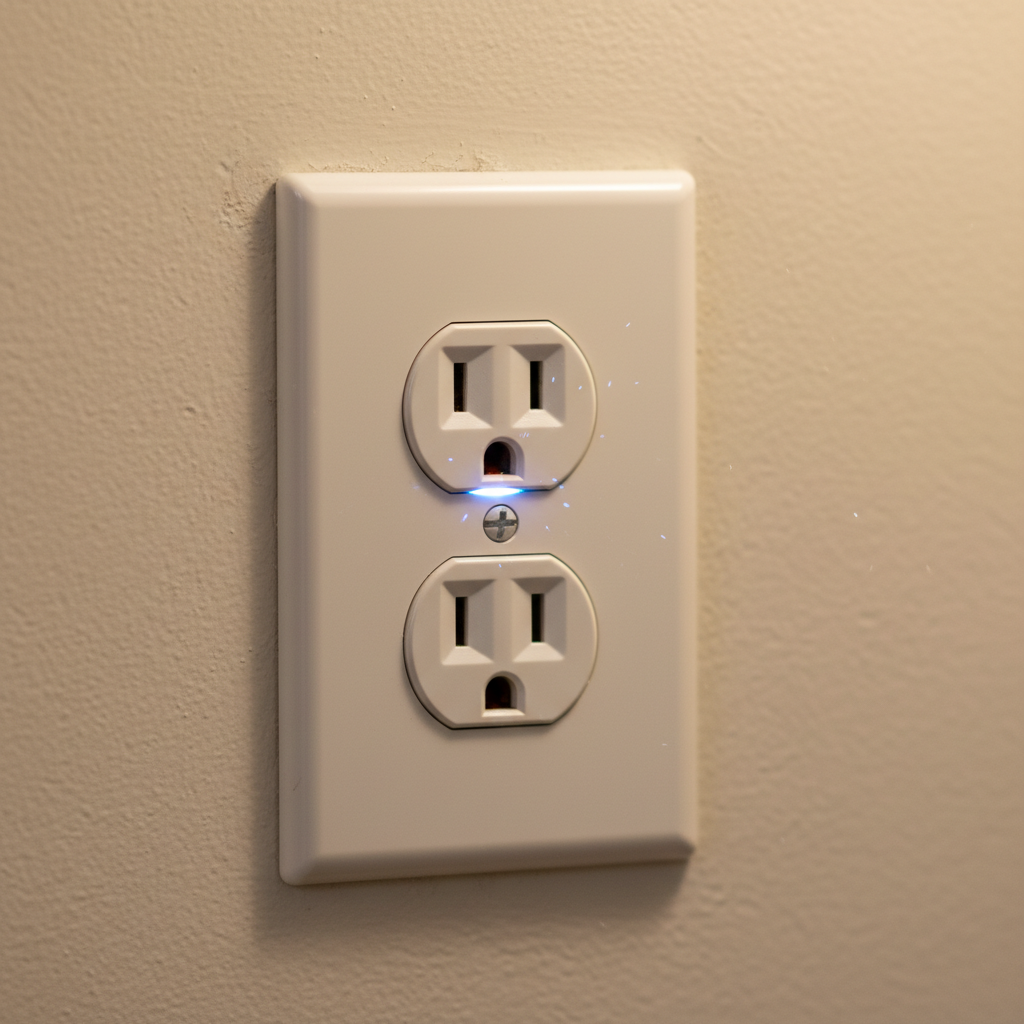
Why Do Electrical Outlets Spark? Normal vs. Dangerous
Not every spark from an electrical outlet signals a major problem. It’s important to distinguish between normal, minor occurrences and those that warrant immediate attention.
Normal and Minor Sparks
Some sparks are a natural, albeit brief, part of an electrical circuit’s operation. These usually pose no significant threat:
- Initial Plug-In: When you plug an appliance into an outlet, especially one that draws a lot of power (like a vacuum cleaner, hair dryer, or microwave), a tiny, momentary spark can occur. This is often due to the sudden inrush of current as the circuit is completed. It’s usually a single, quick flash with no accompanying smell or sound.
- Switching On/Off: Similarly, flicking a light switch or turning on an appliance with a physical switch can sometimes produce a small, internal spark as the contacts connect or disconnect.
These normal sparks are typically:
- Very small and quick (less than a second).
- Silent or accompanied by a very faint click.
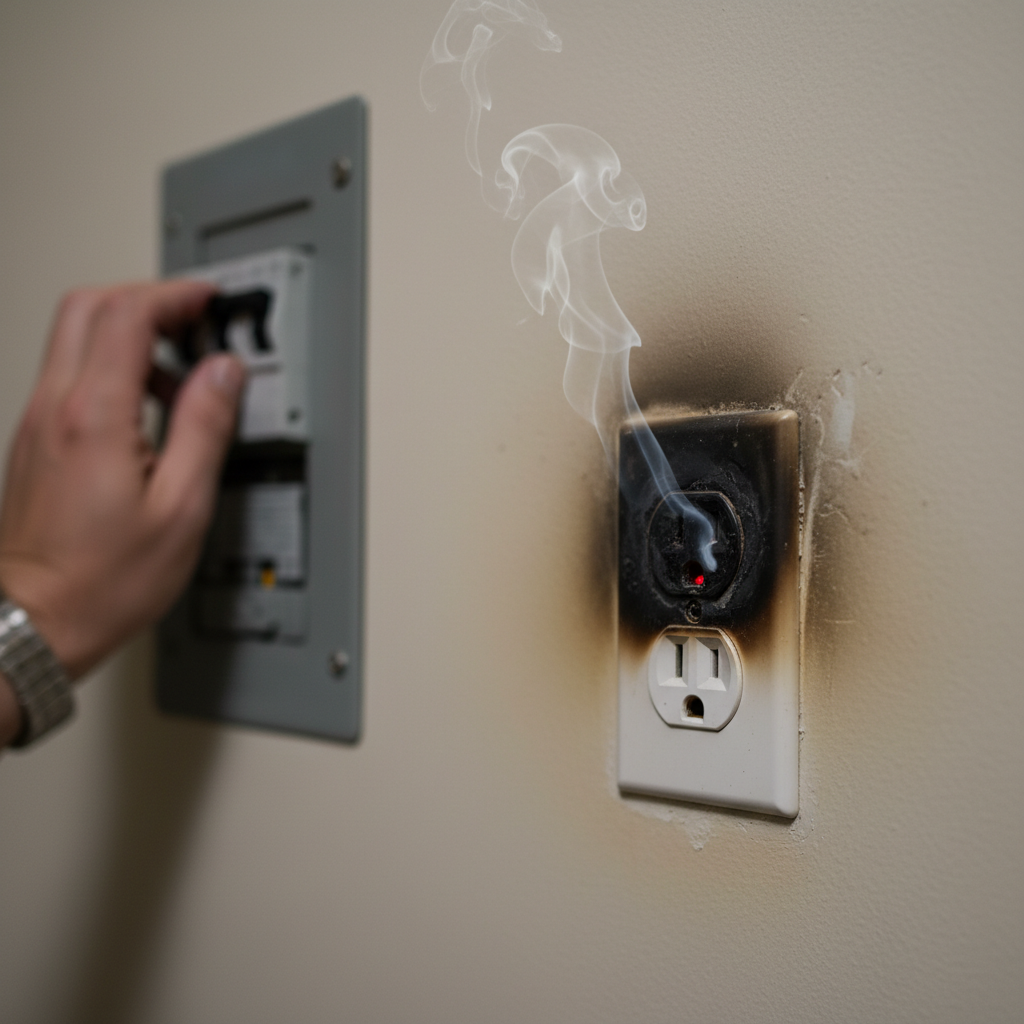
- Not accompanied by smoke, burning smells, or discoloration of the outlet.
Signs of Dangerous or Abnormal Sparks
Conversely, certain characteristics indicate that a spark is a symptom of a more serious underlying electrical issue. You should be concerned if the sparks are:
- Loud and Consistent: Sparks that crackle, pop loudly, or occur repeatedly.
- Persistent: Sparks that continue for more than a fraction of a second after plugging in.
- Accompanied by Smoke or Burning Smell: Any smoke, charred residue, or the distinct odor of burning plastic or ozone.
- Discoloration: The outlet plate or plug showing signs of blackening, scorching, or melting.
- Heat: The outlet or the plug of the appliance feeling hot to the touch.
- Tripping Breaker: The circuit breaker frequently trips after the spark occurs.
- Intermittent Power: The appliance connected to the outlet flickers or loses power intermittently.
Common Causes of Dangerous Electrical Outlet Sparks
When sparks from electrical outlets are abnormal, they usually point to one or more of these common issues:
Loose Wiring Connections
This is one of the most frequent causes of dangerous sparks. Over time, or due to improper installation, the wires connecting to the outlet can become loose. A loose connection creates resistance, which generates heat. When the connection momentarily breaks and re-establishes, it can create an arc, leading to sparks. Loose wiring is a significant fire hazard.
Worn Outlets or Receptacles
Electrical outlets, especially older ones, can wear out. The internal contacts that grip the appliance plug can loosen or become corroded. This poor connection can cause arcing and sparking, especially when inserting or removing a plug, or even just from the normal vibration of the house.
Short Circuits
A short circuit occurs when there’s an unintended path for electricity to flow, bypassing the normal circuit. This could happen if wires inside the outlet touch each other, or if a faulty appliance creates a direct path between the hot and neutral wires. Short circuits cause a sudden surge of current, leading to immediate, intense sparks and usually tripping the circuit breaker.
Overloaded Circuits
Plugging too many high-power appliances into a single outlet or circuit can draw more amperage than the circuit is designed to handle. This overload generates excessive heat in the wiring and the outlet itself, which can lead to sparks, melting plastic, and ultimately a fire. The circuit breaker is designed to trip in such situations, but if it’s faulty or the overload is severe, sparks can precede the trip.
Water or Moisture Exposure
Water and electricity are a dangerous combination. If an outlet comes into contact with water or excessive moisture, it can create a direct path for the electricity to flow where it shouldn’t, resulting in sparks, short circuits, and a significant risk of electrical shock. This is why outlets in bathrooms, kitchens, and outdoors require special Ground Fault Circuit Interrupter (GFCI) protection.
Faulty Appliances
Sometimes, the issue isn’t with the outlet itself but with the appliance being plugged in. A damaged or faulty appliance cord, a loose plug, or internal wiring problems within the appliance can cause a short circuit or an arc at the point of connection, leading to sparks at the outlet.
Foreign Objects in the Outlet
Children, curious pets, or accidental drops can introduce foreign objects (like paperclips, coins, or toys) into an outlet. If these objects conduct electricity, they can bridge the gap between the hot and neutral terminals, causing a direct short circuit, intense sparks, and a high risk of electrical shock or fire.
The Hidden Dangers of a Sparking Outlet
Ignoring a sparking outlet is never an option. The potential hazards are severe and can put your home and family at risk:
Fire Hazard
This is the most critical danger. Persistent arcing, excessive heat from loose connections, or a short circuit can quickly ignite nearby flammable materials such as curtains, furniture, carpets, or insulation within the walls. Electrical fires can spread rapidly and are often difficult to extinguish.
Electrical Shock
A sparking outlet indicates an uncontrolled release of electricity. Touching a faulty outlet or an appliance plugged into it while sparks are present can lead to a severe and potentially fatal electrical shock.
Appliance Damage
Frequent sparks, especially those caused by short circuits or voltage fluctuations, can damage the internal components of your expensive appliances, leading to costly repairs or replacements.
Carbon Monoxide Poisoning
While not a direct result of sparks, if a fire does start within the walls due to electrical issues, it can release toxic fumes and carbon monoxide, posing a silent and deadly threat to occupants even before visible flames appear.
What to Do Immediately When an Electrical Outlet Sparks
If you encounter dangerous sparks from an electrical outlet, quick and calm action is essential:
- Do Not Panic: Stay calm and assess the situation from a safe distance.
- Unplug the Appliance (if safe): If the sparks are minor and you can safely reach the plug without touching the outlet or wires, carefully unplug the appliance. Use a dry towel or oven mitt for added insulation if you are unsure. However, if there’s smoke, significant sparking, or a burning smell, do NOT touch the appliance or outlet.
- Turn Off the Power: Go to your home’s electrical service panel (breaker box) and locate the circuit breaker corresponding to the sparking outlet. Flip it to the “OFF” position. If you’re unsure which breaker controls that specific outlet, or if multiple outlets are affected, turn off the main breaker to cut power to the entire house.
- Evacuate if Necessary: If you see flames, excessive smoke, or smell a strong burning odor, evacuate your home immediately and call emergency services (fire department) from a safe location.
- Inspect (After Power is Off): Once the power is safely off, you can visually inspect the outlet and the appliance plug for signs of damage like charring, melting, or discoloration.
- Do NOT Restore Power: Do not turn the power back on until the issue has been professionally diagnosed and repaired by a qualified electrician.
- Call a Professional Electrician: Even if the sparks seem to stop after turning off the power, it’s critical to contact a licensed electrician to investigate the cause and perform necessary repairs.
Preventing Electrical Outlet Sparks: Proactive Safety Measures
Preventing dangerous sparks from electrical outlets involves a combination of good habits and smart home maintenance. For more general tips on maintaining a safe home environment, sources like Good Housekeeping offer excellent guides.
Regular Inspections
Periodically inspect all your outlets for signs of wear and tear, such as cracks, discoloration, loose fittings, or plugs that don’t fit snugly. If an outlet feels hot, has a burning smell, or shows any visible damage, it needs attention.
Use Appliances Correctly
Always use appliances according to their manufacturer’s instructions. Ensure appliance cords are in good condition, free from fraying, cuts, or exposed wires. Replace damaged cords immediately.
Avoid Overloading Outlets
Be mindful of how many devices you plug into a single outlet or extension cord. Avoid using “octopus” plugs that allow multiple devices to be plugged into one receptacle. If you consistently need more outlets in an area, consider having a professional electrician install additional dedicated circuits.
Install GFCIs and AFCIs
- Ground Fault Circuit Interrupters (GFCIs): These outlets (or breakers) are designed to protect against electrical shock, particularly in areas where water might be present (kitchens, bathrooms, outdoors, garages, basements). They detect imbalances in the electrical current and quickly shut off power.
- Arc Fault Circuit Interrupters (AFCIs): These devices (either as breakers or outlets) are designed to detect dangerous electrical arcs that could lead to fires. They distinguish between normal operating arcs (like those from a light switch) and dangerous arcs (from loose wiring or faulty cords) and trip the circuit. Many building codes now require AFCIs in bedrooms and other living areas.
Childproofing and Safety Covers
If you have young children, use tamper-resistant outlets or install safety caps to prevent them from inserting foreign objects into outlets.
Proper Appliance Maintenance
Keep appliances clean and free from dust buildup, especially around vents, as dust can be flammable and can contribute to overheating or short circuits.
Professional Electrical Check-ups
Consider having your home’s electrical system inspected by a licensed electrician every 5-10 years, especially if your home is older or you’ve noticed recurring electrical issues. They can identify potential hazards like outdated wiring, loose connections, or overloaded panels before they become critical.
When to Call a Professional Electrician
While you can take steps to prevent sparks, certain situations absolutely require the expertise of a licensed electrician:
- Persistent or Repeated Sparks: If an outlet consistently sparks when plugging in an appliance, or sparks without anything being plugged in.
- Burning Smell or Smoke: Any odor of burning plastic, ozone, or visible smoke coming from an outlet or wall.
- Tripping Breakers: If a circuit breaker frequently trips, especially after an outlet sparks.
- Hot Outlets or Covers: If an outlet or its cover plate feels warm or hot to the touch.
- Discoloration or Damage: Visible charring, melting, or other damage to the outlet or wall around it.
- Water Damage: If an outlet has been exposed to water or moisture.
- Loud Popping or Crackling Sounds: These sounds often indicate serious arcing.
- Any Uncertainty: If you are unsure about the cause or safety of a sparking outlet, always err on the side of caution and call a professional.
DIY vs. Professional: Why Electrical Work Needs an Expert
Home electrical systems are complex and unforgiving. Attempting to fix a sparking outlet yourself without proper training, tools, and knowledge can lead to severe electrical shock, fire, and even death. Licensed electricians undergo extensive training, follow strict safety protocols, and are equipped to diagnose and repair electrical issues safely and effectively, ensuring your home meets current electrical codes and standards. Never attempt to open up an outlet or tamper with your home’s wiring unless you are a qualified professional.
Maintaining a Safe Electrical System in Your Home
A safe electrical system is the backbone of a comfortable and secure home. Beyond addressing sparks, think about overall electrical health. This includes understanding the capacity of your electrical panel, ensuring proper grounding, and recognizing when an upgrade might be necessary for an older home. Proactive maintenance and prompt attention to any electrical anomalies are key to preventing major incidents and ensuring the longevity of your home’s electrical infrastructure.
Frequently Asked Questions About Electrical Outlet Sparks
Are all sparks from an outlet dangerous?
No, not all sparks are dangerous. A tiny, momentary spark that occurs when you first plug in a high-power appliance is often normal. However, sparks that are loud, persistent, accompanied by smoke or a burning smell, or cause discoloration are dangerous and require immediate attention from a professional.
Can I fix a sparking outlet myself?
No, it is strongly advised not to attempt to fix a sparking outlet yourself unless you are a licensed electrician. Electrical work is highly dangerous and requires specialized knowledge and tools. Always call a qualified professional to diagnose and repair the issue safely.
How often should I have my electrical system inspected?
It’s generally recommended to have a professional electrical inspection every 5 to 10 years, especially for older homes. If you experience frequent electrical issues, have recently renovated, or purchased an older home, an inspection should be done sooner.
What is the difference between a GFCI and an AFCI outlet?
A GFCI (Ground Fault Circuit Interrupter) protects against electrical shock by detecting imbalances in the current that could indicate a ground fault. They are typically required in wet areas like kitchens and bathrooms. An AFCI (Arc Fault Circuit Interrupter) protects against electrical fires by detecting dangerous electrical arcs in wiring. They are typically required in living areas and bedrooms.
Can a sparking outlet cause a power outage?
Yes, a dangerous sparking outlet, especially if it leads to a short circuit or an overloaded circuit, will often cause the circuit breaker to trip, resulting in a localized power outage to that specific circuit or even the entire home if the main breaker is affected.
Conclusion: Prioritizing Electrical Safety for Peace of Mind
Encountering sparks from electrical outlets can be alarming, but understanding their causes and knowing how to react is your best defense against potential hazards. While minor sparks are often harmless, never underestimate the risk posed by dangerous electrical issues. Prioritize your family’s safety by taking immediate action when warranted, never attempting DIY electrical repairs, and relying on the expertise of licensed electricians. Regular maintenance, smart appliance usage, and proactive safety measures will help ensure your home’s electrical system remains safe, reliable, and spark-free.