What Exactly Is a Crawl Space Foundation?
A crawl space foundation is a common type of house foundation that creates a hollow space between the ground and the first floor of a home. Unlike a full basement or a slab-on-grade foundation, a crawl space allows access to plumbing, electrical wiring, and ductwork, making repairs and maintenance more accessible. Typically, homes with crawl spaces are supported by a series of concrete piers or masonry blocks (often called “piers and beams”) that rest on footings, which in turn sit on the soil. These piers and beams carry the load of the house, distributing it evenly across the foundation. The crawl space itself can be vented or unvented (encapsulated), and its condition directly impacts the stability and health of the entire home above it.
Common Causes of Crawl Space Foundation Shifting
Foundation shifting in a crawl space doesn’t happen overnight; it’s usually a gradual process caused by several environmental and structural factors. Identifying the root cause is key to implementing an effective, lasting solution.
Soil Issues
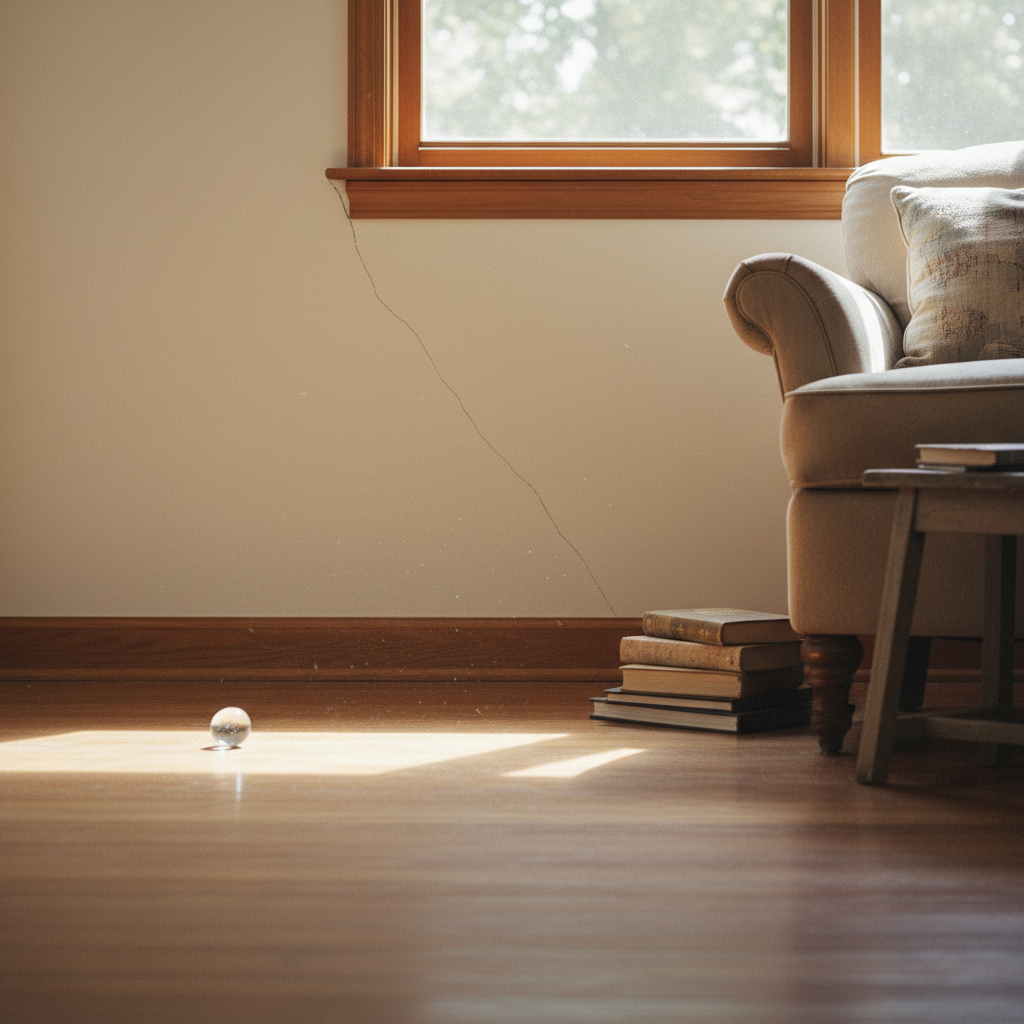
- Expansive Clay Soils: Many regions have soils rich in clay that expand significantly when wet and shrink when dry. This constant cycle of expansion and contraction creates movement beneath the foundation, leading to settling and shifting over time.
- Poor Soil Compaction: If the soil beneath your home’s footings was not properly compacted during construction, it can settle unevenly, causing parts of the foundation to sink.
- Erosion: Water runoff from heavy rains, overflowing gutters, or poorly sloped landscaping can erode the soil around and beneath your foundation, washing away support and causing sections to settle.
- Soil Consolidation: Over time, the weight of the house can compress the soil, especially if it’s loose or sandy, leading to a general settling of the foundation.
Moisture Problems
- Poor Drainage: Inadequate grading around the home, clogged gutters, or downspouts discharging water too close to the foundation can lead to water pooling around the crawl space. This saturates the soil, contributing to expansion/contraction cycles and erosion.
- Leaks: Plumbing leaks within the crawl space can introduce excess moisture, saturating the soil directly beneath piers and beams, and promoting wood rot.
- High Humidity: Unvented or improperly vented crawl spaces can trap humidity, leading to condensation, mold growth, and eventually, the softening and decay of wooden support beams and floor joists.
- Standing Water: Any standing water in the crawl space is a major red flag, indicating significant drainage issues that will inevitably compromise the foundation.
Structural Weaknesses
- Rotting Wood: Excessive moisture in the crawl space can lead to wood rot in floor joists, support beams, and subflooring. As these wooden components decay, they lose their strength and ability to support the home’s weight, leading to sagging floors and unevenness.
- Inadequate Piers or Footings: If the original construction used too few piers, piers that were too small, or footings that weren’t deep enough or properly sized for the soil conditions, the foundation may be inherently weak and prone to shifting.
- Shoddy Construction: Poor construction practices, such as improper pier spacing, insufficient bracing, or using low-quality materials, can predispose a crawl space foundation to problems.
Pest Infestations
- Termites and Carpenter Ants: These pests thrive in moist, dark environments and can cause significant damage to wooden structural elements within a crawl space. By tunneling through or eating wood, they compromise its integrity, leading to sagging and shifting.
- Rodents: While not directly damaging the foundation wood, rodents can chew through insulation, vapor barriers, and even electrical wiring, contributing to a deteriorating crawl space environment.
Aging and Wear
Just like any other part of a home, foundations experience wear and tear over time. Natural settling is normal, but excessive settling or localized sinking can indicate a problem. Older homes, in particular, may have foundations built to different standards or with materials that have degraded over decades.
Tree Roots
Large trees planted too close to the foundation can cause issues in two ways: their roots can grow under and lift parts of the foundation, or they can aggressively draw moisture from the soil, causing it to shrink and settle excessively.
Telltale Signs Your Crawl Space Foundation Is Shifting
Catching foundation problems early can save you significant time, money, and stress. Be vigilant for these common indicators, both inside and outside your home, and within the crawl space itself.
Inside the Home
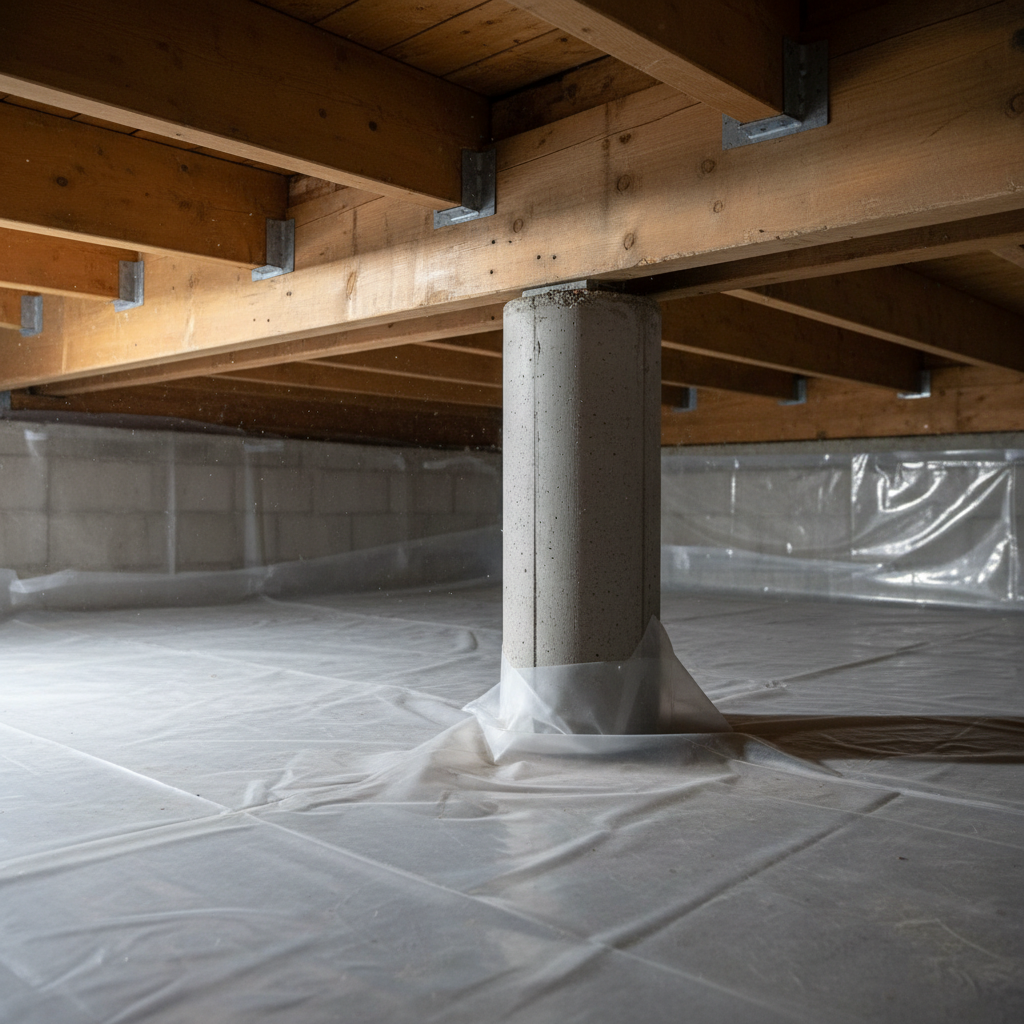
- Uneven or Sagging Floors: This is one of the most common signs. You might feel a slope when walking across a room, or notice marbles rolling to one side.
- Sticking Doors and Windows: Doors and windows that suddenly become difficult to open, close, or latch properly can indicate that their frames have become warped due to foundation movement.
- Cracks in Walls or Ceilings: Look for horizontal, vertical, or diagonal cracks in drywall, plaster, or masonry, especially around door and window frames. Stair-step cracks in brickwork are particularly indicative of shifting.
- Separating Walls: Gaps appearing where walls meet the ceiling or floor can be a sign of significant movement.
- Leaning Chimneys: If your chimney appears to be pulling away from the house or leaning, it’s a strong indicator of foundation issues.
Outside the Home
- Exterior Cracks: Inspect the exterior walls for cracks in brick, stucco, or siding. Stair-step cracks in mortar joints are a major red flag.
- Gaps Around Windows and Doors: Similar to interior issues, exterior gaps can form as the house shifts.
- Sloping Porches or Decks: If attached structures begin to pull away from the main house or show signs of unevenness, it suggests foundational movement.
- Displaced Siding or Trim: Sections of siding or exterior trim that are buckling, separating, or uneven can also point to foundation issues.
In the Crawl Space Itself (if accessible)
- Cracked or Tilting Piers: Visibly cracked, crumbling, or leaning support piers indicate direct foundation distress.
- Sagging Beams or Joists: Look for bowing or sagging in the main support beams and floor joists that support your subfloor.
- Excessive Moisture, Mold, or Mildew: The presence of moisture, water stains, musty odors, or visible mold/mildew points to unresolved water issues that contribute to structural decay.
- Pest Evidence: Termite tunnels (mud tubes), ant trails, rodent droppings, or damaged wood from pests are critical signs that need immediate attention.
- Separating Vapor Barrier: If the vapor barrier on the crawl space floor is torn, damp, or completely missing, it can allow moisture to penetrate the area.
The Dangers of Ignoring Foundation Shifting
Ignoring signs of crawl space foundation shifting is akin to ignoring a persistent cough; it will likely get worse and become more complicated to treat. The potential repercussions extend far beyond cosmetic damage.
- Compromised Structural Integrity: The most severe danger is the progressive weakening of your home’s entire structure. This can lead to significant portions of the house becoming unstable, potentially even collapsing in extreme cases.
- Decreased Property Value: Foundation problems are a major red flag for prospective buyers and will significantly reduce your home’s market value. Disclosure of such issues is often legally required during a sale.
- Increased Energy Costs: As the foundation shifts, it can create gaps and cracks in the home’s envelope, leading to air leaks. This allows conditioned air to escape and unconditioned air to enter, driving up heating and cooling bills.
- Health Hazards: Moisture issues often accompany foundation problems, fostering the growth of mold and mildew. These can trigger respiratory issues, allergies, and other health problems for occupants. Pest infestations, attracted by damp conditions, also pose health risks.
- Safety Risks: Uneven floors can be tripping hazards. Shifting walls and ceilings could lead to falling debris. In severe cases, structural failure poses a direct threat to safety.
Professional Assessment: Why You Need an Expert
While you can identify the signs, accurately diagnosing the cause and determining the best solution for crawl space foundation shifting requires the expertise of a qualified professional. It’s not a DIY project.
- When to Call: If you notice any of the aforementioned signs, or even suspect an issue, contact a structural engineer or a reputable foundation repair specialist.
- What They Look For: Experts will conduct a thorough inspection, assessing the soil, drainage, structural components (piers, beams, joists), moisture levels, and overall integrity of your foundation. They use specialized tools to measure elevation changes and identify stress points.
- Comprehensive Solutions: Based on their assessment, they can provide a detailed report of the problem, its cause, and a recommended course of action, complete with estimated costs.
Effective Solutions for Crawl Space Foundation Shifting
The specific repair strategy will depend entirely on the cause and extent of the damage. Here are common solutions homeowners may encounter:
Moisture Management
- Drainage Improvements: This includes grading the landscape away from the house, installing French drains, or repairing/extending downspouts to direct water away from the foundation.
- Crawl Space Encapsulation: Sealing off the crawl space from the outside environment with a heavy-duty vapor barrier and often adding a dehumidifier. This creates a conditioned space, preventing moisture intrusion and protecting wooden elements from rot.
- Sump Pumps: Installed in crawl spaces prone to standing water, sump pumps automatically remove excess water.
Foundation Repair
- Pier and Beam Repair/Replacement: Damaged, cracked, or insufficient piers and beams can be repaired, reinforced, or entirely replaced. This often involves leveling the floor joists and installing new, stronger supports.
- Shoring and Leveling: Using temporary supports to lift and stabilize sagging floors and then installing permanent solutions like adjustable steel columns or new concrete piers.
- Underpinning: For severely settled foundations, underpinning involves extending the foundation deeper into the ground to reach more stable soil. This can be done using methods like helical piers or push piers.
- Sistering Joists: When floor joists are damaged or sagging but not beyond repair, a new joist can be attached alongside the existing one to add strength and support.
Pest Control
Addressing infestations of termites, carpenter ants, or other pests is crucial. This typically involves professional pest extermination and then repairing any damaged wood members. Preventing future infestations through proper moisture control is also key.
Soil Stabilization
In some cases, soil injection with polyurethane foam or other agents can help stabilize expansive or poorly compacted soils around the foundation, reducing future movement.
Preventative Measures: Protecting Your Crawl Space Foundation
The best way to deal with crawl space foundation shifting is to prevent it from happening in the first place. Proactive maintenance can save you from costly repairs down the line. For more tips on general home maintenance, you might find valuable advice on sites like Better Homes & Gardens, which often covers crucial aspects of property upkeep.
- Regular Inspections: Periodically check your crawl space for signs of moisture, pests, or structural issues. A professional inspection every few years is also a wise investment.
- Proper Drainage: Ensure your yard slopes away from your home’s foundation by at least six inches over the first ten feet. Keep gutters clean and extend downspouts at least six feet away from the foundation.
- Crawl Space Encapsulation: Consider fully encapsulating your crawl space. This involves sealing vents, installing a heavy-duty vapor barrier on the ground and walls, and potentially adding a dehumidifier. It effectively controls moisture and stabilizes the environment.
- Ventilation: If encapsulation isn’t an option, ensure existing crawl space vents are clear and functioning correctly. However, in humid climates, vents can sometimes bring in more moisture, making encapsulation a better solution.
- Gutter Maintenance: Regularly clean gutters and repair any leaks to prevent water from overflowing and saturating the soil around your foundation.
- Landscaping Management: Plant trees and large shrubs a safe distance from your foundation (typically 15-20 feet) to prevent root intrusion and excessive soil moisture absorption. Avoid excessive watering near the foundation.
- Pest Management: Maintain a clean crawl space, seal entry points, and consider regular pest control treatments to prevent infestations that can compromise wood structures.
- Monitor Plumbing: Address any plumbing leaks promptly, both inside your home and in the crawl space, to prevent water damage and soil saturation.
Frequently Asked Questions About Crawl Space Foundation Shifting
How much does crawl space foundation repair cost?
The cost of crawl space foundation repair varies widely depending on the severity of the damage, the specific solutions required (e.g., moisture control, pier replacement, underpinning), the size of the home, and your geographic location. Minor repairs might cost a few thousand dollars, while extensive structural repairs could range from $10,000 to $50,000 or more. It’s essential to get multiple quotes from reputable foundation specialists.
Can I fix foundation shifting myself?
While minor issues like gutter cleaning or downspout extensions can be DIY, significant foundation shifting is almost never a DIY project. It requires specialized knowledge, tools, and experience to correctly diagnose the problem and implement structural repairs safely and effectively. Improper repairs can worsen the problem and lead to more costly damage.
How long does foundation repair take?
The duration of foundation repair depends on the scope of work. Simple moisture management or a few pier replacements might take a few days. More extensive repairs involving underpinning, significant structural reinforcement, or full encapsulation could take several weeks. Your chosen contractor should provide a clear timeline.
Is foundation shifting covered by insurance?
Generally, standard homeowner’s insurance policies do not cover damage caused by earth movement (like settling, shifting, expanding soil) or water damage that results from poor maintenance or natural flooding. However, if the damage is caused by a sudden, accidental event explicitly covered by your policy (e.g., burst pipe, fire), then the resulting foundation damage might be covered. It’s crucial to review your specific policy and speak with your insurance provider.
What’s the difference between settling and shifting?
Natural settling is a normal, gradual process where a new home subtly adjusts to the soil beneath it, often resulting in minor, hairline cracks. This is usually benign. Shifting, however, implies more significant, often uneven movement that results in noticeable structural damage like large cracks, uneven floors, or sticking doors. Shifting is a sign of an underlying problem that requires investigation.
Conclusion
A home is a significant investment, and its foundation is quite literally its bedrock. Understanding the causes and signs of crawl space foundation shifting empowers you to take prompt action, protecting your property and ensuring the safety of your loved ones. While the thought of foundation repair can be daunting, addressing issues early with professional help is the most effective way to maintain your home’s structural integrity and preserve its value for years to come. Don’t let out of sight mean out of mind; be proactive about your crawl space foundation’s health.