What Exactly is a Power Surge?
At its core, a power surge is a sudden, momentary spike in voltage that travels through electrical lines. In North America, the standard voltage supplied to most homes is around 120 volts. Appliances and electronics are designed to operate within a specific voltage range, and when the voltage significantly exceeds this level, even for a fraction of a second, it can cause damage. Unlike a complete power outage (blackout) or a dip in voltage (brownout), a surge is characterized by an excessive increase in electrical potential.
Think of electricity flowing through your home’s wiring like water flowing through a pipe. A normal flow is steady and consistent. A power surge is like a sudden, powerful blast of water through that pipe, creating immense pressure. If your appliances are the faucets or fixtures, this sudden pressure can overwhelm and damage them.
The Difference Between a Surge and an Overvoltage
- Power Surge: Typically a very short-duration event, lasting mere microseconds, but with a dramatic spike in voltage (often thousands of volts).
- Overvoltage: A more sustained period where the voltage remains above the normal operating range, but might not reach the extreme peaks of a surge. Both can be damaging, but surges are often more sudden and intense.
Common Causes of Random Power Surges in Your Home
Power surges aren’t always caused by dramatic external events like lightning. They can originate from both outside your home and within your own electrical system. Identifying the potential sources is the first step in understanding how to mitigate their impact.
External Causes
These are the surges that often come to mind first when discussing electrical problems, as they are usually more potent and widespread.
- Lightning Strikes: This is arguably the most powerful and destructive cause. A direct lightning strike can send hundreds of thousands of volts through electrical lines, but even nearby strikes can induce surges that travel through utility wires or ground lines into your home.
- Utility Grid Switching: Your local utility company constantly manages the power grid. This involves switching power grids, bringing new power sources online, or turning off large equipment. These actions can create momentary fluctuations or surges that propagate down the lines to your home.
- Downed Power Lines: Accidents involving vehicles hitting utility poles, falling trees, or severe weather can cause power lines to fall. When these lines make contact with the ground or other objects, they can create surges as the electrical current seeks new paths.
- Issues at the Utility Substation: Malfunctions or maintenance work at substations, which are critical points in the power distribution network, can also lead to voltage irregularities and surges impacting entire neighborhoods.
Internal Causes
Perhaps surprisingly, many random power surges originate right within your own four walls. These are often less severe than external surges but can still cause significant cumulative damage over time.
- Turning On/Off High-Power Appliances: Appliances with motors, such as refrigerators, air conditioners, washing machines, dishwashers, and even vacuum cleaners, demand a large amount of electricity when they cycle on or off. This sudden demand or cessation can create minor surges or “spikes” in your home’s electrical system, especially if the wiring is older or less robust.
- Faulty Wiring or Electrical Components: Outdated, damaged, or poorly installed wiring, loose connections, or aging circuit breakers can all contribute to unstable electrical flow, making your home more susceptible to internal surges.
- Overloaded Circuits: While an overloaded circuit typically trips a breaker to prevent damage, a momentary surge can occur just before the breaker trips, especially if the load is frequently pushed to its limit.
- Short Circuits: When an electrical current deviates from its intended path due to faulty insulation or a loose wire, it creates a short circuit. This can generate significant heat and sparks, but also a sudden, uncontrolled rush of electricity that can manifest as a surge.
- Grounding Issues: A properly grounded electrical system provides a safe path for excess electricity to dissipate into the earth. If your home’s grounding is inadequate or damaged, surges have no safe escape route and are forced through your home’s circuits, increasing the risk of damage.
The Impact: What Random Power Surges Can Do
The effects of power surges can range from instantly catastrophic to subtly destructive, often without you even realizing it until it’s too late.
Immediate Damage
These are the most noticeable and often most frustrating consequences of a significant surge.
- Burning Out Sensitive Electronics: Modern electronics, such as computers, smart TVs, gaming consoles, routers, and smart home devices, are particularly vulnerable. Their delicate microprocessors and circuit boards can be instantly fried by an unexpected voltage spike, rendering them inoperable.
- Damaging Appliance Circuit Boards: Many major appliances now contain sophisticated electronic control boards. A surge can damage these, leading to expensive repairs or even the need for full appliance replacement. This includes refrigerators, washing machines, dishwashers, ovens, and microwaves.
- Shortening Lifespan of Devices: Even if a device doesn’t fail immediately, a surge can weaken its internal components, accelerating wear and tear and leading to premature failure months or even years down the line.
Subtle, Cumulative Damage
These are the “silent killers” that erode the health of your electronics over time, often without a clear incident to blame.
- Degradation of Internal Components: Smaller, more frequent surges (often from internal causes) might not instantly destroy a device, but they can gradually degrade its internal circuitry. This “electronic rust” can lead to reduced performance, intermittent issues, and eventually, total failure.
- Reduced Efficiency and Premature Failure: Devices operating under the stress of repeated minor surges may become less efficient, consuming more power than necessary, and ultimately giving out sooner than their expected lifespan.
Safety Hazards
Beyond property damage, power surges can pose direct threats to safety.
- Risk of Electrical Fires: Extreme surges can cause wires to overheat, insulation to melt, and even spark electrical fires, especially if the surge is powerful and sustained, or if it impacts faulty wiring. You might notice a burning smell, discolored outlets, or smoke.
- Melting Plastic, Burning Smells: These are clear indicators that a surge has caused significant overheating and damage to electrical components or wiring, demanding immediate attention.
Detecting a Power Surge
While some surges are obvious, others might be more subtle. Knowing the signs can help you respond appropriately.
- Flickering Lights: A brief, unprovoked flicker could indicate a minor voltage fluctuation.
- Tripped Breakers: While circuit breakers are designed to trip to prevent overload, a very strong surge can sometimes trip them as it passes through the system.
- Burning Smell or Discoloration: A distinct burning odor, especially near outlets or appliances, or visible scorching/discoloration, is a serious sign of electrical damage.
- Device Malfunction or Reset: If your digital clock suddenly resets, your computer unexpectedly reboots, or an appliance stops working after a power fluctuation, a surge is a likely culprit.
- “Phantom” Surges: These are surges that occur without any immediately apparent signs but cause cumulative damage over time. This is why proactive protection is so vital.
If you experience frequent flickering, inexplicable device issues, or any signs of burning, it’s crucial to have a qualified electrician inspect your home’s electrical system immediately.
Protecting Your Home from Random Power Surges
Fortunately, there are several effective strategies to safeguard your home and its contents from the damaging effects of power surges. A layered approach offers the best defense.
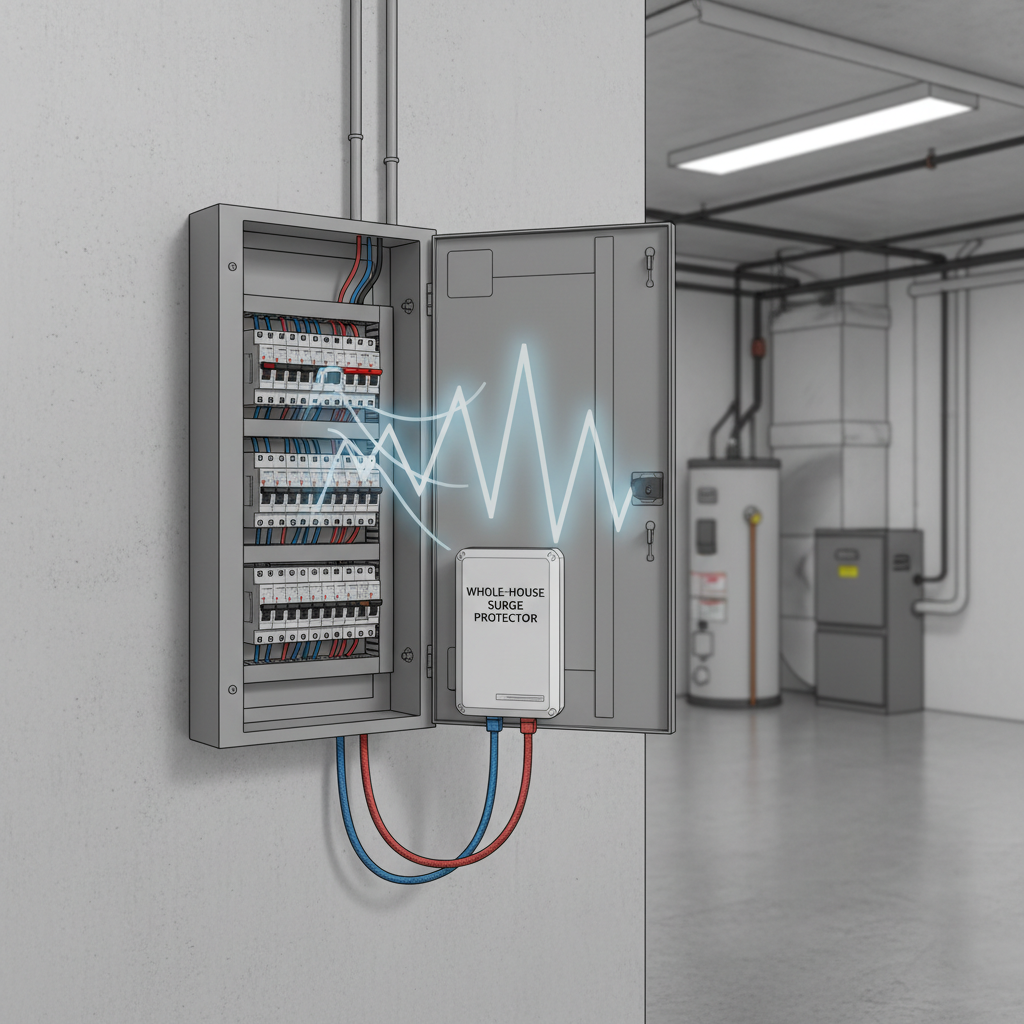
Whole-House Surge Protectors
This is your first and most comprehensive line of defense. A whole-house surge protector is installed directly at your home’s main electrical panel, protecting all circuits and connected devices within the house from external surges.
- How they work: These devices divert excess voltage harmlessly to the ground, preventing it from entering your home’s internal wiring and reaching your appliances.
- Benefits: They protect not only devices plugged into outlets but also hard-wired appliances like water heaters, air conditioning units, and ovens. They also offer protection against surges coming in through cable, phone, or data lines if properly integrated.
- Installation: Professional installation by a licensed electrician is essential to ensure proper wiring and safety.
Point-of-Use Surge Protectors
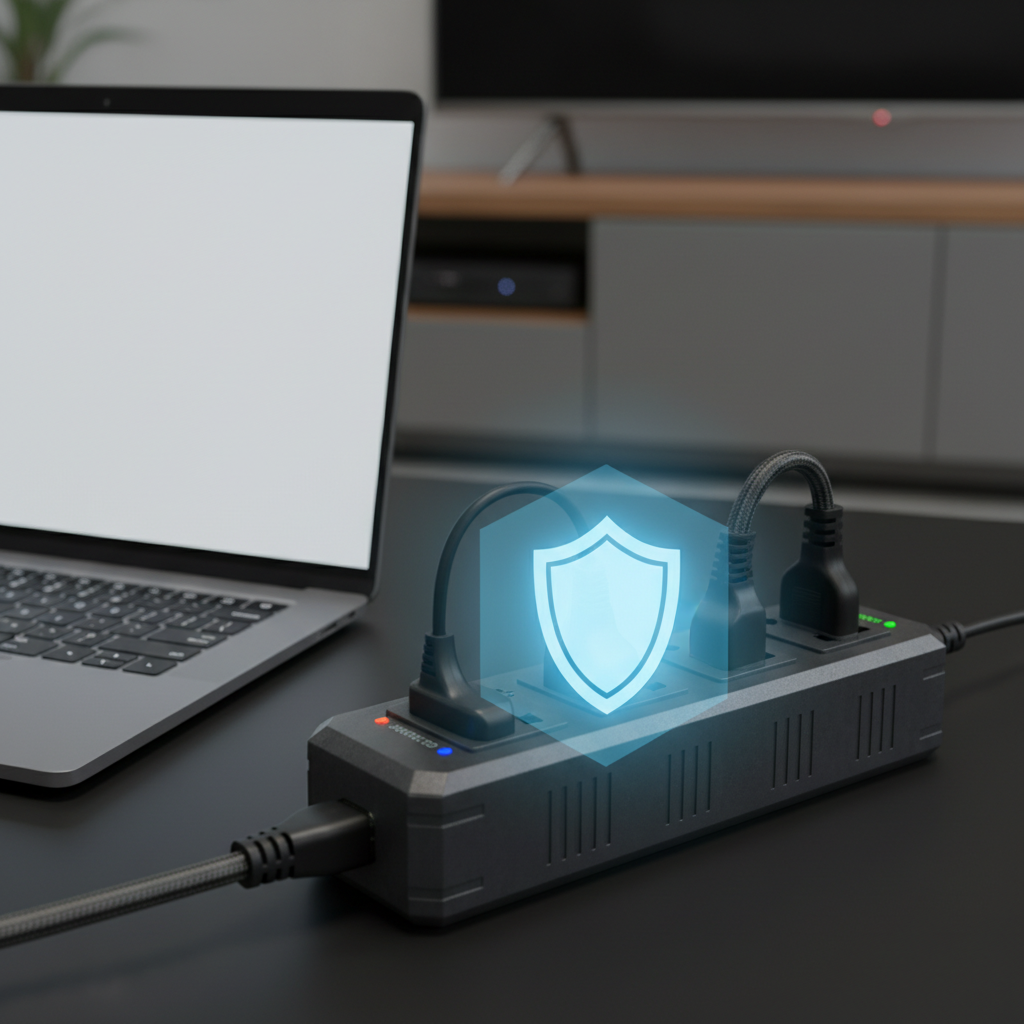
These are the power strips you commonly see, but it’s vital to choose ones specifically labeled as “surge protectors.” They offer localized protection for individual devices or groups of devices plugged into them.
- Joule Rating: When buying, look for a high joule rating (e.g., 1000 joules or more). This indicates the amount of energy the protector can absorb before it fails. The higher the joule rating, the better and longer-lasting the protection.
- UL Listing: Always ensure the surge protector is UL (Underwriters Laboratories) listed, meaning it meets rigorous safety standards.
- Not All Power Strips Are Surge Protectors: Many inexpensive power strips only provide additional outlets without offering any surge protection. Always check the packaging for surge protection features.
- Layered Protection: While a whole-house protector handles the biggest surges, point-of-use protectors provide an extra layer of defense, especially for sensitive electronics, and can absorb smaller internal surges.
Uninterruptible Power Supplies (UPS)
For critical electronics that you cannot afford to have power down, even for a moment, a UPS is an excellent investment.
- Functionality: A UPS combines battery backup with surge protection. It provides a temporary power source during outages, allowing you to safely shut down computers, and also filters incoming power, protecting against surges and sags.
- Ideal for: Desktop computers, modems, routers, home servers, and other essential equipment where data loss or abrupt shutdowns are unacceptable.
Proper Grounding
A well-maintained grounding system is fundamental to electrical safety and surge protection. It provides the safest path for excess electricity to escape into the earth.
- Inspection: Periodically have an electrician inspect your home’s grounding rods and connections to ensure they are intact and functioning correctly.
Appliance Management
Simple habits can also contribute to reducing surge risks.
- Unplug Sensitive Electronics: During severe thunderstorms or when leaving home for an extended period, unpluging particularly sensitive or valuable electronics offers ultimate protection against any surge getting through.
- Not Overloading Circuits: Avoid plugging too many high-draw appliances into a single outlet or circuit. While this is more likely to trip a breaker, it can also contribute to minor voltage fluctuations.
Professional Electrical Audit
Regular inspections by a licensed electrician can uncover potential issues within your home’s wiring, panel, and connections that might contribute to internal surges.
For more detailed insights on how to safeguard your home, Good Housekeeping emphasizes the importance of understanding your home’s electrical safeguards and how proper protection can prevent costly damage.
What to Do During and After a Power Surge
Knowing how to react when a surge occurs can minimize damage and ensure safety.
During a Power Surge
If you notice a strong surge (e.g., very bright flicker, burning smell):
- Unplug Sensitive Devices: If it’s safe to do so and you can react quickly, unpluging sensitive electronics. However, for very fast surges, this might not be possible.
- Avoid Touching Appliances or Outlets: If you suspect a major surge with potential damage, do not touch electrical appliances or outlets, as there might be a risk of shock.
After a Power Surge
- Check Devices: Inspect your electronics and appliances. Look for any signs of damage like burning smells, smoke, discolored areas, or non-functionality.
- Reset Breakers: If circuit breakers have tripped, reset them. If they trip again immediately, do not force them back on; there might be a short circuit or ongoing issue.
- Test Surge Protectors: Many point-of-use surge protectors have indicator lights that show if their surge protection components are still active. If the “protected” light is off, the surge protector has likely sacrificed itself to save your devices and needs to be replaced.
- Call an Electrician: If you notice persistent issues, burning smells, frequent flickering, or if you suspect significant damage to your home’s wiring or main electrical panel, contact a licensed electrician for a thorough inspection. They can assess the damage and ensure your electrical system is safe.
- Document Damage: If items are damaged, document everything with photos and receipts for potential insurance claims.
FAQs About Power Surges
Are all power strips surge protectors?
No. Many inexpensive power strips simply provide additional outlets without any built-in surge protection. Always check the packaging for a “joule rating” or explicit mention of “surge protection” to ensure it offers protective capabilities.
Can a power surge damage my house wiring?
Yes, powerful surges, especially those from lightning strikes, can damage your home’s internal wiring, outlets, and even the main electrical panel. This is why a whole-house surge protector is so beneficial, as it intercepts the surge before it enters your home’s main wiring.
How often should I replace surge protectors?
Point-of-use surge protectors have a finite capacity to absorb surges. After multiple surges, or a single powerful one, their protective components can degrade or fail. Most manufacturers recommend replacing them every 3-5 years, or immediately after a major electrical event like a lightning strike. Check the indicator lights; if the “protected” light goes out, it’s time for a replacement.
Does home insurance cover power surge damage?
Most standard homeowners’ insurance policies offer some coverage for power surge damage, especially if it’s sudden and accidental. However, coverage can vary greatly depending on your specific policy and the cause of the surge (e.g., lightning vs. utility grid fault). It’s always best to review your policy or contact your insurance provider to understand your coverage limitations and deductible.
What’s the difference between a surge protector and a circuit breaker?
A surge protector is designed to protect against brief, high-voltage spikes by diverting excess electricity away from your devices. A circuit breaker, on the other hand, is a safety device that automatically shuts off the flow of electricity to a circuit when it detects an overload (too much current) or a short circuit, preventing overheating and potential fires. They serve different, but complementary, safety functions.
Conclusion: Securing Your Sanctuary: Peace of Mind Against Power Surges
Random power surges in home environments are an unavoidable reality of modern electrical systems. While some are dramatic and immediately destructive, others are subtle, silently eroding the lifespan of your cherished electronics and appliances. Ignoring these electrical fluctuations can lead to significant financial loss, inconvenience, and even potential safety hazards. By understanding the causes, recognizing the signs, and implementing a comprehensive protection strategy—combining whole-house surge protection with strategic point-of-use devices and diligent electrical maintenance—you can create a resilient electrical environment for your home. Investing in these preventative measures not only safeguards your valuable possessions but also provides invaluable peace of mind, knowing your sanctuary is well-protected against the unpredictable forces of electricity.