Why Do Sidewalks Sink Unevenly? Uncovering the Root Causes
A sidewalk’s stability is intricately linked to the ground beneath it. When that ground shifts, erodes, or becomes unstable, the concrete slabs resting on it are bound to follow suit. Several factors contribute to a sidewalk sinking unevenly, ranging from natural environmental processes to installation shortcomings.
1. Soil Erosion and Washout
Perhaps the most prevalent cause of a sinking sidewalk is soil erosion. When rainwater or groundwater repeatedly flows beneath concrete slabs, it can gradually wash away the soil supporting them. Over time, these voids beneath the concrete grow, causing the unsupported sections to crack and settle, resulting in an uneven surface. This is particularly common in areas with poor drainage or where downspouts discharge water directly onto or near the sidewalk.

2. Poor Soil Compaction During Installation
The stability of a newly poured sidewalk relies heavily on the proper compaction of the soil beneath it. If the sub-base soil isn’t adequately compacted before the concrete is laid, it will naturally settle over time. This post-construction settling creates voids and uneven support, leading to the concrete slabs sinking and becoming uneven. This issue is often seen in newer constructions but can also arise when previous repairs or landscaping work didn’t prioritize proper soil preparation.
3. Tree Root Intrusion
Nature, in its relentless pursuit of growth, can be a major disruptor of concrete surfaces. The roots of nearby trees and large shrubs constantly seek water and nutrients, expanding as they grow. When these roots encounter a sidewalk, they can exert immense pressure, lifting and pushing slabs out of alignment. Conversely, as roots decay or are removed, they leave behind voids that can cause slabs to settle and sink.
4. Expansive Clay Soils and Freeze-Thaw Cycles
Certain types of soil, particularly expansive clay soils, are highly susceptible to changes in moisture content. When these soils absorb water, they expand significantly; when they dry out, they shrink. This constant cycle of expansion and contraction creates a dynamic and unstable base for concrete, leading to uneven settlement. In colder climates, the freeze-thaw cycle exacerbates this problem. Water seeps into the soil, freezes, expands (forming ice lenses), and then thaws, leaving behind voids that cause concrete to shift and sink.
5. Poor Drainage
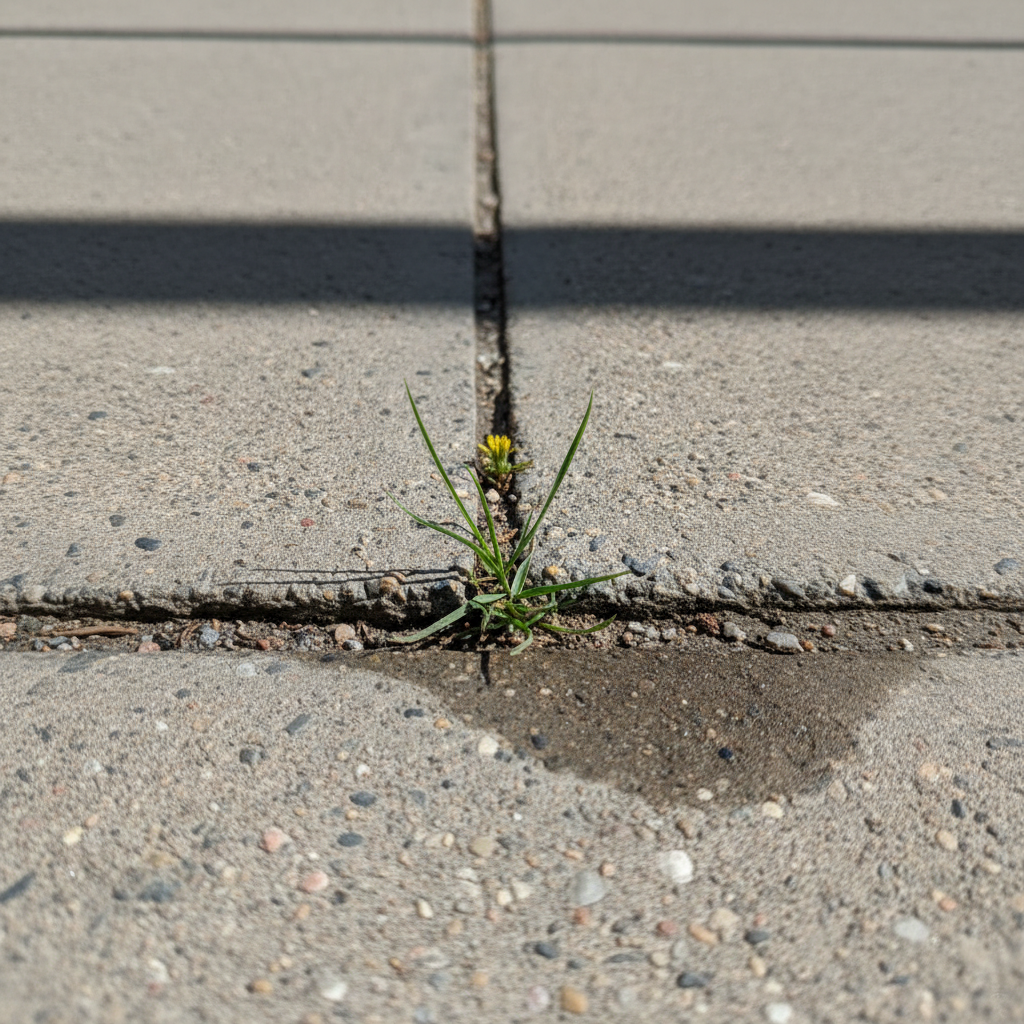
Inadequate drainage around your home and property is a silent culprit behind many concrete issues. If water collects near your sidewalk due to improper grading, clogged gutters, or inefficient storm drains, it will eventually seep underneath the slabs. This constant saturation contributes to soil erosion, weakens the sub-base, and can lead to the uneven settling of your sidewalk over time. You might also notice standing water on the sidewalk itself, indicating a depression.
6. Heavy Loads and Traffic
While sidewalks are designed for pedestrian traffic, they are not impervious to excessive weight. Driving heavy vehicles, construction equipment, or frequently parking cars on a sidewalk not designed for such loads can exceed its structural capacity. This sustained pressure can compact the underlying soil unevenly, cause the concrete to crack, and ultimately lead to slabs sinking or tilting.
7. Plumbing Leaks and Underground Utilities
Less common but equally destructive are hidden plumbing leaks or issues with underground utility lines running beneath a sidewalk. A slow, persistent leak can saturate and erode the soil beneath the concrete without any visible signs on the surface, creating subterranean voids that lead to gradual and uneven sinking. If you suspect a leak, it’s crucial to address it promptly.
8. Age and Wear
Even with perfect installation and ideal conditions, concrete has a finite lifespan. Over decades, constant exposure to the elements, temperature fluctuations, and general wear and tear can weaken the concrete itself and contribute to the gradual degradation of the underlying soil, making sidewalks more susceptible to uneven sinking.
Beyond Aesthetics: The Dangers and Drawbacks of an Uneven Sidewalk
While the visual impact of a sunken sidewalk is undeniable, the implications extend far beyond appearances. Addressing these issues promptly is crucial for several reasons:
1. Significant Trip Hazards and Safety Risks
This is perhaps the most immediate and critical concern. Uneven concrete creates dangerous tripping hazards for pedestrians, children playing, and anyone using the pathway. Falls can lead to serious injuries, from sprains and fractures to head trauma. As a property owner, you could be held liable for injuries sustained on your uneven sidewalk, making repair a legal as well as a practical necessity.
2. Diminished Curb Appeal and Property Value
Your sidewalk is often the first impression visitors and potential buyers have of your home. A cracked, sunken, and uneven sidewalk instantly gives an impression of neglect, detracting significantly from your home’s curb appeal. This can negatively impact your property’s market value and make it harder to sell. A well-maintained exterior, including sidewalks, signals a well-cared-for home.
3. Water Damage and Foundation Concerns
When sidewalks become uneven, they can inadvertently direct water flow towards your home’s foundation. Puddles that form on sunken sections can seep into the soil directly adjacent to your house, increasing hydrostatic pressure on the foundation walls. Over time, this can lead to basement leaks, foundation cracks, and costly structural damage to your home. Proper drainage and level sidewalks are essential for protecting your home’s structural integrity.
4. Pest Infestation
Cracks and gaps created by uneven concrete slabs can become inviting entry points for pests like ants, termites, rodents, and other unwanted critters. These spaces offer shelter and access to your property, potentially leading to infestations that are difficult and expensive to eradicate.
Identifying the Problem: Signs Your Sidewalk is Sinking
Catching problems early can save significant time and money. Here’s what to look for:
- Visible Unevenness: The most obvious sign – one slab is clearly higher or lower than its neighbor.
- Cracks: Hairline cracks can evolve into spiderweb patterns or deep fissures, indicating stress and movement.
- Gaps Between Slabs: Spaces appearing between concrete sections where there previously were none.
- Pooling Water: Water collecting in specific areas on the sidewalk after rain, indicating a depression.
- Hollow Sounds: Tapping on an uneven slab might produce a hollow sound, suggesting a void underneath.
Effective Solutions for a Sidewalk Sinking Unevenly
Once you’ve identified that your sidewalk is indeed sinking, the next step is to explore the available repair options. The best approach depends on the severity of the sinking, the underlying cause, and your budget.
1. Concrete Leveling (Slab Jacking or Mudjacking)
This is a well-established and cost-effective method for raising sunken concrete slabs. In mudjacking, a series of small holes (typically 1-2 inches in diameter) are drilled through the sunken concrete slab. A specialized mixture, usually a slurry of cement, sand, and other additives, is then pumped under pressure through these holes. This material fills the voids beneath the slab, gradually lifting it back to its original, level position. Once the slab is level, the holes are patched.
- Pros: Less expensive than replacement, quick process, minimal disruption, uses readily available materials.
- Cons: Can be messy, the slurry is heavy and adds weight, may not be suitable for severely cracked or deteriorated slabs.
2. Polyurethane Foam Injection (Polyjacking or Foam Lifting)
Polyjacking is a more modern alternative to mudjacking, offering several distinct advantages. Similar to mudjacking, small holes (often smaller, about 5/8 inch in diameter) are drilled through the concrete. However, instead of a cement slurry, a high-density, expanding polyurethane foam is injected beneath the slab. This foam expands rapidly, filling voids and lifting the concrete to the desired level. The foam cures quickly, allowing the sidewalk to be used almost immediately.
- Pros: Lighter than mudjacking material (reducing future settlement), stronger, more durable, cures faster, smaller injection holes, waterproof, environmentally friendly options available.
- Cons: Typically more expensive than mudjacking, requires specialized equipment and expertise.
3. Concrete Grinding
For very minor height differences (typically less than an inch), concrete grinding can be an option. This involves using specialized grinding equipment to shave down the higher edge of a slab, creating a smoother transition. However, this method only addresses the surface discrepancy and does not fix the underlying cause of the sinking. It’s a temporary fix that can expose aggregate and sometimes create an unappealing finish.
- Pros: Quick, can address minor trip hazards.
- Cons: Doesn’t solve the root problem, can weaken the slab, alters aesthetics, limited to small height differences.
4. Sectional Concrete Replacement
If only a small section of your sidewalk is severely damaged, cracked beyond repair, or has sunk too much for leveling methods to be effective, replacing just that section might be the most practical solution. This involves cutting out and removing the damaged slab(s) and pouring new concrete. It’s crucial that the underlying soil is properly prepared and compacted before new concrete is poured to prevent future sinking.
5. Full Sidewalk Replacement
In cases of widespread damage, extensive cracking, severe sinking across multiple sections, or if the entire sidewalk is beyond repair, a full replacement may be the only viable option. While this is the most costly and disruptive solution, it guarantees a fresh start and the opportunity to address all underlying issues, ensuring a long-lasting and aesthetically pleasing result. When considering this option, ensure proper sub-base preparation and drainage planning are paramount. For more on maintaining outdoor concrete elements, a resource like Better Homes & Gardens provides valuable insights into concrete care.
DIY vs. Professional Repair: When to Call the Experts
While some minor concrete repairs can be tackled by a diligent DIYer, addressing a sidewalk sinking unevenly generally falls into the realm of professional work.
- When to DIY: Minor crack filling, simple joint sealing, or very small, isolated patches if you have concrete experience.
- When to Call a Pro: Any significant unevenness, large cracks, multiple sunken slabs, or if you suspect underlying issues like drainage problems or tree root intrusion. Professionals have the specialized equipment, experience, and knowledge to diagnose the root cause and implement effective, long-lasting solutions like polyjacking or mudjacking. Attempting these complex repairs without the proper expertise can lead to further damage, unsatisfactory results, and potentially higher costs in the long run.
Preventing Future Sidewalk Sinking: Proactive Measures
Once your sidewalk is repaired, or if you’re looking to prevent the issue from arising in the first place, proactive maintenance is key:
- Improve Drainage: Ensure rainwater flows away from your sidewalk and home foundation. Clear gutters, extend downspouts, and consider proper grading or French drains around your property to manage water flow.
- Strategic Landscaping: Plant trees and large shrubs at a safe distance from concrete structures. Consult with a local arborist to understand root growth patterns of specific species.
- Regular Inspections: Periodically walk your sidewalk, looking for early signs of cracks, settling, or unevenness. Address small issues before they become major problems.
- Proper Initial Installation: If installing new concrete, ensure the contractor prepares the sub-base meticulously with proper compaction and drainage.
- Avoid Heavy Loads: Refrain from driving or parking heavy vehicles on sidewalks unless they are specifically designed to support such weight.
Choosing the Right Professional Contractor
If you decide to hire a professional for concrete leveling or replacement, take your time to choose a reputable company:
- Experience: Look for contractors with specific experience in concrete leveling or foundation repair.
- References: Ask for local references and check online reviews.
- Warranty: A reputable company should offer a warranty on their work.
- Insurance: Ensure they are fully licensed and insured.
- Detailed Quotes: Get multiple written quotes that clearly outline the scope of work, materials, and costs.
Conclusion
A sidewalk sinking unevenly is a common yet significant issue that homeowners face. From creating dangerous trip hazards to undermining your home’s curb appeal and potentially leading to more serious foundation problems, the implications are extensive. Understanding the diverse causes, from soil erosion to expansive clay, is the first step toward effective mitigation. With modern solutions like polyurethane foam injection and traditional methods like mudjacking, addressing these issues is more accessible than ever. By prioritizing timely repairs and implementing preventative measures, you can ensure your pathways remain safe, beautiful, and a lasting asset to your property for years to come.