What Causes a Porch Roof to Sag?
A variety of factors, ranging from environmental stressors to construction deficiencies, can contribute to a porch roof beginning to sag. Identifying the root cause is the first critical step toward effective repair and prevention.
Water Damage and Rot
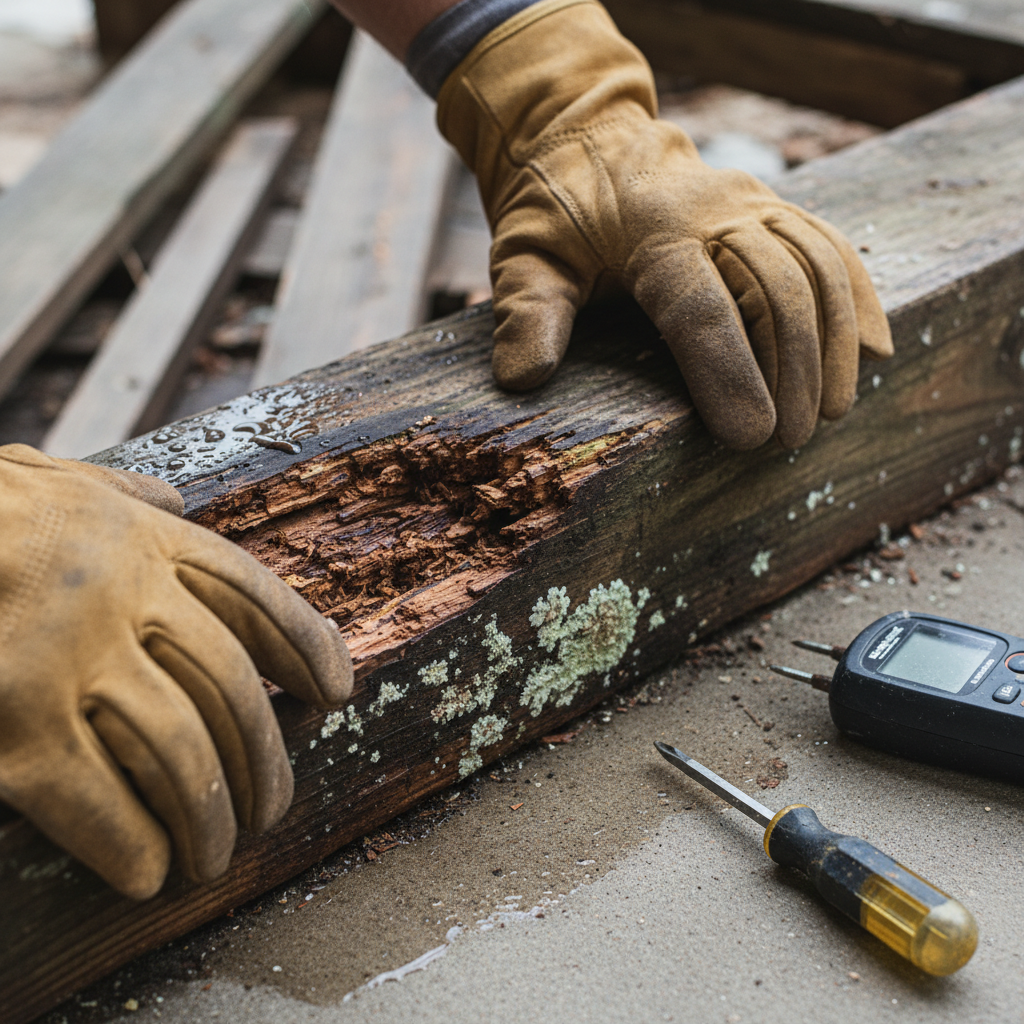
One of the most common culprits behind a sagging porch roof is water infiltration. Leaky gutters, damaged shingles, compromised flashing, or poor drainage can allow water to penetrate the roof structure. Over time, this moisture leads to wood rot in beams, rafters, or support posts. As the wood deteriorates, it loses its structural integrity, becoming soft and weak, which inevitably causes the roof to dip. Regular gutter cleaning and roof inspections are crucial to prevent this.

Poor Original Construction or Design Flaws
Sometimes, the problem originates from the very beginning. If the porch roof was not designed or built to adequate structural standards, it may be prone to sagging prematurely. This could include using undersized lumber for rafters or beams, insufficient bracing, or improper fastening techniques. A lack of proper engineering foresight for the expected load (e.g., snow, wind) can lead to long-term stress and eventual failure.
Inadequate Support
The entire weight of the porch roof rests on its support system, which typically includes posts, beams, and connections to the main house structure. If these supports are insufficient, either due to their original design or subsequent deterioration, the roof will inevitably start to sag. This might mean the posts are too far apart, the main beam is not robust enough, or the connection points have weakened over time. Properly sized posts and beams are fundamental for structural stability.
Heavy Snow and Ice Loads
In regions experiencing harsh winters, heavy accumulations of snow and ice can place an enormous burden on a porch roof. While roofs are designed to withstand certain loads, an exceptionally heavy snowfall or prolonged ice damming can exceed the structural capacity, especially if the initial construction was marginal. The sustained weight can cause beams to bend and sag, and in severe cases, even lead to collapse.
Termite or Pest Damage
Wood-boring insects like termites, carpenter ants, or even certain types of beetles can severely compromise the wooden components of a porch roof. These pests tunnel through and consume the wood, hollowing out beams and rafters from the inside. This hidden damage significantly weakens the structure, often going unnoticed until the roof begins to visibly sag or deform. Regular pest inspections are vital, especially for wooden structures.
Foundation Issues
While less directly related to the roof itself, problems with the porch’s foundation can indirectly lead to a sagging roof. If the porch’s foundation settles unevenly, sinks, or shifts, it can throw the entire structure out of alignment. This movement can put undue stress on the porch posts and beams, leading to a distorted frame that manifests as a sagging roof. Issues with the main house foundation can also have a ripple effect.
Age and General Wear
Like all parts of a home, porch roofs are subject to the ravages of time and exposure to the elements. Over decades, even well-constructed roofs can begin to show signs of wear. Materials can degrade, fasteners can loosen, and the cumulative effects of expansion, contraction, and minor stressors can weaken the overall structure, leading to a gradual sag. Regular seasonal home maintenance can mitigate the effects of aging.
Identifying the Signs of a Sagging Porch Roof
Early detection is key to preventing more extensive damage and costly repairs. Homeowners should regularly inspect their porch roofs for any of the following indicators:
Visible Dip or Curve
The most obvious sign of a sagging porch roof is a noticeable dip or curve in its surface. Stand back from your home and observe the roofline from different angles. It should appear straight and level. Any deviation, no matter how subtle, warrants further investigation. Use a long straightedge or string line to measure deviations if you suspect a slight sag.
Cracks in Ceiling or Walls
If your porch roof has a finished ceiling underneath, look for cracks or fissures, particularly along seams or where the ceiling meets the house. These cracks indicate structural movement. Similarly, cracks in the exterior walls or siding near the porch attachment points can signal stress from a failing roof structure.
Water Stains or Discoloration
Water stains on the porch ceiling, posts, or the adjacent wall of the house are clear indicators of water penetration. These stains often appear as yellow, brown, or dark patches. Even if the roof isn’t visibly sagging yet, water damage can quickly lead to structural weakening and future sagging.
Loose or Rotten Wood
Inspect all visible wooden components, including rafters, beams, posts, and decorative trim. Look for signs of rot (soft, discolored, crumbling wood), splitting, or splintering. Use a screwdriver to gently probe any suspicious areas; if the wood is soft or punky, it’s likely rotting. Also, check for loose connections where wood members meet.
Misaligned Trim or Flashing
The trim boards around the edges of the roof or the flashing designed to prevent water intrusion can become misaligned as the roof sags. Gaps may appear, or the trim might pull away from the main structure. This not only looks bad but also creates new pathways for water to enter.
Creaking Sounds
While not always indicative of a sag, unusual creaking, groaning, or popping sounds coming from the porch structure, especially during changes in temperature or under load, can be a sign of structural stress and movement. Pay attention to these auditory cues as they can precede visible damage.
The Dangers of an Unaddressed Sagging Porch Roof
Ignoring a sagging porch roof is not merely an aesthetic oversight; it poses significant risks to your home and everyone who uses it. The potential consequences range from property damage to severe safety hazards.
Structural Collapse
The most alarming danger of a sagging porch roof is the risk of partial or complete structural collapse. As the support beams and posts weaken, they can no longer bear the weight, leading to a sudden and catastrophic failure. This can occur without much warning, especially under additional stress like heavy snow or strong winds.
Increased Water Damage
A sagging roof creates low points where water can pool, exacerbating existing leaks and creating new ones. This continuous water exposure leads to accelerated wood rot, mold growth, and further deterioration of not just the porch structure but also the adjacent parts of your home, including siding, walls, and foundation. Mold and mildew can also pose health risks indoors.
Pest Infestation
Damaged, rotting, or wet wood is an open invitation for pests like termites, carpenter ants, and other wood-boring insects. Once they establish themselves in the porch structure, they can quickly spread to other parts of your home, causing widespread and expensive damage that extends far beyond the porch itself.
Decreased Home Value
From a financial perspective, a visibly sagging porch roof significantly detracts from your home’s curb appeal and overall market value. Prospective buyers will view it as a major structural problem and a costly repair, making your home less attractive and harder to sell. It signals neglect and can lead to lower appraisal values.
Safety Hazard
Beyond the risk of collapse, a sagging porch roof creates an unsafe environment for residents and visitors. Loose or falling debris, weakened railings, and an unstable walking surface are all potential dangers. The structural instability can also compromise attached elements like light fixtures, fans, or decorative features. Addressing structural issues promptly is paramount for maintaining a safe living environment. For more information on general home safety, you can refer to resources like Better Homes & Gardens’ Home Safety Guide.
DIY Assessment vs. Professional Help: When to Call an Expert
While some preliminary inspections can be done by homeowners, understanding when to call a professional is crucial for safety and effective repair.
Simple Inspections You Can Do
- Visual Check: Regularly look for the signs mentioned above—dips, cracks, water stains, loose components.
- Probe for Rot: Gently press a screwdriver into suspicious wooden areas. If it penetrates easily, rot is present.
- Level Test: Use a spirit level or a long string line to check for straightness and levelness of beams and roof edges.
- Drainage Check: Observe how water drains from the roof during rainfall. Are gutters overflowing? Is water pooling?
When to Immediately Call a Contractor or Structural Engineer
If you observe any of the following, do not attempt a DIY fix. It’s time to call in the experts:
- Significant Sagging: Any noticeable dip that is more than an inch or two across the span.
- Extensive Rot or Pest Damage: If rot is widespread, affects main structural members, or if you suspect active termite infestation.
- Cracks in House Walls: Cracks in the foundation, interior, or exterior walls of the main house near the porch indicate severe structural stress.
- Sudden Movement or Sounds: If the porch makes creaking noises under normal conditions or if the sag has developed rapidly.
- Water Entry into the House: If water is coming into your main living space from the porch roof area.
- Uncertainty: If you are unsure about the extent of the damage or the best course of action, a professional assessment is always recommended.
A qualified structural engineer can assess the structural integrity, identify the root cause, and recommend the precise repairs needed. A reputable general contractor specializing in exterior renovations or structural repairs can then execute the plan.
Steps to Repair a Sagging Porch Roof
Repairing a sagging porch roof is a complex process that often requires professional expertise. The specific steps will depend heavily on the cause and extent of the damage, but here’s a general overview of the process:
Assessment and Diagnosis
The first and most crucial step is a thorough assessment by a structural engineer or experienced contractor. They will evaluate the entire porch structure, from the foundation to the roofline, to accurately diagnose the cause of the sag and determine the extent of the damage. This often involves inspecting beams, rafters, posts, joists, and connections.
Temporary Shoring
Before any major repairs begin, temporary supports (shoring) are typically installed to safely hold the sagging roof in place and prevent further movement or collapse. This is a critical safety measure that stabilizes the structure while work is being done underneath. Proper shoring also allows for the controlled lifting of the roof back into its correct position.
Addressing the Root Cause
Repairing the sag itself is only part of the solution; the underlying cause must be addressed to prevent recurrence. This could involve:
- Fixing roof leaks or damaged flashing.
- Repairing or replacing damaged gutters and improving drainage.
- Treating and preventing pest infestations.
- Addressing foundation issues through underpinning or stabilization.
- Reinforcing or replacing undersized structural members.
Repairing or Replacing Damaged Components
Once shored, damaged components such as rotten rafters, compromised beams, or weak posts will be repaired or replaced. This may involve:
- Sistering: Adding new, strong wood members alongside existing ones to reinforce them.
- Replacement: Completely removing and replacing severely damaged sections of wood.
- Column/Post Repair: Replacing or reinforcing compromised support posts, ensuring they are properly anchored and plumb.
The goal is to restore the structural integrity using materials that meet or exceed current building codes.
Reinforcement and Realignment
After damaged components are addressed, the roof can be carefully and incrementally lifted back to its original level position using jacks and shoring. Once realigned, permanent reinforcements are added, which might include stronger beams, additional posts, or improved connection hardware. This ensures the roof can adequately support its weight and withstand future loads.
Finishing Touches and Prevention
The repair process concludes with re-attaching any detached elements, repairing cosmetic damage (like patching ceiling cracks or repainting), and ensuring all weatherproofing measures are intact. This is also the time to implement any long-term preventative measures discussed in the next section.
Preventing Future Porch Roof Sagging
Once your porch roof is restored, implementing preventative measures is crucial to ensure its longevity and prevent future sagging. Proactive maintenance is always less costly and disruptive than reactive repairs.
Regular Inspections
Make it a habit to visually inspect your porch roof at least twice a year, ideally in the spring and fall. Look for any of the early warning signs discussed earlier: minor dips, water stains, loose shingles, or unusual sounds. Early detection of small issues can prevent them from becoming major problems.
Proper Drainage and Gutter Maintenance
Ensure your gutters and downspouts are clear of debris and functioning correctly. Clogged gutters can cause water to back up and overflow onto the porch roof or foundations, leading to water damage and rot. Consider installing gutter guards to minimize blockages. Also, ensure downspouts direct water well away from the porch’s foundation.
Prompt Leak Repair
At the first sign of a roof leak—whether it’s a damp spot, a drip, or visible water damage—address it immediately. Don’t wait. Even a small, persistent leak can cause significant structural damage over time. This might involve replacing damaged shingles, repairing flashing, or sealing gaps.
Pest Control
Regularly check for signs of termite or carpenter ant activity, especially in wooden structural elements. Early detection and treatment by a professional pest control service can save your porch structure from extensive damage. Keep wood away from soil contact to reduce pest attraction.
Snow Removal
In snowy climates, safely remove heavy accumulations of snow from your porch roof, especially if the porch is older or has a history of sagging. Use a roof rake to pull snow off, being careful not to damage the roofing materials. Avoid letting ice dams form, as these can force water under shingles.
Using Durable Materials and Proper Construction
If you are building a new porch or undertaking a significant reconstruction, ensure that high-quality, durable materials are used and that the construction adheres to or exceeds local building codes. Properly sized lumber, adequate fasteners, and good structural design are essential for long-term stability.
Ensuring Adequate Support
Periodically check the stability of your porch posts and beams. Ensure they are plumb, securely anchored, and free from rot or damage. If you notice any wobbling or deterioration, have it assessed by a professional. Adding extra support or reinforcement, if structurally advised, can prevent future issues.
By taking these proactive steps, you can significantly extend the life of your porch roof, maintain your home’s aesthetic appeal, and, most importantly, ensure the safety and structural integrity of your entire property.
Frequently Asked Questions About Sagging Porch Roofs
Q1: Is a sagging porch roof always a sign of a major structural problem?
A: Not always, but it is always a sign that something is wrong and needs attention. A very minor, superficial sag might be due to settling or cosmetic issues. However, it’s crucial not to dismiss it, as even small sags can indicate underlying issues like water damage or insufficient support that can worsen over time. A professional assessment is the safest approach.
Q2: Can I fix a sagging porch roof myself?
A: Minor cosmetic repairs or addressing very early-stage water leaks might be DIY-friendly for experienced homeowners. However, if the sag is significant, involves main structural beams, or you suspect widespread rot, pest damage, or foundation issues, it’s highly recommended to consult a structural engineer or a qualified contractor. Attempting to fix major structural problems without proper expertise and equipment can be dangerous and lead to further damage.
Q3: How much does it cost to fix a sagging porch roof?
A: The cost can vary widely depending on the cause, the extent of the damage, the materials needed, and local labor rates. Minor repairs, like patching a leak and replacing a small section of fascia, might cost a few hundred dollars. Major structural repairs involving beam replacement, shoring, and extensive carpentry can range from several thousand to over ten thousand dollars or more. Getting multiple quotes from reputable professionals is advisable.
Q4: How long does it take to repair a sagging porch roof?
A: The timeline depends heavily on the complexity of the repair. Simple repairs might take a few days, while extensive structural overhauls could take several weeks, especially if permits are required, or materials need to be custom-ordered. The assessment and diagnosis phase also adds time before physical work begins.
Q5: Does homeowner’s insurance cover a sagging porch roof?
A: It depends on the cause of the sag. If the damage is sudden and accidental (e.g., from a storm, vandalism, or fire), your policy might cover it. However, most standard homeowner’s insurance policies do not cover damage due to neglect, poor maintenance, age, rot, pest infestation, or faulty original construction. Always check your specific policy and consult with your insurance provider.
A sagging porch roof is a critical indicator that demands your attention. While it can be daunting, understanding the causes, recognizing the signs, and knowing when to call in the experts are the first steps toward a safe and lasting solution. By addressing the problem promptly and implementing preventative measures, you can restore your porch’s structural integrity, enhance your home’s curb appeal, and ensure the safety of your living space for years to come.