Understanding the Types of Cracks in Brick Walls
Not all cracks are created equal. Identifying the pattern and characteristics of the cracks forming on exterior brick walls is the first step in diagnosing the underlying problem. Here are the most common types you might encounter:
Hairline Cracks: The Minor Concerns
Hairline cracks are typically very thin, usually less than 1/16th of an inch wide. They often appear vertically or horizontally through the mortar joints or even directly through the bricks themselves. These cracks are generally a result of normal thermal expansion and contraction of materials, minor settlement of the building over many years, or slight shrinkage of the mortar as it cures. While they are usually not a structural concern, it’s still wise to monitor them. If they grow in length or width, they might indicate a more significant issue developing.
Stair-Step Cracks: A Common Indicator
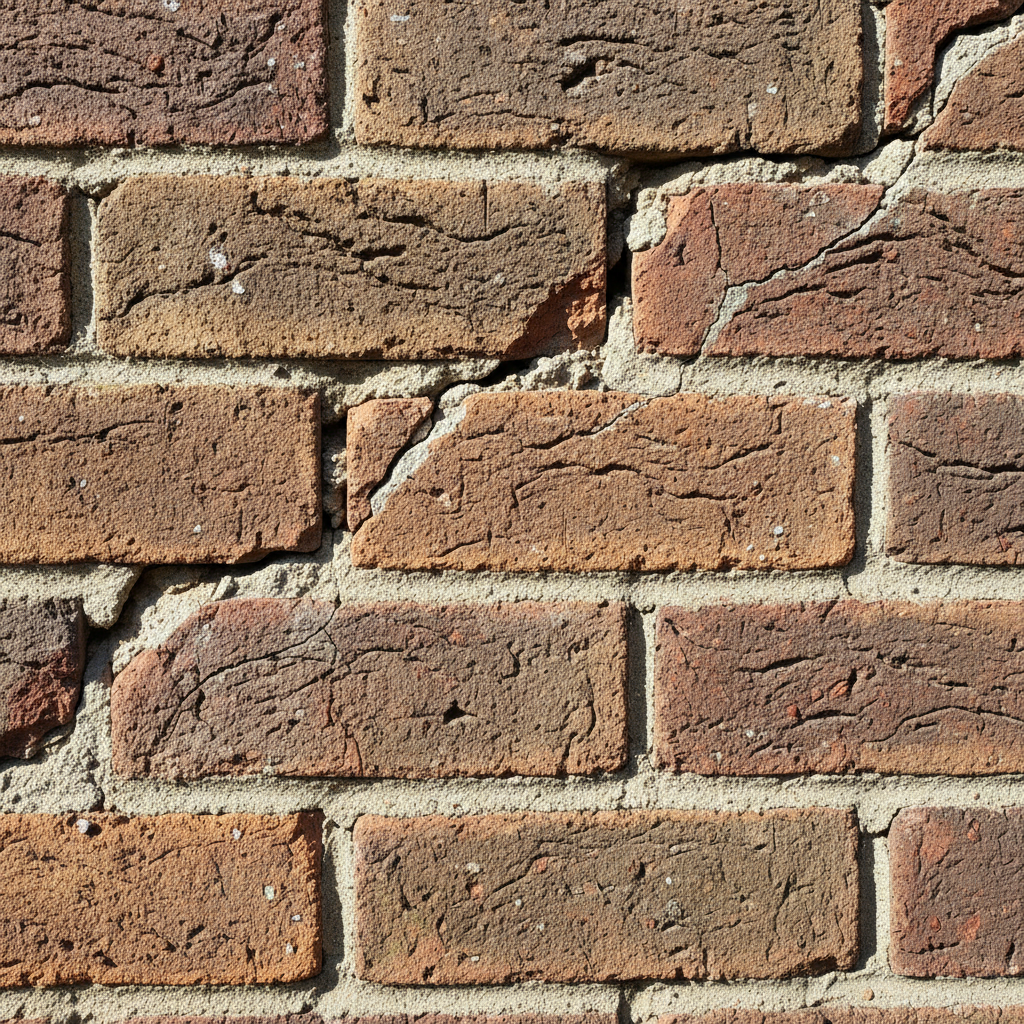
Stair-step cracks are perhaps the most common type of crack seen in brick masonry. As their name suggests, they follow the mortar joints in a diagonal, step-like pattern. These cracks often point towards localized settlement of the foundation directly beneath the cracked area. The direction and angle of the “stairs” can sometimes indicate the direction of the foundation’s movement. For example, if the cracks angle downwards from the window sill, it might suggest settlement beneath that section of the wall. Small stair-step cracks (less than 1/4 inch wide) can sometimes be repaired with repointing, but larger or actively widening ones warrant a professional structural assessment.
Vertical Cracks: Often Foundation-Related
Vertical cracks run straight up and down, often through the mortar joints but sometimes directly through the bricks. These can be caused by various factors, including differential settlement (where one part of the foundation settles more than another), stress concentrations, or even expansion and contraction of supporting elements like steel columns. A vertical crack that extends from the foundation all the way up the wall is a strong indicator of a significant foundation issue and should be inspected by a structural engineer.
Horizontal Cracks: Warning Signs of Structural Stress
Horizontal cracks typically run parallel to the ground. These are often the most concerning type of crack, as they can indicate significant structural problems. Common causes include bowing or bulging walls due to excessive lateral pressure (e.g., from saturated soil or a failing retaining wall), overloading of the wall, or frost heave. They can also occur if the wall is leaning or if lintels above windows or doors are failing. Any horizontal crack that is wider than a hairline should be evaluated by a professional immediately, as it could compromise the stability of the entire wall.
Diagonal Cracks: Combining Stress Factors
Diagonal cracks are those that run at an angle other than vertical or horizontal, without necessarily following the stair-step pattern of mortar joints. These can be particularly tricky to diagnose as they might result from a combination of forces, such as uneven settlement, lintel failure, or even impact damage. Like other non-hairline cracks, their presence signals a need for further investigation to determine the root cause and appropriate repair strategy.
The Root Causes: Why Are Cracks Forming on Exterior Brick Walls?
Understanding the “why” behind cracks forming on exterior brick walls is paramount to effective and lasting repair. Here are the primary culprits:
Foundation Settlement and Movement
This is arguably the most common cause of significant brick cracks. Foundations can settle for various reasons, including:
- Poor Soil Compaction: If the soil beneath the foundation wasn’t properly compacted before construction, it can settle over time.
- Expansive Clay Soils: Soils with high clay content expand when wet and shrink when dry, leading to soil movement that stresses the foundation.
- Poor Drainage: Water pooling near the foundation can saturate the soil, leading to erosion or expansion/contraction cycles.
- Tree Roots: Large tree roots can grow under foundations, absorbing moisture and causing soil shrinkage, or physically displacing foundation elements.
- Consolidation of Fill Material: If the house was built on poorly compacted fill, it can settle over time.
Differential settlement – where one part of the foundation settles more than another – is particularly damaging, leading to diagonal or stair-step cracks.
Thermal Expansion and Contraction
All building materials expand when heated and contract when cooled. Brick and mortar are no exception. Over time, these constant cycles can lead to stress, especially if adequate expansion joints are not incorporated into the masonry design. This typically results in hairline cracks, but repeated stress can exacerbate them.
Moisture Intrusion and Freeze-Thaw Cycles
Water is a formidable foe to brickwork. When water infiltrates small cracks or porous mortar joints and then freezes, it expands with tremendous force (up to 9% by volume), widening the cracks. This freeze-thaw cycle can progressively damage bricks and mortar, leading to spalling (flaking surface) and larger cracks. Poor flashing, gutters, or downspouts can direct water directly onto brick walls, accelerating this process.
Poor Masonry Workmanship
Substandard construction practices can manifest as cracks down the line. This includes:
- Improper Mortar Mix: Using a mortar that is too strong or too weak for the bricks can lead to cracking.
- Inadequate Bond: If bricks are not properly bonded to each other or to the structural frame, they can shift.
- Lack of Expansion Joints: As mentioned, proper expansion joints are crucial for accommodating thermal movement.
- Insufficient Wall Ties: Wall ties connect the brick veneer to the structural framing, preventing bowing or bulging.
Lintel Failure
Lintels are structural elements (often steel or concrete) above windows and doors that support the weight of the bricks above the opening. If a lintel rusts, deflects, or fails, the bricks above it lose support, leading to cracks that typically originate from the corners of the opening and radiate outwards, often in a diagonal or stair-step pattern.
Tree Roots and Soil Expansion
Trees planted too close to a house can cause significant foundation problems. Their roots can either dry out the soil beneath the foundation, causing it to shrink and settle, or physically exert pressure against the foundation, leading to uplift or shifting. Both scenarios can result in severe cracks in the exterior brick walls.
Impact Damage or External Forces
Less common but still possible, cracks can result from direct impact, such as a vehicle hitting the wall, or from external forces like seismic activity or nearby construction vibrations. While often localized, these can sometimes cause wider, more irregular crack patterns.
When Should You Worry? Assessing the Severity of Brick Cracks
It’s natural to feel concerned when you see cracks forming on exterior brick walls. However, not every crack is an emergency. Knowing how to assess the severity can help you decide whether to monitor, repair, or seek professional help.
Crack Size and Width
- Hairline (less than 1/16 inch): Often cosmetic or due to minor, normal settlement/thermal movement. Monitor these.
- Small (1/16 to 1/4 inch): Can be indicative of ongoing minor settlement or localized issues. Repairs might be needed to prevent water intrusion. Professional assessment recommended if growing.
- Large (greater than 1/4 inch): These are almost always a cause for concern and strongly suggest structural movement or significant issues. A structural engineer or foundation specialist should be called immediately.
A good rule of thumb is that if a credit card can fit into the crack, it warrants professional attention.
Crack Pattern and Location
- Stair-step cracks: Often indicate foundation settlement.
- Vertical cracks: Can point to differential settlement or stress.
- Horizontal cracks: Generally the most serious, suggesting bowing, leaning, or significant structural stress.
- Cracks radiating from windows/doors: Often linked to lintel failure or localized stress points.
- Cracks extending from foundation to roofline: A very strong indicator of significant foundation movement.
Accompanying Signs of Distress
Cracks rarely appear in isolation when a major problem is brewing. Look for these concurrent signs:
- Doors and windows sticking or becoming difficult to open/close.
- Uneven or sloping floors inside the house.
- Cracks in interior drywall or plaster, especially above doors and windows.
- Separation of the chimney from the house.
- Visible bowing, bulging, or leaning of exterior walls.
- Water pooling near the foundation or in the basement/crawl space.
- Separation of exterior trim or siding.
The more of these signs you observe alongside the cracks, the more urgent the need for professional evaluation.
Monitoring Cracks Over Time
For smaller cracks, monitoring them is key. You can use a crack gauge (a small plastic or metal ruler designed for this purpose) or simply mark the ends of the crack with a pencil and note the date. Take photos periodically. If the cracks are visibly widening or lengthening over a few weeks or months, it’s a sign that the underlying issue is active and requires professional intervention.
The DIYer’s First Steps: Initial Inspection and Documentation
Before calling a professional, a thorough DIY inspection can provide valuable information. Grab a camera, a measuring tape, and a notebook, then follow these steps:
- Walk Around Your Home: Systematically inspect all exterior brick walls, paying close attention to corners, areas around windows and doors, and the base of the foundation.
- Document Everything:
- Take clear, well-lit photos of every crack. Include close-ups and wider shots that show the crack in context with the entire wall.
- Note the location of each crack (e.g., “south wall, below living room window”).
- Measure the length and width of each crack.
- Describe the crack pattern (hairline, stair-step, vertical, horizontal, diagonal).
- Note any other accompanying signs, such as sticking doors, sloped floors, or interior cracks.
- Record the date of your inspection.
- Check Your Foundation and Drainage:
- Inspect the foundation perimeter for signs of erosion, standing water, or exposed tree roots.
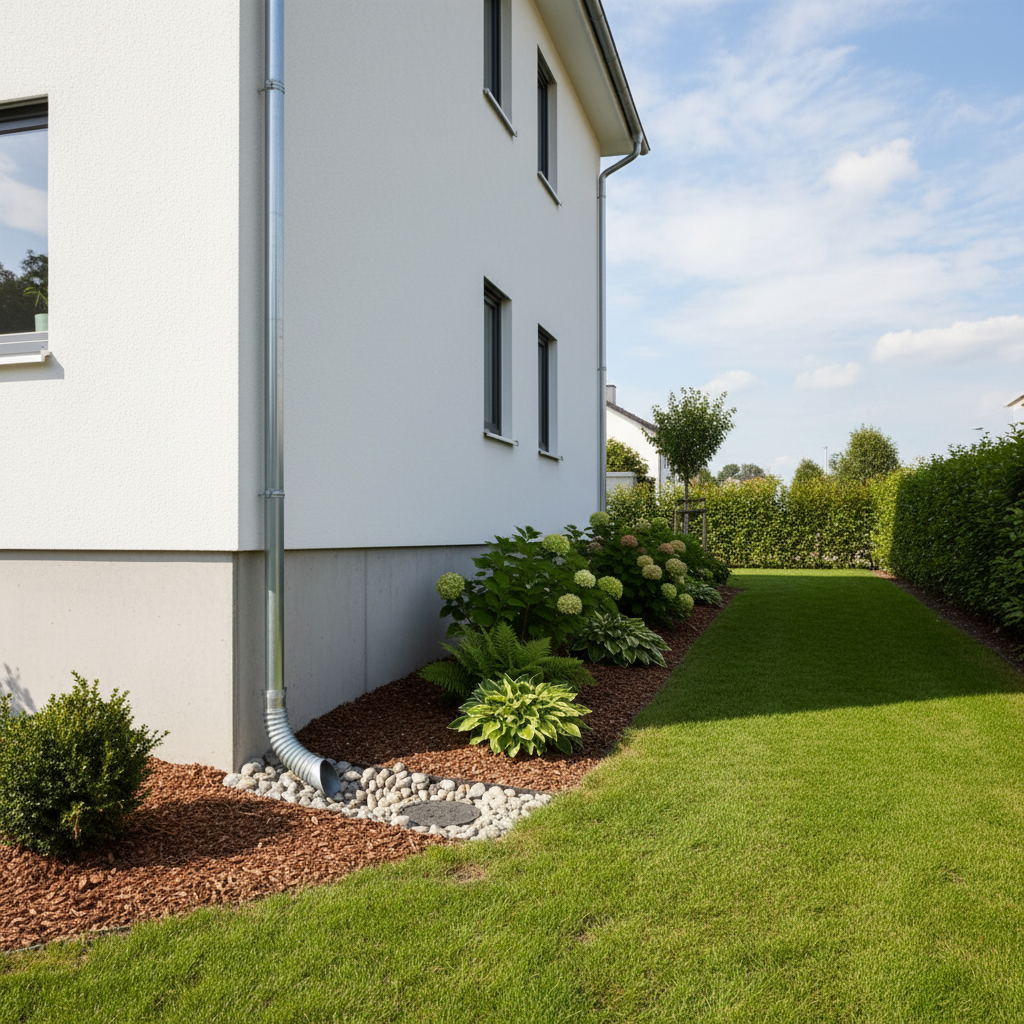
- Ensure gutters and downspouts are clear and directing water at least 5-10 feet away from the foundation.
- Verify that the ground slopes away from your house, not towards it.
- Review Your Home’s History: Did you recently have heavy rain, a drought, or nearby construction? Any changes to landscaping or large tree removals? These can all contribute to ground movement.
Professional Help: When to Call an Expert
For any cracks wider than a hairline, or if you observe any of the concerning accompanying signs, it’s always best to consult with a qualified professional. They possess the expertise and tools to accurately diagnose the problem and recommend the most effective, long-term solution.
Structural Engineers
A structural engineer is typically the first professional you should call for significant cracks. They specialize in evaluating the structural integrity of buildings, identifying the root cause of cracks, and providing detailed reports and repair recommendations. They are unbiased and do not perform the repairs themselves, ensuring their advice is solely focused on the structural health of your home.
Foundation Repair Specialists
If a structural engineer identifies a foundation issue as the cause of the cracks, you’ll then consult a foundation repair specialist. These companies specialize in methods like underpinning, piering, or slabjacking to stabilize and repair compromised foundations. They will provide a quote based on the engineer’s recommendations.
Masonry Contractors
For purely cosmetic or minor structural repairs to the brickwork itself (after the underlying cause has been addressed), a reputable masonry contractor can perform tasks like repointing, brick replacement, or crack stitching. They ensure the aesthetic and weatherproofing integrity of your brick façade. Maintaining your home’s exterior, including prompt attention to masonry, can prevent minor issues from becoming major ones. Learn more about general home exterior care from resources like Better Homes & Gardens.
Effective Solutions and Repair Strategies for Brick Wall Cracks
Once the cause of the cracks has been identified and addressed, the physical repair of the brickwork can begin. The chosen solution will depend entirely on the type and severity of the crack and its underlying cause.
Repointing and Tuckpointing
This is the most common repair for cracks in mortar joints, especially hairline and small stair-step cracks that are no longer active. Repointing involves removing deteriorated or cracked mortar from the joints and replacing it with fresh, new mortar. Tuckpointing is a similar technique that also involves adding a thin, contrasting line of mortar for aesthetic purposes. This process restores the structural integrity of the joint, improves weather resistance, and enhances the appearance of the wall.
Brick Replacement
If individual bricks are severely cracked, spalled, or damaged beyond repair, they will need to be carefully removed and replaced with matching new bricks. This often accompanies repointing of the surrounding mortar joints.
Crack Stitching and Helical Bar Reinforcement
For wider cracks, especially those that have undergone movement, crack stitching can provide additional reinforcement. This involves inserting stainless steel helical bars into slots cut into the mortar joints across the crack, then bonding them in place with specialized grout. These bars tie the masonry together, distributing the load and preventing further crack propagation. This is a common solution for actively widening stair-step or diagonal cracks.
Foundation Underpinning
If severe foundation settlement is the root cause, underpinning may be necessary. This involves extending the foundation deeper into the ground to more stable soil or rock strata. Common methods include installing piers, piles, or micro-piles beneath the existing foundation. This is a significant structural repair and should only be undertaken by specialized foundation repair companies.
Drainage Improvement
For issues related to soil expansion/contraction or erosion due to poor drainage, solutions can include:
- Regrading: Ensuring the ground slopes away from the foundation.
- Installing French Drains: Subsurface drainage systems to divert water away.
- Extending Downspouts: Directing rainwater further away from the foundation.
- Repairing Gutters: Ensuring they are clean and free-flowing.
Lintel Repair or Replacement
If a failing lintel is causing cracks above windows or doors, it will need to be repaired or replaced. This often involves temporarily shoring up the bricks above, removing the old lintel, installing a new, adequately sized and corrosion-protected lintel, and then repairing the surrounding brickwork.
Proactive Measures: Preventing Future Cracks
The best way to deal with cracks forming on exterior brick walls is to prevent them from occurring in the first place. Here are key proactive measures:
Maintain Good Drainage
Ensure that water always drains away from your home’s foundation. This means:
- Checking that gutters and downspouts are clean, functional, and extend at least 5-10 feet away from the house.
- Verifying that the landscape around your foundation slopes away from the house by at least 6 inches over the first 10 feet.
- Avoiding planting large shrubs or trees too close to the foundation, as their watering can contribute to soil issues.
Monitor Tree Proximity
Large trees with extensive root systems should ideally be planted a safe distance from your home (at least 1.5 times their mature height). If you have large trees too close, consider consulting an arborist to manage their root growth or, in extreme cases, safely remove them.
Regular Gutter Maintenance
Clogged gutters can cause water to overflow and pool directly against your foundation, leading to erosion and saturation. Clean your gutters at least twice a year, more often if you have many trees nearby.
Address Leaks Promptly
Any leaks from outdoor faucets, irrigation systems, or pipes close to the foundation should be repaired immediately to prevent soil saturation.
Proper Foundation Maintenance
For homes on slab foundations, ensuring proper moisture levels in the soil can be important. In very dry climates, a soaker hose system around the perimeter can help maintain consistent soil moisture, preventing excessive shrinkage. However, this must be done carefully to avoid over-saturation.
FAQs About Exterior Brick Wall Cracks
How much does it cost to fix cracks in brick?
The cost to fix cracks in brick walls varies widely depending on the type, severity, and underlying cause. Minor repointing for hairline cracks might cost a few hundred to a couple of thousand dollars. More extensive repairs involving crack stitching or brick replacement could range from $2,000 to $10,000+. If the issue is foundation-related, costs can skyrocket, often ranging from $10,000 to $50,000 or more, depending on the method of underpinning and the extent of the damage. Getting multiple quotes from qualified professionals is always recommended.
Can small brick cracks be ignored?
Hairline cracks, especially those less than 1/16th of an inch, can often be monitored. However, even small cracks should not be entirely ignored, as they can allow water intrusion, leading to freeze-thaw damage or other moisture-related problems over time. If a small crack grows in size, even slightly, it should be investigated. Any crack wider than 1/16th of an inch, especially stair-step, vertical, or horizontal cracks, should be assessed by a professional.
Is it normal for old brick houses to have cracks?
It is relatively common for older brick houses to have some hairline or minor stair-step cracks due to decades of normal settling and thermal expansion/contraction. Many older homes have “settled” into their final position. However, new cracks, widening existing cracks, or any large cracks in an old house should still be taken seriously. Even old houses can develop new structural problems due to changing environmental conditions, nearby construction, or neglected maintenance.
What’s the difference between repointing and tuckpointing?
Both repointing and tuckpointing involve removing old mortar and replacing it with new mortar. Repointing is the general term for this process, focused on restoring the integrity and weather resistance of the mortar joints. Tuckpointing is a specific aesthetic technique used after repointing, where a thin, contrasting line of mortar (a “tuck”) is applied over the flush-finished mortar joint to create the illusion of very fine, precise mortar lines. Essentially, tuckpointing is a decorative form of repointing.
Can I fix brick cracks myself?
For very minor hairline cracks in mortar joints, a handy homeowner might be able to perform simple repointing with the right tools and knowledge. However, if the cracks are wider, growing, or extend into the bricks themselves, or if there are any accompanying signs of structural issues, it is strongly advised to call a professional. Improper DIY repairs can mask a serious problem, lead to further damage, or even compromise the structural integrity of your home. Professional diagnosis and repair ensure the problem is addressed correctly and safely.
Conclusion
Cracks forming on exterior brick walls can range from minor cosmetic blemishes to severe indicators of structural distress. By understanding the types of cracks, their potential causes, and when to seek expert help, homeowners can approach these issues with confidence. Prompt and accurate diagnosis, followed by appropriate repair and proactive prevention, are key to maintaining the beauty, safety, and long-term value of your brick home. Remember, when in doubt, a professional assessment is always the wisest investment to ensure peace of mind and the structural integrity of your most important asset.