Why is Your Porch Roof Sagging? Unpacking the Causes
A sagging porch roof is rarely a random occurrence. It’s usually the result of one or several contributing factors, slowly compromising the structural integrity over time. Identifying the root cause is the first step toward an effective repair.
Water Damage: The Silent Destroyer
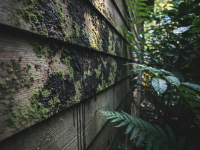
Water is arguably the most common culprit behind structural issues in homes. Persistent moisture can wreak havoc on wooden components, leading to rot and weakening. This can stem from:
- Leaky Roof: Missing shingles, cracked flashing, or old roofing materials can allow water to penetrate the porch roof’s layers, soaking the underlying joists and beams.
- Clogged Gutters: When gutters are full of leaves and debris, rainwater overflows, often cascading directly onto the porch structure or pooling around its foundation.
- Poor Drainage: If water doesn’t drain properly away from the porch, it can seep into the base of columns or the porch slab, leading to foundation issues that indirectly affect the roof.
Structural Overload: Too Much Weight
Porch roofs are designed to bear a certain amount of weight. However, exceeding this limit can lead to sagging. Common causes of overload include:
- Heavy Snowfall: In regions with significant winter snow, accumulation can place immense stress on a porch roof not designed for such loads.
- Improper Modifications: Adding heavy materials during a renovation, like new roofing tiles or a large ceiling fan, without ensuring adequate support can cause issues.
- Debris Accumulation: Neglecting to clear leaves, branches, or other debris can add significant, continuous weight.
Foundation Issues: Problems from the Ground Up
The structural integrity of a porch roof is intrinsically linked to its foundation. Problems below can manifest above:
- Settling Footings: If the porch’s support columns or walls are built on shallow or poorly compacted footings, they can settle unevenly, causing the entire porch structure, including the roof, to shift and sag.
- Erosion: Water erosion around the foundation can wash away soil, leading to a loss of support for the porch’s posts.
Material Degradation: The Effects of Time and Elements
Even well-built structures suffer from wear and tear over decades.
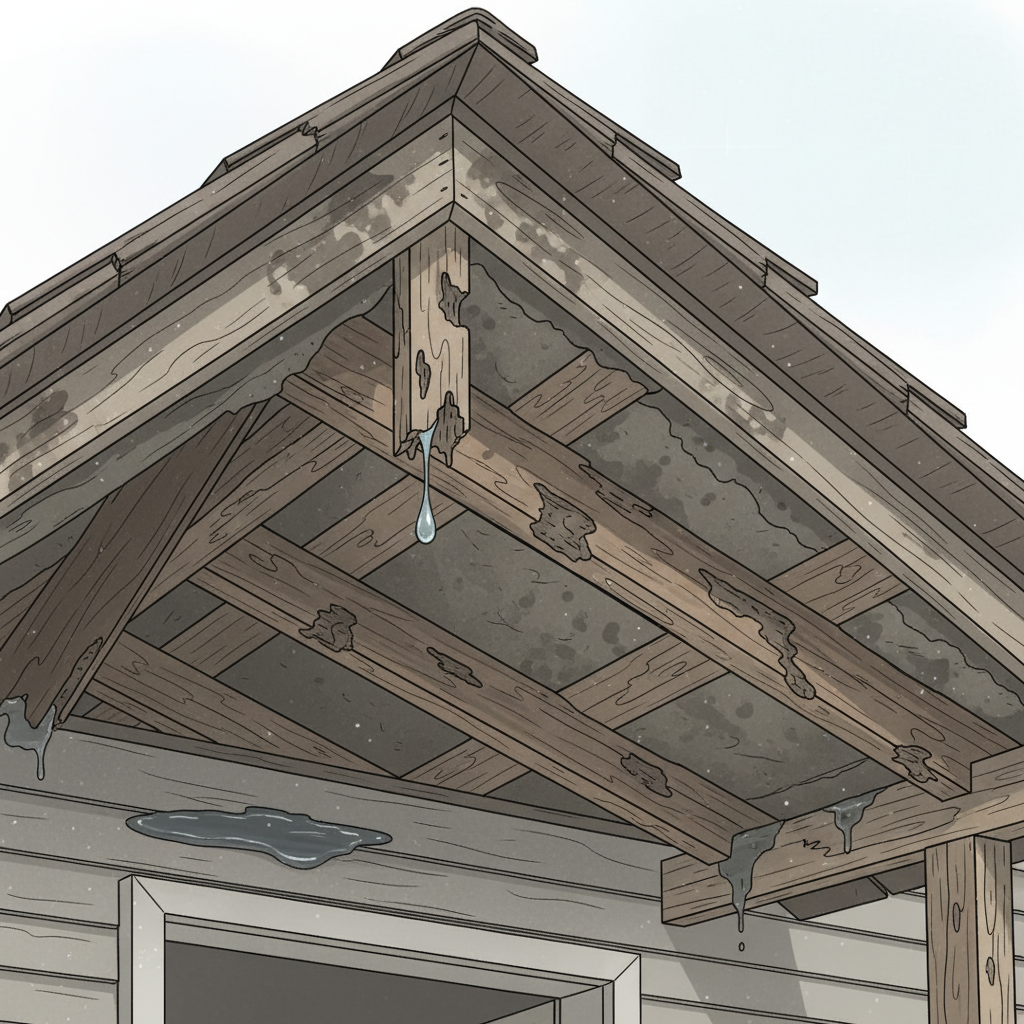
- Aging Materials: Over time, wood can dry out, become brittle, or lose its strength. Metal fasteners can corrode, and other building materials can simply degrade.
- UV Exposure: Constant exposure to sunlight can weaken certain materials, particularly those not adequately protected.
Poor Original Construction: A Hidden Flaw
Sometimes, the problem lies with how the porch was built in the first place.
- Undersized Framing: If the original builders used joists, rafters, or beams that were too small or spaced too far apart for the span and expected load, sagging is almost inevitable.
- Inadequate Fasteners: Using insufficient or incorrect fasteners can lead to connections weakening over time.
- Lack of Proper Bracing: Without adequate diagonal bracing or supports, a porch roof can become unstable and prone to deformation.
Pest Infestation: Unseen Damage
Termites, carpenter ants, and other wood-boring insects can silently hollow out wooden structural elements, leaving behind a fragile shell that eventually collapses under its own weight or external loads. These infestations often go unnoticed until significant damage has occurred.
Age and General Wear
No structure lasts forever without maintenance. Years of exposure to fluctuating temperatures, humidity, wind, and the natural process of material fatigue can cause even robust porch roofs to show signs of age and sag.
Visible Signs of a Sagging Porch Roof: What to Look For
Early detection is key to preventing more extensive and costly repairs. Regularly inspect your porch for these tell-tale signs:
Obvious Visual Dip or Curve
The most unmistakable sign is a noticeable dip or curve in the roofline that wasn’t there before. Stand back and view your porch roof from different angles to get a clear perspective. Use a level or a string line stretched across the span to confirm any deviation.
Cracks in Ceilings or Walls
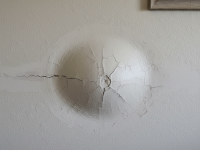
If your porch has a finished ceiling or is attached to your home, look for cracks in the plaster, drywall, or paint, particularly around the perimeter where the porch structure meets the house. These can indicate shifting and stress.
Misaligned Doors or Windows
Doors or windows near the porch that suddenly become difficult to open, close, or latch, or show uneven gaps, can be a symptom of structural movement in the porch, transferring stress to the main house.
Leaks or Water Stains
Any signs of water intrusion, such as water stains, peeling paint, discolored wood, or active drips on the porch ceiling or around the supports, suggest water damage which often precedes or accompanies sagging.
Unstable Posts or Columns
Check the vertical supports of your porch. Are they plumb? Do they show signs of bowing, cracking, or rot at the base or top? Wobbly or leaning posts indicate a loss of support for the roof above.
The Dangers of Ignoring a Sagging Porch Roof
A sagging porch roof is more than just an eyesore; it’s a potential hazard that should never be overlooked.
Safety Hazards
The most immediate concern is safety. A severely sagging porch roof could collapse without warning, posing a significant risk of injury or even fatality to anyone standing underneath. This is especially true during heavy rain, snow, or high winds, which can exacerbate existing weaknesses.
Further Structural Damage
Ignoring the sag allows the underlying problems to worsen. What starts as a minor issue can cascade into widespread damage affecting not only the porch but also the adjacent parts of your main house. This could involve foundation cracks, compromised wall structures, and extensive water damage, leading to much more complex and expensive repairs down the line.
Decreased Property Value
A visible structural defect like a sagging porch roof significantly detracts from your home’s curb appeal and market value. Prospective buyers will view it as a major red flag, potentially leading to lower offers or difficulty selling your property. Addressing the issue promptly protects your investment.
Assessing the Severity: DIY Inspection vs. Professional Evaluation
Once you’ve noticed signs of sagging, the next step is to assess the severity. This will help determine whether it’s a minor DIY fix or a job for professionals.
What You Can Check Yourself
- Visual Inspection: As mentioned, look for obvious dips, cracks, or water stains.
- Plumb and Level Check: Use a long level or a plumb bob to check if posts are truly vertical and if roof beams are level.
- Sounding for Rot: Gently tap wooden components with a hammer. Solid wood will produce a firm sound, while rotted wood will sound dull or hollow.
- Pest Signs: Look for sawdust-like material (frass), mud tubes (termites), or small holes in the wood.
When to Call a Professional
While a basic inspection can be done by a homeowner, severe or complex issues almost always require professional expertise. You should contact a structural engineer, a reputable general contractor, or a specialized porch repair company if:
- The sag is significant (more than an inch or two over a short span).
- There are multiple signs of structural distress.
- You suspect foundation issues or widespread rot.
- You’re unsure about the cause or the best repair method.
- The repairs involve altering load-bearing structures.
A professional will have the tools and experience to accurately diagnose the problem, assess the extent of the damage, and recommend the safest and most effective repair strategy.
Repairing a Sagging Porch Roof: Options and Solutions
The repair method for a sagging porch roof depends entirely on the underlying cause and the extent of the damage. Here are common approaches:
Temporary Support Measures
If the sag is significant or the roof appears unstable, the immediate priority is to install temporary supports. This typically involves using adjustable screw jacks and sturdy lumber to relieve pressure on the compromised areas and prevent further sagging or collapse while permanent repairs are planned and executed.
Addressing Water Damage
If water damage is the root cause, it must be resolved first. This could involve:
- Roof Repair or Replacement: Fixing leaks in the porch roof, replacing damaged shingles, or installing new flashing.
- Gutter Cleaning and Repair: Clearing clogged gutters and ensuring they are properly sloped and free of leaks.
- Improved Drainage: Regrading the landscape around the porch or installing French drains to direct water away from the foundation.
Reinforcing or Replacing Structural Components
Once water issues are resolved, the damaged structural elements need attention.
- Sistering Joists/Rafters: For moderately weakened but still sound joists or rafters, new lumber can be “sistering” (attached alongside) the old pieces to reinforce them.
- Replacing Damaged Lumber: Heavily rotted or fractured beams, joists, or rafters must be carefully removed and replaced with new, properly sized lumber. This often requires temporary supports to hold the roof during the replacement process.
- Adding New Supports: Sometimes, the original design simply lacked adequate support. Installing additional posts, columns, or a new header beam can redistribute the load and prevent future sagging.
Foundation Repair
If the porch’s foundation or footings are settling, this is a critical repair. It might involve:
- Underpinning: Extending the foundation deeper into the soil to reach more stable ground.
- Slab Jacking (Mudjacking): Pumping a specialized grout mixture under a sinking concrete slab to lift and level it.
- Repairing or Replacing Footings: Excavating and rebuilding compromised footings for support columns.
Pest Extermination and Repair
If pests like termites or carpenter ants are discovered, professional extermination is necessary. Once the pests are eliminated, any damaged wood must be removed and replaced to restore structural integrity.
Full Roof Replacement
In cases of extensive damage, widespread rot, or severe structural compromise, a complete porch roof replacement might be the most cost-effective and safest long-term solution. This ensures all components are new, properly sized, and built to current codes.
DIY vs. Professional Help: Making the Right Choice
Deciding whether to tackle a sagging porch roof as a DIY project or hire a professional is a critical decision that balances cost savings with safety and effectiveness.
When DIY is Feasible
Minor sagging caused by easily identifiable and non-structural issues might be within the scope of a handy homeowner:
- Localized Water Damage: Fixing a small leak or cleaning gutters.
- Cosmetic Repairs: Repainting or addressing minor surface cracks.
- Simple Reinforcement: Adding a small, non-load-bearing support beam in a clearly defined, non-critical area, under careful guidance.
However, even for these, a solid understanding of basic carpentry, safety procedures, and local building codes is essential. Always err on the side of caution.
The Invaluable Expertise of a Professional
For most sagging porch roof scenarios, especially those involving structural components, significant damage, or unclear causes, professional help is highly recommended. Here’s why:
- Structural Expertise: Professionals (especially structural engineers or experienced contractors) can accurately diagnose the root cause, even if it’s hidden, and design a safe, long-lasting solution.
- Safety: Working on roofs and dealing with compromised structures carries inherent risks. Professionals have the right equipment, training, and insurance to perform the work safely.
- Proper Techniques and Materials: They know which materials to use, how to properly size and install them, and how to adhere to local building codes, preventing future issues.
- Efficiency: Professionals can complete the job more quickly and efficiently, minimizing disruption to your home.
- Warranty: Reputable contractors typically offer warranties on their work, providing peace of mind.
When seeking a professional, always get multiple quotes, check references, and ensure they are licensed and insured. Discuss the scope of work, timeline, and payment schedule in detail.
Preventing Porch Roof Sagging: Long-Term Maintenance Tips
Prevention is always better—and often cheaper—than cure. Regular maintenance can significantly extend the life of your porch roof and prevent costly structural issues. For more general advice on maintaining your property, consider looking into comprehensive resources such as Good Housekeeping’s ultimate home maintenance checklist, which offers valuable insights for homeowners.
Regular Inspections
Make it a habit to visually inspect your porch roof and its supports at least twice a year, ideally in spring and fall. Look for any new cracks, dips, water stains, or signs of pest activity.
Gutter Maintenance
Clean your gutters regularly (at least twice a year, more if you have many trees) to ensure water drains freely and doesn’t back up onto your porch roof or foundation.
Proper Drainage
Ensure that the landscaping around your porch slopes away from the foundation, preventing water from pooling and seeping into the ground near supports.
Prompt Leak Repair
Address any roof leaks immediately, no matter how small. A minor leak can quickly become a major structural problem.
Pest Control
Be vigilant for signs of termites, carpenter ants, or other wood-boring insects. If you suspect an infestation, call a professional exterminator immediately. Regular pest inspections can also be beneficial.
Use of Appropriate Materials
If you’re building a new porch or making significant repairs, ensure that the materials used are suitable for your local climate and designed to withstand expected loads (e.g., heavy snow). Always follow local building codes and standards.
Frequently Asked Questions About Sagging Porch Roofs
How much does it cost to fix a sagging porch roof?
The cost varies widely depending on the cause, the extent of the damage, and whether you hire a professional. Minor repairs (e.g., gutter cleaning, small leak fixes) might be a few hundred dollars. More extensive structural repairs involving replacing beams, foundation work, or a partial roof replacement can range from $2,000 to $10,000 or more, especially if a structural engineer is required. Always get detailed quotes.
Can I fix a sagging porch roof myself?
Minor issues, such as cleaning gutters, sealing small leaks, or reinforcing non-load-bearing elements, might be suitable for a skilled DIYer. However, if the sag is significant, involves structural components, or if you’re unsure of the cause, it’s highly recommended to consult a structural engineer or a qualified contractor. Attempting complex structural repairs without proper expertise can be dangerous and lead to further damage.
Is a sagging porch roof a structural issue?
Yes, almost always. A sagging porch roof is a clear indication that the structural integrity of the roof or its supporting components (beams, joists, posts, or even the foundation) has been compromised. It’s a serious issue that demands prompt investigation and repair to ensure safety and prevent further damage to your home.
How long does a porch roof typically last?
The lifespan of a porch roof depends on the materials used, quality of construction, climate, and maintenance. A well-built and well-maintained porch roof with durable materials might last 20-50 years or even longer. However, elements like asphalt shingles might need replacement every 15-30 years, while the underlying structure could last much longer if protected from water and pests.
What if my porch roof is only slightly sagging?
Even a slight sag should be investigated immediately. While it might seem minor, it could be an early sign of a developing problem, such as hidden water damage, pest infestation, or inadequate support. Addressing it early can prevent it from worsening into a major structural hazard and save you significant repair costs down the line.
Conclusion: Protect Your Porch, Protect Your Home
A sagging porch roof is a serious concern that demands your immediate attention. By understanding the common causes, knowing what signs to look for, and taking proactive steps for maintenance, you can ensure the safety, longevity, and beauty of your porch. Whether you opt for a DIY approach to minor issues or call in the professionals for more complex repairs, timely action is paramount. Don’t let a drooping porch roof compromise your home’s structure or curb appeal; take action today to restore its integrity and enjoy your outdoor space with peace of mind.