What Exactly Are Roof Deck Soft Spots?
At its core, a roof deck is the structural layer, typically made of plywood or OSB (oriented strand board), that spans the rafters or trusses of your roof. It serves as the base for shingles, tiles, or other roofing materials, providing stability and a surface to nail them onto. A “soft spot” refers to an area within this deck that has lost its rigidity and structural integrity, feeling spongy, weak, or even visibly sagging when pressure is applied. Instead of a firm, consistent surface, a soft spot yields underfoot or to probing, indicating that the wood material underneath is compromised.
These compromised areas are often pockets of deteriorated wood. While they might feel minor at first, they are a clear indication of underlying issues that are actively weakening the roof’s ability to bear weight and protect your home. The size and severity of soft spots can vary greatly, from small, isolated patches to large sections of the roof deck that feel uniformly weak. Identifying and understanding the nature of these soft spots is the first crucial step toward effective resolution.
The Underlying Causes: Why Do Roof Deck Soft Spots Appear?
Roof deck soft spots rarely appear without a root cause. They are symptoms of deeper problems, primarily related to moisture, material degradation, or structural stress. Identifying the specific cause is essential for implementing a lasting repair and preventing recurrence.
Water Infiltration
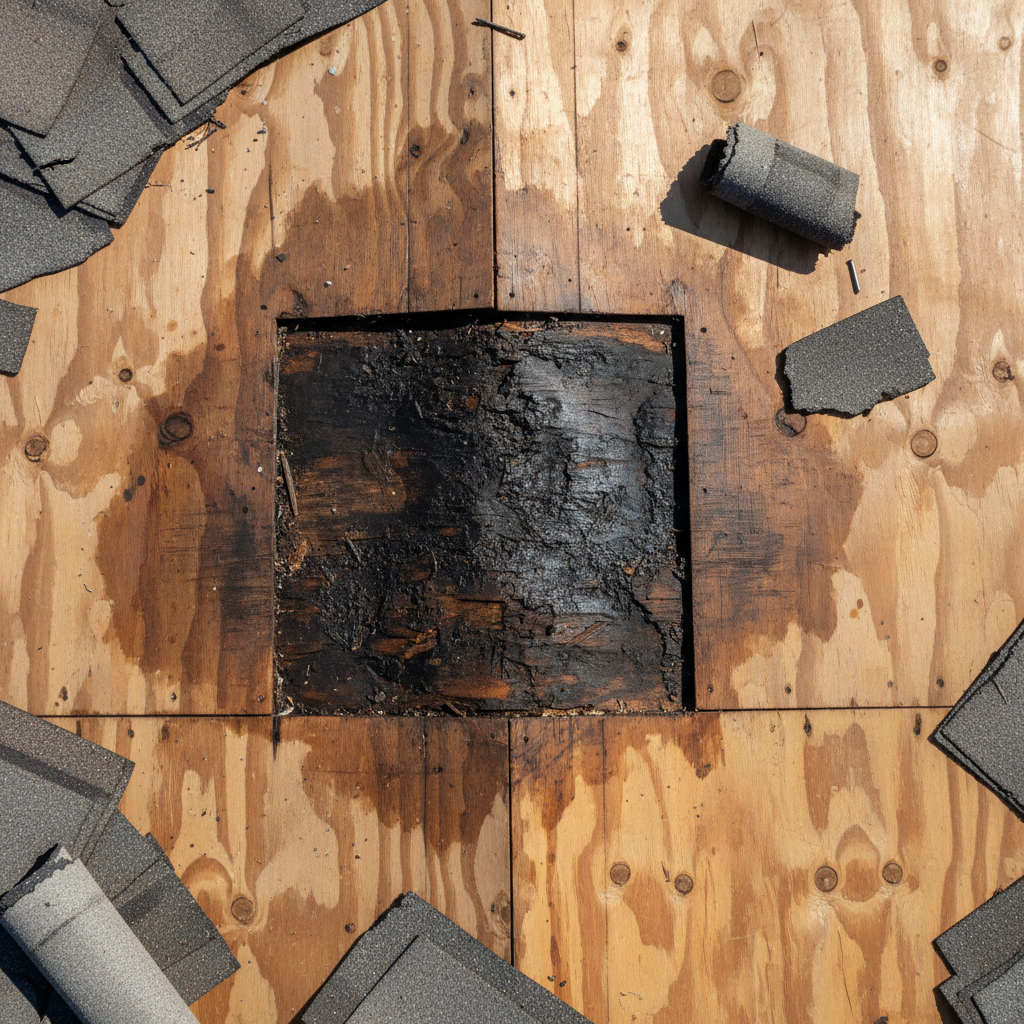
This is by far the most common culprit behind soft spots. Prolonged exposure to moisture, whether from leaks or condensation, is detrimental to wood products. Wood absorbs water, causing it to swell and, over time, leading to rot and fungal growth. Common sources of water infiltration include:
- Leaking Roof: Cracked or missing shingles, damaged flashing around chimneys, skylights, or vents, and compromised valleys can all allow water to seep through the roofing membrane and into the deck.
- Poor Drainage: Clogged gutters, improperly sloped roofs, or ice dams can cause water to pool on the roof surface, eventually finding its way into the deck material.
- Condensation: Inadequate attic ventilation can lead to warm, moist air rising from the living space and condensing on the underside of the cold roof deck, causing slow, insidious water damage.
Material Degradation
Even without direct water exposure, the materials comprising your roof deck can degrade over time.
- Age: All building materials have a lifespan. As a roof deck ages, especially if it’s nearing or past its expected longevity (typically 20-30 years for plywood/OSB), the wood fibers can naturally weaken and lose integrity.
- Poor Quality Materials: In some cases, roofs are constructed using lower-grade plywood or OSB that is not designed to withstand the typical stresses and environmental conditions, making it more prone to early degradation.
- UV Exposure: While the deck is usually protected, if the roofing material has been missing for an extended period, direct UV exposure can accelerate the breakdown of wood fibers.
Pest Infestation
Certain pests are notorious for causing significant damage to wood structures, including roof decks.
- Termites: These wood-destroying insects can tunnel through plywood or OSB, hollowing out the material and leaving it brittle and weak.
- Carpenter Ants: Unlike termites, carpenter ants don’t eat wood, but they excavate tunnels to create nests, also compromising the structural integrity of the deck.
- Wood-Boring Beetles: The larvae of these beetles bore into wood, creating tunnels and weakening the material.
Structural Stress
Sometimes, soft spots are not primarily due to material failure but rather inadequate structural support or excessive load.
- Improper Installation: If the roof deck was not installed correctly, with insufficient fasteners or improper spacing of supporting rafters, it could sag or develop weak spots over time.
- Heavy Loads: While roofs are designed to bear weight (snow, wind), unusually heavy loads or concentrated weight in one area (e.g., HVAC units, excessive snow accumulation) can stress the deck beyond its capacity.
- Seismic Activity or Building Movement: While less common for isolated soft spots, significant building shifts can put stress on roof decking, leading to cracks or weakness.
Poor Ventilation
As mentioned with condensation, poor attic ventilation creates a cycle of moisture and temperature extremes that can significantly shorten the life of your roof deck. Without proper airflow, heat and humidity can build up, accelerating material degradation and fostering conditions ripe for mold, mildew, and rot.
Detecting the Danger: How to Identify Soft Spots in Your Roof Deck
Early detection of roof deck soft spots is critical for preventing widespread damage and costly repairs. Homeowners should conduct regular inspections, especially after severe weather events or if they notice any concerning signs.
Visual Cues from Inside the Home
Start your inspection from the attic or the uppermost level of your home:
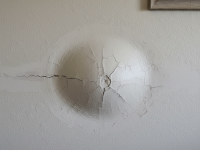
- Sagging Ceilings: A visible sag or dip in your ceiling directly below a roof area can indicate a soft spot in the deck above.
- Water Stains or Discoloration: Brownish or yellowish stains on your ceiling or walls are classic signs of a leak. Track these stains to their origin point to locate the compromised roof deck area.
- Mold or Mildew Growth: Any sign of mold or mildew, especially in the attic or upper corners of rooms, points to excessive moisture, which often leads to soft spots.
- Peeling Paint or Wallpaper: Moisture infiltration can cause interior finishes to peel or bubble, another indicator of a water problem originating from above.
- Musty Odors: A persistent musty or damp smell, particularly in the attic, can signal hidden moisture and potential rot in the roof deck.
Visual Cues from the Exterior of the Home
If it is safe to do so, carefully inspect the exterior of your roof from the ground or using a sturdy ladder.
- Visible Sagging or Dips: Look for any noticeable depressions or unevenness on the roof surface. These often correspond to soft spots below.
- Missing or Damaged Shingles: Areas with missing, cracked, curled, or blistering shingles are vulnerable to water infiltration and should be investigated closely.
- Compromised Flashing: Inspect the flashing around chimneys, vents, skylights, and valleys for cracks, gaps, or signs of detachment.
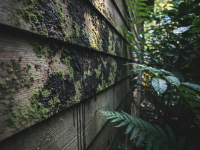
- Moss or Algae Growth: While not a direct sign of a soft spot, excessive moss or algae can trap moisture, accelerating deck deterioration.
- Debris in Gutters: Shingle granules in gutters might indicate an aging roof, making it more susceptible to damage.
Physical Inspection (with Caution!)
For those comfortable and safe accessing their roof, a physical inspection can confirm suspected soft spots. This should only be attempted on dry, stable roofs and with appropriate safety gear.
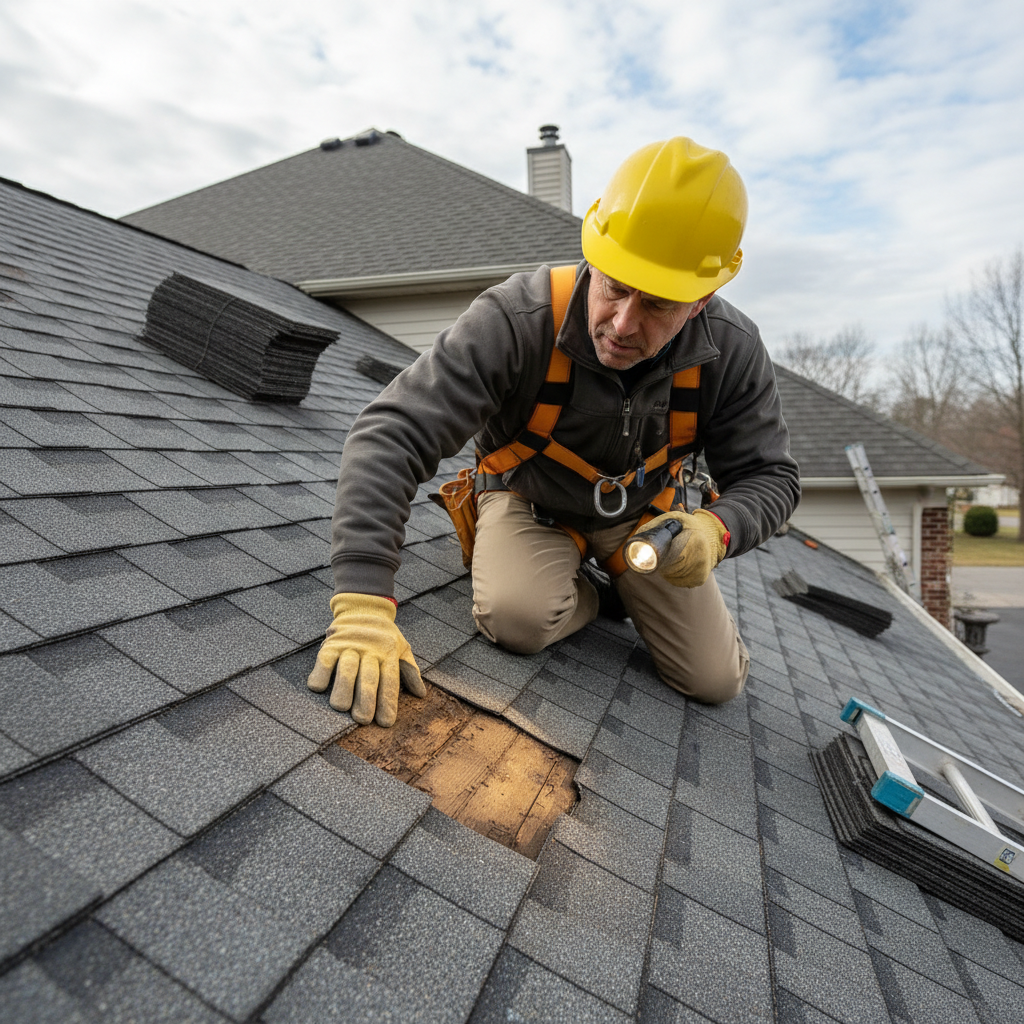
- Walking the Roof: Carefully walk across different sections of your roof. Pay attention to any areas that feel spongy, bouncy, or that visibly give under your weight. The distinct difference in feel between a firm section and a soft spot will be noticeable.
- Probing with a Tool: For suspected areas, gently press or probe the roof surface with a blunt object (like the handle of a hammer). A healthy roof deck will feel solid, whereas a soft spot will easily depress or feel hollow.
- Attic Inspection: From inside the attic, you can directly inspect the underside of the roof deck. Look for discolored wood, signs of water penetration, mold, or actual deterioration of the plywood/OSB. Use a screwdriver to gently probe any suspicious areas; rotted wood will be easy to penetrate.
It’s important to remember that roof work can be dangerous. If you are not comfortable or lack the necessary safety equipment, it is always best to hire a professional roof inspector or contractor. For a detailed guide on how homeowners can identify roof damage, resources like Better Homes & Gardens offer valuable insights.
The Risks of Ignoring Soft Spots: More Than Just a Minor Nuisance
Ignoring roof deck soft spots is akin to ignoring a chronic illness; it will only worsen over time, leading to more severe and costly consequences. The risks extend beyond mere aesthetics, impacting your home’s structural integrity, interior health, and overall value.
Structural Compromise and Safety Hazards
The primary function of your roof deck is to provide a stable, load-bearing surface. Soft spots indicate a failure in this function. As the wood deteriorates, the roof’s ability to support its own weight, plus additional loads like snow, ice, or wind, is severely diminished. This can lead to:
- Roof Collapse: In extreme cases, a severely compromised roof deck can collapse, posing an immediate and life-threatening danger to anyone inside or near the structure.
- Sagging and Deformation: Even without a full collapse, weakened sections can sag significantly, creating an uneven roofline and putting stress on other structural components.
- Compromised Foundation: Long-term structural issues with the roof can indirectly affect the stability of walls and the home’s foundation due to uneven weight distribution and moisture issues.
Extensive Water Damage and Mold Growth
Soft spots are often direct pathways for water to enter your home. As water infiltrates the roof deck, it doesn’t stop there. It can seep into your attic, insulation, ceilings, walls, and even down to the lower floors. This leads to:
- Interior Damage: Stained ceilings, peeling paint, ruined drywall, damaged flooring, and compromised electrical systems are common consequences.
- Mold and Mildew: Constant moisture creates an ideal breeding ground for mold and mildew. Beyond being unsightly, mold can trigger allergies, respiratory issues, and other health problems for occupants, requiring costly remediation.
- Rot in Other Wood Components: Water can spread, causing rot in rafters, trusses, and even interior framing, exacerbating structural issues.
Diminished Home Value
A roof with visible soft spots or evidence of water damage is a major red flag for potential homebuyers. It signals significant deferred maintenance and expensive future repairs, making your home less attractive and often leading to lower offers or difficulty selling. A thorough home inspection will undoubtedly highlight these issues, placing you in a weaker negotiating position.
Increased Repair Costs
Addressing a small soft spot promptly is significantly less expensive than repairing widespread damage that has been allowed to fester. A small leak might require replacing a few shingles and a single piece of plywood. However, if left unchecked, that same leak could necessitate extensive deck replacement, new insulation, drywall repair, mold remediation, and even structural carpentry, multiplying the original repair cost manifold.
The cumulative effect of ignoring soft spots is a slow but steady decline in your home’s health, safety, and value. Proactive identification and timely repairs are not just good practice; they are essential for preserving your home and protecting your investment.
Repairing Roof Deck Soft Spots: DIY vs. Professional Intervention
Once soft spots are identified, the next step is to address them. The approach to repair depends on the severity of the damage, your comfort level with DIY projects, and, critically, safety considerations.
Temporary Fixes
In some urgent situations, like an active leak during a storm, a temporary patch might be necessary to prevent further immediate damage. This could involve placing a tarp over the affected area, or using roofing cement to seal a small crack. However, these are strictly short-term solutions and do not address the underlying issue or the compromised deck material. They buy you time, nothing more.
Minor Repairs: Patching and Small Section Replacement
If the soft spot is small and localized, and the surrounding deck material is sound, a targeted repair might be feasible for an experienced DIYer or a handyman. This typically involves:
- Removing Roofing Materials: Carefully remove the shingles or other roofing materials covering the soft spot.
- Cutting Out Damaged Wood: Using a circular saw, cut out the compromised section of plywood or OSB, ensuring the cut extends into solid, healthy wood on all sides.
- Adding Blocking (if needed): If the cut section doesn’t land squarely on existing rafters or trusses, install additional wood blocking between them to provide adequate support for the new patch.
- Installing New Decking: Cut a new piece of plywood or OSB to fit precisely into the opening. Secure it firmly with roofing nails or screws into the rafters/trusses and any added blocking.
- Reinstalling Roofing: Replace the underlayment, flashing, and roofing materials, ensuring proper sealing and overlap to prevent future leaks.
It’s crucial to understand that even for minor repairs, working on a roof carries inherent risks. Falls are a significant danger, and improper installation can lead to new leaks or exacerbate existing problems.
Extensive Repairs and Full Deck Replacement
When soft spots are widespread, cover a large area, or are indicative of systemic rot, a simple patch won’t suffice. In such cases, extensive repairs or even a full roof deck replacement might be necessary. This is almost always a job for qualified professionals due to the scope of work, structural implications, and safety requirements. Such projects involve:
- Removing Large Sections of Roofing: Stripping shingles and underlayment from significant portions or the entire roof.
- Replacing Multiple Decking Panels: Systematically replacing all compromised plywood or OSB panels.
- Inspecting and Repairing Rafters: Checking the underlying rafters or trusses for damage and repairing or reinforcing them as needed.
- Installing New Underlayment and Roofing: Applying new felt paper or synthetic underlayment, followed by new flashing and roofing materials.
This level of repair requires specialized tools, expertise, and adherence to building codes, making professional intervention highly advisable.
Hiring a Qualified Professional
For most roof deck soft spot issues, especially those related to extensive water damage or structural concerns, hiring a reputable roofing contractor is the safest and most effective course of action. Look for:
- Licensed and Insured: Verify that the contractor holds the necessary licenses and carries liability insurance and workers’ compensation.
- Experience: Choose a contractor with a proven track record of repairing or replacing roof decks.
- References and Reviews: Ask for references and check online reviews.
- Detailed Estimate: Obtain a written estimate that clearly outlines the scope of work, materials to be used, timeline, and cost.
- Warranty: Inquire about warranties on both materials and workmanship.
A professional will not only fix the visible soft spots but will also investigate and address the root cause, ensuring a long-lasting solution and preserving the integrity of your home.
Preventing Future Soft Spots: Proactive Roof Deck Maintenance
Prevention is always better than cure, especially when it comes to the structural components of your home. A proactive approach to roof maintenance can significantly reduce the likelihood of developing roof deck soft spots.
Regular Inspections
Schedule semi-annual roof inspections (ideally in spring and fall) to catch minor issues before they escalate. This includes:
- Visual Check from the Ground: Look for missing shingles, visible sagging, or debris accumulation.
- Attic Inspection: Check the underside of the roof deck for water stains, mold, or light showing through.
- Professional Inspections: Consider hiring a professional roofing inspector every few years for a thorough, detailed assessment.
Maintain Gutters and Drainage
Clear gutters and downspouts are essential for directing water away from your roof and foundation. Clogged gutters can cause water to back up onto the roof, leading to ice dams in winter and prolonged water exposure to the roof edge and deck.
- Clean Gutters Regularly: Remove leaves, twigs, and other debris.
- Ensure Proper Slope: Make sure gutters are sloped correctly towards downspouts.
- Check Downspouts: Ensure downspouts extend far enough away from the foundation.
Address Leaks Promptly
Even a small, seemingly insignificant leak can lead to extensive deck damage over time. If you notice any signs of a leak, act immediately. Don’t wait for it to get worse.
- Repair or Replace Damaged Shingles: Attend to cracked, curled, or missing shingles without delay.
- Seal Flashing: Inspect and re-seal flashing around penetrations like chimneys and vents.
Ensure Proper Ventilation
Good attic ventilation is crucial for regulating temperature and moisture levels, preventing condensation that can lead to deck rot. A well-ventilated attic will have a continuous flow of air from soffit vents to ridge vents.
- Check Vents: Ensure all attic vents (soffit, ridge, gable, turbine) are clear and unobstructed.
- Consider Additional Ventilation: If your attic feels consistently hot and humid, consult with a professional about adding more vents or an attic fan.
Consider Material Upgrades
If you’re replacing your roof, discuss options for more durable and moisture-resistant roof decking materials with your contractor. Some products offer enhanced resistance to rot and pests.
Pest Control
Implement proactive pest control measures, especially if you live in an area prone to termites or carpenter ants. Regular inspections by a pest control professional can catch infestations early before they damage your roof deck.
When to Consider a Full Roof Replacement
While addressing soft spots promptly is crucial, there comes a point when isolated repairs are no longer cost-effective or practical. A full roof replacement might be the most sensible long-term solution if:
-
Age of the Roof
Most asphalt shingle roofs have a lifespan of 20-30 years. If your roof is nearing or has exceeded this age, even small soft spots can indicate widespread material fatigue, making individual repairs temporary and expensive.
-
Widespread Damage
If soft spots are numerous and scattered across the roof, or if a large continuous section of the deck is compromised, the cost and effort of repairing each spot individually might approach or exceed the cost of a full replacement, especially when factoring in labor and material matching.
-
Recurring Issues
If you’ve repeatedly had to repair leaks or soft spots in different areas of your roof, it suggests systemic problems with the roofing system or deck. A full replacement allows for a comprehensive overhaul.
-
Energy Efficiency
An old, compromised roof can contribute to poor energy efficiency. A new roof, installed with modern insulation and ventilation standards, can significantly improve your home’s thermal performance, potentially offsetting some of the replacement cost through energy savings.
Consult with a reputable roofing contractor to assess the overall condition of your roof and determine whether repairs or a full replacement offer the best value and longest-lasting solution for your home.
FAQs About Roof Deck Soft Spots
Q: Can I walk on a roof deck with soft spots?
A: It is generally not safe to walk on a roof deck with soft spots, especially if the soft spot is significant. The weakened decking could give way under your weight, leading to serious injury or a fall. If you must access the roof, use extreme caution, distribute your weight with plywood sheets, and avoid stepping directly on known soft areas. It is always best to leave inspections and repairs to professionals who have the proper safety equipment.
Q: How much does it cost to fix a roof deck soft spot?
A: The cost varies widely depending on the size of the soft spot, the extent of the damage, the type of roofing material, and whether additional repairs (e.g., to rafters, insulation, or interior ceilings) are needed. A small, localized repair might cost a few hundred dollars, while extensive damage requiring multiple panel replacements and shingle work can range from $1,000 to several thousand dollars. A full roof deck replacement can be a significant investment.
Q: How often should I inspect my roof for soft spots?
A: Homeowners should ideally perform visual inspections from the ground bi-annually (spring and fall) and after any severe weather events. A more thorough inspection from the attic (if accessible) and by a professional roofing contractor is recommended every 3-5 years.
Q: Are roof deck soft spots always caused by water?
A: While water infiltration is the most common cause, roof deck soft spots can also be caused by material degradation due to age, poor quality materials, pest infestations (termites, carpenter ants), or structural stress from improper installation or excessive loads. However, most non-water-related causes often exacerbate or are exacerbated by moisture issues.
Q: Can I repair a roof deck soft spot myself?
A: Minor, localized soft spots in easily accessible areas might be repairable by an experienced DIYer who is comfortable and knowledgeable about roofing work and safety protocols. However, due to the risks of working on a roof, the potential for hidden damage, and the importance of proper installation for waterproofing, it is generally recommended to hire a qualified roofing professional for most soft spot repairs.
Conclusion
Understanding and addressing roof deck soft spots is a critical aspect of responsible homeownership. These seemingly minor issues can be harbingers of significant structural damage, extensive water intrusion, and costly repairs if left unaddressed. By conducting regular inspections, maintaining your roof’s drainage and ventilation systems, and promptly attending to any signs of weakness or leakage, you can safeguard your home’s structural integrity and extend the life of your entire roofing system. When in doubt, always err on the side of caution and consult with a professional roofing contractor. Investing in the health of your roof deck is an investment in the safety, comfort, and longevity of your home.