Troubleshooting Your Furnace: What to Do When Your Furnace Won’t Ignite
If your furnace won’t ignite, you’re likely facing a chilly home and the frustration of a heating system that won’t start. Understanding why your furnace refuses to turn on is essential for restoring warmth quickly and safely. In this comprehensive guide, we’ll explore the common causes behind furnace ignition problems, how you can troubleshoot the issue, and when it’s time to call a professional. Whether you have a gas or electric furnace, these steps will help you identify the problem and get your home cozy again in no time.
Common Reasons Why Your Furnace Won’t Ignite
Before diving into fixes, it’s important to understand what typically prevents a furnace from igniting. Several components work together to create heat, and if any part malfunctions, your furnace may fail to start:
- Thermostat Issues: Incorrect settings or a faulty thermostat can prevent the furnace from receiving the signal to turn on.
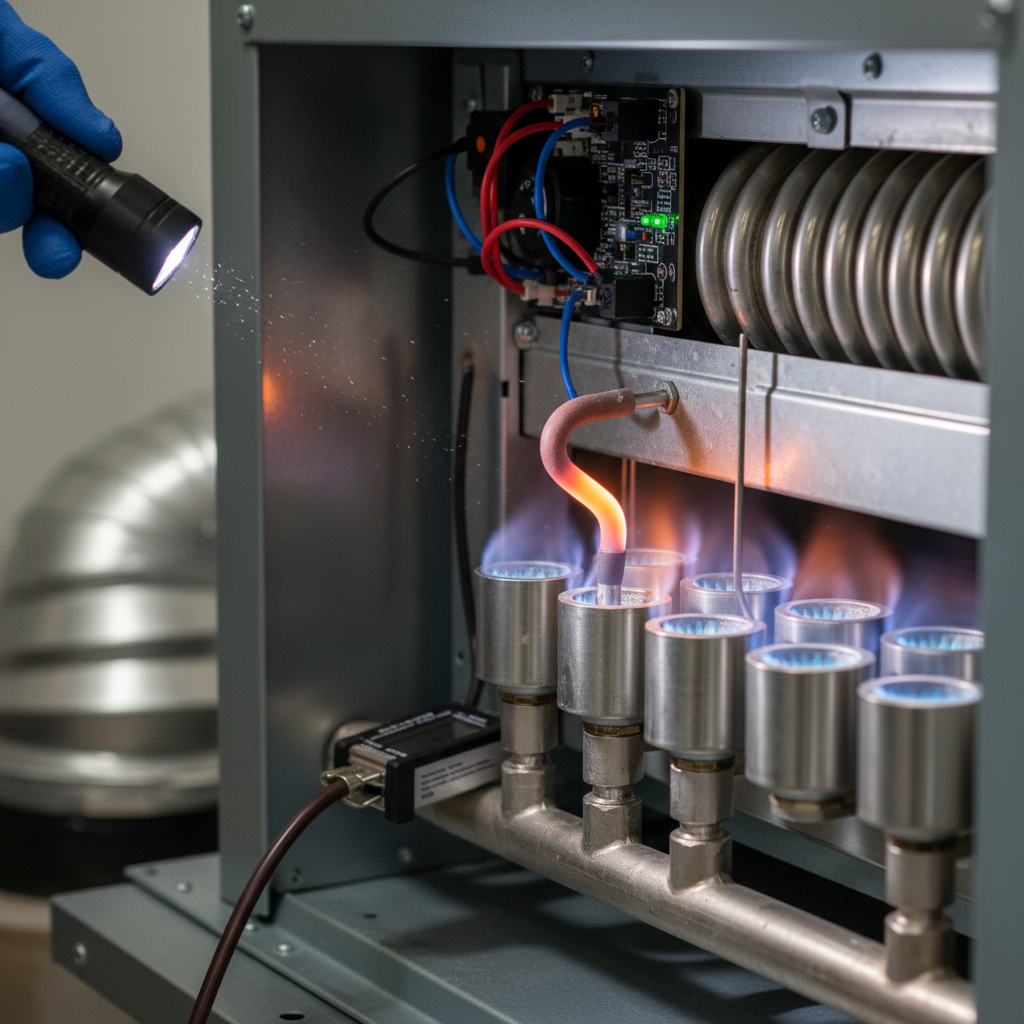
- Ignition System Problems: This includes faulty igniters, pilot lights, or electronic ignition systems that fail to spark the burner.
- Dirty Flame Sensor: A flame sensor detects whether the burner is lit; debris or dirt can cause it to malfunction, turning off the furnace for safety.
- Blocked Air Filters or Vents: Poor airflow can cause the furnace to overheat or shut down as a safety precaution.
- Gas Supply Issues: A closed valve or interruption in gas service means there is no fuel to ignite.
- Electrical Problems: Blown fuses, tripped breakers, or faulty wiring can prevent the ignition circuit from working.
Step-by-Step Troubleshooting for Furnace Ignition Problems
Follow these steps to diagnose the problem yourself before calling a technician. Always ensure your safety by turning off power and gas supplies when inspecting components.
1. Check the Thermostat Settings
- Make sure the thermostat is set to “Heat” mode, not “Cool” or “Off”.
- Verify the temperature setting is higher than the current room temperature.
- Replace thermostat batteries if applicable and make sure it is functioning properly.
2. Inspect the Furnace Filter and Vents
- Dirty air filters restrict airflow and can cause safety switches to shut off the furnace.
- Change or clean the air filter if it looks clogged or dusty.
- Ensure vents and registers are open and unobstructed for proper air circulation.
3. Examine the Pilot Light or Electronic Ignition
- If your furnace has a pilot light, check if it is lit. If not, follow the manufacturer’s instructions to relight it safely.
- For electronic ignitions, listen for clicking sounds which indicate the igniter is attempting to spark.
- Furnaces with no pilot light typically have a hot surface igniter or spark igniter; if these are cracked or damaged, they need replacement.
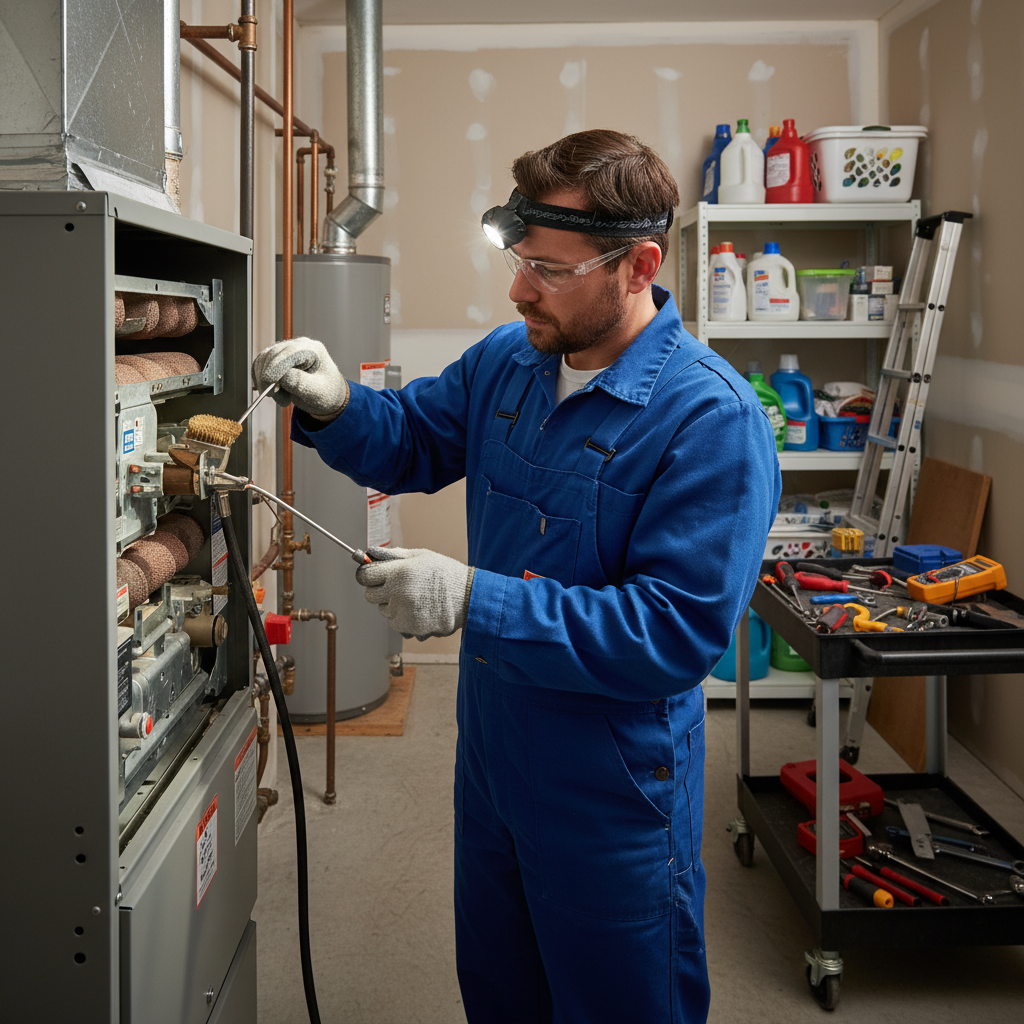
4. Clean the Flame Sensor
- The flame sensor can accumulate deposits that prevent proper detection.
- Turn off power, remove the flame sensor, and gently clean it using a soft cloth or fine sandpaper.
- Reinstall it, then try turning the furnace on again.
5. Check the Gas Supply
- Make sure the gas valve to the furnace is open.
- If you smell gas, turn off the gas supply immediately and evacuate your home before contacting professionals.
- Confirm your utility provider has not interrupted your gas service.
6. Inspect Electrical Components
- Look for tripped breakers or blown fuses related to your furnace circuit.
- Reset breakers or replace fuses as needed.
- Check furnace wiring connections for any visible damage or loose connections.
When to Call a Professional HVAC Technician
If you have followed all the above steps and your furnace still won’t ignite, or if you encounter any potentially dangerous situations such as gas leaks or electrical sparks, it’s time to call a licensed HVAC technician. Gas furnace repair involves risks that require expert handling and specialized tools. A professional can also perform diagnostics, inspect internal components like the control board or gas valves, and ensure that your furnace operates efficiently and safely.
Preventive Maintenance Tips to Avoid Furnace Ignition Problems
- Schedule Annual Furnace Servicing: Professional tune-ups optimize performance and catch issues early.
- Replace Filters Regularly: Check and change furnace filters every 1-3 months depending on usage.
- Keep the Area Around Your Furnace Clean: Avoid clutter that can block vents or create fire hazards.
- Test Your Carbon Monoxide Detector: A properly working detector keeps your home safe and alerts you to furnace malfunctions.
FAQs About Furnace Ignition Issues
Why does my furnace try to start but then shut off immediately?
This is often caused by a dirty flame sensor or issues with the pilot light. The flame sensor turns off the furnace if it doesn’t detect a flame as a safety precaution.
Can I use a hairdryer to heat the igniter to get it working?
No, this is unsafe and can cause damage to the igniter or create a fire hazard. Always follow manufacturer guidelines for furnace repair and maintenance.
How often should I replace my furnace igniter?
Igniters generally last 5-10 years depending on furnace use, but if it’s visibly cracked or your furnace struggles to ignite, replacement is necessary.
Is it normal for a furnace to take several seconds to ignite?
Yes, modern furnaces often have electronic ignition systems that take a few seconds to safely light the burner.
Can dirty filters cause an ignition failure?
Indirectly, yes. Dirty filters reduce airflow causing the furnace to overheat and shut off, preventing ignition cycles from completing.
Additional Resources for Furnace Safety and Maintenance
For more detailed information on furnace care and safety, visit the Good Housekeeping furnace maintenance guide. Following these expert tips can help you keep your furnace running smoothly during the cold months.
By understanding how your furnace works and identifying common ignition problems early, you can restore comfort to your home without unnecessary stress. Keep these troubleshooting tips handy, and never hesitate to reach out to a professional if you feel unsure about handling furnace repairs yourself.