Why Your Bathroom Fan and Light Might Be Losing Power
When both the fan and light in your bathroom go out, it typically points to a shared power source issue rather than individual component failures. Here’s a breakdown of the most common culprits:
1. Tripped Circuit Breaker
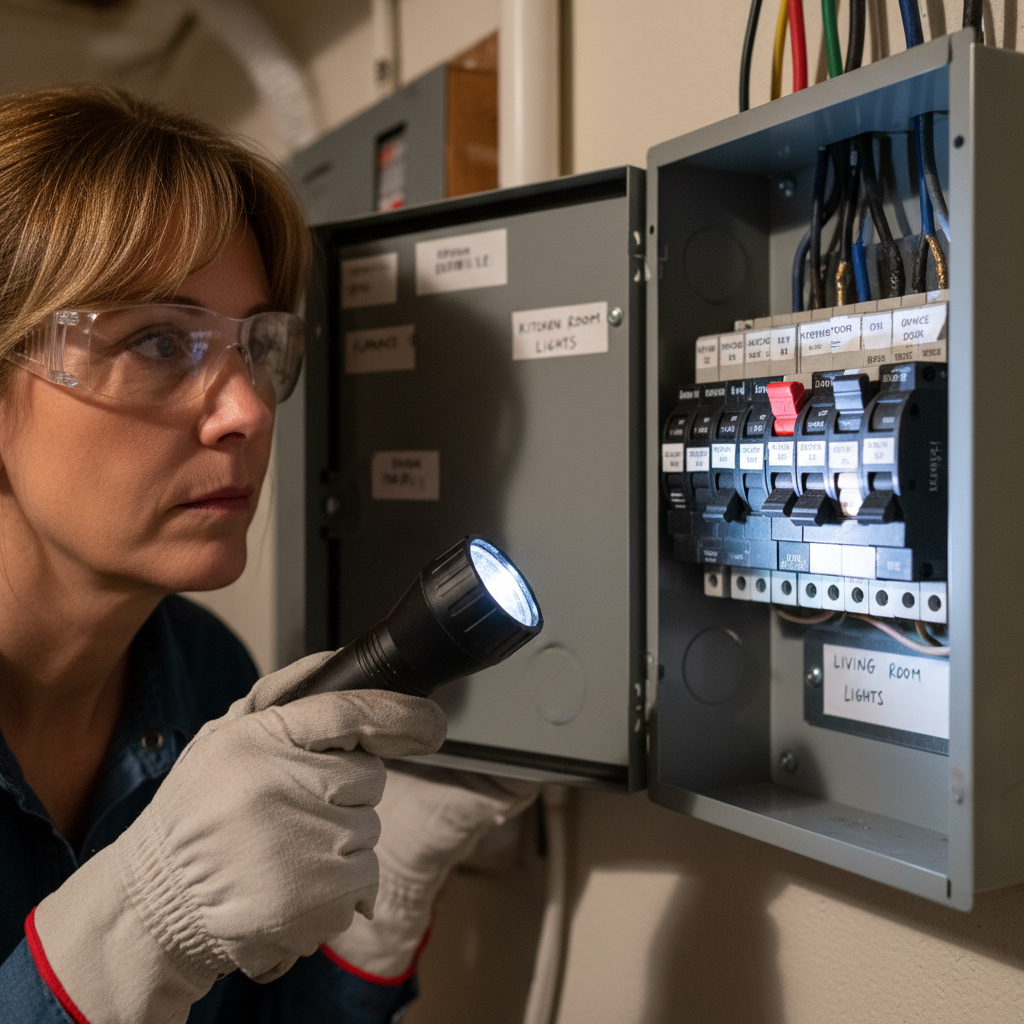
This is often the first thing to check. Your bathroom fan and light are usually on the same electrical circuit as other outlets or lights in the bathroom, and sometimes even in adjacent rooms. An overloaded circuit, a short circuit, or a ground fault can cause the circuit breaker to trip, cutting off power to everything on that circuit. This is a safety mechanism designed to prevent overheating and potential fires.
2. Tripped GFCI Outlet
Ground Fault Circuit Interrupter (GFCI) outlets are designed to protect against electric shock by monitoring the flow of electricity and tripping if it detects an imbalance. Bathrooms, by code, often have GFCI outlets, especially near sinks, due to the presence of water. If your fan and light are on a circuit that is downstream from a tripped GFCI outlet (even one in another bathroom or garage), they will lose power. It’s not always obvious, as the tripped GFCI might be in an unexpected location.
3. Loose or Damaged Wiring Connections
Over time, vibrations, temperature changes, or improper installation can cause electrical connections to loosen at the switch, the fixture itself, or even in the junction box. A loose hot wire, neutral wire, or ground wire can interrupt the flow of electricity, causing both the fan and light to stop working. Rodent activity or physical damage during renovations can also compromise wiring.
4. Faulty Light/Fan Switch
While less common for both components to fail simultaneously due to a switch issue unless they share a single switch, a faulty switch can certainly cut power. The internal mechanisms of switches can wear out, corrode, or develop a short circuit, preventing electricity from reaching the fan and light. Some bathroom units have a single switch controlling both, making a faulty switch a more probable cause in such setups.
5. Blown Fuse (Older Homes)
In older homes, or for specific older fan units, a fuse might be part of the electrical system instead of or in addition to a circuit breaker. A blown fuse acts similarly to a tripped breaker, interrupting the circuit when an overload or short occurs. It’s less common for an entire bathroom circuit to be protected solely by a fuse in modern wiring, but it’s worth considering for very old installations.
6. Motor Failure or Light Fixture Issues
If only one component is failing (e.g., the fan motor burns out but the light still works, or a bulb blows but the fan runs), it’s not a shared power loss issue. However, if the fan motor experiences a severe electrical fault (like a short), it could potentially trip the breaker or GFCI, thus cutting power to both. Similarly, a major electrical short within the light fixture itself could have the same effect. Always check the simple things like a blown light bulb first, though if both are out, it’s usually a broader power issue.
7. Corrosion or Moisture Damage
Bathrooms are inherently humid environments. Over time, moisture can seep into electrical boxes, switches, or even the fixture housing, leading to corrosion on wires and terminals. This corrosion can impede electrical flow, causing intermittent power loss or complete failure. This is particularly common in areas with poor ventilation or in older installations.
Step-by-Step Troubleshooting When Your Bathroom Fan and Light Lose Power
Before you begin any electrical troubleshooting, remember that safety is paramount. Always turn off the power at the main breaker before inspecting or working on any wiring or fixtures. If you are uncomfortable at any point, do not hesitate to call a qualified electrician.
Step 1: Prioritize Safety
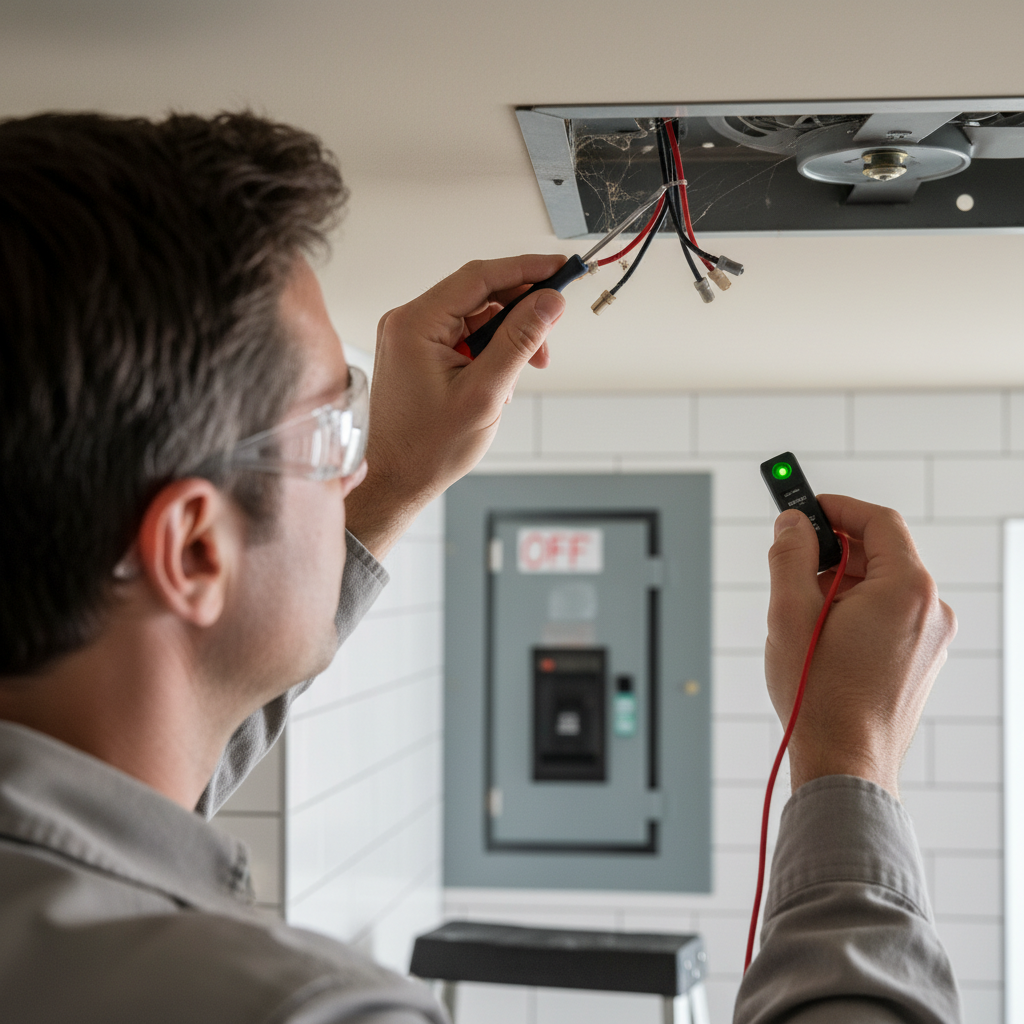
- Turn Off Power: Go to your home’s main electrical panel and locate the breaker that controls your bathroom circuit. Flip it to the “OFF” position. If labels are unclear, you may need to turn off the main breaker for your entire home. Use a non-contact voltage tester to confirm the power is off at the switch and the fixture before proceeding.
Step 2: Check Your Circuit Breaker
- Locate the Panel: Find your home’s electrical service panel.
- Identify Tripped Breakers: Look for any breakers that are in the “OFF” position or are “tripped” (often sitting halfway between ON and OFF, or slightly off-kilter).
- Reset the Breaker: To reset a tripped breaker, push it firmly to the “OFF” position first, then back to the “ON” position.
- Test: Go back to the bathroom and see if the power has returned. If it trips again immediately, there’s a more serious underlying issue (like a short circuit) that requires further investigation or professional help.
Step 3: Inspect GFCI Outlets
- Locate GFCI Outlets: Check all GFCI outlets in your bathroom. Also, check any GFCI outlets in adjacent bathrooms, the garage, basement, or even exterior outlets, as some circuits can span multiple areas.
- Reset GFCI: Each GFCI outlet has “TEST” and “RESET” buttons. Press the “RESET” button firmly. You might hear a click. For more detailed instructions on resetting a GFCI outlet, you can refer to resources like Good Housekeeping’s guide on resetting GFCI outlets.
- Test: If the GFCI resets and stays on, go back to your bathroom and check the fan and light. If it trips again immediately, there’s an electrical fault somewhere on the circuit.
Step 4: Examine the Light Bulb
- Turn Off Power Again: If you haven’t already, confirm the power is off at the breaker.
- Check the Bulb: Remove the light cover and check the light bulb. Is it burnt out? Look for a broken filament or darkened glass.
- Replace the Bulb: Try replacing the bulb with a new, known-good bulb of the correct wattage and type.
- Test: Turn the power back on and test the light. If the light works but the fan doesn’t, you’ve isolated the issue to the fan.
Step 5: Inspect the Switch
- Turn Off Power: Ensure the circuit breaker is OFF.
- Remove Switch Plate: Carefully remove the cover plate from the light/fan switch.
- Inspect Wiring: Gently pull the switch out of the electrical box (without disconnecting wires if possible). Look for any loose wires, burnt insulation, or corrosion on the terminals. Wires should be securely attached.
- Check for Damage: If the switch feels loose, wobbly, or shows signs of burning, it might be faulty. If you’re comfortable, and with the power OFF, you can use a multimeter to test for continuity across the switch terminals, though this requires some electrical knowledge.
- Replace Switch (If Necessary): If the switch appears faulty or damaged, it will need to be replaced. This is a job that many DIYers can handle, but proper wiring is essential. Ensure the power is OFF before attempting replacement.
Step 6: Check the Fan and Light Fixture Wiring
- Turn Off Power: This cannot be stressed enough – confirm power is OFF at the breaker.
- Access the Fixture: Carefully lower the fan/light unit from the ceiling or access its wiring compartment.
- Inspect Connections: Look for any loose wire nuts, disconnected wires, or signs of burning or corrosion within the fixture’s wiring compartment. Ensure the ground wire is properly connected.
- Motor (Fan Only): If the light works but the fan doesn’t, and you suspect the fan motor, listen for any humming sounds or try gently nudging the fan blades (again, with power OFF) to see if they’re stuck. A seized motor often means replacement is necessary.
Step 7: Look for Signs of Water Damage or Pest Infestation
- Visual Inspection: While checking the fixture and switch, look for any water stains on the ceiling or walls, which could indicate a leak affecting the electrical components. Also, look for signs of rodents (chewed wires, droppings) in the attic space above the bathroom or around the fixture.
- Address Underlying Issues: If you find water damage or pest activity, these issues must be addressed before electrical repairs can be reliably made.
When to Call a Professional Electrician
While many of these troubleshooting steps can be performed by a homeowner comfortable with basic electrical safety, there are clear signs you should call a professional electrician:
- Repeated Breaker Trips: If your circuit breaker trips repeatedly after resetting, or if a GFCI outlet won’t reset, it indicates a persistent fault that needs expert diagnosis.
- Burning Smell or Scorching: Any smell of burning plastic, smoke, or visible scorch marks around outlets, switches, or fixtures is a serious warning sign of an electrical fire hazard. Turn off power immediately and call an electrician.
- No Obvious Cause: If you’ve gone through all the basic troubleshooting steps and still can’t identify the source of the problem, a professional has specialized tools and knowledge to diagnose hidden issues.
- Unfamiliarity or Discomfort: If you are at all uncomfortable working with electricity, or if the wiring seems complex, it’s always safer to hire a licensed electrician.
- Old or Outdated Wiring: In older homes, wiring can degrade, become brittle, or simply not meet modern safety standards. An electrician can assess and recommend upgrades.
Maintaining Your Bathroom Fan and Light System
Preventative maintenance can extend the life of your bathroom fan and light and help avoid future power loss issues:
- Regular Cleaning: Periodically clean the fan grille and blades. Dust and lint buildup can impede the fan’s motor, causing it to work harder, overheat, and eventually fail or trip breakers.
- Check for Obstructions: Ensure the fan’s exhaust duct is clear and not blocked by insulation, debris, or bird nests, which can strain the motor.
- Inspect for Moisture: Annually check for signs of moisture around the fan and light fixture, especially in the attic space. Address any leaks promptly.
- Replace Bulbs Promptly: While a single blown bulb won’t cause a circuit trip, ensuring all components are working correctly helps you identify issues early. Use the correct wattage bulbs for your fixture.
- Ensure Proper Ventilation: Run your bathroom fan during and after showers for at least 15-20 minutes to effectively remove humidity. This reduces moisture damage to electrical components.
- Professional Inspection: Consider having an electrician inspect your bathroom’s electrical system every few years, particularly if your home is older.
Frequently Asked Questions About Bathroom Fan and Light Power Loss
Q1: Why would both my bathroom fan and light stop working at the same time?
A: When both components fail simultaneously, it strongly suggests a problem with their shared power source or circuit. The most common reasons include a tripped circuit breaker, a tripped GFCI outlet, or a loose electrical connection affecting the entire circuit that powers both the fan and the light.
Q2: Can I fix a bathroom fan and light that lost power myself?
A: Many common causes, such as a tripped circuit breaker or GFCI outlet, can be safely diagnosed and reset by a homeowner. Replacing a light bulb or a faulty switch can also be DIY tasks if you’re comfortable with basic electrical work and always prioritize turning off the power at the breaker. However, for complex wiring issues, repeated trips, or if you’re uncomfortable, it’s always best to consult a professional electrician.
Q3: How do I reset a GFCI outlet?
A: To reset a GFCI outlet, locate the outlet and firmly press the “RESET” button, which is usually found between the two receptacles. You should hear a click as it resets. If it doesn’t reset or trips immediately after resetting, there’s likely a persistent electrical fault on that circuit.
Q4: What’s the typical lifespan of a bathroom exhaust fan motor?
A: The typical lifespan of a quality bathroom exhaust fan motor can range from 5 to 10 years, though some well-maintained units can last longer. Factors like usage frequency, proper installation, and maintenance (e.g., cleaning dust from blades) can influence its longevity. If your fan is old and stops working, motor failure is a likely culprit if other electrical issues have been ruled out.
Q5: Is it safe to use my bathroom if the fan and light aren’t working?
A: If only the light and fan are out and there are no other signs of electrical problems (like burning smells or buzzing), the bathroom is generally safe to use. However, you’ll want to address the issue quickly. Without a fan, humidity can build up, leading to mold and mildew growth. If you suspect any underlying electrical issue beyond a simple tripped breaker, it’s safer to avoid using any electrical appliances in the bathroom until the problem is resolved by a professional.
Conclusion
A non-functional bathroom fan and light can be a real nuisance, but by systematically troubleshooting the common causes, you can often identify and resolve the problem yourself. Remember to always put safety first by turning off the power before inspecting any electrical components. Whether it’s a simple breaker reset, a GFCI issue, or a more involved wiring problem, this guide provides the steps to take. If you find yourself in doubt or facing complex electrical issues, don’t hesitate to contact a qualified electrician to ensure the safety and proper function of your home’s electrical system.