In today’s dynamic educational landscape, creating inspiring and engaging environments for children is paramount. One innovative and increasingly popular solution for infusing a touch of nature and boundless creativity into classrooms, playrooms, and homeschool setups is the use of artificial grass rugs. These versatile and durable floor coverings offer a unique blend of practicality and aesthetic appeal, transforming ordinary floors into vibrant, sensory-rich learning zones. From fostering imaginative play to providing a calming green oasis, exploring artificial grass rug ideas for kids’ learning spaces opens up a world of possibilities for educators and parents alike.
Why Artificial Grass Rugs are a Game-Changer for Kids’ Learning Environments
The decision to incorporate artificial grass rugs into a child’s learning space goes beyond mere aesthetics. There are several compelling reasons why these synthetic turf carpets are becoming a staple in modern educational design:
Durability and Low Maintenance
Unlike natural grass, which requires constant care, watering, and mowing, artificial grass rugs are incredibly low maintenance. They stand up exceptionally well to the wear and tear of active children, resisting stains, fading, and flattening. Spills are easy to clean, and the synthetic fibers are designed to withstand heavy foot traffic, making them ideal for high-activity areas in schools and homes.
Safety and Comfort
Children spend a significant amount of time on the floor, whether playing, reading, or collaborating. Artificial grass rugs provide a soft, cushioned surface that offers a gentle landing for tumbles and a comfortable spot for extended periods of sitting or lying down. High-quality artificial turf is typically non-toxic, lead-free, and hypoallergenic, making it a safe choice for children, especially those with allergies to natural grass or common carpet fibers.
Sensory Stimulation
The tactile experience of artificial grass can be profoundly beneficial for sensory development. Its unique texture provides a different sensation compared to traditional carpets or hard flooring, encouraging children to explore through touch. The vibrant green color also offers visual stimulation, promoting a sense of calm and connection to nature, even when indoors.
Fostering a Connection to Nature (Biophilic Design)
Many studies highlight the positive impact of nature on well-being and learning. Artificial grass rugs bring an element of the outdoors inside, tapping into the principles of biophilic design. This connection to nature can help reduce stress, improve focus, and enhance creativity, offering a refreshing alternative to sterile or conventional indoor environments.
Versatility and Aesthetic Appeal
Available in various shades of green, pile heights, and even custom shapes, artificial grass rugs are incredibly versatile. They can instantly brighten a room, create defined zones within a larger space, and serve as a visually appealing backdrop for educational activities. Their ability to evoke an outdoor feel makes them perfect for themed learning environments like “forest schools” or “garden classrooms.”
Creative Artificial Grass Rug Ideas for Different Learning Zones
Once you’ve decided to embrace the green, the possibilities for integrating artificial grass rugs into kids’ learning spaces are endless. Here are some innovative ideas for various zones:
The “Outdoor Classroom” Corner
Transform a corner of your classroom or playroom into a miniature outdoor learning environment. This setup encourages imaginative play and hands-on exploration.
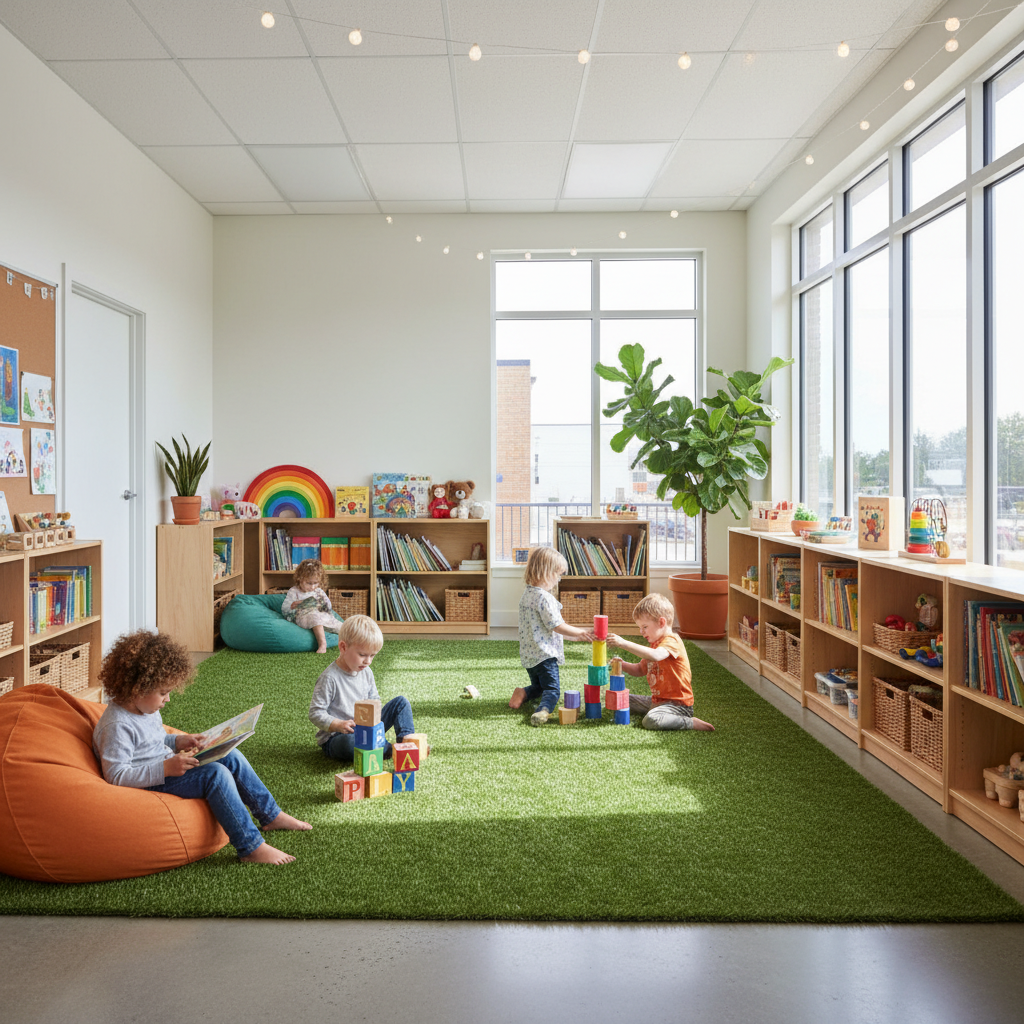
- Reading Nook: Lay a plush artificial grass rug, add some comfortable beanbags or floor cushions, and perhaps a small tent or canopy overhead. Stock with nature-themed books, field guides, and storybooks. It’s the perfect spot for quiet reading or storytelling, simulating reading under a tree.
- Science and Nature Exploration Station: Place a durable, easy-to-clean artificial grass rug as the base for a science table. Equip it with magnifying glasses, plastic bugs, leaves, rocks, and small plant pots. Children can engage in botany, entomology, or geology activities, feeling like true outdoor explorers.
- Quiet Reflection Zone: For a calming space, a smaller artificial grass mat can define a quiet corner. Add a meditation cushion, soft lighting, and perhaps some calming sound makers (like wind chimes or a small water feature). It’s an ideal spot for children to decompress and practice mindfulness.
Interactive Play & Learning Areas
Artificial grass rugs can be more than just flooring; they can be integrated directly into learning activities, making education tactile and fun.
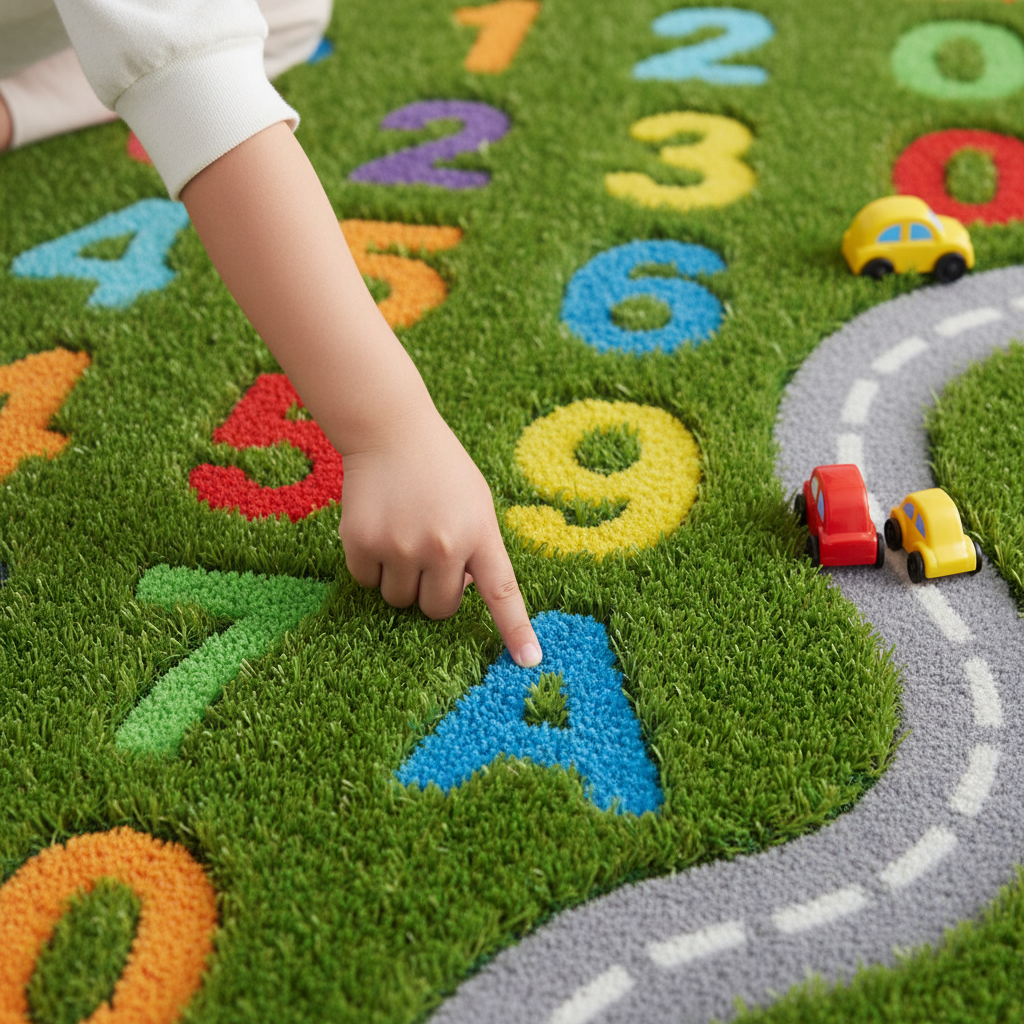
- Alphabet and Number Mats: Custom-cut artificial grass into large letters or numbers, or place them on a larger grass rug to create interactive learning zones. Children can jump on letters to spell words or count numbers, turning learning into an active game.
- Hopscotch and Movement Paths: Design permanent hopscotch grids or winding paths directly onto a larger artificial grass rug using contrasting colors or painted markings. This encourages gross motor skills development, balance, and cooperative play.
- Road Map or Cityscape Rug: For imaginative play, use different shades of artificial turf to create roads, parks, and green spaces for toy cars, trains, and miniature figures. This fosters narrative play and spatial reasoning.
- Building Block Zone: Designate an area with a soft, medium-pile artificial grass rug for building blocks, LEGOs, or Magna-Tiles. The texture can add a new dimension to construction play, and the soft surface is kinder to knees and hands.
Sensory Paths and Exploration Zones
Sensory engagement is crucial for development. Artificial grass offers a unique texture for exploration.
- Barefoot Sensory Path: Create a pathway using different types of artificial grass (varying pile heights, densities) along with other sensory materials like smooth pebbles (in trays), wood chips, or soft fabrics. Children can walk barefoot, experiencing different textures and developing sensory integration.
- Themed Landscape Rugs: Design custom rugs that mimic different natural landscapes – a forest floor, a desert oasis, or a grassy hill. Integrate small props like miniature trees, rocks, or even a small “pond” (blue fabric) to create an immersive play world.
- Texture Contrast Stations: Place small artificial grass squares next to squares of other materials (carpet, wood, foam) for children to feel and describe the differences, enhancing their vocabulary and observational skills.
Calming Corners and Chill-Out Spots
Every learning space benefits from areas where children can relax and recharge.
- Mindfulness Space: A small, soft artificial grass rug with a few plush cushions, a weighted blanket, and a calming visual (like a lava lamp or a gentle nature scene poster) can create a dedicated mindfulness area. The green turf contributes to a serene atmosphere.
- Quiet Reading Nook: Similar to the outdoor classroom nook, but perhaps more secluded, this area offers a sanctuary for children needing a break from stimulation. The soft grass provides comfort, and the natural aesthetic promotes tranquility.
- Napping or Rest Area: For younger children, a larger, soft artificial grass rug can define a rest area, complete with small cots or mats. The natural feel can make naptime feel more peaceful and connected to nature.
Art & Craft Hubs with a Natural Twist
Artificial grass can inspire creativity and make cleanup easier for art projects.
- Outdoor Art Studio: While not truly outdoors, a section of artificial grass can make an art area feel like an open-air studio. It’s easy to wipe clean most art spills (especially washable paints) from synthetic turf, and the green backdrop can inspire nature-themed creations.
- Collage and Found Object Art Zone: Use the artificial grass rug as a base for collecting and arranging natural items like leaves, twigs, pinecones, and flowers (real or artificial) for collage and loose parts play. The green background makes these objects pop.
Choosing the Right Artificial Grass Rug for Your Space
To ensure your artificial grass rug ideas come to life effectively and safely, consider these factors when making your selection:
Material Quality and Safety Standards
Prioritize rugs made from high-quality, non-toxic materials (e.g., polyethylene or polypropylene) that are lead-free and free from heavy metals. Look for certifications that guarantee child safety and environmental standards. A good quality rug will be durable and safe for direct skin contact.
Pile Height and Density
- Shorter Pile (0.5-1 inch): Ideal for high-traffic areas, interactive play zones, and areas where small items (like LEGOs) are used, as they won’t get lost in the fibers. Easier to clean.
- Medium to Longer Pile (1.5-2 inches+): Perfect for reading nooks, calming corners, and sensory play areas where comfort and a plush feel are desired. Provides more cushioning.
A higher density of fibers generally indicates a more durable and luxurious-feeling rug.
Size and Shape Considerations
Measure your space carefully. Artificial grass rugs come in standard sizes, but many suppliers offer custom cuts, which can be fantastic for unique spaces or for creating specific shapes (e.g., a circle for a meeting spot, a winding path). Consider if you need one large rug or several smaller ones to define different zones.
Backing and Grip
Look for rugs with a robust, non-slip backing (often made of latex or polyurethane) to prevent shifting and bunching, which can be a tripping hazard. For extra security, especially on smooth floors, consider using rug grippers or double-sided rug tape.
UV Protection
If the rug will be placed near a window or in a sun-drenched area, ensure it has UV stabilization to prevent fading and maintain its vibrant green color over time.
Installation and Maintenance Tips
Implementing your artificial grass rug ideas is straightforward, but a few tips can ensure longevity and hygiene.
Preparing the Area
Ensure the floor beneath is clean, dry, and free of debris. For larger rugs, having an extra set of hands to position it accurately is helpful.
Laying the Rug
Unroll the rug and allow it to relax for a few hours (or even a day) to flatten out any creases from packaging. If using multiple pieces, ensure seams are aligned closely. For permanent installations or very large rugs, professional installation or adherence with specialized adhesive might be considered.
Regular Cleaning
- Vacuuming: Regular vacuuming (without a beater bar, or on a high setting) will remove dust, crumbs, and debris.
- Spot Cleaning: For spills, blot immediately with a clean cloth. Use a mild soap and water solution for tougher stains. Rinse thoroughly with clean water and allow to air dry.
- Brushing: Occasionally brush the pile with a stiff-bristled broom or a power brush to keep the fibers upright and maintain the rug’s lush appearance.
Deep Cleaning and Sanitization
Periodically, especially in school or daycare settings, a deeper clean may be necessary. This can involve gentle scrubbing with a mild disinfectant solution suitable for synthetic surfaces, followed by thorough rinsing and drying. Ensure proper ventilation during and after cleaning to prevent mildew.
Integrating Other Elements for a Wholesome Learning Environment
While artificial grass rugs provide an excellent foundation, combining them with other elements will complete the learning space.
Natural Elements
Complement the artificial grass with real potted plants (child-safe varieties), wooden furniture, and natural fiber baskets. These elements enhance the biophilic feel and add to the sensory richness of the environment.
Educational Tools
Strategically place educational materials like books, manipulatives, puzzles, and art supplies within the grass-covered zones. Ensure they are easily accessible and organized in a way that encourages independent exploration.
Comfort Items
Add soft cushions, floor pillows, and blankets to make reading nooks and calming corners even more inviting. These provide additional comfort and a sense of coziness.
Themed Decor
Expand on the “outdoor” theme with wall decals of trees, animals, or clouds. Use nature-inspired colors for walls and accessories. Consider string lights to mimic fireflies or stars for an enchanting ambiance.
FAQs About Artificial Grass Rugs for Kids’ Learning Spaces
Here are answers to some common questions regarding artificial grass rugs in children’s environments:
Are artificial grass rugs safe for toddlers and babies?
Yes, most high-quality artificial grass rugs are designed to be safe for children. Look for products that are certified non-toxic, lead-free, and heavy-metal-free. The soft pile also provides a cushioned surface that can reduce impact from falls, making it a good option for crawling babies and toddlers learning to walk. Always ensure the rug has a non-slip backing.
How do I clean an artificial grass rug if a child spills something on it?
For most spills, blot immediately with a clean cloth to absorb as much liquid as possible. Then, use a mild solution of soap (like dish soap) and water, gently scrubbing the area with a soft brush or sponge. Rinse thoroughly with clean water, ensuring all soap residue is removed, and allow the area to air dry completely. For tougher stains, specific artificial turf cleaners are available.
Can these rugs be used outdoors as well?
Absolutely! Many artificial grass rugs are designed for both indoor and outdoor use. If using outdoors, ensure the product specifies UV protection to prevent fading and has adequate drainage holes in the backing to prevent water pooling after rain. This makes them perfect for creating versatile indoor/outdoor learning zones.
Do artificial grass rugs get hot in direct sunlight?
Like any surface, artificial grass can absorb heat when exposed to direct sunlight, especially darker shades. However, modern artificial turf materials are often designed to minimize heat retention. For indoor use near windows, placing them in areas with partial shade or using curtains can help. For outdoor use, consider lighter shades or supplementing with shade structures.
What’s the best way to secure an artificial grass rug on a smooth floor?
For temporary placement, a rug with a good quality non-slip backing might suffice. For more active areas or to prevent any movement, consider using specialized rug grippers, anti-slip mats placed underneath, or double-sided rug tape around the perimeter of the rug. For very large rugs, especially in high-traffic commercial settings (like classrooms), light adhesive might be used.
Conclusion
Integrating artificial grass rugs into kids’ learning spaces offers a fresh, innovative approach to educational environment design. By bringing the vibrant, tactile sensation of nature indoors, these rugs create spaces that are not only aesthetically pleasing but also profoundly beneficial for children’s development. From sparking imagination and encouraging sensory exploration to providing a safe, comfortable, and low-maintenance foundation, the creative possibilities are truly limitless. Embrace these artificial grass rug ideas to cultivate a stimulating, inspiring, and naturally engaging environment where young minds can flourish and grow.