Your home’s roof is its primary shield against the elements, and within that crucial defense system, roof flashing plays an indispensable role. Often overlooked until a problem arises, this thin material is designed to prevent water penetration at vulnerable points. However, when your roof flashing rusted through, it transforms from a protective barrier into a gateway for significant water damage. This article will delve into the critical importance of roof flashing, the dangers posed by corrosion, how to identify the signs of trouble, and the best approaches to ensure your home remains safe and dry.
Understanding Roof Flashing: Your Home’s Unsung Hero Against Water
Roof flashing refers to thin pieces of impervious material, typically metal, installed at various junctures on a roof where different surfaces meet or penetrate the roofline. Its sole purpose is to divert water away from these vulnerable areas, guiding it down the roof and into the gutters. Without properly installed and maintained flashing, these intersections would be direct entry points for water, leading to costly damage.
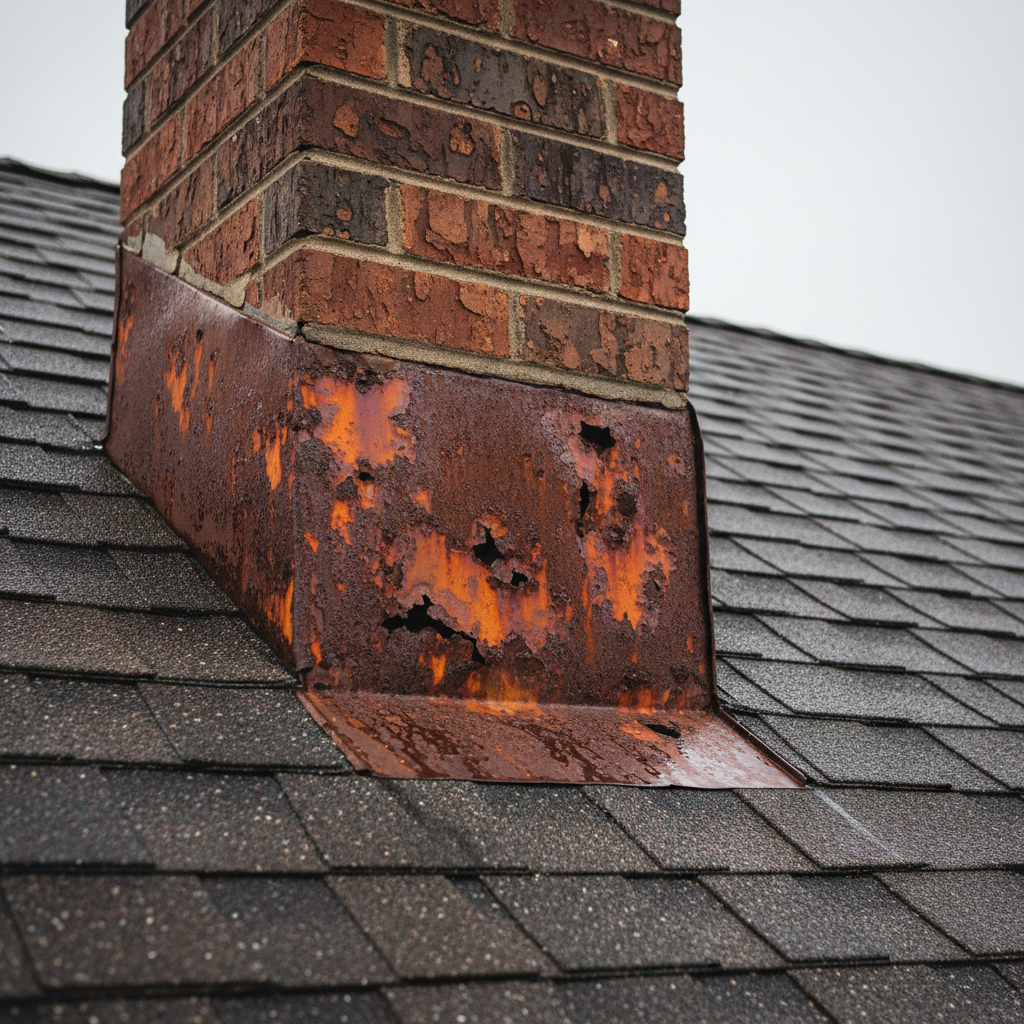
- Step Flashing: Used where a roof meets a wall, often seen alongside chimneys. Each piece overlaps the one below it, like steps.
- Valley Flashing: Installed in the “valleys” where two roof planes meet, channeling a significant volume of water.
- Chimney Flashing: A complex system around chimneys, combining base flashing, step flashing, and counter flashing to create a watertight seal.
- Vent Pipe Flashing: Circular pieces designed to seal around plumbing vents and other pipes protruding from the roof.
- Drip Edge Flashing: Installed along the edges of the roof to direct water into the gutters and protect the fascia board.
- Skylight Flashing: Specialized kits designed to seal around skylight installations, preventing leaks.
The integrity of these flashing components is paramount. They endure constant exposure to rain, snow, ice, UV radiation, and temperature fluctuations. Over time, even the most robust materials can succumb to the elements, leading to degradation, with rust being a common and particularly insidious form of failure.
Why Does Roof Flashing Rust? Uncovering the Causes of Corrosion
While flashing is designed for durability, certain factors can accelerate its deterioration, causing your roof flashing to rust through.
- Material Quality: Not all metal flashing is created equal. Galvanized steel, commonly used, relies on a zinc coating for rust protection. If this coating is thin, damaged, or of poor quality, the steel underneath is exposed to moisture and oxygen, leading to rust. Copper and aluminum are more rust-resistant but also more expensive.
- Age and Exposure: Over years of sun, rain, snow, and ice, the protective coatings on metal flashing can wear down. This constant weathering eventually exposes the base metal to the elements, initiating the rusting process.
- Physical Damage: High winds, falling debris (tree branches), clumsy foot traffic during roof maintenance, or improper installation can scratch, bend, or crack the flashing. These breaches in the protective layer become prime sites for rust formation.
- Poor Installation: Incorrectly installed flashing might not allow for proper water runoff, leading to pooling water. Standing water significantly accelerates corrosion. Similarly, using incompatible metals (e.g., copper fasteners on aluminum flashing) can lead to galvanic corrosion, a specific type of electrochemical rust.
- Chemical Exposure: Acid rain, industrial pollutants, or even certain chemicals used in roof cleaning can degrade flashing materials and their protective coatings, making them more susceptible to rust.
- Debris Accumulation: Leaves, twigs, and other organic debris can accumulate around flashing, especially in valleys or behind chimneys. This debris traps moisture against the metal, creating a persistently damp environment ideal for rust to thrive.
The Dire Consequences When Your Roof Flashing Rusted Through
A rusted-through piece of roof flashing is not just a minor aesthetic flaw; it’s a critical breach in your home’s defense system. The repercussions can be extensive and costly if not addressed promptly.
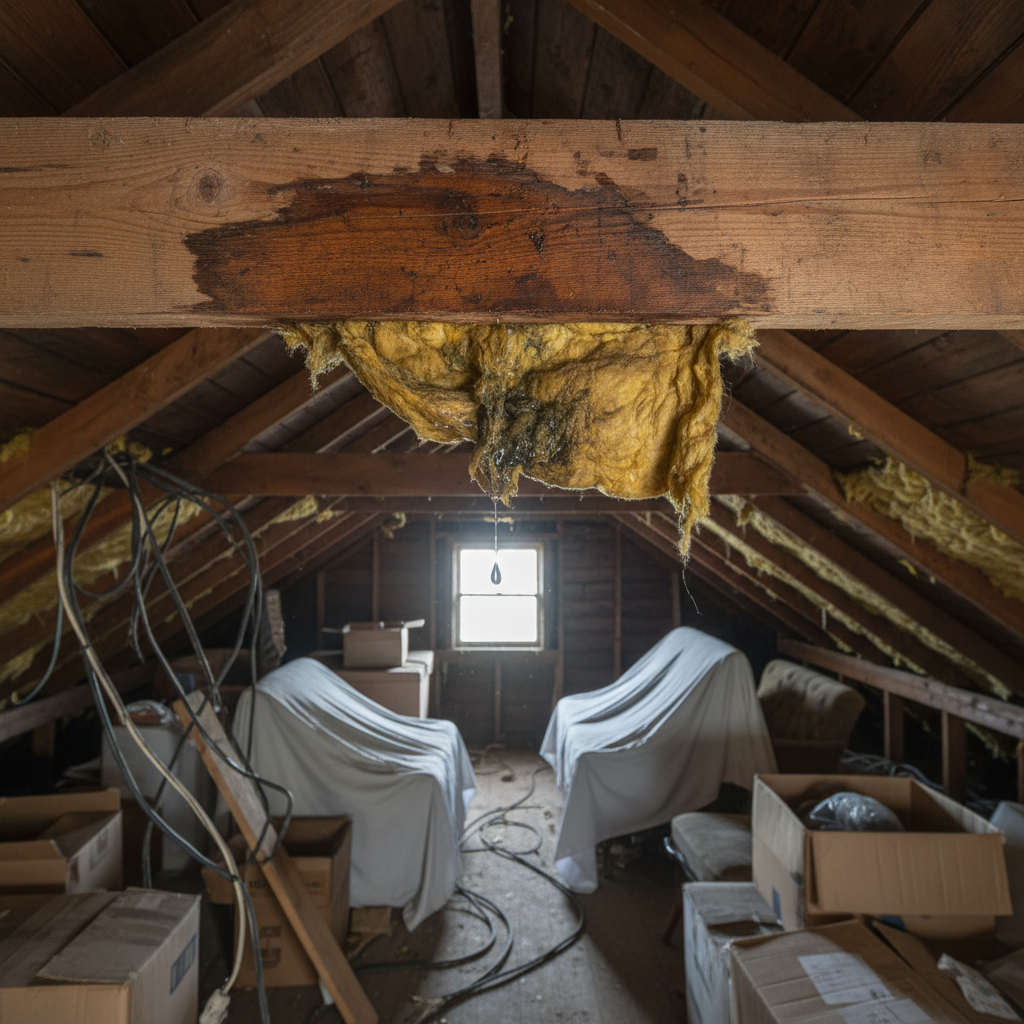
- Roof Leaks and Water Damage: This is the most immediate and obvious consequence. Even a small hole or compromised seam in rusted flashing can allow water to seep into your attic, ceilings, and walls. Over time, this leads to unsightly water stains, peeling paint, and warped drywall.
- Structural Integrity Issues: Persistent moisture can cause wooden roof decking, rafters, and wall studs to rot. This compromises the structural integrity of your home, potentially leading to sagging ceilings, unstable walls, and even a compromised roof structure.
- Mold and Mildew Growth: Damp, dark environments created by leaks are perfect breeding grounds for mold and mildew. These fungi can spread rapidly, posing serious health risks to occupants (respiratory issues, allergies) and causing a pervasive musty odor. Removing extensive mold can be expensive and require professional remediation.
- Damaged Insulation: Attic insulation, once wet, loses its R-value (insulating capacity) and can compress, becoming ineffective. This leads to higher heating and cooling bills as your HVAC system works harder to maintain indoor temperatures.
- Pest Infestations: Rotting wood and damp insulation become attractive homes for pests like termites, carpenter ants, rodents, and insects. These invaders can cause further damage to your home’s structure and spread disease.
- Electrical Hazards: Water leaks near electrical wiring or fixtures can create dangerous short circuits, power outages, and even fire hazards.
- Reduced Property Value: Undetected or unresolved water damage, structural issues, and mold problems can significantly decrease your home’s market value and make it difficult to sell.
Spotting the Signs: Is Your Roof Flashing Rusted Through?
Early detection is key to minimizing damage and repair costs. While some signs are obvious, others can be subtle. Regular inspections are vital.
Exterior Warning Signs:
- Visible Rust Stains: Look directly at the flashing around chimneys, vents, skylights, and in valleys. Rust-colored streaks or patches on the metal itself, or stains running down shingles or siding below the flashing, are clear indicators.
- Missing or Deteriorated Caulk/Sealant: Over time, the caulk used to seal flashing can crack, shrink, or detach, creating gaps. This isn’t rust itself, but it allows moisture to reach the metal, accelerating corrosion.
- Lifted or Bent Flashing: High winds or impacts can cause flashing to become loose, bent, or completely detached. Compromised flashing loses its effectiveness and is more prone to rust.
- Damaged Shingles Around Flashing: If shingles adjacent to flashing are curled, cracked, or missing, it could indicate underlying issues, including water damage from rusted flashing.
- Debris Buildup: Accumulations of leaves, pine needles, or dirt around flashing can trap moisture, promoting rust.
Interior Warning Signs:
- Water Stains on Ceilings or Walls: These are the most common indicators of a leak. Pay attention to stains in areas directly below roof penetrations or valleys. They might appear as discolored patches, drips, or peeling paint.
- Dripping Sounds: During rain, listen for any sounds of dripping water coming from your attic or ceilings.
- Musty Odors: A persistent musty or damp smell, particularly in the attic or upper levels of your home, is a strong sign of mold or mildew growth caused by a hidden leak.
- Sagging Ceilings or Warped Floors: Severe, long-term water damage can weaken structural elements, leading to visible sagging or warping.
- Mold or Mildew Growth: Discovering visible mold growth in your attic, on walls, or along baseboards is a definitive sign of moisture intrusion.
DIY Inspection vs. Professional Assessment: Knowing When to Call an Expert
While homeowners can perform basic visual checks, a thorough inspection often requires the expertise and safety equipment of a professional.
- What Homeowners Can Do:
- Visually inspect your roof from the ground with binoculars. Look for obvious signs of rust, damage, or debris.
- During a rainstorm, go into your attic with a flashlight to check for active drips, water stains on rafters or decking, and musty smells.
- Regularly clean your gutters to ensure water drains freely and doesn’t back up onto your roof edges.
- When to Call a Professional Roofer:
- Safety Concerns: Walking on a roof can be dangerous, especially if it’s steep, wet, or has compromised areas. Professionals have the right safety gear and training.
- Hidden Damage: Professionals can identify subtle signs of damage that an untrained eye might miss. They also know how to safely access and inspect all flashing areas, including complex chimney flashing.
- Expert Diagnosis: A professional can accurately diagnose the source of a leak, which isn’t always directly above where water appears inside. They can distinguish between flashing issues, shingle problems, or other roof component failures.
- Comprehensive Assessment: They will check the entire roof system, identifying potential future problems before they become major issues.
For more tips on general roof maintenance and how to keep your roof in top shape, consider resources like Good Housekeeping’s expert advice on home care: Good Housekeeping: How to Keep Your Roof in Top Shape.
Repairing or Replacing Rusted Roof Flashing: Your Options
Once rusted flashing is identified, the next step is to determine the best course of action. This typically involves either repair or full replacement.
Minor Rust and Small Holes (Patching):
For very small, isolated rust spots or pinholes, a temporary patch might be an option. This could involve cleaning the area thoroughly, applying a rust-inhibiting primer, and then sealing with a specialized roof sealant or flashing tape. However, this is rarely a long-term solution, as rust often indicates widespread deterioration. It’s usually a stop-gap measure until a proper replacement can be performed.
Sectional Replacement:
If only a specific section of flashing (e.g., one piece of step flashing, or a small portion of a valley) is heavily rusted through, it might be possible to remove and replace just that section. This requires careful work to integrate the new piece seamlessly with existing flashing and shingles to maintain a watertight seal.
Full Flashing Replacement:
In many cases, if one area of metal flashing has rusted through, it’s a strong indication that other sections, especially those of the same material and age, are also nearing the end of their lifespan. A full replacement of all flashing around a particular feature (e.g., all chimney flashing) or even all flashing on the roof might be the most cost-effective and durable solution in the long run. This ensures consistency in material and installation quality.
Material Choices for New Flashing:
- Galvanized Steel: Common and affordable, but susceptible to rust if its zinc coating is compromised.
- Aluminum: Lighter, rust-resistant, and relatively affordable. Can be easily bent and formed.
- Copper: Highly durable, extremely rust-resistant, and aesthetically pleasing (develops a distinctive patina). It’s also the most expensive option.
- Lead: Very malleable and durable, often used for complex shapes like around chimneys. Requires careful handling due to lead’s toxicity.
- PVC (Plastic Composite): Can be used for certain applications, offering flexibility and corrosion resistance, but may not be as durable as metal against impacts or UV.
The choice of material should consider your climate, budget, and the longevity you desire for your roof system.
The Cost of Neglect vs. Proactive Repair
It’s tempting to put off roof repairs, but when it comes to rusted flashing, delays can be far more expensive. A small, early repair to address a corroded section of flashing might cost a few hundred dollars. However, ignoring that issue can quickly escalate into thousands of dollars in repairs for:
- Extensive water damage to ceilings, walls, and flooring.
- Structural wood rot that requires carpentry work.
- Mold remediation.
- Damaged or saturated attic insulation replacement.
- Full roof deck replacement if rot is extensive.
Proactive maintenance and timely repairs, even if they seem like an upfront expense, are an investment in the long-term health and value of your home. They save you from unexpected, much larger expenditures down the line.
Preventing Future Flashing Corrosion: Best Practices
Once you’ve dealt with existing rust, implementing preventive measures is crucial to protect your new or repaired flashing.
- Regular Roof Inspections: Schedule professional roof inspections at least once a year, and after any major storm. This allows for early detection of wear, damage, or rust before it becomes severe.
- Use Appropriate Materials: When replacing flashing, choose materials known for their durability and corrosion resistance, suitable for your local climate and budget (e.g., aluminum, copper). Ensure all fasteners are made of compatible materials to prevent galvanic corrosion.
- Proper Installation: Always ensure flashing is installed by experienced professionals who follow industry best practices. Proper overlap, sealing, and drainage are essential.
- Maintain Gutters and Downspouts: Keep gutters free of leaves and debris. Clogged gutters can cause water to back up onto the roof, sitting against flashing and accelerating rust.
- Trim Overhanging Branches: Trees overhanging your roof can drop leaves and debris, promoting moisture retention. They can also cause physical damage to flashing during storms.
- Apply Protective Coatings: For galvanized steel flashing, periodic application of protective, rust-inhibiting paints or sealants can extend its life, especially in high-exposure areas.
- Ensure Adequate Ventilation: Proper attic ventilation helps prevent condensation buildup, which can contribute to moisture and rust in the attic space and on flashing.
When to Call a Roofing Professional
While some homeowners are comfortable with minor home repairs, roof work carries inherent risks and requires specialized knowledge. It’s always advisable to contact a qualified roofing professional when:
- You suspect your roof flashing rusted through or has significant damage.
- You notice interior signs of a leak but cannot pinpoint the source.
- You lack the proper safety equipment or experience to work on a roof.
- The repair involves complex flashing systems (e.g., around a chimney or skylight).
- You want a thorough inspection and honest assessment of your roof’s overall condition.
- You need an expert opinion on repair vs. replacement options.
A reputable roofing contractor can provide peace of mind, ensure the job is done correctly and safely, and often offer warranties on their work.
Frequently Asked Questions About Rusted Roof Flashing
How long does roof flashing typically last?
The lifespan of roof flashing varies greatly depending on the material. Galvanized steel flashing might last 10-20 years, while aluminum can last 20-30 years. Copper and lead flashing can easily exceed 50 years, often outlasting the roofing material itself. Poor installation, harsh climates, and lack of maintenance can significantly shorten these lifespans.
Can I repair rusted roof flashing myself?
Minor, isolated rust spots might be temporarily patched by a homeowner with the right skills and safety precautions. However, if the roof flashing rusted through, it typically indicates more extensive deterioration that requires professional expertise for a durable, watertight repair or replacement. Attempting complex roof repairs without experience can be dangerous and lead to further damage.
What are the best materials for new roof flashing?
Copper is widely considered the best due to its exceptional durability and resistance to rust and corrosion, though it is also the most expensive. Aluminum is a great mid-range option, offering good corrosion resistance and workability. Galvanized steel is common and affordable but requires careful maintenance to prevent rust.
What happens if I ignore rusted flashing?
Ignoring rusted flashing will almost certainly lead to water leaks and significant damage to your home. This includes water stains, wood rot, mold growth, damaged insulation, structural compromise, and potential pest infestations. The longer it’s ignored, the more extensive and costly the repairs will become.
How often should I inspect my roof flashing?
It’s recommended to visually inspect your roof flashing from the ground at least twice a year (spring and fall) and after any severe storms. A professional roof inspection should be conducted every 1-3 years to catch subtle issues before they escalate.
Conclusion
The integrity of your roof flashing is non-negotiable for protecting your home. When your roof flashing rusted through, it signals a breach that demands immediate attention to prevent a cascade of costly and damaging problems. By understanding the causes of rust, recognizing the warning signs, and taking proactive steps for inspection and repair, you can safeguard your home from water intrusion and ensure its long-term health and structural soundness. Don’t let a silent threat turn into a catastrophic leak; prioritize your roof’s well-being and consult with professionals when in doubt.