Why Attic Ventilation Matters: More Than Just Airflow
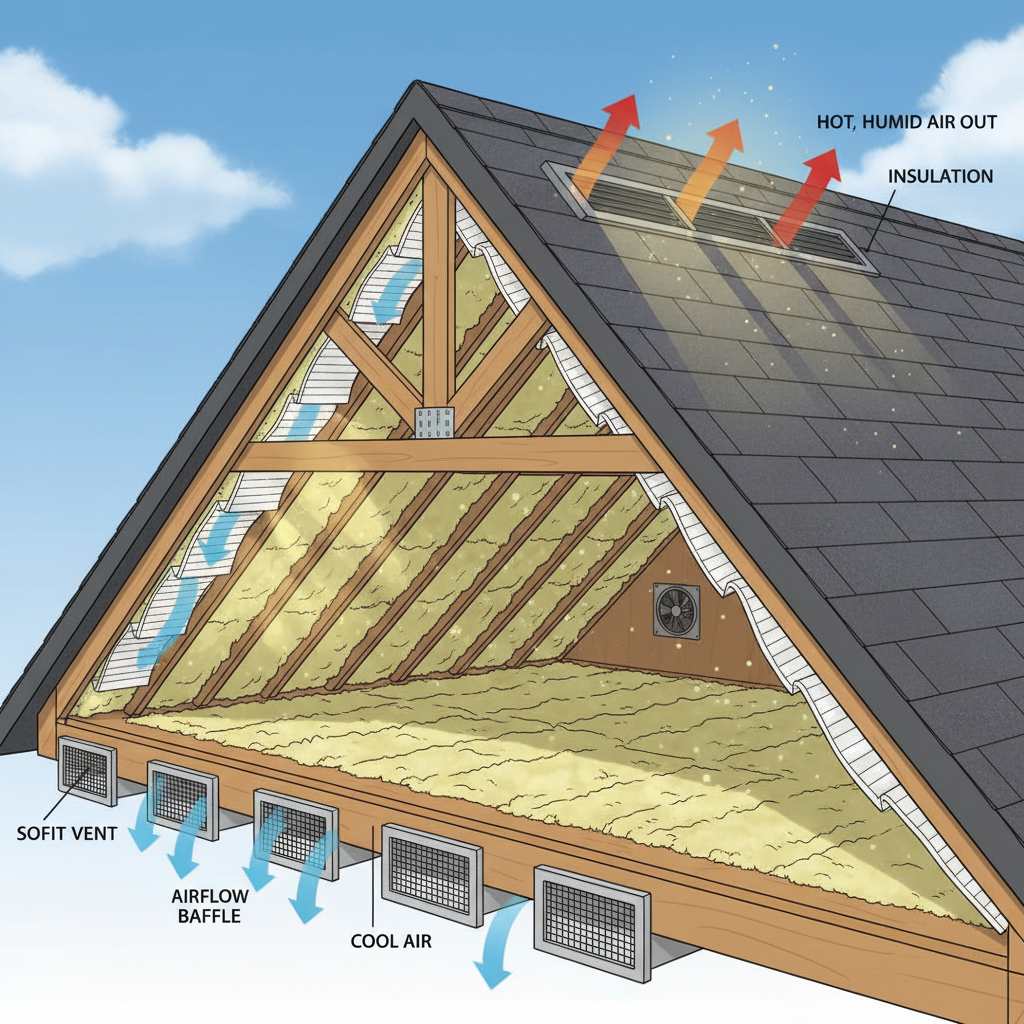
Attic ventilation is not merely about moving air around; it’s a sophisticated system designed to maintain optimal temperature and humidity levels within your attic space. This delicate balance is vital for several reasons, impacting everything from your roof’s longevity to your family’s comfort.
Protecting Your Roof’s Lifespan
One of the primary functions of attic ventilation is to regulate the temperature of your roof deck. In summer, proper airflow expels superheated air that builds up, preventing it from baking the underside of your roof shingles. Excessive heat can cause shingles to curl, crack, and degrade prematurely, significantly shortening the lifespan of your entire roofing system. In winter, ventilation helps to keep the roof deck cold, preventing snow from melting and refreezing into destructive ice dams.
Preventing Moisture Buildup and Mold Growth
Moisture is the silent enemy of any home, and the attic is particularly susceptible. Everyday activities like showering, cooking, and doing laundry introduce moisture into the air, which can migrate into the attic. Without adequate ventilation, this humid air becomes trapped, condensing on cooler surfaces like roof rafters and insulation. This creates a perfect breeding ground for mold and mildew, which can cause unpleasant odors, degrade building materials, and pose potential health risks. Proper ventilation continuously cycles out moist air, keeping the attic dry and inhospitable to fungal growth. To learn more about maintaining a healthy home environment and preventing common issues, resources like Better Homes & Gardens offer valuable insights on home maintenance tips.
Boosting Energy Efficiency and Comfort
A poorly ventilated attic acts like a giant radiator in summer, transferring oppressive heat into your living spaces. This forces your air conditioning system to work harder and longer to maintain a comfortable indoor temperature, leading to significantly higher energy bills. In winter, an unventilated attic can contribute to heat loss from your living areas, causing your furnace to overcompensate. Effective attic ventilation helps to normalize attic temperatures, reducing the strain on your HVAC system and cutting down on heating and cooling costs year-round, contributing significantly to your home’s energy efficiency.
Safeguarding Your Home’s Structure
Beyond the roof, the structural components of your attic—joists, rafters, and sheathing—are vulnerable to prolonged exposure to moisture and extreme temperatures. Rotting wood caused by persistent dampness can compromise the structural integrity of your roof and ceiling. Similarly, repeated expansion and contraction due to drastic temperature swings can weaken connections and materials over time. Proper ventilation mitigates these risks, preserving the structural soundness of your home.
Signs Your Attic Ventilation Isn’t Functioning Properly
Recognizing the symptoms of a dysfunctional attic ventilation system early can save you significant time, money, and stress. Pay attention to these common indicators that your attic ventilation isn’t functioning as it should.
Sky-High Energy Bills
This is often the first and most noticeable sign. If your heating and cooling costs are inexplicably rising, especially during extreme weather, a failing attic ventilation system could be a major culprit. Your HVAC system is constantly battling against the unconditioned air in your attic, draining more power in the process.
Overheating Upper Floors
Does the second floor of your home feel significantly hotter than the first, even with the air conditioning running full blast? This “stack effect” is exacerbated by a superheated attic. The hot air radiating from the attic warms the ceilings and walls of upper rooms, making them uncomfortable and difficult to cool.
Visible Mold or Mildew
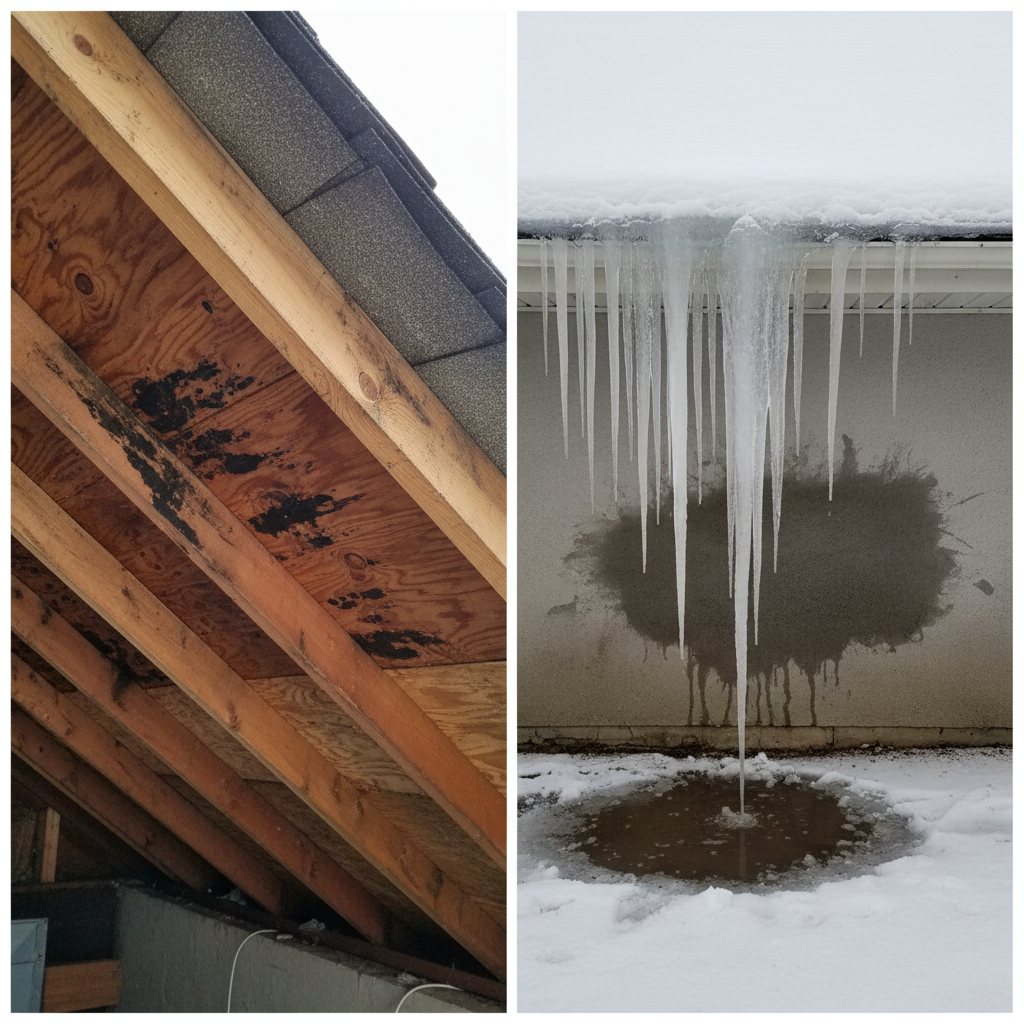
Conducting periodic visual inspections of your attic is crucial. Look for any signs of black, green, or white fuzzy patches on the underside of your roof deck, rafters, insulation, or stored items. A musty smell often accompanies mold growth, even if it’s not immediately visible. This is a clear indicator of excessive moisture accumulation.
Damaged Shingles and Roof Deck
Inspect your roof from the ground (or safely from a ladder). Are shingles curling, buckling, cracking, or showing signs of premature deterioration? These issues can be accelerated by an overheated attic. Inside the attic, look for water stains or soft spots on the roof sheathing, which suggest water infiltration or condensation issues.
Persistent Ice Dams in Winter
In colder climates, ice dams are a tell-tale sign of poor attic ventilation and inadequate insulation. They form when heat escapes from your living space into the attic, warming the roof deck and melting snow. The melted water then runs down to the colder eaves and refreezes, creating a ridge of ice that can force water back under shingles, leading to leaks and interior water damage.
Unpleasant Musty Odors
A damp, musty smell emanating from your attic or even seeping into your living spaces is a strong indicator of moisture problems, often linked to ineffective ventilation. This odor is typically caused by mold or mildew growing in the humid environment.
Common Reasons Your Attic Ventilation Fails
Identifying that your attic ventilation isn’t functioning is the first step; understanding *why* it’s failing is the next. Several factors can contribute to a compromised ventilation system.
Blocked Soffit Vents
Soffit vents, located under the eaves of your roof, are crucial for allowing fresh air into the attic. They can become blocked by insulation pushed too far into the eaves during installation, bird nests, insect screens clogged with dust and debris, or even paint from exterior renovations. Without adequate intake, the entire ventilation system cannot function efficiently.
Insufficient Ventilation System Design
Sometimes, the problem isn’t a blockage but rather an undersized or improperly designed system from the start. A home might simply not have enough vents (soffit, ridge, or gable) to adequately exchange the volume of air required for the attic’s size and climate. This can also occur if renovations have added to the attic’s volume without a corresponding increase in ventilation.
Mechanical Fan Failure
If your attic relies on a powered attic fan (either thermostat-controlled or solar-powered), a mechanical failure can bring its ventilation capabilities to a halt. The motor might burn out, the thermostat could malfunction, or electrical connections could fail. A quick check involves listening for the fan’s operation or visually inspecting its blades.
Improperly Installed or Sized Vents
Even if the number of vents seems sufficient, their placement and installation are critical. Vents that are installed incorrectly, or are the wrong size for the roof pitch and attic volume, will not perform optimally. For instance, exhaust vents placed too low on the roof can recirculate hot air rather than expelling it effectively.
Insulation Blocking Airflow
While insulation is vital for thermal regulation, if it’s not properly installed, it can become a barrier to airflow. Blown-in insulation can easily migrate and block soffit vents without proper baffles or channels to maintain an air gap. This effectively chokes off the intake side of the ventilation system.
Outdated or Damaged Components
Over time, ventilation components can degrade. Plastic vents can become brittle and crack, metal vents can rust, and screens can tear, allowing debris or pests to enter and obstruct airflow. Older homes may have outdated systems that are simply not up to modern energy efficiency standards.
Troubleshooting Your Attic Ventilation Issues: A Step-by-Step Guide
Before calling a professional, there are several steps you can take to assess your attic ventilation system. Always prioritize safety when entering an attic, especially concerning heat, potential pests, and precarious footing.
Visual Inspection: What to Look For
- From the Exterior: Walk around your home and visually inspect all visible vents – soffit, ridge, gable, and roof turbines. Look for physical damage, blockages (like leaves or bird nests), or signs of deterioration.
- From the Interior (Attic): With proper lighting and safety gear, carefully enter your attic. Look for signs of moisture, mold, water stains, or a strong musty odor. Check the underside of your roof deck for any dark patches or rot.
Checking Soffit and Ridge Vents
- Soffit Vents: From the attic, shine a flashlight towards the soffit areas. Ensure that insulation is not blocking the vents. If it is, you’ll need to install or adjust insulation baffles (also known as rafter vents) to maintain a clear air channel from the soffit to the attic space.
- Ridge Vents: These are vents running along the peak of your roof. From the attic, you should see light coming through if they are clear. From the exterior, ensure they aren’t cracked or clogged with debris.
Assessing Attic Fan Functionality
If you have a powered attic fan, test its operation. During a hot day, if the fan is thermostat-controlled, it should kick on when the attic reaches a certain temperature. If it doesn’t, check the circuit breaker, and then the thermostat setting. If these aren’t the issue, the motor might be faulty and require professional attention.
Examining Insulation for Obstructions
Carefully check the perimeter of your attic where the insulation meets the roof eaves. Ensure that the insulation is not packed tightly against the roof deck, especially over the soffit vents. If it is, gently move it away and consider installing baffles to prevent future blockages and ensure proper airflow. These baffles create a channel for air to move freely from the soffit vents up into the attic.
Considering Professional Inspection
If you’ve conducted these checks and still can’t pinpoint the problem, or if you’re uncomfortable performing these tasks, it’s time to call a professional. Roofing contractors, HVAC specialists, or home energy auditors can conduct a thorough assessment of your attic ventilation system, often using specialized tools like thermal cameras to identify heat buildup and airflow issues.
Solutions for a Dysfunctional Attic Ventilation System
Once the cause of your attic ventilation problems has been identified, various solutions can restore your system to optimal performance.
Clearing Obstructions
The simplest and often most effective solution is to remove any blockages. This includes cleaning out soffit vents, ensuring insulation baffles are in place and clear, and removing debris from ridge or gable vents. Regular maintenance can prevent these issues from recurring.
Upgrading Ventilation Components
If existing vents are damaged, outdated, or insufficient, consider upgrading them. Replacing old, clogged soffit vents with new, more efficient models can significantly improve intake. Installing a continuous ridge vent, paired with adequate soffit intake, is often considered the most effective passive ventilation system.
Adding or Replacing Attic Fans
For attics with significant heat buildup, a properly sized and installed powered attic fan can be a game-changer. Ensure the fan is thermostat-controlled to operate only when needed, and that it has adequate intake (e.g., sufficient soffit vents) to avoid creating negative pressure that could draw conditioned air from your home. If you have an existing fan that has failed, replacing it with an energy-efficient model will restore active ventilation.
Improving Insulation Practices
Ensure your attic insulation is properly installed and not obstructing airflow. If you have blown-in insulation, verify that insulation baffles are installed at the eaves to maintain the critical air gap above the soffit vents. Adding more insulation might also be necessary, but always ensure it complements, rather than hinders, your ventilation system.
Consulting a HVAC or Roofing Professional
For complex issues, or if you’re unsure about the best course of action, professional help is invaluable. A qualified roofing contractor can assess the entire roof and ventilation system, while an HVAC technician can evaluate the impact on your home’s overall heating and cooling. They can recommend the most appropriate and cost-effective solutions, from minor repairs to a complete overhaul of your ventilation strategy.
Maintaining Optimal Attic Ventilation
Once your attic ventilation system is functioning properly, regular maintenance is key to preventing future problems.
Regular Inspections
Make it a habit to inspect your attic and roof ventilation components at least once a year, preferably in the spring and fall. Look for debris, damage, or signs of pests. A quick visual check can catch minor issues before they become major headaches.
Cleaning Vents Annually
Clear out any accumulated dust, leaves, or insect nests from soffit, ridge, and gable vents. Ensure screens are intact to prevent pests from entering. Use a soft brush or vacuum for soffit vents, and carefully check exterior vents from a safe vantage point.
Addressing Repairs Promptly
Don’t put off repairs. A small crack in a vent cover or a minor obstruction can quickly lead to bigger problems down the line. Prompt attention to any issues will ensure your attic ventilation system continues to operate efficiently and effectively.
The Long-Term Benefits of a Well-Ventilated Attic
Investing in and maintaining a properly functioning attic ventilation system offers numerous long-term benefits that extend far beyond simply moving air. It contributes to a healthier, more comfortable, and more energy-efficient home. You’ll enjoy lower utility bills, a longer-lasting roof, reduced risk of mold and structural damage, and enhanced indoor air quality. By paying attention to this often-neglected part of your home, you’re investing in its overall longevity and the well-being of its occupants.
FAQs About Attic Ventilation
How do I know if my attic needs more ventilation?
Key indicators include excessively high energy bills, upper floors that are significantly warmer than lower floors, visible signs of mold or mildew in the attic, premature shingle deterioration, or persistent ice dams on your roof in winter. A professional home energy audit can also provide a definitive assessment.
Can I fix attic ventilation issues myself?
Some basic issues, like clearing blocked soffit vents or ensuring insulation isn’t obstructing airflow, can often be handled by a DIY enthusiast. However, complex problems like insufficient system design, mechanical fan failure, or roof-mounted vent replacement usually require the expertise of a professional roofing contractor or HVAC technician to ensure proper installation and safety.
What is the ideal temperature for an attic?
Ideally, an attic’s temperature should be as close as possible to the outside air temperature. In summer, good ventilation prevents the attic from becoming significantly hotter than the exterior. In winter, it helps keep the attic cold, preventing heat loss from living spaces below and minimizing the risk of ice dam formation.
How often should I check my attic ventilation?
It’s recommended to perform a visual inspection of your attic ventilation system at least once a year, ideally in the spring or fall. However, if you notice any of the signs of poor ventilation mentioned above (like higher energy bills or discomfort), you should check it immediately.
Conclusion
When your attic ventilation isn’t functioning as intended, it creates a domino effect of problems that can compromise your home’s integrity, comfort, and energy efficiency. From protecting your roof to preventing harmful mold, the importance of a well-ventilated attic cannot be overstated. By understanding the signs of trouble, proactively troubleshooting common issues, and seeking professional help when needed, you can ensure your home’s attic remains a healthy, functional space. Don’t let an unseen problem in your attic silently undermine your home; give this vital system the attention it deserves.