Understanding Roof Plywood Swelling: The Silent Threat Above
Roof plywood, or roof sheathing, forms the essential sub-surface of your roof, providing a stable deck for shingles and contributing to the overall structural rigidity of your home. Typically made from oriented strand board (OSB) or plywood panels, it’s designed to withstand significant stress. However, when exposed to excessive moisture, these wood-based panels can absorb water, causing the material to expand, warp, and deform – a process known as swelling. This isn’t merely an aesthetic concern; it’s a structural vulnerability that can lead to a cascade of problems if left unaddressed.
The integrity of your roof sheathing directly impacts the effectiveness and lifespan of your entire roofing system. When the sheathing swells, it creates an uneven surface that puts stress on shingles, causing them to crack, buckle, or lift prematurely. This breakdown of the protective layer then invites more moisture, accelerating the damage and creating a vicious cycle. Recognizing the signs early can save homeowners considerable expense and stress down the line.
Causes of Roof Plywood Swelling: What Triggers the Expansion?
Identifying the root cause of roof plywood swelling is the first step toward effective remediation. Most commonly, this issue stems from moisture intrusion, but other factors can also contribute.
Moisture Infiltration: The Primary Culprit
Water is the ultimate enemy of wood products, and its presence in the attic or roof deck area is almost always the direct cause of swollen sheathing.
-
Leaky Roof Components: The most obvious source of water is a direct leak from the roof above. This can originate from various points:
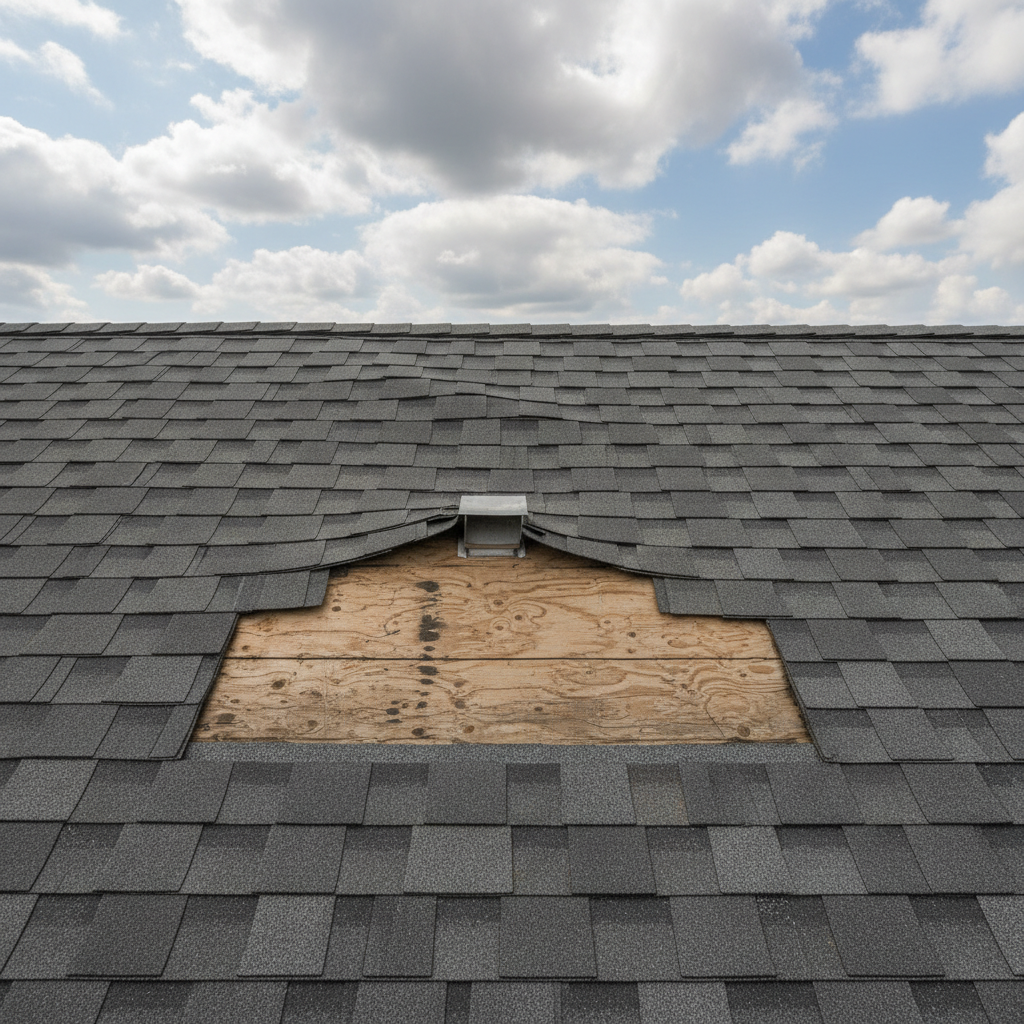
- Damaged Shingles: Cracked, missing, or improperly installed shingles create pathways for water.
- Compromised Flashing: Flashing around chimneys, skylights, vents, and valleys is designed to divert water. If it’s old, bent, corroded, or incorrectly installed, water can seep underneath.
- Sealant Failure: Any penetrations through the roof (vents, pipes, antennas) rely on sealants that can degrade over time, creating entry points for water.
-
Poor Attic Ventilation: A well-ventilated attic is crucial for regulating temperature and humidity. Without proper airflow, warm, moist air rising from the living spaces below can become trapped in the attic. As this air cools, it condenses on the underside of the cold roof sheathing, leading to chronic moisture exposure and eventual swelling. This is particularly prevalent in colder climates during winter months.
-
Inadequate Insulation: Poor or insufficient insulation between the living space and the attic can exacerbate condensation problems. Heat escaping into the attic warms the air, which then holds more moisture. When this warm, moist air meets a cold roof deck, condensation occurs.
-
Ice Dams: In snowy regions, ice dams form when heat escaping from the attic melts snow on the roof, which then refreezes at the colder eaves. These dams prevent meltwater from draining off the roof, causing it to back up under shingles and onto the roof sheathing, leading to significant water saturation.
-
Damaged Gutters or Downspouts: While not directly on the roof sheathing, overflowing gutters can direct water back onto fascia boards and under the eaves, potentially reaching the sheathing or attic space.
Manufacturing Defects or Poor Quality Materials
While less common with modern roofing plywood, sometimes the sheathing itself may be of inferior quality or not rated for exposure to moisture. Delamination of plywood layers can occur if the adhesives are weak or if the material has been improperly stored before installation.
Improper Installation Practices
Even the best materials can fail if not installed correctly. For roof sheathing, proper spacing between panels is vital. Wood expands and contracts with changes in temperature and humidity. If plywood sheets are installed too tightly together without a small gap (typically 1/8 inch), they have no room to expand. This can cause them to buckle and warp, creating an effect similar to moisture-induced swelling.
Age and Environmental Wear
Over decades, even well-maintained roofs can experience wear and tear. Constant exposure to temperature fluctuations, UV radiation, and environmental stressors can degrade roofing materials, making them more susceptible to moisture intrusion and leading to eventual sheathing degradation.
How to Identify Roof Plywood Swelling: Signs and Symptoms
Early detection of roof plywood swelling can prevent minor issues from escalating into major structural damage. Homeowners should regularly inspect both the exterior and interior of their roof and attic for telltale signs.
Visual Cues from the Exterior
-
Wavy or Uneven Roofline: Stand back from your house and observe the roofline. If sections appear wavy, rippled, or uneven, it’s a strong indicator that the underlying sheathing is warping or buckling.
-
Buckling or Lifted Shingles: Swollen sheathing creates an uneven surface that forces shingles to lift or buckle. Look for areas where shingles are not lying flat against the roof deck.
-
Cracked or Broken Shingles: The stress from a deformed roof deck can cause shingles to crack, especially along their length or at weak points. This also creates immediate pathways for more water.
-
Visible Sagging: In severe cases, particularly if water damage has been ongoing, you might notice visible sagging in sections of the roof. This indicates significant structural compromise of the sheathing.
-
Discoloration or Algae Growth: While not always directly linked to swelling, patches of dark discoloration, moss, or algae on certain roof sections can indicate prolonged moisture retention in those areas, which may affect the underlying sheathing.
Signs in the Attic or Interior
The attic is often where the earliest and most direct evidence of roof plywood swelling can be found.
-
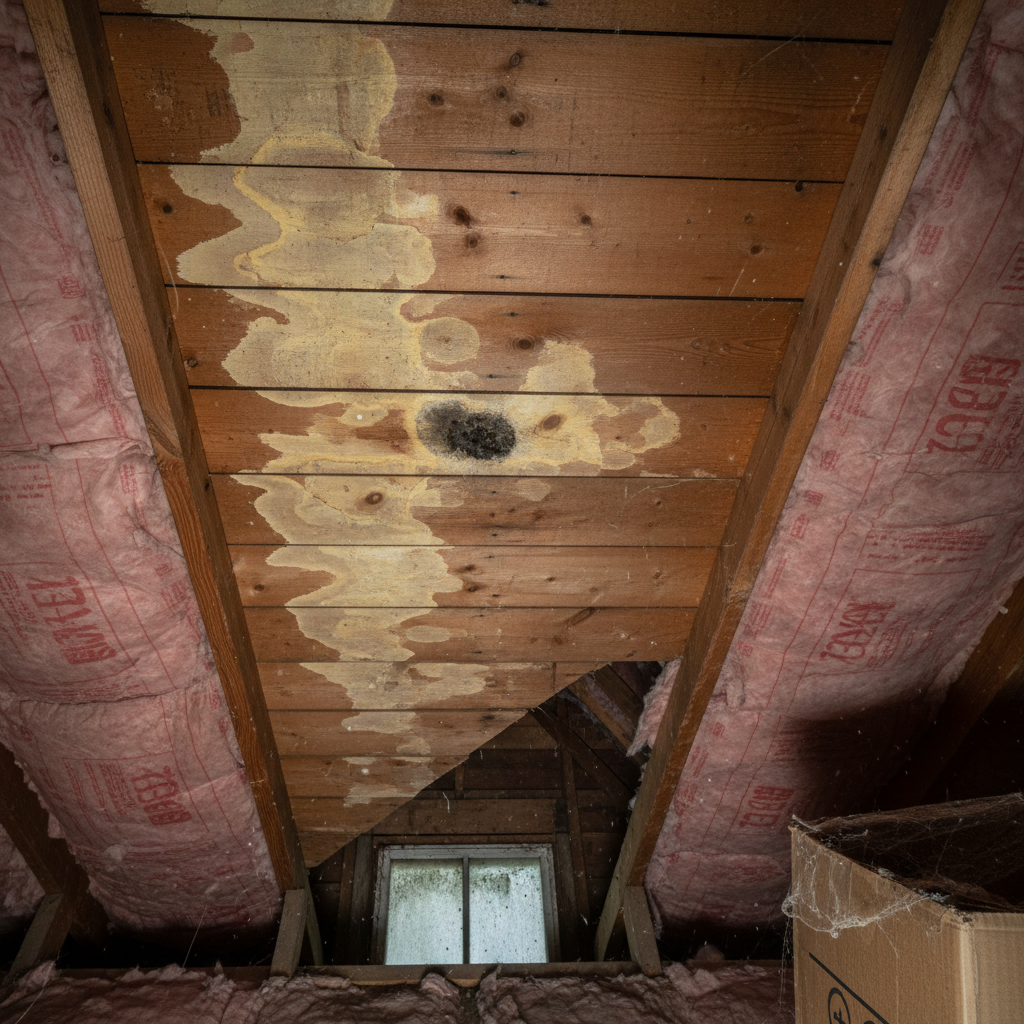
Visible Stains or Discoloration on Plywood: Water stains (yellow, brown, or black) on the underside of the roof sheathing are clear indicators of past or present moisture intrusion. Even if dry now, these stains show a history of water exposure that could have caused swelling.
-
Musty Odors: A persistent musty or damp smell in the attic is a classic sign of mold or mildew growth, which thrives in moist environments. Mold often accompanies water-damaged sheathing.
-
Mold or Mildew Growth: Look for black, green, or white fuzzy patches on the wood sheathing, rafters, or insulation. This is a definitive sign of moisture problems and can lead to structural decay and health issues.
-
Soft or Spongy Spots: Carefully (and safely) press on the plywood sheathing in various areas. If it feels soft, spongy, or gives way easily, the wood has likely deteriorated due to prolonged moisture exposure.
-
Sagging or Distorted Ceiling Below: In severe cases where the roof sheathing damage is extensive and water has penetrated further, you might see water stains, sagging, or cracks on the ceilings of the rooms directly below the attic.
-
Increased Pest Activity: Moisture-damaged wood attracts pests like termites, carpenter ants, and rodents. An unexplained increase in pest presence in the attic could be a symptom of underlying moisture issues.
Professional Inspection
If you suspect roof plywood swelling but are unsure, or if you cannot safely access your attic or roof, it is always best to consult with a qualified roofing professional. They have the experience and equipment to safely and accurately diagnose the problem and recommend appropriate solutions.
The Risks and Consequences of Swollen Roof Plywood
Ignoring swollen roof sheathing can lead to a cascade of expensive and potentially dangerous problems for your home and its inhabitants. The risks extend far beyond mere aesthetics.
Compromised Structural Integrity
The roof sheathing plays a crucial role in the structural support of your roof. When it swells and warps, it loses its rigidity and strength. This weakens the entire roof structure, making it more vulnerable to heavy snow loads, strong winds, and even seismic activity. In extreme cases, severely damaged sheathing can lead to partial or complete roof collapse, posing an immediate danger to anyone inside.
Water Leaks and Interior Damage
Swollen sheathing creates an uneven surface that prevents shingles from sealing properly. This allows water to penetrate the roof system more easily, leading to leaks into your attic and home interior. Water damage can ruin:
- Ceilings and Walls: Causing stains, peeling paint, drywall damage, and plaster failure.
- Insulation: Wet insulation loses its R-value, becoming ineffective and heavy, potentially collapsing ceilings.
- Electrical Systems: Water and electricity are a dangerous combination, risking short circuits, fires, and electrocution.
- Personal Belongings: Furniture, flooring, and cherished possessions can be irreparably damaged.
Mold and Mildew Growth: Health Hazards
Moisture-saturated roof sheathing and insulation create an ideal breeding ground for mold and mildew. Beyond the musty odors and unsightly stains, mold can release spores that cause a range of health problems, especially for individuals with allergies, asthma, or compromised immune systems. Symptoms can include respiratory issues, skin irritation, headaches, and fatigue. Remediation of extensive mold growth can be a costly and complex process.
Reduced Roof Lifespan and Premature Replacement
A roof with compromised sheathing will not last its intended lifespan. The integrity of the entire roofing system is dependent on a sound deck. Swollen sheathing puts undue stress on all other components, accelerating their wear and requiring premature roof replacement, which is one of the most significant expenses a homeowner faces.
Energy Inefficiency
When roof sheathing is swollen due to moisture and condensation, it’s often accompanied by compromised attic insulation. Wet or compressed insulation loses its ability to regulate temperature, leading to increased heat loss in winter and heat gain in summer. This forces your HVAC system to work harder, resulting in higher energy bills and reduced indoor comfort.
Pest Infestations
Moist, decaying wood is highly attractive to various pests. Termites, carpenter ants, and even rodents are drawn to damp environments. These pests can further damage the structural integrity of your roof sheathing and other wooden components, creating even more problems for your home.
Preventing Roof Plywood Swelling: Proactive Measures
Prevention is always better than cure, especially when it comes to roof issues. Implementing a proactive maintenance strategy can significantly reduce the risk of roof plywood swelling.
Regular Roof Inspections and Maintenance
Schedule professional roof inspections annually or biennially. A trained eye can spot minor issues like cracked shingles, deteriorating flashing, or sealant failures before they lead to major moisture problems. Between professional inspections, homeowners should perform visual checks from the ground after major storms or seasonal changes. Addressing small repairs promptly is key to preventing larger issues. For instance, replacing a few missing shingles immediately can prevent widespread water damage to the sheathing below.
Ensure Adequate Attic Ventilation
Proper attic ventilation is paramount for preventing condensation. A balanced ventilation system includes both intake vents (typically in the soffits) and exhaust vents (ridge vents, static vents, or power vents) to create continuous airflow. This airflow expels warm, moist air from the attic, preventing it from condensing on the underside of the roof sheathing. If your attic feels hot and stuffy in summer or shows signs of frost in winter, your ventilation may be inadequate. HGTV offers valuable insights on improving attic ventilation to protect your home.
Proper Insulation and Vapor Barriers
Ensure your attic has adequate and properly installed insulation. Insulation acts as a thermal barrier, preventing heat and moisture from rising into the attic from the living spaces below. In colder climates, a vapor barrier installed on the warm side of the ceiling insulation is crucial to prevent moisture vapor from migrating into the attic where it can condense.
Address Leaks Promptly
Any signs of a leak – even a small drip or a subtle water stain – should be investigated and repaired immediately. Don’t wait for the problem to worsen. Timely repair of damaged shingles, flashing, or sealants can stop moisture infiltration before it reaches and saturates the roof sheathing.
Prevent Ice Dams
In regions prone to snow, preventing ice dams is critical. This involves:
- Improving Attic Ventilation: To keep the roof deck uniformly cold.
- Sealing Air Leaks: Preventing warm air from escaping into the attic from the living space.
- Adequate Insulation: To prevent heat transfer from the living space to the attic.
- Consider Heat Cables: In persistent problem areas, self-regulating heat cables can be installed along the eaves to melt channels for water drainage.
Maintain Gutters and Downspouts
Keep your gutters clean and free of debris. Clogged gutters can overflow, directing water back onto the fascia boards, eaves, and potentially into the attic space, especially during heavy rains. Ensure downspouts direct water away from the foundation of your home.
Correct Plywood Installation
When installing or replacing roof sheathing, always ensure that proper spacing is maintained between plywood panels (typically 1/8 inch gap). This allows for thermal expansion and contraction without causing buckling or warping.
Use High-Quality Materials
When building a new roof or undertaking a major repair, opt for high-quality, exterior-grade plywood or OSB that is designed for roofing applications. While not always possible for existing structures, this choice minimizes future problems.
Repairing Swollen Roof Plywood: What Are Your Options?
Once roof plywood swelling has been detected, addressing it promptly is essential. The repair strategy will depend on the extent and severity of the damage.
Assessment of Damage
The first step is a thorough assessment to determine if the damage is localized (e.g., one small area affected by a single leak) or widespread (e.g., significant portions of the roof deck due to chronic ventilation issues). A professional roofer can help with this assessment.
Patching Small, Superficial Areas (Caution Advised)
For very minor, superficial swelling with no structural compromise, some sources might suggest patching. However, this is rarely a recommended solution for roof sheathing. Plywood that has swollen has often lost its structural integrity and attempting to “patch” it without addressing the underlying moisture saturation and deformation is generally ineffective and temporary. The best practice is almost always removal and replacement.
Replacing Damaged Sections: The Most Common Solution
For most cases of roof plywood swelling, especially when there’s visible warping, softness, or mold, the recommended course of action is to cut out and replace the damaged sections. This process typically involves:
-
Removing Roofing Materials: Shingles, underlayment, and any other roofing components directly above the affected sheathing must be carefully removed.
-
Cutting Out Affected Areas: The damaged plywood or OSB panels are carefully cut out, ensuring that all compromised material is removed. The cuts should be made cleanly and typically align with existing rafters or blocking for support.
-
Installing New Plywood: New, appropriately sized and type-matched plywood or OSB panels are then installed. It’s crucial that these new panels are properly spaced (1/8 inch gap) to allow for expansion and contraction, preventing future buckling.
-
Proper Fastening: The new sheathing must be securely fastened to the rafters or trusses using appropriate nails or screws, following building code specifications for spacing and type.
-
Re-installing Roofing Materials: Once the sheathing is replaced, new underlayment, flashing, and shingles are installed, ensuring the roof is watertight and restored to its full protective capacity.
Addressing the Root Cause: Non-Negotiable
Replacing swollen sheathing without addressing the underlying cause of moisture intrusion is futile. The new sheathing will inevitably suffer the same fate. Therefore, simultaneous to the repair, you must:
- Repair any roof leaks (shingles, flashing, sealants).
- Improve attic ventilation (add or adjust soffit, ridge, or gable vents).
- Enhance attic insulation or vapor barriers if condensation was the issue.
- Clear gutters and ensure proper drainage.
- Remove any ice dam culprits.
When to Call a Professional
While some homeowners are skilled in DIY, roof repairs, especially those involving structural components like sheathing, are best left to professionals. Here’s why:
- Safety: Working on a roof is inherently dangerous. Professionals have the right safety equipment and training.
- Expertise: They can accurately diagnose the problem, identify the root cause, and ensure repairs meet building codes.
- Warranty: Professional work often comes with warranties, providing peace of mind.
- Extent of Damage: If the damage is widespread, involves structural components, or is accompanied by mold, professional intervention is critical.
FAQs About Roof Plywood Swelling
Can swollen plywood shrink back to its original shape?
No, once plywood or OSB has significantly swollen due to moisture absorption, it will not typically shrink back to its original, flat shape, even if dried out. The wood fibers and adhesives become permanently deformed, leading to a compromised, uneven surface and weakened structural integrity. Attempting to dry it out without replacement is usually not an effective long-term solution.
Is swollen roof plywood an emergency?
It depends on the severity. Minor, localized swelling might not be an immediate emergency, but it should be addressed promptly to prevent it from worsening. Extensive swelling, visible sagging, active leaks, or accompanying mold growth can be an emergency, indicating significant structural compromise and potential health risks. In such cases, immediate professional assessment is crucial.
How much does it cost to fix swollen roof plywood?
The cost varies widely based on the extent of the damage, the accessibility of the area, the type of sheathing, the current roofing material, and local labor rates. A small, localized repair might cost a few hundred dollars, while widespread replacement of sheathing across a large section of the roof, along with shingle replacement and addressing the root cause, could run into several thousands of dollars. Always get multiple quotes from reputable roofing contractors.
Can I ignore minor swelling?
No. Even minor swelling indicates a moisture problem that, if left unaddressed, will almost certainly worsen over time. It can lead to further water intrusion, mold growth, and eventually compromise the structural integrity of your roof, leading to more expensive and extensive repairs down the line. It’s best to address any signs of swelling as soon as they are discovered.
What type of plywood is best for roofing?
For roof sheathing, both plywood and Oriented Strand Board (OSB) are commonly used. Both come in various grades and thicknesses. Exterior-grade plywood (often CDX or similar) or rated OSB panels specifically designed for roofing applications are recommended. These are manufactured with moisture-resistant adhesives and are designed to withstand the rigors of exterior exposure before final roofing materials are applied. Marine-grade plywood is generally overkill and much more expensive for standard roofing applications.
Conclusion
Roof plywood swelling is more than just a cosmetic flaw; it’s a serious indicator of underlying moisture issues that threaten the very structure and safety of your home. From compromised integrity and increased energy bills to potential health hazards from mold, the repercussions of ignoring this problem are substantial. By understanding the causes, recognizing the warning signs, and taking proactive steps in maintenance and repair, you can protect your roof and ensure the long-term health and stability of your home. Don’t let a silent threat above become a costly crisis below – vigilance and timely action are your best allies in safeguarding your most valuable asset.