Why is Your Porch Roof Sagging? Common Causes
Understanding the root cause of your sagging porch roof is the first critical step toward an effective solution. Several factors, often acting in concert, can contribute to this concerning structural problem.
Water Damage and Rot
Water is often the silent destroyer of home structures. Leaky gutters, poor drainage, or inadequate flashing can allow water to seep into the roof’s framing, support beams, or columns. Over time, this moisture leads to wood rot, weakening the structural members until they can no longer bear the load of the roof above. Rotten wood becomes soft, brittle, and loses its compressive strength, leading directly to sagging.
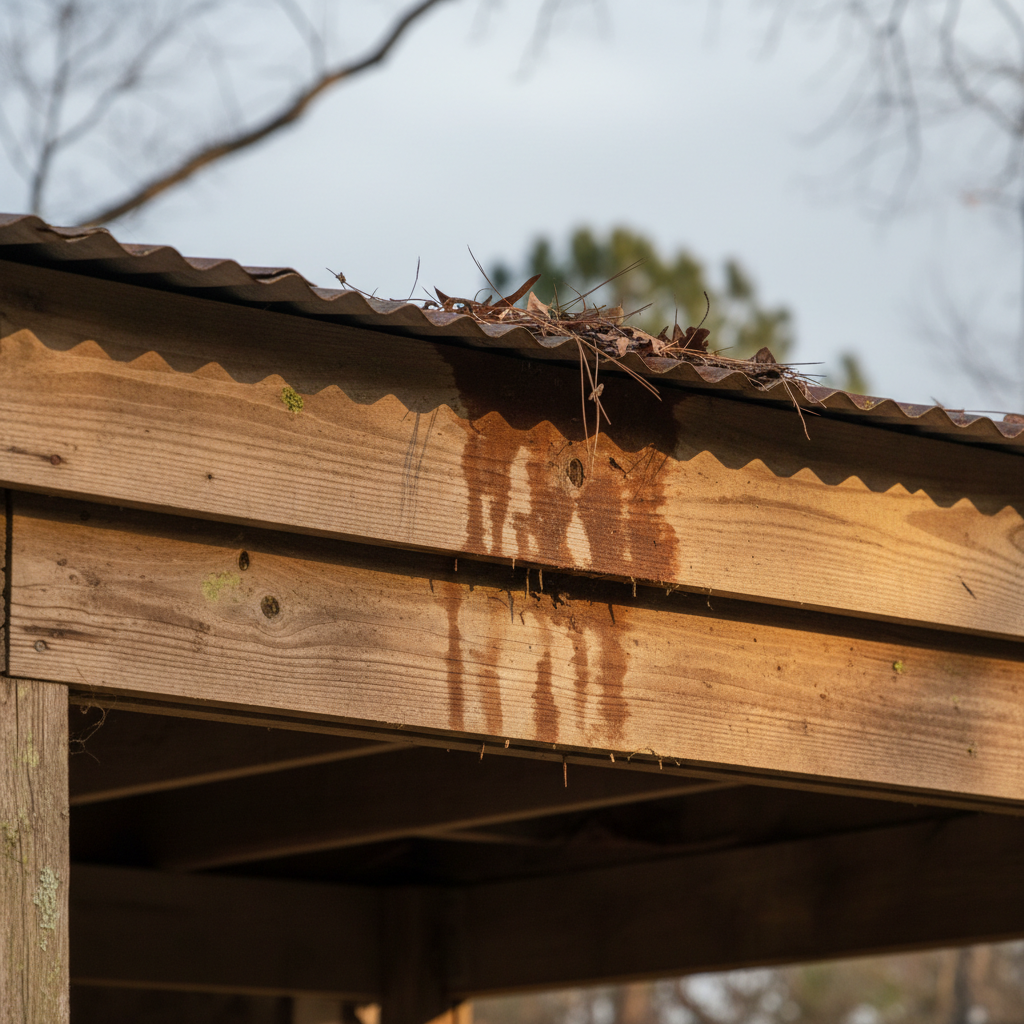
- Leaky Gutters: Clogged or damaged gutters can cause water to overflow and constantly drip onto fascia boards, joists, and beams.
- Damaged Roofing Material: Missing shingles, cracked flashing, or worn-out roofing can allow water to penetrate the roof deck.
- Poor Drainage: If water pools on the porch roof due to improper pitch or inadequate drainage systems, it can accelerate material degradation.
Foundation Issues
The foundation beneath your porch columns or walls provides crucial support for the entire porch structure, including its roof. If the foundation settles unevenly, cracks, or shifts due to soil movement, poor drainage, or improper construction, the supports above it will also shift. This displacement can cause the porch columns to sink or lean, subsequently pulling down and causing the porch roof to sag.
- Soil Instability: Expansive clay soils, erosion, or poor compaction can lead to foundation settlement.
- Tree Roots: Large tree roots growing too close to the foundation can exert pressure or absorb moisture, leading to soil changes.
- Inadequate Footings: If the original footings were not properly designed or installed for the load or soil conditions, they can fail over time.
Improper Original Construction
Sometimes, the problem isn’t due to age or damage but rather flaws in the initial construction. If the porch roof was not designed or built to code, or if shortcuts were taken, it may never have had sufficient support from day one. This could include:
- Undersized Beams or Joists: Using timbers that are too small for the span or load they need to carry.
- Improper Fastening: Connections between structural members might be weak or inadequate.
- Incorrect Pitch: A roof with an insufficient pitch can collect water and debris, adding weight and stress.
Insufficient Support Structures
A porch roof relies on sturdy columns, posts, and header beams for its stability. If these supports are too far apart, too thin, or made of unsuitable materials, they may not be able to adequately distribute the roof’s weight. Over time, the constant downward pressure can cause these supports to bow, crack, or compress, leading to a noticeable sag in the roofline.
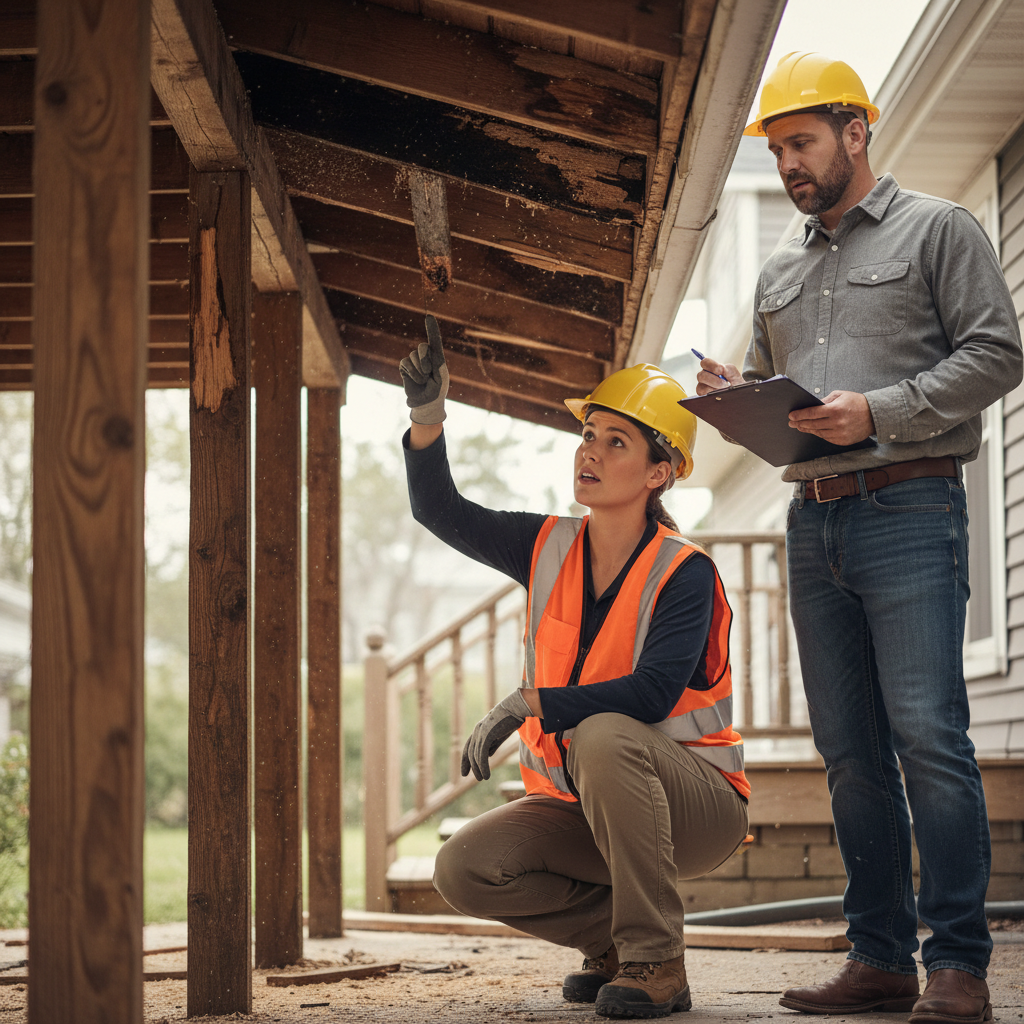
- Too Few Columns: An insufficient number of support columns for the span of the roof.
- Weak Column Material: Columns made from materials not strong enough for the load, or those that have deteriorated internally.
- Header Beam Failure: The main beam supporting the roof joists may be undersized or have succumbed to rot or structural fatigue.
Age and Wear and Tear
Even a well-built porch will eventually succumb to the ravages of time and exposure to the elements. Wood can dry out, crack, and become brittle. Fasteners can loosen, and the cumulative effects of expansion, contraction, UV radiation, and continuous load can gradually weaken the entire structure, resulting in a sag.
Excessive Weight (Snow, Debris)
While most porch roofs are designed to handle typical weather conditions, extreme events or prolonged neglect can exceed their structural capacity. Heavy snowfall, especially wet, dense snow, can place enormous stress on a roof. Similarly, an accumulation of leaves, branches, or even standing water (due to poor drainage) can add significant weight, accelerating the sagging process, particularly if underlying weaknesses already exist.
Pest Infestation
Termites, carpenter ants, and other wood-boring insects can cause extensive damage to the internal structure of your porch roof. These pests tunnel through and consume wood, hollowing out beams, joists, and columns from the inside out. By the time visible signs like sagging appear, the damage can be substantial, compromising the structural integrity of the entire porch. Regular pest inspections are crucial for early detection and prevention.
The Dangers of a Sagging Porch Roof: Don’t Ignore It!
A sagging porch roof is more than just an aesthetic issue; it’s a glaring red flag indicating potential dangers to your home and loved ones. Ignoring this problem can lead to severe consequences.
Safety Hazards
The most immediate and critical danger is the risk of collapse. A structurally compromised porch roof could give way at any moment, especially under added stress from heavy rain, snow, or even strong winds. This poses a serious threat of injury or even fatality to anyone standing underneath or near the porch. Even a partial collapse can cause significant damage to the porch floor, railing, and foundation.
Further Structural Damage
A sagging roof often indicates that other parts of the porch, and potentially the main house structure, are under stress or have already sustained damage. The uneven distribution of weight can put undue strain on supporting walls, foundations, and even the connection points to your main home. This can lead to cracks in walls, misaligned doors and windows, and a domino effect of structural problems that are far more expensive and complex to fix than the initial sag.
For more insights into recognizing broader structural issues in your home, it’s beneficial to consult resources from reputable home improvement experts. HGTV offers a helpful guide on identifying and addressing serious structural problems, which can provide a broader context to your porch’s issues.
Diminished Curb Appeal and Property Value
First impressions matter, especially in real estate. A visibly sagging porch roof instantly signals neglect and potential structural problems to prospective buyers, significantly diminishing your home’s curb appeal and market value. It can be a deal-breaker, or at the very least, lead to lowball offers and extensive requests for repair during a home inspection.
Costly Repairs Down the Line
Delaying repairs will almost always result in higher costs. What might be a relatively simple fix for a localized sag can become a full-scale reconstruction project if the damage spreads. As structural components continue to fail, more materials will need replacing, and the labor required will increase substantially. Addressing the problem early can save you a significant amount of money and stress in the long run.
DIY or Professional? Assessing the Severity
When you notice your porch roof sagging, the first question is often: “Can I fix this myself?” The answer depends heavily on the severity and the underlying cause. For any structural issue, extreme caution is advised.
When to Call a Professional (Signs of Serious Damage)
For most cases of a sagging porch roof, especially when the sag is noticeable, widespread, or accompanied by other concerning signs, professional intervention is not just recommended, but essential. You should immediately contact a structural engineer or an experienced contractor if you observe:
- Significant Sag: A noticeable dip of several inches or more across a long span.
- Cracked or Bowed Beams/Columns: Visible cracks, splits, or bending in the main support elements.
- Rot or Pest Damage: Extensive signs of wood rot or active pest infestation in structural timbers.
- Foundation Issues: Cracks in the porch foundation, uneven settlement, or leaning columns.
- Widespread Damage: If the sag affects a large portion of the roof or multiple structural components.
- Uncertainty: If you’re unsure about the cause or the extent of the damage, always err on the side of caution and call an expert.
A structural engineer can accurately assess the damage, determine the root cause, and provide detailed repair plans. A qualified contractor specializing in structural repairs will then be able to execute these plans safely and effectively.
Minor Issues You Might Tackle (with Strong Caveat)
Very minor, superficial issues that are *not* structural might be within the realm of a skilled DIYer, but this is rare for a true “sag.” Examples of non-structural issues might include:
- Loose Roofing Material: Reattaching a few shingles that aren’t contributing to a structural sag.
- Clogged Gutters: Cleaning gutters to prevent future water buildup.
- Cosmetic Damage: Painting over superficial water stains once the underlying moisture source has been addressed.
However, *never* attempt to support or jack up a sagging roof without proper training, equipment, and a thorough understanding of structural loads. Doing so can be extremely dangerous and can cause further damage to your home or severe injury to yourself.
The Porch Roof Repair Process: What to Expect
Once you’ve decided to tackle the sagging porch roof with professional help, understanding the typical repair process can help you feel more informed and prepared.
1. Initial Inspection and Assessment
A qualified professional (structural engineer or experienced contractor) will conduct a thorough inspection. This involves:
- Identifying the Cause: Pinpointing whether it’s water damage, foundation issues, improper construction, or a combination.
- Assessing Extent of Damage: Determining which structural members (joists, beams, columns, foundation) are compromised.
- Measuring the Sag: Quantifying the degree of deflection to guide the repair strategy.
- Developing a Repair Plan: Outlining the necessary steps, materials, and estimated costs.
2. Temporary Shoring and Support
Before any major work begins, the affected area of the porch roof will need to be temporarily shored up. This is a critical safety step that involves installing temporary posts and beams to safely support the roof’s weight, preventing further collapse and allowing workers to operate safely underneath. This also helps to gently lift the roof back to its original position or as close as possible without causing additional stress.
3. Addressing the Root Cause
Repairing the sag is pointless if the underlying problem isn’t fixed. This phase is crucial and highly dependent on the initial assessment:
- Water Damage: This might involve repairing or replacing gutters, re-flashing roof penetrations, or fixing roof leaks. Any rotten wood will be carefully removed and replaced with new, treated lumber.
- Foundation Issues: This is typically the most complex and expensive repair. It could involve underpinning the existing footings, installing helical piers, or repairing cracked concrete.
- Pest Infestation: Exterminating pests and replacing all compromised wood structures.
4. Repairing or Replacing Support Beams and Columns
Once the root cause is addressed and temporary supports are in place, the damaged structural components of the porch roof can be repaired or replaced:
- Replacing Rotten or Damaged Wood: Any beams, joists, or columns that are beyond repair due to rot, cracks, or pest damage will be carefully removed and replaced with new, appropriately sized and treated lumber.
- Reinforcing Undersized Elements: If the original construction used undersized elements, additional beams or columns might be added, or existing ones might be “sister-ed” (bolted alongside) with new, stronger material.
- New Fasteners: All connections will be checked and reinforced with proper structural connectors (hurricane ties, joist hangers, strong-tie plates) as needed.
5. Re-leveling and Reinforcing the Roof Structure
With the new or repaired supports in place, the temporary shoring will be adjusted to gently lift the roof back to its correct level. Once leveled, the new structural components are permanently secured. Additional bracing or cross-members might be installed to prevent future sagging and enhance overall stability.
6. Finishing Touches
The final phase involves restoring the aesthetic elements and ensuring long-term protection:
- Roofing Material: Repairing or replacing any damaged shingles, flashing, or roofing membrane.
- Trim and Fascia: Replacing any damaged trim boards, fascia, or soffits.
- Painting and Sealing: Repainting or staining repaired areas to match the existing structure and applying appropriate sealants to protect against moisture.
- Landscaping/Drainage: Ensuring proper grading around the porch foundation to direct water away from the structure.
Prevention is Key: Keeping Your Porch Roof Strong
Once your porch roof is restored, implementing preventative measures is crucial to avoid future sagging and extend the lifespan of your porch.
Regular Inspections
Make it a habit to visually inspect your porch roof and its supporting structures at least twice a year, ideally in spring and fall. Look for:
- Any signs of new sagging or unevenness.
- Cracks, splits, or discoloration in wood beams and columns.
- Loose or missing roofing shingles or flashing.
- Signs of water damage, such as stains, peeling paint, or mildew.
- Pest activity, like sawdust (frass) or small holes.
- Cracks in the porch foundation.
Proper Gutter Maintenance
Clogged gutters are a leading cause of water damage. Clean your gutters regularly, especially after heavy leaf fall or storms, to ensure water flows freely away from your porch and its foundation. Consider installing gutter guards if debris accumulation is a frequent problem.
Addressing Water Issues Promptly
Don’t let any water issue linger. Repair leaky roofs, damaged flashing, or cracked gutters immediately. Ensure downspouts direct water at least 5-10 feet away from your porch foundation to prevent pooling and soil erosion around footings.
Ensuring Adequate Ventilation
Proper ventilation under your porch roof and around its structural members can prevent moisture buildup, which leads to rot. If your porch has an enclosed space underneath, ensure there are adequate vents to allow air circulation.
Professional Installation and Materials
If you’re building a new porch or undertaking significant renovations, always hire qualified professionals who adhere to building codes and use high-quality, appropriately sized, and treated materials. This upfront investment prevents costly issues down the road.
Winterizing and Snow Removal
During winter, regularly remove heavy snow accumulation from your porch roof. Use a roof rake or a broom, taking care not to damage the roofing material. If you live in an area with extremely heavy snowfall, consider consulting a professional for robust snow load solutions.
FAQs About Sagging Porch Roofs
Q: How much does it cost to fix a sagging porch roof?
A: The cost to fix a sagging porch roof varies widely depending on the extent of the damage, the underlying cause, the materials needed, and local labor rates. Minor repairs for superficial damage might range from a few hundred to a couple of thousand dollars. However, if the issue involves extensive rot, foundation repair, or complete structural beam replacement, costs can easily climb to $5,000 to $20,000 or more. Obtaining multiple quotes from qualified professionals is recommended.
Q: Can I live in my house if my porch roof is sagging?
A: While a sagging porch roof is not always an immediate threat to the main house structure, it *is* a serious safety hazard for anyone using the porch. It’s advisable to cease using the porch entirely and cordon off the area until a professional structural engineer or contractor can assess the stability. Ignoring a significant sag could lead to sudden collapse and serious injury.
Q: How can I tell if my porch roof is just old or structurally unsound?
A: Age alone doesn’t necessarily mean it’s unsound, but it increases the risk. Signs of structural unsoundness include a visible dip or curve in the roofline, leaning or bowing columns, cracks in beams or foundation, soft or crumbling wood (indicating rot), and difficulty opening/closing doors or windows if the porch is attached to the house. If you observe any of these, it’s structurally unsound and needs professional evaluation, regardless of age.
Q: What kind of professional should I hire to fix my sagging porch roof?
A: For initial assessment and repair planning, a licensed structural engineer is highly recommended. They can diagnose the root cause and provide a blueprint for repair. For the actual repair work, you’ll need a reputable general contractor experienced in structural repairs, or a specialized foundation repair company if the issue stems from the foundation. Always check their licenses, insurance, and references.
Q: Is a sagging porch roof covered by homeowner’s insurance?
A: It depends on your policy and the cause of the sag. Generally, homeowner’s insurance covers damage that is sudden and accidental (e.g., damage from a storm, fire, or sudden impact). It typically does NOT cover damage due to neglect, poor maintenance, rot that develops over time, pest infestation, or faulty construction. If the sag is a direct result of a covered peril, it might be. It’s best to consult your insurance provider directly.
Conclusion
A sagging porch roof is a structural warning sign that should never be ignored. From insidious water damage and foundation shifts to improper construction and the relentless march of time, various factors can compromise this vital part of your home. Understanding the causes, recognizing the dangers, and knowing when to call in the experts are crucial steps in protecting your investment and ensuring the safety of your family. By taking proactive measures, conducting regular inspections, and addressing issues promptly, you can maintain a strong, beautiful, and safe porch that enhances your home for years to come.