This comprehensive guide will delve deep into the world behind your walls, exploring why you might be hearing that dreaded dripping sound. We’ll equip you with the knowledge to identify the source of the wall drip sound, understand the risks involved, and determine when it’s time to call in the professionals. From common plumbing mishaps to condensation challenges and even unexpected culprits, we’ll cover everything you need to know to tackle this problem head-on and safeguard your home from the unseen threats of hidden water leaks.
Decoding the Dripping Sound: Common Causes of Water in Your Walls
When you hear a noisy dripping in your wall, your mind likely jumps straight to a leaky pipe. While that’s often the case, it’s not the only possibility. A variety of issues can cause water to accumulate and drip within your wall cavities. Pinpointing the exact cause is the first step towards an effective solution.
1. Plumbing Leaks: The Most Frequent Culprit
Plumbing systems, though robust, are not immune to wear and tear. A vast network of pipes, fittings, and valves runs throughout your home, and even a small flaw can lead to a significant problem over time.
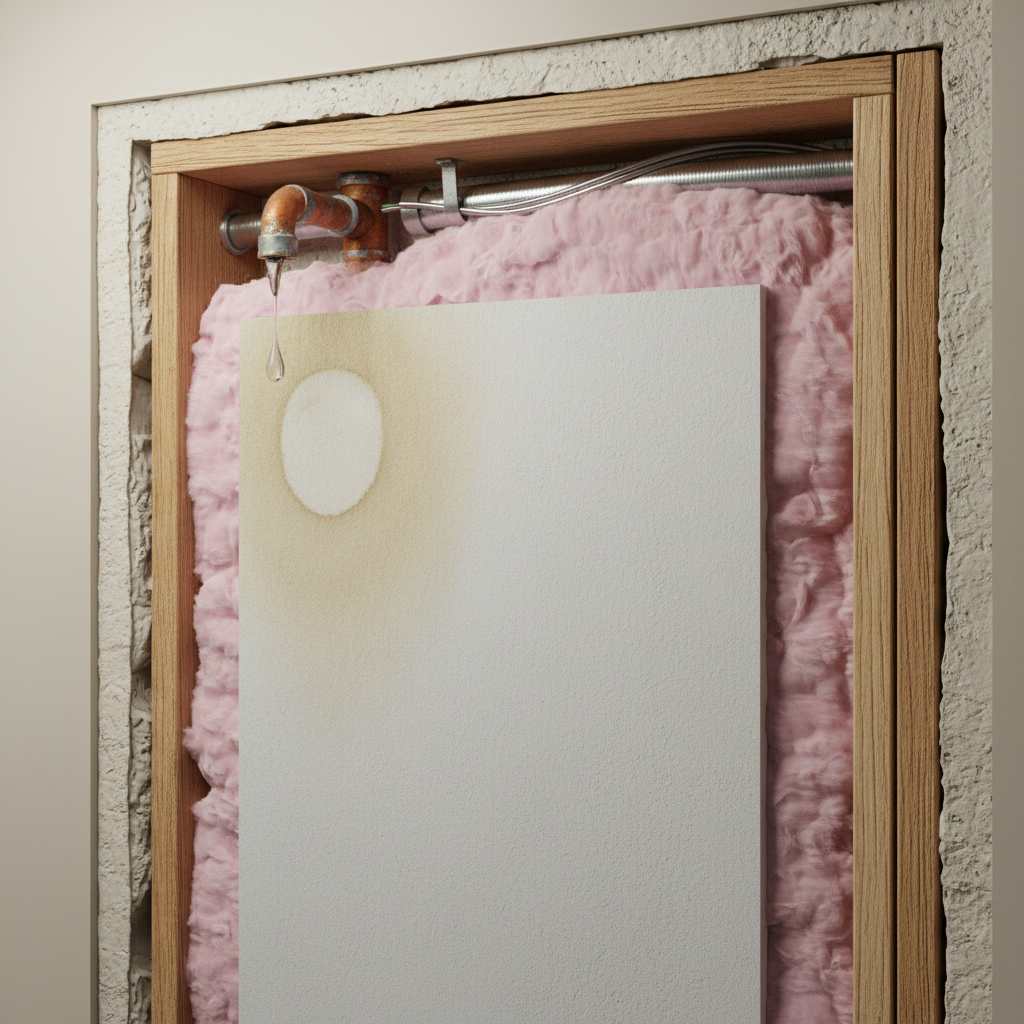
- Leaky Pipes: This is the most common reason for a noisy dripping in wall. Pipes can develop leaks due to age, corrosion, excessive water pressure, poorly installed connections, or even freezing and thawing cycles. Copper, PEX, and PVC pipes all have their vulnerabilities. A pinhole leak might start as a slow drip, but it can erode the pipe further or spray water over a larger area within the wall.
- Loose or Corroded Fittings: Where pipes connect, there are fittings (elbows, tees, couplings). Over time, these can loosen or corrode, creating small gaps from which water can escape. These leaks are often slow and subtle, making the dripping sound intermittent or soft.
- Faulty Valves: Shut-off valves for toilets, sinks, or showers, as well as the main water shut-off, can sometimes leak internally or at their connection points. While less common inside walls, a valve leak can certainly contribute to unwanted moisture.
- Appliance Supply Lines: Behind appliances like dishwashers, washing machines, and refrigerators with ice makers, you’ll find water supply lines. These lines, especially older or brittle plastic ones, can crack, kink, or disconnect, releasing water directly into the wall cavity.
2. Drainage System Issues: Beyond Supply Lines
It’s not just the pipes bringing clean water in that can cause problems; the drainage pipes taking wastewater away can also be a source of drips.
- Clogged Drains: A severe clog in a sink, shower, or toilet drain can cause water to back up and overflow from fixture seals or pipe joints within the wall. The dripping might intensify when that particular fixture is in use.
- Loose Drain Connections: Similar to supply pipes, drainpipe connections can become loose, cracked, or dislodged, allowing wastewater to seep out. These leaks are particularly concerning due to potential health hazards from contaminated water.
- Damaged Vent Pipes: Plumbing vent pipes extend through the roof and help regulate air pressure in the drainage system. If a vent pipe is cracked or improperly sealed at the roofline, rainwater can enter the wall cavity and mimic a plumbing leak.
3. Condensation: A Hidden Moisture Menace
Sometimes, the “drip” isn’t a leak at all, but rather condensation forming inside the wall. This is particularly common in certain climates or during specific times of the year.
- Uninsulated Cold Water Pipes: In humid environments or during hot weather, cold water pipes running through a warm, humid wall cavity can cause moisture to condense on their surface. This condensation can accumulate and drip, creating the sound of a leak.
- Poorly Ventilated Spaces: Areas with high humidity, like bathrooms, can push moist air into wall cavities. If these cavities aren’t properly ventilated or insulated, the moisture can condense on cooler surfaces, leading to dripping.
- AC Ductwork Leaks: Air conditioning ducts carry cold air. If there’s a leak or a poorly insulated section of ductwork within a wall, condensation can form and drip, especially when the AC is running.
4. Roof and Exterior Wall Leaks: When the Outside Comes In
Water doesn’t always come from pipes. Exterior breaches can also lead to water infiltration.
- Roof Leaks: A compromised roof (damaged shingles, flashing, or sealant) can allow rainwater to seep in, travel along structural elements, and eventually manifest as a drip inside a wall, often far from the actual roof entry point.
- Window or Door Frame Leaks: If window or door frames aren’t properly sealed or if the caulk has deteriorated, rainwater can penetrate the exterior and run down into the wall cavity.
- Cracked Exterior Walls: Cracks in stucco, brick, or siding can provide an entry point for rainwater, leading to internal wall moisture and dripping sounds.
5. Other Unexpected Culprits: Listen Closely
While less common, other factors can also produce dripping-like sounds.
- Pest Infestation: Rodents or insects within walls can sometimes create gnawing or movement sounds that might be mistaken for dripping. However, this is usually accompanied by other tell-tale signs.
- Expansion and Contraction: Pipes, especially copper, can expand and contract with temperature changes, rubbing against studs or insulation and creating creaking or tapping sounds that, in a quiet environment, could be misinterpreted as drips.
- Settling House: Structural shifts can sometimes cause building materials to rub against each other, leading to minor noises.
The Perils of a Persistent Drip: Why You Can’t Ignore It
A noisy dripping in wall isn’t just an annoyance; it’s a warning sign that demands immediate attention. Ignoring it can lead to a cascade of problems, significantly impacting your home’s integrity, your health, and your wallet.
1. Structural Damage and Degradation
Water is incredibly destructive to building materials. Continuous exposure to moisture can:
- Weaken Wood Framing: Over time, wooden studs, joists, and subflooring can rot and lose their structural integrity, potentially leading to sagging floors, compromised walls, and even collapse in extreme cases.
- Damage Drywall and Plaster: Drywall absorbs water readily, leading to bubbling, staining, softening, and eventual collapse. Plaster can crack and crumble.
- Corrode Metal: Metal pipes, fasteners, and electrical components can corrode, leading to further leaks, electrical shorts, and safety hazards.
2. Mold and Mildew Growth: A Health Hazard
Mold thrives in damp, dark environments, making a wet wall cavity an ideal breeding ground. Mold growth presents significant risks:
- Respiratory Issues: Mold spores released into the air can trigger allergies, asthma attacks, and other respiratory problems, especially in sensitive individuals.
- Unpleasant Odors: Mold often produces a musty, earthy smell that can permeate your home, indicating an unseen problem.
- Extensive Remediation: Once mold takes hold, professional remediation is often required, which can be a costly and invasive process.
3. Escalating Water Bills
Even a slow drip can waste an astonishing amount of water over time. A leak of just one drip per second can waste over 3,000 gallons of water per year, enough to take over 180 showers! This translates directly into higher utility bills, essentially pouring money down the drain while your home suffers.
4. Electrical Hazards
Water and electricity are a dangerous combination. If a leak occurs near electrical wiring or outlets within the wall, it can lead to short circuits, power outages, and even a risk of electrical fire or electrocution. Always exercise extreme caution if you suspect water near electrical components.
DIY Detective Work: How to Locate the Source of the Dripping
Before you call a professional, there are several steps you can take to narrow down the source of the noisy dripping in wall. This detective work can save time and money by providing valuable information to a plumber or even helping you fix a minor issue yourself.
1. Listen Closely and Map the Sound
The first and most important step is to pinpoint where the sound is loudest. Silence your home as much as possible, turn off any fans or appliances, and use your ears.
- Ear to the Wall: Carefully place your ear against different sections of the wall, moving slowly. Try to identify if the sound is coming from higher up or lower down, closer to a specific fixture or appliance.
- Time of Day/Activity: Note when the dripping is most pronounced. Does it only happen when a specific faucet is running? After a shower? During heavy rain? When the washing machine fills? This can provide crucial clues.
2. Check Your Water Meter
This is a definitive test to confirm if you have a pressurized water leak. Ensure no water is being used in your house (turn off all faucets, washing machines, dishwashers, etc.).
- Locate Meter: Find your main water meter (usually near the street curb or where the main water line enters your house).
- Monitor Dial: Note the reading or look for a small red triangle, gear, or sweep hand on the meter. If this indicator is moving, even slightly, it means water is flowing somewhere in your home, indicating a leak. Let it run for 15-30 minutes and recheck.
3. Inspect Visible Plumbing Fixtures and Surroundings
While the drip is in the wall, visible leaks nearby can hint at the source.
- Toilets, Sinks, Showers: Check the base of toilets, under sinks, and around shower/tub fixtures for visible water stains, puddles, or dampness. A leak here could be wicking into the wall.
- Appliance Connections: Look behind and under washing machines, dishwashers, and refrigerators (if it has an ice maker) for signs of leaks from supply lines or drain hoses.
- Water Heater: Inspect your water heater for any signs of leakage around its base or connections.
4. Look for Water Stains or Wall Damage
While the sound often precedes visible damage, keep an eye out for:
- Discoloration: Yellow, brown, or dark stains on drywall or baseboards.
- Bubbling or Peeling Paint/Wallpaper: Indicates moisture underneath.
- Soft Spots: Press gently on the wall. If it feels soft or spongy, there’s likely significant water damage.
5. Consider the Location of Your Drains and Vents
If the dripping occurs mainly when a specific drain is in use, or if it sounds like a gurgling drip, it might be a drain issue. If it coincides with rain and is high up in the wall, consider a roof or vent pipe leak.
6. The Temperature Test for Condensation
If you suspect condensation, try this: Feel the wall surface. If it feels unusually cold in one spot, especially where a cold water pipe or AC duct might be, condensation is a strong possibility. In extreme humidity, you might even feel a slight dampness.
When to Call a Professional: Don’t Hesitate
While DIY diagnosis is helpful, there are clear instances where professional help is not just recommended, but essential. Attempting to fix complex plumbing issues without the right tools or expertise can lead to further damage, more expensive repairs, or even personal injury.
1. If You Cannot Locate the Source
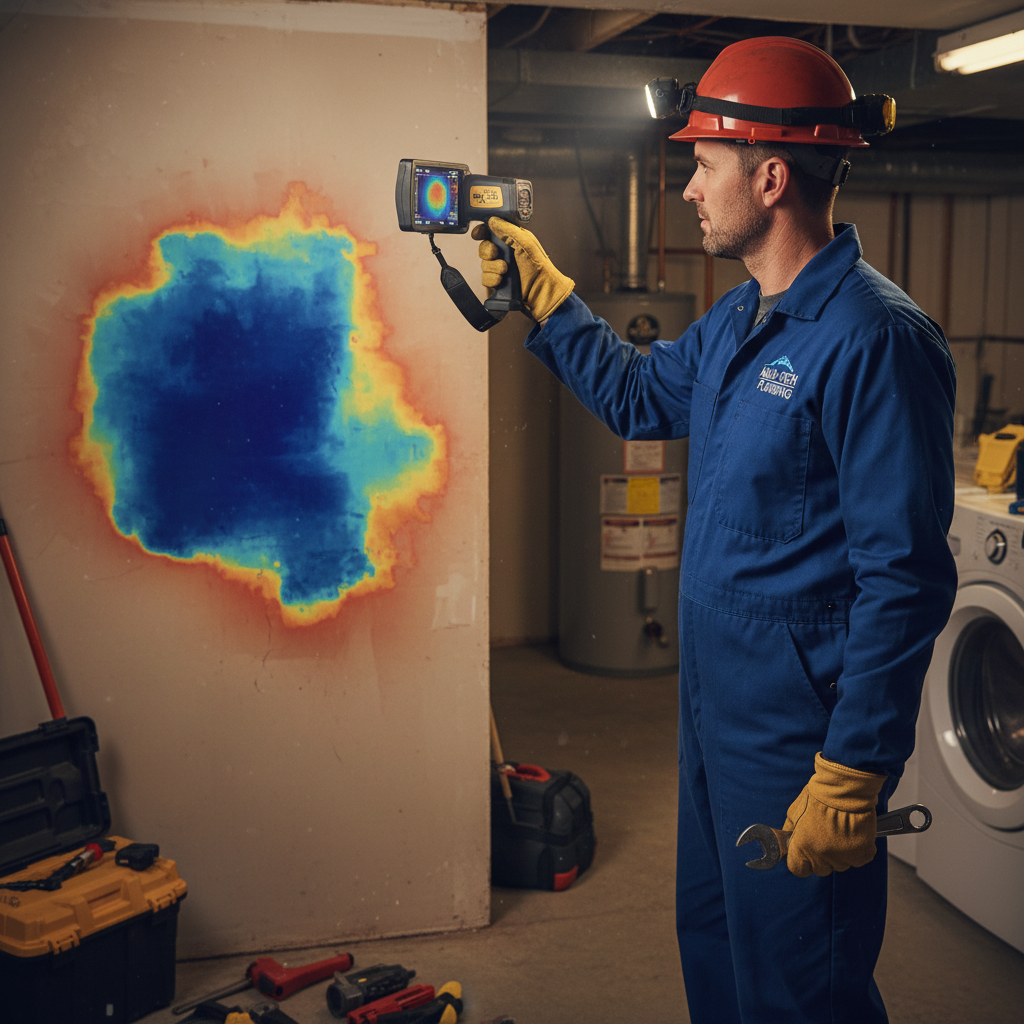
If you’ve performed all your detective work and still can’t pinpoint the origin of the noisy dripping in wall, it’s time for a professional. Plumbers have specialized equipment like acoustic leak detectors, thermal imaging cameras, and moisture meters that can locate hidden leaks without tearing open walls unnecessarily.
2. If You Suspect Extensive Water Damage or Mold
Visible signs of significant water damage (large stains, buckling walls/floors, soft spots) or the presence of a strong, musty odor (indicating mold) warrant immediate professional intervention. A plumber can address the leak, and a mold remediation specialist may be needed to safely remove and clean up mold.
3. If the Leak Involves a Main Water Line or High Pressure
Leaks from the main water supply line entering your home or within high-pressure lines can be dangerous and cause rapid, significant damage. These require expert handling to ensure proper shut-off and repair.
4. If You’re Uncomfortable with the Repair
Even if you’ve found the leak, if the repair involves cutting into pipes, working with soldering, or dealing with complex connections, it’s best to leave it to a licensed plumber. They have the training, tools, and insurance to do the job correctly and safely.
5. If It’s a Recurring Problem
If you’ve had similar dripping issues or leaks in the same area before, it could indicate an underlying systemic problem that only a professional can properly diagnose and rectify.
What Kind of Professionals to Call:
- Licensed Plumber: For almost any pipe or drain leak.
- Leak Detection Specialist: If the leak is extremely hard to find.
- HVAC Technician: If you suspect an AC duct or condensation pan issue.
- Roofing Contractor: If you’ve ruled out plumbing and suspect a roof leak.
- Water Damage Restoration Company: For extensive water damage cleanup and drying, often working in conjunction with a plumber.
- Mold Remediation Specialist: If mold growth is confirmed or suspected.
Preventing the Drip: Proactive Home Maintenance
While some leaks are inevitable, many can be prevented with regular maintenance and attention to your home’s systems. Proactive measures can save you from the headache and expense of a noisy dripping in wall.
1. Regular Plumbing Inspections
Consider having a professional plumber inspect your home’s plumbing system every few years. They can spot potential problems like corroded pipes, loose fittings, or high water pressure before they become major leaks. For more tips on preventing water damage, check out this valuable resource from Good Housekeeping on how to prevent water damage.
2. Manage Water Pressure
High water pressure (above 80 psi) puts undue stress on your pipes and fixtures, increasing the likelihood of leaks and burst pipes. Install a pressure regulator if your home’s water pressure is consistently too high. You can buy a simple gauge to test this yourself.
3. Insulate Pipes
Insulating both hot and cold water pipes, especially those in unconditioned spaces like attics, crawl spaces, or exterior walls, can prevent condensation in humid environments and protect against freezing in cold climates. Foam pipe insulation is inexpensive and easy to install.
4. Address Drips and Minor Leaks Promptly
Don’t ignore a dripping faucet or a running toilet. These seemingly minor issues indicate a problem in the system and can lead to larger, hidden leaks if left unattended. Fix them immediately.
5. Maintain Appliances
Regularly check the water supply lines for your washing machine, dishwasher, and refrigerator (if applicable). Replace old, brittle, or cracked hoses with braided stainless steel lines, which are more durable, every 5-7 years.
6. Clear Drains Regularly
Avoid clogs by using drain screens, disposing of grease properly, and using enzyme-based drain cleaners periodically rather than harsh chemical ones that can damage pipes.
7. Inspect Roof and Exterior
Annually inspect your roof for damaged shingles, flashing, and seals. Check window and door caulking and exterior walls for cracks or gaps, especially before the rainy season.
8. Proper Ventilation
Ensure bathrooms and other high-humidity areas are well-ventilated. Use exhaust fans during and after showers to reduce moisture buildup, which can lead to condensation problems in wall cavities.
Conclusion: Restore Peace and Protect Your Home
A noisy dripping in wall is more than just a nuisance; it’s an urgent call to action. By understanding the potential causes, actively diagnosing the problem, and knowing when to enlist professional help, you can mitigate potential damage, prevent costly repairs, and protect the health of your home and family. Don’t let the silent threat of a hidden leak erode your peace of mind or your property value. Act quickly, be thorough in your investigation, and invest in preventative maintenance to keep your home dry, safe, and sound for years to come.
Frequently Asked Questions About Dripping Walls
Q1: How much time do I have before a wall drip causes serious damage?
A1: The timeline varies greatly depending on the size of the leak and the materials involved. A small, slow drip can take weeks or months to cause visible damage or significant mold, but it’s still causing unseen damage. A larger leak or burst pipe can cause extensive damage within hours. It’s always best to address any noisy dripping in wall as soon as you discover it to minimize risk.
Q2: Can I fix a dripping pipe inside the wall myself?
A2: If you have plumbing experience and the leak is easily accessible once the drywall is opened, you might be able to. However, it’s generally recommended to call a licensed plumber for internal wall leaks. They have the expertise to make proper, durable repairs and ensure no further damage occurs. Incorrect repairs can lead to bigger problems down the line.
Q3: What are the signs of mold behind a wall leak?
A3: Common signs include a persistent musty or earthy odor, visible discoloration on the wall (often black, green, or white spots), bubbling or peeling paint, and sometimes respiratory symptoms in occupants. If you suspect mold, avoid disturbing it and consult a professional for assessment and remediation.
Q4: How much does it cost to fix a noisy dripping in the wall?
A4: Costs can vary widely. A simple repair (e.g., tightening a fitting) might be a few hundred dollars. More complex issues involving tearing out drywall, extensive pipe replacement, leak detection services, and water damage restoration can range from several hundred to several thousand dollars, depending on the extent of the damage and location. Getting multiple quotes is advisable.
Q5: Can insurance cover water damage from a dripping wall?
A5: Homeowner’s insurance typically covers sudden and accidental water damage (e.g., a burst pipe). However, damage caused by gradual leaks, lack of maintenance, or mold that develops over time due to neglect is often NOT covered. Review your specific policy or contact your insurance provider to understand your coverage.