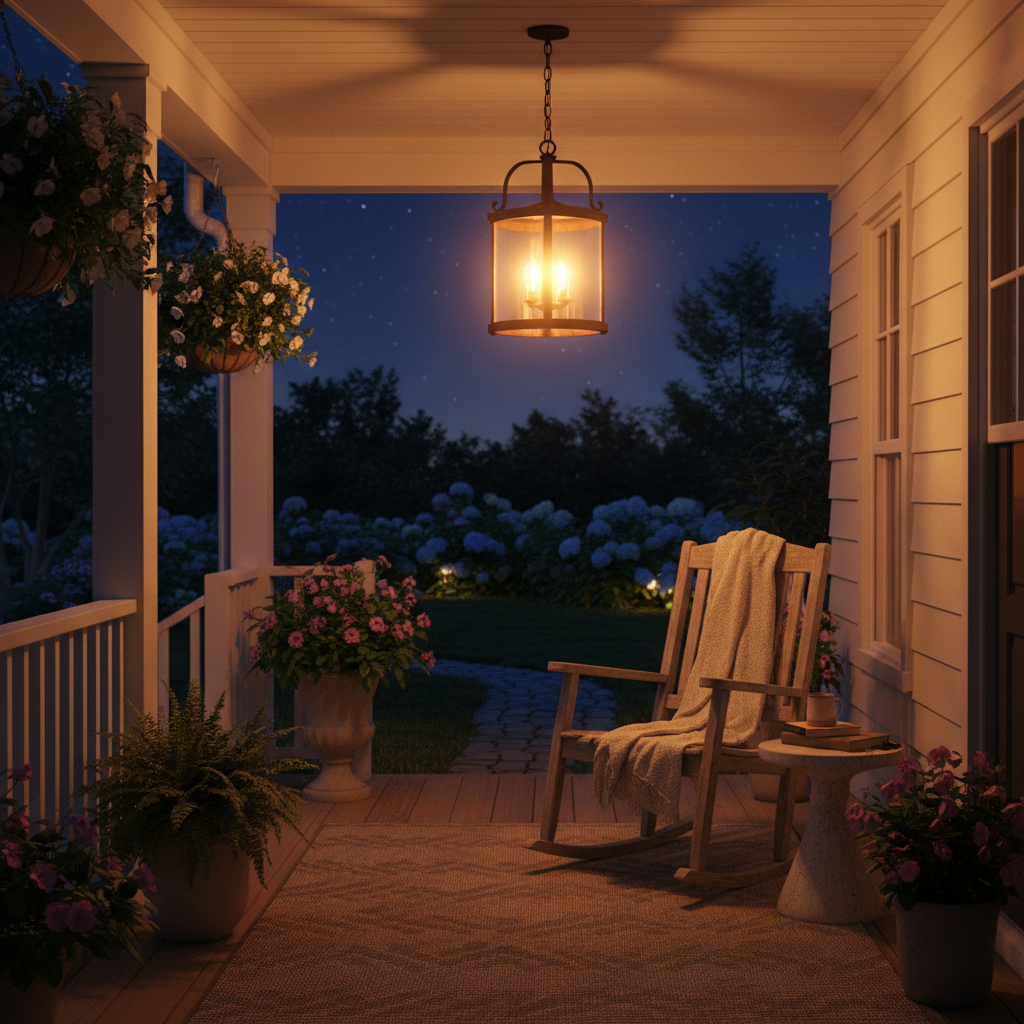
There’s nothing quite as welcoming as a well-lit porch, but when your porch lights flickering at night, it can quickly turn from a comforting glow into an unsettling, even irritating, issue. Beyond the annoyance, a flickering light can signal anything from a minor inconvenience to a serious electrical problem. Understanding the root cause is the first step toward restoring steady illumination and ensuring the safety of your home. This comprehensive guide will walk you through the most common reasons your outdoor lights might be acting up, provide practical troubleshooting steps, and help you determine when it’s time to call in a professional.
Understanding Why Your Porch Lights Flickering at Night
The rhythmic on-and-off dance of a flickering porch light is more than just an aesthetic nuisance. It can diminish your home’s curb appeal, reduce security by casting intermittent shadows, and even contribute to premature bulb failure. More critically, flickering can be a warning sign of underlying electrical issues that could pose a safety risk. From simple bulb problems to complex wiring faults, various factors can disrupt the consistent flow of electricity needed to keep your lights shining steadily. By systematically investigating these possibilities, you can often pinpoint and resolve the problem yourself, saving time and money.
Common Causes and Troubleshooting Steps
When your porch lights begin to flicker, it’s natural to feel frustrated. However, a methodical approach to troubleshooting can often reveal a straightforward solution. Here are some of the most common culprits behind flickering outdoor lights and how to address them.
Loose Bulb or Fixture Connections
One of the simplest and most frequent reasons for a flickering light is a loose connection. Over time, vibrations, temperature changes, or even just the act of screwing in a bulb can cause it to become slightly dislodged from its socket. Similarly, the wires connecting the fixture itself to your home’s electrical system can loosen.
- What to do:
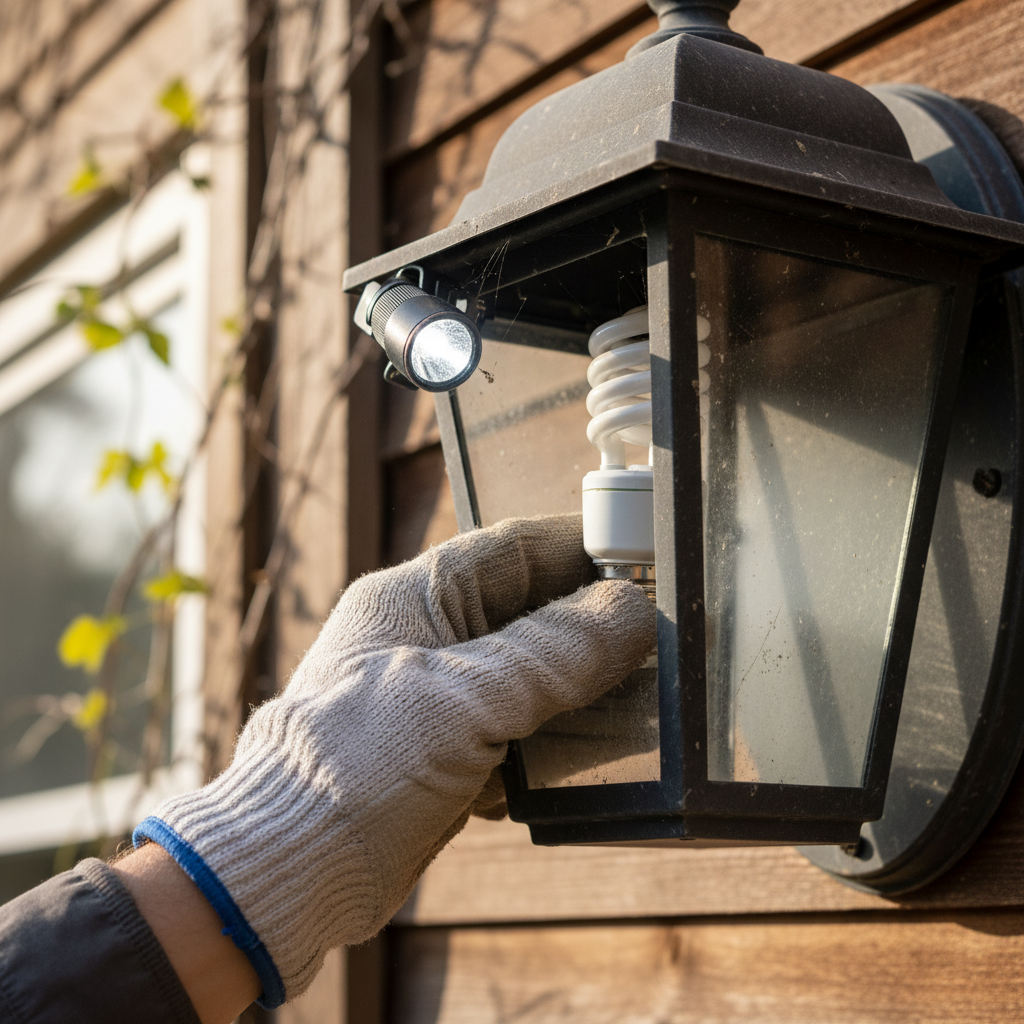
- Check the bulb: Turn off the power to the fixture at the switch or circuit breaker. Carefully remove the bulb and inspect its base for any dirt or corrosion. Reinsert the bulb and gently tighten it until snug, but do not overtighten, as this can damage the socket.
- Check the fixture: If tightening the bulb doesn’t work, ensure the fixture itself is securely mounted. If you feel comfortable, and after ensuring the power is off, you can gently jiggle the fixture to see if it moves. If it does, there might be loose wiring behind the mounting plate, which may require a professional or someone with electrical knowledge to inspect.
Faulty Light Bulb
Not all light bulbs are created equal, and even new ones can sometimes be defective. Older bulbs, especially incandescent ones, can also fail gradually, leading to flickering before they burn out completely. LED bulbs, while generally more durable, can also flicker if they are of poor quality or incompatible with the fixture or circuit.
- What to do:
- Swap the bulb: The easiest way to check if the bulb is the problem is to replace it with a new, known-working bulb. If the flickering stops, you’ve found your culprit.
- Consider bulb type: Ensure you’re using the correct type of bulb for your fixture. For outdoor use, bulbs are often rated for damp or wet locations. If you’ve recently switched to LEDs, verify they are dimmable if the fixture is on a dimmer circuit, or that they are compatible with the fixture’s internal components.
Incompatible Dimmer Switches
Dimmers are great for setting ambiance, but they can be a source of flickering, especially with newer LED technology. Older dimmer switches were designed for incandescent bulbs, which operate differently than LEDs. Using a non-LED-compatible dimmer with an LED bulb or fixture can lead to flickering, buzzing, or premature bulb failure.
- What to do:
- Check dimmer compatibility: If your porch light is on a dimmer, ensure that both the dimmer switch and the bulb are rated for LED use. Look for “LED compatible” or “dimmable LED” on the product packaging.
- Replace the dimmer: If your dimmer is old or not compatible with LEDs, consider upgrading to a modern LED-compatible dimmer. This often resolves flickering issues related to dimming.
- Bypass the dimmer: As a test, you can temporarily remove the dimmer switch and connect the wires directly to power the light (ensuring power is off at the breaker first). If the flickering stops, the dimmer is likely the issue.
Weather-Related Issues
Outdoor lights are exposed to the elements, and weather can play a significant role in their performance. Moisture, extreme temperatures, and strong winds can all affect the electrical connections and components of your porch light.
- What to do:
- Inspect for moisture: After rain or heavy dew, check the fixture for any signs of water intrusion. Moisture can cause shorts or corrosion. Ensure all seals and gaskets are intact and properly seated.
- Temperature fluctuations: Extreme cold or heat can sometimes affect electrical components or cause wires to expand and contract, leading to intermittent connections.
- Wind damage: Strong winds can cause wires to sway, leading to loose connections or even damage. Inspect visible wiring for any signs of wear or strain.
Wiring Problems (Loose Wires, Damaged Wiring)
Faulty wiring is a more serious cause of flickering and often requires professional attention. Loose wires within the fixture, at the switch, or in the junction box can interrupt the electrical flow. Damaged wiring, such as insulation chewed by pests or nicks from installation, can also lead to intermittent contact or shorts.
- What to do:
- Check visible wiring: With the power off, carefully inspect any visible wiring leading to the porch light. Look for fraying, nicks, or signs of rodent damage.
- Internal wiring: If you’re comfortable and knowledgeable about electrical work, you can, with the power OFF at the circuit breaker, open the fixture to check for loose wire nuts or corroded connections. However, if you’re unsure, it’s best to call an electrician.
- Switch inspection: A loose wire at the light switch could also be the problem. Again, with power off, you can carefully remove the switch plate and inspect the connections.
Electrical Overload
An electrical circuit can become overloaded if too many appliances or lights are drawing power from it simultaneously. While less common for a single porch light, it can happen if the light shares a circuit with other high-demand outdoor appliances or numerous interior lights.
- What to do:
- Identify shared circuits: Check your home’s electrical panel to see which circuit the porch light is on. If it shares a circuit with many other items, try unplugging some or turning off other lights on that circuit to see if the flickering stops.
- Circuit breaker trips: If the circuit breaker frequently trips, it’s a strong indicator of an overload or a short circuit, which needs immediate professional attention.
Voltage Fluctuations
Sometimes, the problem isn’t within your home’s wiring but originates from the main power supply. Voltage fluctuations from the utility company can cause lights to flicker throughout your home, including your porch light.
- What to do:
- Check other lights: If multiple lights in your home are flickering simultaneously, it could indicate a utility issue.
- Contact utility company: Report the problem to your electricity provider. They can check their lines and transformers for issues.
Issues with the Light Sensor (Photocell)
Many porch lights feature a photocell sensor that automatically turns the light on at dusk and off at dawn. If this sensor becomes dirty, obstructed, or faulty, it can cause the light to flicker or behave erratically.
- What to do:
- Clean the sensor: Gently wipe the photocell sensor with a clean cloth to remove any dirt, dust, or spiderwebs.
- Check for obstructions: Ensure no nearby objects (e.g., new landscaping, fallen leaves, or even another light source) are blocking or interfering with the sensor’s operation.
- Test the sensor: Cover the sensor completely to simulate darkness. The light should come on steadily. Uncover it, and it should turn off during daylight. If it flickers during this test, the sensor might be faulty and need replacement.
Faulty Light Fixture
Over time, outdoor light fixtures can degrade due to exposure to weather, corrosion, or internal component failure. If you’ve ruled out the bulb, wiring, and sensor, the fixture itself might be the problem.
- What to do:
- Inspect for damage: Look for visible signs of damage, rust, or severe corrosion on the fixture.
- Consider age: If the fixture is very old, its internal wiring or socket might be worn out. Replacing an old, worn-out fixture can often resolve persistent flickering issues. Many homeowners find that updating outdoor lighting fixtures can also enhance their home’s curb appeal.
Critters and Pests
Unwanted guests like rodents (mice, rats, squirrels) can sometimes chew on electrical wires, especially in less accessible areas like attics or wall cavities, or directly behind outdoor fixtures. This can lead to exposed wires and intermittent electrical connections, causing your lights to flicker.
- What to do:
- Look for signs of damage: If you suspect rodent activity, look for chew marks on wires or insulation.
- Seal entry points: Address any potential entry points for pests into your home’s exterior or attic.
- Call an expert: If you find evidence of chewed wires, it is crucial to call a licensed electrician to assess and repair the damage safely. Exposed wires are a significant fire hazard.
When to Call a Professional Electrician
While many flickering light problems can be resolved with simple DIY fixes, some issues are beyond the scope of a typical homeowner and require the expertise of a licensed electrician. Knowing when to call a professional is crucial for your safety and to prevent further damage to your electrical system.
You should contact an electrician if:
- You suspect wiring damage: Any signs of scorched wires, burning smells, or exposed wiring should prompt an immediate call to an electrician.
- Circuit breakers frequently trip: This is a clear sign of an overloaded circuit or a short, which an electrician needs to diagnose.
- Multiple lights or appliances are flickering: If flickering isn’t isolated to just one porch light but affects several areas of your home, it could indicate a more widespread issue, possibly even with your main electrical panel or utility supply.
- You’re uncomfortable with electrical work: If you’re unsure about any step of the troubleshooting process, especially those involving opening fixtures or switches, it’s always safer to hire a professional. Electrical work carries risks of shock and fire if not done correctly.
- DIY fixes don’t work: If you’ve tried all the troubleshooting steps above and your porch light continues to flicker, an electrician can use specialized tools to diagnose hidden issues.
Ensuring your outdoor electrical systems are safe is paramount. For more safety tips regarding outdoor electrical components, consider consulting resources like Better Homes & Gardens, which offers valuable insights into maintaining a secure home environment.
Preventing Future Flickering Issues
Once you’ve resolved your flickering porch light, taking proactive steps can help prevent the problem from recurring. Regular maintenance and smart choices in lighting products can ensure your outdoor lights remain reliable and welcoming.
Regular Maintenance
A little preventative maintenance goes a long way in prolonging the life of your outdoor lighting and preventing issues like flickering.
- Clean fixtures regularly: Dust, dirt, and insect nests can accumulate on and around fixtures and sensors. A periodic wipe-down can keep components clean and functional.
- Inspect wiring and connections: Every few months, or after severe weather, visually inspect accessible wiring for wear and tear, and gently check bulbs for tightness.
- Check seals and gaskets: Ensure that all weather seals on your outdoor fixtures are intact and properly seated to prevent moisture intrusion.
Choosing the Right Bulbs and Fixtures
The quality and compatibility of your lighting components are critical for reliable performance.
- Use outdoor-rated bulbs and fixtures: Always select bulbs and fixtures specifically designed for outdoor use. These are built to withstand moisture and temperature extremes. When exploring outdoor lighting options, consider what types of outdoor lighting suit your specific needs and climate.
- Opt for high-quality LEDs: While often more expensive upfront, high-quality LED bulbs are generally more durable and less prone to flickering, especially if they are specified as “dimmable” when used with appropriate dimmers.
- Ensure dimmer compatibility: If you use a dimmer, double-check that both the dimmer switch and your LED bulbs are designed to work together.
Protecting Outdoor Wiring
Outdoor wiring is vulnerable to environmental factors and pests. Protecting it is essential for safety and reliability.
- Proper installation: Ensure all outdoor wiring is installed according to local electrical codes, using conduit or direct burial cable where required.
- Guard against pests: Take measures to deter rodents from accessing outdoor fixtures and wiring, such as sealing gaps and trimming vegetation.
- Weatherproofing: Use weather-resistant junction boxes and ensure all connections are properly sealed to keep moisture out.
The Importance of Addressing Flickering Porch Lights
Beyond the simple annoyance, resolving issues with your porch lights flickering at night carries several important benefits:
- Enhanced Safety and Security: A well-lit porch deters potential intruders and provides clear visibility for residents and guests, reducing the risk of trips and falls. Consistent lighting is a cornerstone of effective home security.
- Improved Curb Appeal: A porch that is consistently and reliably lit enhances the aesthetic appeal of your home, making it look more inviting and well-maintained.
- Energy Efficiency: Flickering can sometimes be a sign of inefficient operation, leading to wasted energy and higher utility bills. Resolving the issue can ensure your lights operate as intended.
- Preventing Further Damage: Minor electrical issues, if left unaddressed, can escalate into more serious and costly problems, including potential fire hazards. Early detection and repair protect your home’s electrical system.
- Peace of Mind: Knowing your outdoor lighting is functioning correctly provides peace of mind, especially during the darker hours.
Frequently Asked Questions (FAQs)
-
Why do my LED porch lights flicker when my old incandescents didn’t?
LEDs are more sensitive to voltage fluctuations and electrical inconsistencies than incandescent bulbs. Common reasons for LED flickering include incompatibility with older dimmer switches (which require an LED-compatible dimmer), loose connections, faulty bulbs, or minor issues in the home’s wiring that were not noticeable with less sensitive incandescent bulbs.
-
Can cold weather make my porch light flicker?
Yes, extreme cold can affect outdoor lighting. Low temperatures can cause electrical components to contract, leading to loose connections, or can impact the performance of certain types of bulbs, especially older LEDs that aren’t specifically rated for very cold environments. Moisture from condensation in cold weather can also cause issues.
-
My porch light flickers only sometimes, not all the time. What does that mean?
Intermittent flickering often points to an issue that is not constant. This could be due to loose connections (which might only flicker with vibrations or wind), minor voltage fluctuations, an aging bulb nearing its end, a light sensor reacting to changing light conditions or obstructions, or an incompatible dimmer setting. It’s often one of the easier problems to diagnose by systematically checking connections and components.
-
Is it dangerous if my porch light flickers?
While a simple loose bulb is not typically dangerous, persistent flickering can sometimes indicate more serious underlying electrical problems, such as loose wiring within the walls or fixture, an overloaded circuit, or even damaged insulation. These issues can pose a fire hazard or risk of electrical shock. If you suspect wiring issues or if the flickering is accompanied by buzzing, burning smells, or tripped breakers, it’s safest to consult a professional electrician.
-
How do I know if my light sensor is causing the flickering?
To test the light sensor (photocell), ensure it’s clean and unobstructed. Then, fully cover the sensor to simulate complete darkness; the light should come on steadily. Uncover it during daylight; the light should turn off. If the light flickers during this test, or if it flickers only at dusk/dawn, the sensor might be dirty, faulty, or reacting to external light sources.
Addressing your porch lights flickering at night is more than just about aesthetics; it’s about maintaining the safety, security, and efficiency of your home. By following these troubleshooting steps and knowing when to call in an expert, you can ensure your porch remains a welcoming beacon, free from frustrating flickers.