Why You’re Feeling Cold Air from Your Vents in Winter: Common Culprits
Before you panic and call an HVAC technician, it’s helpful to understand the various reasons your heating system might be distributing cold air. Pinpointing the exact cause can save you time, money, and a lot of discomfort.
Incorrect Thermostat Settings
One of the most common and easily overlooked reasons for cold air coming through vents is an incorrect thermostat setting. Specifically, the “fan” setting can be a major culprit.
- Fan “ON” vs. “AUTO”: If your thermostat’s fan setting is set to “ON” instead of “AUTO,” the fan will run continuously, even when your furnace isn’t actively heating. This means it will blow air through your ducts constantly, and when the furnace isn’t producing heat, that air will be unheated and feel cold. Switching it to “AUTO” ensures the fan only operates when the heating or cooling system is actively running.
- Program Conflicts: Smart thermostats or programmable models can sometimes have schedules that conflict with your desired comfort, leading to periods where the system isn’t heating as expected.
- Low Battery: A dying thermostat battery can cause erratic behavior, including failure to signal the furnace to turn on.
Furnace Malfunction or Issues
If your thermostat is set correctly, the problem likely lies within your furnace itself. Furnaces are complex machines, and several issues can prevent them from producing heat.
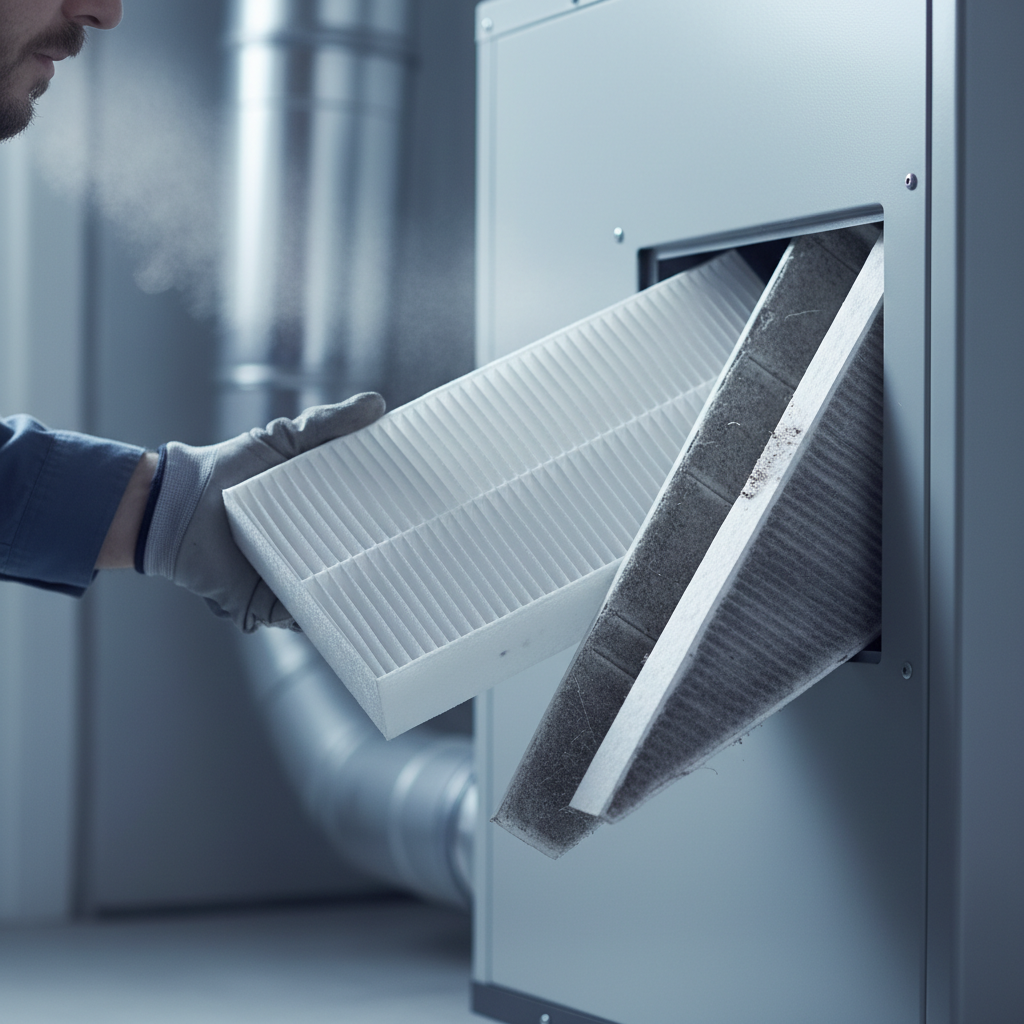
- Clogged Air Filter: A dirty or clogged furnace filter is perhaps the most common reason for heating problems, including restricted airflow and your furnace overheating. When the filter is excessively dirty, it chokes the airflow. This can cause the furnace’s heat exchanger to overheat and trigger the “limit switch,” a safety device that shuts down the burner but allows the fan to continue running to cool the heat exchanger. The result? The fan blows cold air.
- Pilot Light or Ignition Issues: Older furnaces use a pilot light to ignite the gas. If the pilot light is out, the furnace won’t produce heat. Newer furnaces use an electronic ignitor. If the ignitor fails, the furnace won’t start its heating cycle.
- Flame Sensor Problems: The flame sensor is a safety device that detects if a flame is present. If it’s dirty or faulty, it might not detect the flame, causing the furnace to shut off the gas supply and prevent heating, while the fan continues to run.
- Lack of Fuel: For gas furnaces, ensure your gas supply valve is open. For oil furnaces, check your oil tank levels.
- Overheating/Limit Switch Tripped: As mentioned with clogged filters, an overheating furnace will shut down its burner but keep the fan running to dissipate excess heat, leading to cold air from vents.
Leaky Ductwork
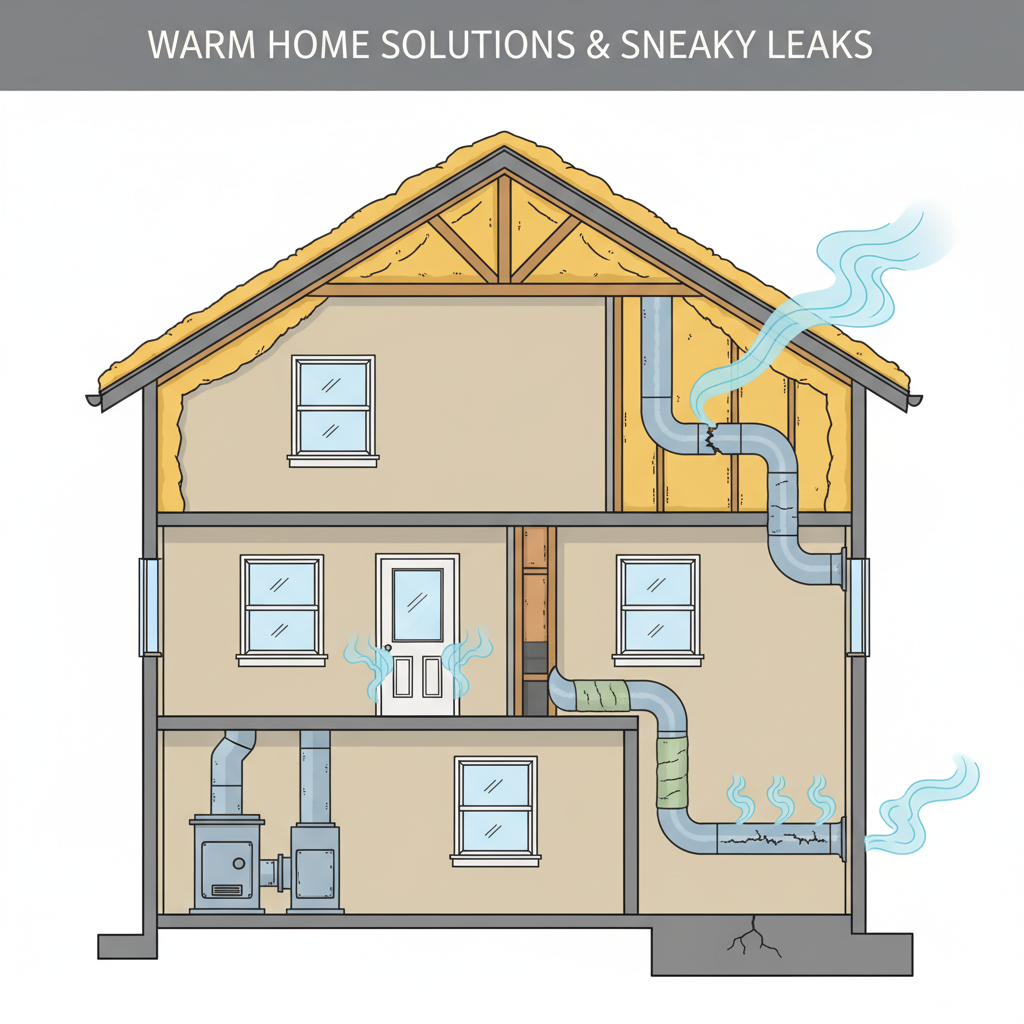
Your ductwork is the circulatory system of your HVAC unit, distributing conditioned air throughout your home. If there are leaks, cracks, or disconnections in these ducts, especially if they run through unconditioned spaces like attics, crawl spaces, or basements, you’re essentially losing heated air and drawing in cold air.
- Air Loss: Heated air escapes through cracks, reducing the amount of warm air reaching your living spaces.
- Air Intrusion: Ducts in unconditioned areas can draw in cold, unheated air through leaks, mixing it with any warm air and causing your vents to blow noticeably cooler air.
- Pressure Imbalance: Leaky ducts can create negative pressure zones, further exacerbating the problem by pulling in more cold air from outside.
Poor Insulation and Air Sealing
While not a direct cause of cold air coming out of the vents, poor insulation and inadequate air sealing throughout your home can make the problem feel much worse. If your home isn’t properly insulated, heat rapidly escapes through walls, windows, doors, and the attic. This means your heating system has to work harder and longer, and even when it’s blowing warm air, the overall ambient temperature in your rooms will remain low, making any drafts feel colder.
- Rapid Heat Loss: Even perfectly warm air from vents will quickly cool down in a poorly insulated room.
- Drafts: Cracks and gaps around windows, doors, and electrical outlets let cold air directly into your living space, contributing to the overall chill.
Heat Pump in Defrost Cycle
If you have a heat pump system, it’s normal for it to blow cool air periodically during colder weather. Heat pumps work by extracting heat from the outdoor air, even when it’s cold. When the outdoor coil gets too cold, frost can build up, reducing its efficiency. To clear this frost, the heat pump enters a “defrost cycle.”
- During defrost, the heat pump temporarily reverses its cycle to warm the outdoor coil, often using electric auxiliary heat to maintain indoor temperature. However, for a short period, it might send cooler air through your vents because the primary heating function is temporarily paused or reduced. This is usually a short process, lasting around 5-15 minutes.
Zoned HVAC System Behavior
Homes with zoned HVAC systems are designed to heat specific areas independently. If you have a multi-zone system, it’s possible for one zone to be calling for heat while another isn’t. When a particular zone’s thermostat is satisfied, its dampers might close, and while the main unit might still be running for another zone, you could feel cooler air from the vents in the “satisfied” zone as residual air moves through. This isn’t usually a malfunction but rather a characteristic of how zoned systems manage airflow.
Exhaust Fans Running
While often overlooked, continuously running exhaust fans in bathrooms or the kitchen can contribute to a drafty home. These fans pull warm, conditioned air out of your house. To replace this air, colder, unconditioned air is drawn in through any available opening – including leaky windows, doors, and even indirectly, through ductwork leaks. This can create a subtle but noticeable sensation of cold air, especially if your heating system is already struggling.
DIY Troubleshooting Steps When Cold Air Blows from Vents
Before contacting a professional, there are several troubleshooting steps you can take to diagnose and potentially resolve the issue of cold air coming through your vents.
1. Check Your Thermostat Settings
- Fan Setting: Ensure your thermostat’s fan setting is on “AUTO,” not “ON.”
- Temperature Setting: Confirm the desired temperature is set higher than the current room temperature.
- Mode: Make sure the system is set to “HEAT” and not “COOL” or “OFF.”
- Battery: If your thermostat uses batteries, replace them.
2. Inspect and Replace Your Furnace Filter
This is arguably the easiest and most impactful step. Locate your furnace filter (it’s usually in a slot near the return air duct or within the furnace cabinet itself). If it’s dark gray or black with accumulated dust and debris, it needs to be replaced immediately. Filters should generally be changed every 1-3 months, depending on usage, pets, and allergies. A clean filter ensures proper airflow and prevents the furnace from overheating.
3. Examine Visible Ductwork for Leaks
Take a flashlight and visually inspect accessible ductwork in your basement, attic, crawl space, or utility closets. Look for:
- Gaps at Seams: Where sections of ductwork connect.
- Holes or Tears: Especially in flexible ducting.
- Loose Connections: Where ducts attach to vents or the main unit.
For small leaks, you can often seal them yourself using HVAC-specific foil tape (not regular duct tape, which degrades) or mastic sealant. Good Housekeeping offers several tips on home energy efficiency, including air sealing, which can help prevent heat loss from ducts.
4. Assess Your Home’s Insulation and Air Sealing
While a larger project, addressing insulation can significantly improve your home’s comfort and heating efficiency. Conduct a simple draft test by holding a lit candle or incense stick near windows, doors, electrical outlets, and plumbing penetrations. If the flame flickers or smoke wavers, you have an air leak. Seal these with caulk for smaller gaps and weatherstripping for doors and windows. Consider adding insulation to your attic if it’s below recommended levels for your climate zone.
5. Monitor Your Heat Pump’s Operation
If you have a heat pump, pay attention to how long the cold air blows. If it’s a short burst (5-15 minutes) followed by warm air, it’s likely a normal defrost cycle. However, if it’s consistently blowing cold air or the defrost cycles are very frequent and prolonged, it could indicate a refrigerant leak or other malfunction. Also, check the outdoor unit for excessive ice buildup, which can hinder its ability to extract heat.
When to Call a Professional HVAC Technician
While many issues can be resolved with DIY troubleshooting, some problems require the expertise of a certified HVAC professional. Don’t hesitate to call for help if:
- Persistent Furnace Issues: You’ve checked the filter, thermostat, and pilot light (if applicable), but your furnace still isn’t producing heat or is cycling on and off repeatedly. This could indicate a deeper mechanical or electrical problem with components like the ignitor, flame sensor, blower motor, or control board.
- Complex Ductwork Problems: If you suspect extensive duct leaks in inaccessible areas (behind walls, under floors) or believe your ductwork needs resizing or redesign, a professional can perform a pressure test and make necessary repairs.
- Suspected Refrigerant Leaks (Heat Pumps): Refrigerant is a hazardous chemical that should only be handled by trained professionals. If your heat pump is constantly running, blowing cold air, and has excessive ice buildup, it might have a leak.
- Carbon Monoxide Concerns: If your furnace is old, has a yellow or flickering pilot light (instead of blue), or if you notice strange odors (like burning plastic or rotten eggs), *immediately* turn off your furnace, evacuate your home, and call your gas company or emergency services. Carbon monoxide is odorless and deadly. Ensure you have working carbon monoxide detectors on every level of your home.
- Strange Noises or Smells: Grinding, squealing, banging, or persistent unusual odors from your furnace warrant immediate professional attention.
Proactive Measures to Prevent Cold Air from Vents in the Future
Prevention is always better than cure, especially when it comes to keeping your home warm and your energy bills low. Implementing a few proactive strategies can help ensure your heating system performs optimally all winter long.
1. Regular HVAC Maintenance
Schedule annual professional HVAC tune-ups. A technician will inspect, clean, and test all components of your furnace or heat pump. This includes checking electrical connections, lubricating moving parts, cleaning the burner and heat exchanger, and verifying safety controls. Regular maintenance catches small issues before they become major, costly breakdowns and ensures your system runs at peak efficiency. It can extend the lifespan of your unit and prevent unexpected cold air blasts.
2. Improve Home Insulation and Air Sealing
Invest in long-term solutions to make your home more airtight and energy-efficient. This includes:
- Attic Insulation: Ensure your attic has adequate insulation levels for your climate zone. This prevents heat from escaping through the roof.
- Wall Insulation: Consider adding insulation to exterior walls, especially if your home is older.
- Window and Door Upgrades: Replace old, drafty windows and doors with energy-efficient models.
- Sealing Air Leaks: Use caulk and weatherstripping around all penetrations and openings to prevent drafts. This is a crucial step in maintaining comfortable indoor temperatures.
3. Smart Thermostat Installation
Upgrade to a smart thermostat. These devices learn your preferences, can be controlled remotely, and optimize your heating schedule, helping to maintain consistent temperatures and reduce energy waste. They can alert you to potential issues and ensure your fan is always on the “AUTO” setting when you want it to be.
4. Proper Vent Management
Avoid closing off too many supply vents in unused rooms. While it seems like a good way to save energy, it can actually create pressure imbalances in your ductwork, making your HVAC system work harder and less efficiently. It can also cause issues like reduced airflow and potential damage to your blower motor. Ensure all vents are open and unobstructed by furniture or drapes to allow for proper air circulation.
Frequently Asked Questions (FAQs)
Q: Why is one vent blowing cold air and others warm?
A: This could indicate a problem with that specific duct run, such as a significant leak, a disconnected section, or an obstruction. If you have a zoned system, it might be an issue with the damper for that zone. If the main unit is running, it could also mean that a particular branch of your ductwork is losing more heat than others, perhaps due to inadequate insulation in an unconditioned space.
Q: Can closing vents cause cold air?
A: No, closing vents won’t directly cause cold air to blow out of other vents. However, closing too many vents can disrupt the balance of your HVAC system, increase static pressure, and potentially cause your furnace to short cycle or run less efficiently. This can contribute to overall discomfort or uneven heating.
Q: How often should I change my furnace filter?
A: Most manufacturers recommend changing filters every 1 to 3 months. If you have pets, allergies, or a large household, you may need to change it monthly. During peak heating season, more frequent checks are advisable.
Q: Is it normal for a heat pump to blow cool air sometimes?
A: Yes, during its defrost cycle in cold weather, a heat pump will temporarily blow cooler air for about 5-15 minutes. If it’s blowing cold air for longer periods or consistently, it indicates a problem.
Q: Does insulation affect how warm the air from my vents feels?
A: Indirectly, yes. While insulation doesn’t change the temperature of the air leaving your vents, it significantly impacts how quickly that heated air warms your room and how long it stays warm. In a poorly insulated room, even perfectly warm air from the vents will feel less effective, and the overall coldness of the room will make any slight drop in vent temperature feel more pronounced.
Conclusion
Experiencing cold air coming through vents in winter is more than just an inconvenience; it’s a sign that your heating system isn’t operating as efficiently as it should be, leading to discomfort and higher energy bills. By systematically troubleshooting potential issues—starting with your thermostat, checking your furnace filter, and inspecting your ductwork—you can often diagnose and resolve the problem yourself. For more complex issues, or if you ever suspect a safety concern like a carbon monoxide leak, don’t hesitate to contact a qualified HVAC professional. Taking proactive steps like regular maintenance, improving home insulation, and utilizing smart thermostats will not only prevent future cold air woes but also ensure your home remains a warm, inviting, and energy-efficient sanctuary throughout the coldest months.