There’s nothing quite as frustrating as stepping into your bedroom only to find it’s significantly hotter or colder than the rest of your home. This common complaint, often stemming from poor HVAC airflow in bedrooms, can turn a sanctuary into a source of discomfort. Beyond the annoyance, uneven temperatures can lead to restless nights, increased energy bills, and a less enjoyable living space. Fortunately, understanding the root causes and implementing effective solutions can restore balance to your home’s climate and ensure every room, especially your bedroom, is perfectly comfortable.
Understanding the Problem: Why Your Bedrooms Aren’t Getting Enough Airflow
Before diving into solutions, it’s crucial to grasp why your bedrooms might be suffering from inadequate heating or cooling. The issue isn’t always obvious and can result from a combination of factors related to your HVAC system, ductwork, and even your home’s structure.
Common Signs of Poor Airflow
- Noticeable temperature differences between rooms, especially between bedrooms and common areas.
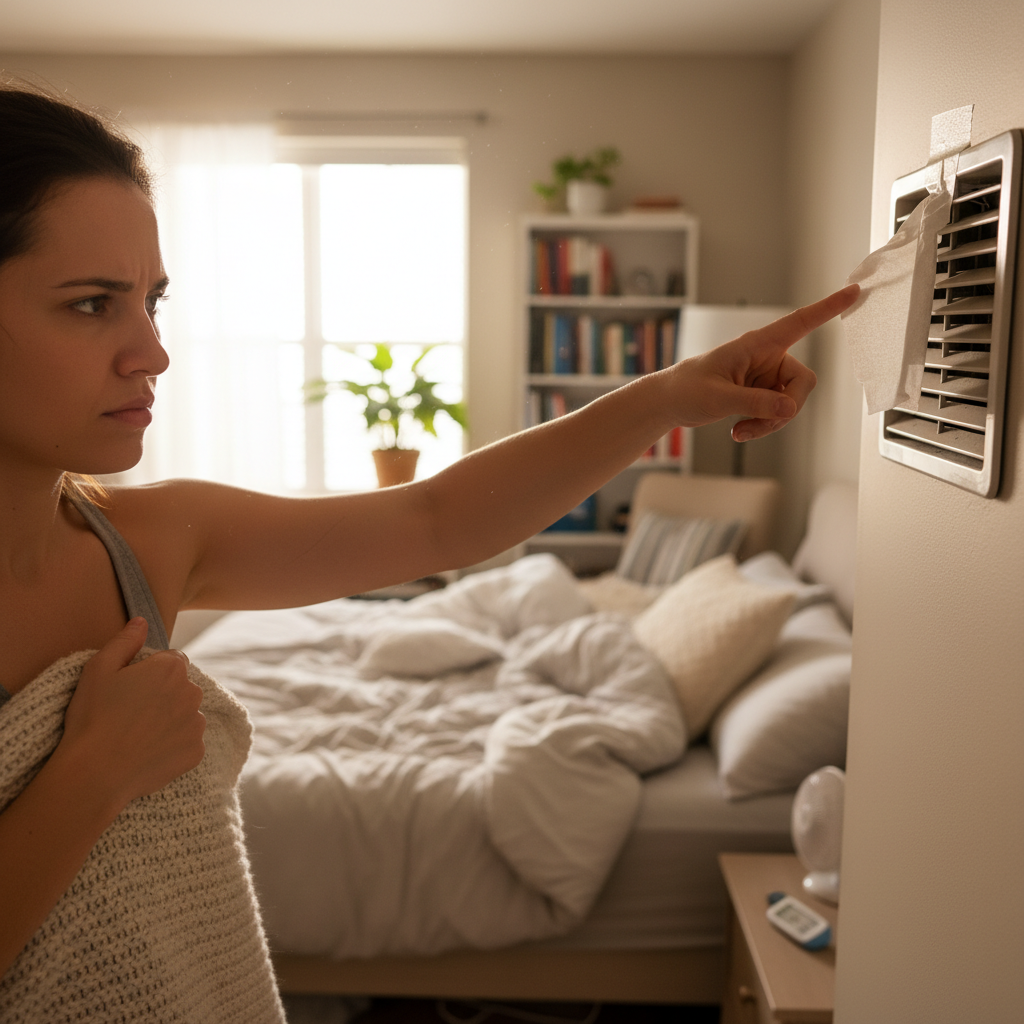
- Weak air pressure coming from bedroom vents.
- Your HVAC system runs constantly but fails to reach the set temperature in bedrooms.
- Dust buildup around vents due to insufficient air pressure.
- Higher energy bills without a corresponding increase in comfort.
- Musty or stale air in certain rooms.
The Impact of Uneven Airflow
Beyond personal discomfort, poor airflow can have several negative implications:
- Increased Energy Consumption: Your HVAC system works harder to compensate for temperature imbalances, driving up utility costs.
- Reduced HVAC Lifespan: Overworking the system can lead to premature wear and tear on components.
- Poor Indoor Air Quality: Stagnant air can contribute to the buildup of allergens and pollutants.
- Structural Stress: Extreme temperature fluctuations can impact building materials over time, though this is less common.
Primary Causes of Poor HVAC Airflow in Bedrooms
Identifying the specific cause is the first step toward a lasting solution. Here are the most common culprits behind poor HVAC airflow in bedrooms:
Clogged Air Filters
A dirty or clogged air filter is perhaps the most common and easiest-to-fix issue. When the filter is choked with dust, pet dander, and other debris, it restricts the airflow into your HVAC system’s air handler. This not only reduces the volume of conditioned air circulating but also forces your blower motor to work harder.
Blocked or Closed Vents/Registers
It sounds simple, but vents can easily become obstructed by furniture, rugs, curtains, or even children’s toys. Sometimes, vents in unused rooms are intentionally closed to “redirect” air, but this often creates more problems than it solves by increasing static pressure in the system.
Leaky or Damaged Ductwork
Your ductwork acts as the circulatory system for your conditioned air. If there are cracks, gaps, or disconnections in the ducts, especially in unconditioned spaces like attics or crawl spaces, a significant amount of heated or cooled air can escape before reaching your bedrooms. This means you’re paying to condition air that never reaches its intended destination.
Improperly Sized HVAC System
An HVAC system that is either too large or too small for your home can lead to airflow problems. An oversized system may cycle on and off too frequently (short cycling), failing to adequately dehumidify and distribute air evenly. An undersized system will struggle to meet the demand, constantly running without achieving desired temperatures, particularly in rooms furthest from the unit.
Duct Design Flaws and Restrictions
Sometimes, the problem lies in the design of the ductwork itself. Ducts that are too small, have too many bends, or are poorly routed can create excessive resistance, limiting the volume of air that can pass through to certain rooms. Sharp turns, long runs, or undersized branch ducts can severely impede airflow to distant bedrooms.
Blocked Condenser Unit (Outdoor Unit)
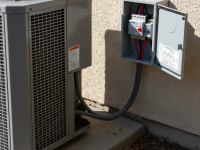
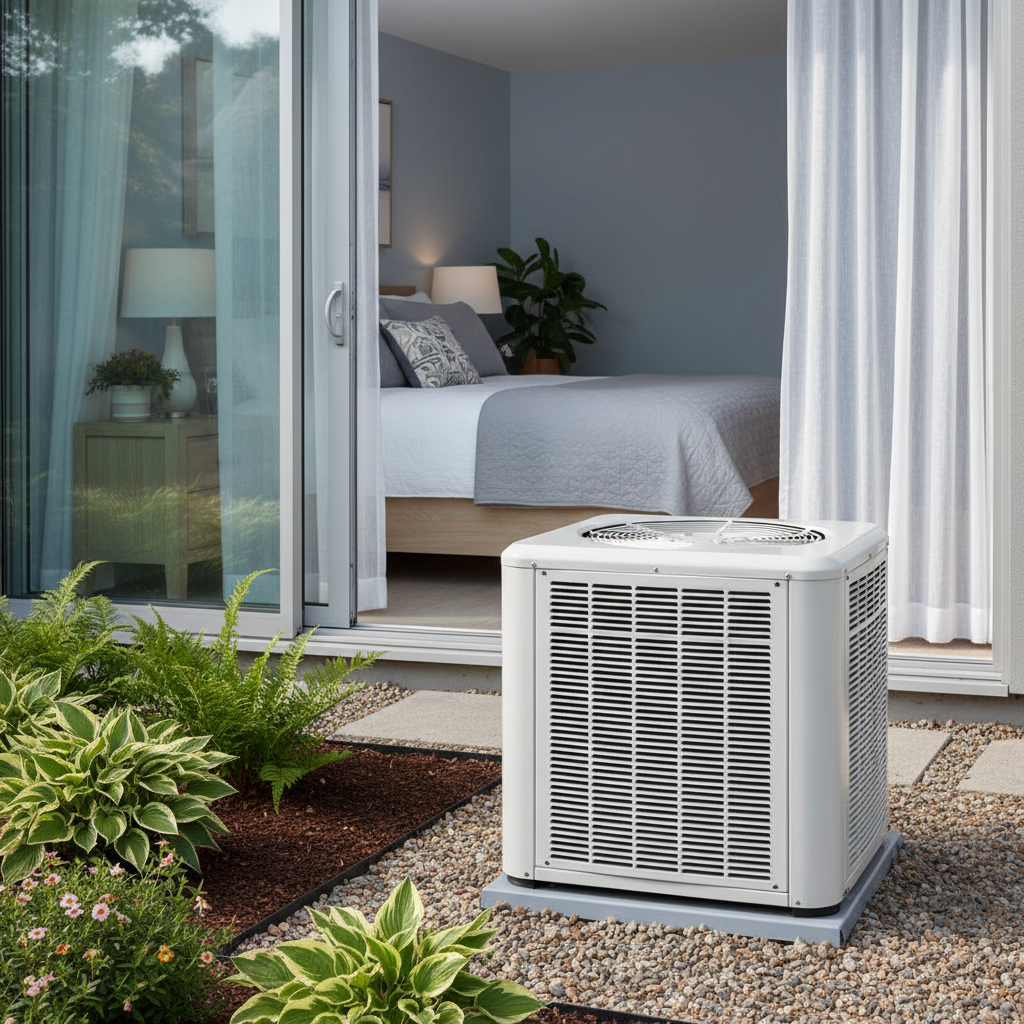
For air conditioning systems, the outdoor condenser unit needs clear space to dissipate heat. If it’s surrounded by overgrown shrubs, debris, or dirt, its efficiency plummets. While this directly impacts the cooling capacity rather than just airflow, a less efficient unit will struggle to cool the entire house, including bedrooms.
Low Refrigerant Levels (for AC)
If your air conditioner is low on refrigerant, it won’t be able to effectively cool the air. This results in warm air coming from the vents, or a general lack of cooling throughout the house, including the bedrooms, even if airflow volume seems adequate.
Dirty Evaporator Coils
The evaporator coil, located inside your indoor HVAC unit, is where the refrigerant absorbs heat from the indoor air. If this coil becomes coated with dirt and grime, it acts as an insulator, significantly reducing the system’s ability to cool the air. This can lead to a reduction in both cooling capacity and, indirectly, perceived airflow effectiveness.
Faulty Blower Motor
The blower motor is responsible for pushing conditioned air through your ductwork. If this motor is failing, struggling, or has a broken component (like a capacitor), it won’t be able to move air with sufficient force, resulting in weak airflow to all rooms, but often most noticeably in distant bedrooms.
Thermostat Issues
A poorly calibrated, improperly placed, or malfunctioning thermostat can give inaccurate readings, causing your HVAC system to operate inefficiently or incorrectly. If the thermostat is in a particularly warm or cold spot, it might trick the system into thinking the entire house is at the desired temperature, neglecting other rooms.
Insulation Deficiencies
While not strictly an airflow issue, poor insulation in attic spaces, walls, or around windows in bedrooms can lead to significant heat gain in summer and heat loss in winter. Even with perfect airflow, these rooms will struggle to maintain comfortable temperatures because the conditioned air quickly escapes or is overcome by external temperatures.
DIY Solutions: Troubleshooting Steps You Can Take
Before calling a professional, there are several simple checks and fixes you can perform yourself to address poor HVAC airflow in bedrooms.
Check and Replace Air Filters
This is your first and easiest step. Locate your air filter (usually near the indoor air handler or in a return vent). If it looks dirty or clogged, replace it immediately. Filters should typically be changed every 1-3 months, depending on usage, pet ownership, and local air quality. A clean filter can significantly improve airflow and system efficiency.
Inspect and Clear Vents/Registers
Walk into each bedroom and visually inspect all supply and return vents. Ensure they are fully open and free from any obstructions. Remove any furniture, rugs, or decorative items that might be blocking the flow of air. Clean accumulated dust and debris from the grates.
Ensure Furniture Isn’t Blocking Vents
Rearrange bedroom furniture to ensure that supply and return air registers have a clear path for air movement. It’s surprising how much a large wardrobe or bed can impede airflow.
Clean the Outdoor Unit (Condenser)
If you have an air conditioning unit, make sure the outdoor condenser unit is clear of leaves, grass clippings, dirt, and overgrown vegetation. Use a garden hose to gently spray down the fins from the inside out (after turning off power to the unit at the breaker). This improves heat dissipation and system efficiency.
Open Interior Doors
While it might seem counterintuitive, keeping bedroom doors open, especially those without a return air vent, allows for better air circulation and pressure equalization throughout the house. Closed doors can create pressure imbalances, making it harder for conditioned air to enter or leave the room effectively.
Adjust Damper Settings (if applicable)
Some duct systems have manual dampers, which are metal flaps inside the ducts that can be adjusted to control airflow. These are usually found near the main trunk lines in attics or basements. If you have them, check if any dampers leading to your bedrooms are partially or fully closed. Adjust them to ensure maximum airflow to problematic rooms. Be cautious when adjusting these, as improper settings can shift the problem to other rooms.
When to Call a Professional: Advanced Solutions and Expert Help
If DIY troubleshooting doesn’t resolve your poor HVAC airflow in bedrooms, it’s time to bring in a qualified HVAC technician. They have the tools and expertise to diagnose complex issues and implement lasting solutions.
Ductwork Inspection and Sealing
A professional can perform a thorough inspection of your entire ductwork system using specialized cameras and pressure tests. They can identify and seal leaks with mastic sealant or metallic foil tape, repair damaged sections, and ensure all connections are secure. Duct sealing can significantly improve airflow and energy efficiency. According to the U.S. Department of Energy, duct leakage can account for 20% to 30% of a home’s heating and cooling losses.
HVAC System Sizing and Upgrades
If your system is improperly sized, a technician can recommend solutions. This might involve a complete system replacement, but often there are less drastic measures like adjusting blower speeds or implementing specific modifications. For older systems, an upgrade to a more efficient unit might be the best long-term investment.
Zoning Systems
A zoning system divides your home into different temperature zones, each controlled by its own thermostat and motorized dampers within the ductwork. This allows you to direct conditioned air precisely where it’s needed most, perfectly solving the problem of uneven bedroom temperatures. While an initial investment, it offers unparalleled comfort and energy savings.
Adding Booster Fans
For individual problematic bedrooms, a duct booster fan can be installed directly into the ductwork leading to that room. These fans, either inline or register-mounted, help pull or push more air into the room, effectively increasing airflow to a specific area without overhauling the entire system.
Insulation and Air Sealing Improvements
An HVAC professional or home energy auditor can assess your home’s insulation levels, especially in the attic and walls surrounding bedrooms. Improving insulation and sealing air leaks around windows and doors can drastically reduce heat transfer, making it easier for your HVAC system to maintain consistent temperatures. Better Homes & Gardens provides excellent resources on how to assess and improve home insulation for energy savings, which directly impacts the effectiveness of your HVAC system.
Refrigerant Recharging and Coil Cleaning
If low refrigerant is suspected, a technician can find and repair the leak, then recharge your system to the correct levels. They can also professionally clean dirty evaporator coils, restoring your AC’s cooling capacity and efficiency.
Blower Motor Repair or Replacement
A failing blower motor requires professional attention. A technician can diagnose whether it needs repair (e.g., capacitor replacement) or if the entire motor needs to be replaced to restore proper airflow volume.
Preventative Measures for Consistent Bedroom Comfort
Once your airflow issues are resolved, taking proactive steps can help maintain consistent comfort and prevent future problems.
Regular HVAC Maintenance
Schedule annual professional tune-ups for your HVAC system (one for heating, one for cooling). A technician will clean components, check refrigerant levels, inspect electrical connections, lubricate moving parts, and identify potential issues before they become major problems. Regular maintenance ensures your system operates at peak efficiency and helps identify potential airflow issues early on.
Smart Thermostat Installation
Upgrade to a smart thermostat. These devices offer advanced scheduling, remote control, and often integrate with room sensors that can provide more accurate temperature readings from different areas of your home, helping to optimize overall comfort and efficiency.
Proper Home Insulation
Ensure your home, especially attic spaces and exterior walls of bedrooms, is adequately insulated. This creates a better thermal envelope, reducing the burden on your HVAC system and helping to maintain stable temperatures with less effort from the system.
Consider Professional Duct Cleaning
While not a solution for leaks or design flaws, professional duct cleaning can remove years of accumulated dust, allergens, and debris from your ductwork. This can improve indoor air quality and, in some cases, slightly improve airflow by reducing internal resistance, especially if ducts are heavily contaminated.
FAQs about Poor HVAC Airflow in Bedrooms
Q: Can closing vents in unused rooms improve airflow to bedrooms?
A: Generally, no. While it seems logical, closing vents in other rooms can increase static pressure within the duct system. This can put a strain on your HVAC unit’s blower motor, potentially leading to leaks in the ductwork, reduced system efficiency, and even damage over time. It’s usually better to keep all vents open and address the root cause of the airflow imbalance.
Q: How often should I change my HVAC filter?
A: Most manufacturers recommend changing filters every 1 to 3 months. Factors like pets, allergies, smoking, and overall air quality in your home can necessitate more frequent changes. Check your filter monthly, and replace it when it appears dirty.
Q: Is it bad to have a bedroom too cold or too hot?
A: Yes, consistently extreme temperatures in a bedroom can negatively impact sleep quality and overall comfort. Excessive heat can lead to restlessness, while extreme cold can be uncomfortable and potentially impact health. Aim for a comfortable sleeping temperature, typically between 60-67 degrees Fahrenheit (15-19 degrees Celsius).
Q: What’s the average cost to fix poor airflow?
A: The cost varies widely depending on the cause. Replacing an air filter is inexpensive (under $20). Duct sealing might range from a few hundred to over a thousand dollars. A new blower motor could be $400-$2,000. Installing a zoning system can be several thousand dollars. It’s best to get a professional diagnosis for an accurate estimate.
Q: Can a new thermostat fix airflow issues?
A: A new thermostat, especially a smart one, can improve how your system manages temperature and potentially identify imbalances. However, it won’t fix underlying physical issues like clogged filters, leaky ducts, or a failing blower motor. It’s a control mechanism, not a repair for mechanical problems.
Achieving consistent and comfortable temperatures throughout your home, especially in your bedrooms, is entirely possible. By understanding the common causes of poor HVAC airflow and systematically working through the available solutions—from simple DIY fixes to professional interventions—you can transform your living space into a haven of comfort and efficiency. Don’t let uneven temperatures dictate your home life; take action to optimize your HVAC system and enjoy the comfort you deserve.