In an era where urban living often means compact spaces, the demand for inventive and efficient interiors has never been higher. Far from being a limitation, a small footprint offers a unique opportunity to embrace creativity, minimalism, and unparalleled functionality. This article delves into how cutting-edge modern home design ideas for small homes, particularly through the clever integration of multifunctional furniture, can transform even the most modest dwelling into a haven of style, comfort, and intelligent living.
The Allure of Modern Small Home Design
The movement towards smaller homes isn’t just a trend; it’s a lifestyle choice reflecting a desire for sustainability, affordability, and a simplified existence. Modern small home design emphasizes clean lines, open spaces, and a deliberate focus on utility without sacrificing aesthetics. It champions the idea that less can indeed be more, especially when every square inch is optimized for both form and function.
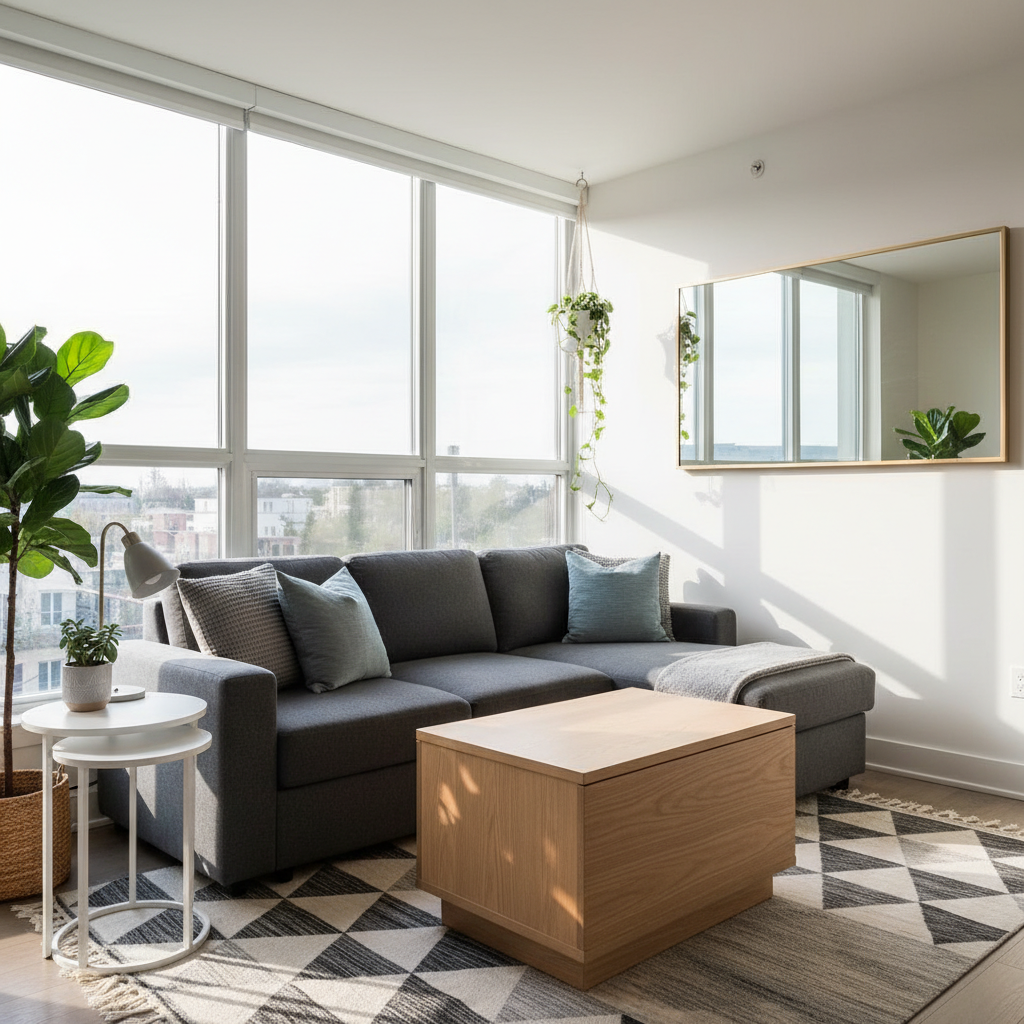
Embracing a modern aesthetic in a compact home means shedding excess and carefully curating every element. It’s about creating a harmonious environment where natural light is celebrated, materials are thoughtfully chosen, and clutter is kept at bay. The ultimate goal is to craft a space that feels expansive, inviting, and perfectly tailored to the needs of its inhabitants, rather than constrained by its size.
Core Principles of Modern Small Home Design
To successfully design a small modern home, certain foundational principles must be applied. These aren’t just decorative choices but strategic decisions that contribute to the overall spaciousness and usability of the environment.
Maximizing Natural Light
One of the most powerful tools in a small home designer’s arsenal is natural light. Abundant daylight makes a room feel larger, more airy, and more welcoming. To achieve this, consider light-colored window treatments that can be easily pulled back, or forgo them entirely where privacy allows. Strategic placement of mirrors opposite windows can also work wonders, reflecting light deeper into the space and creating an illusion of greater depth.
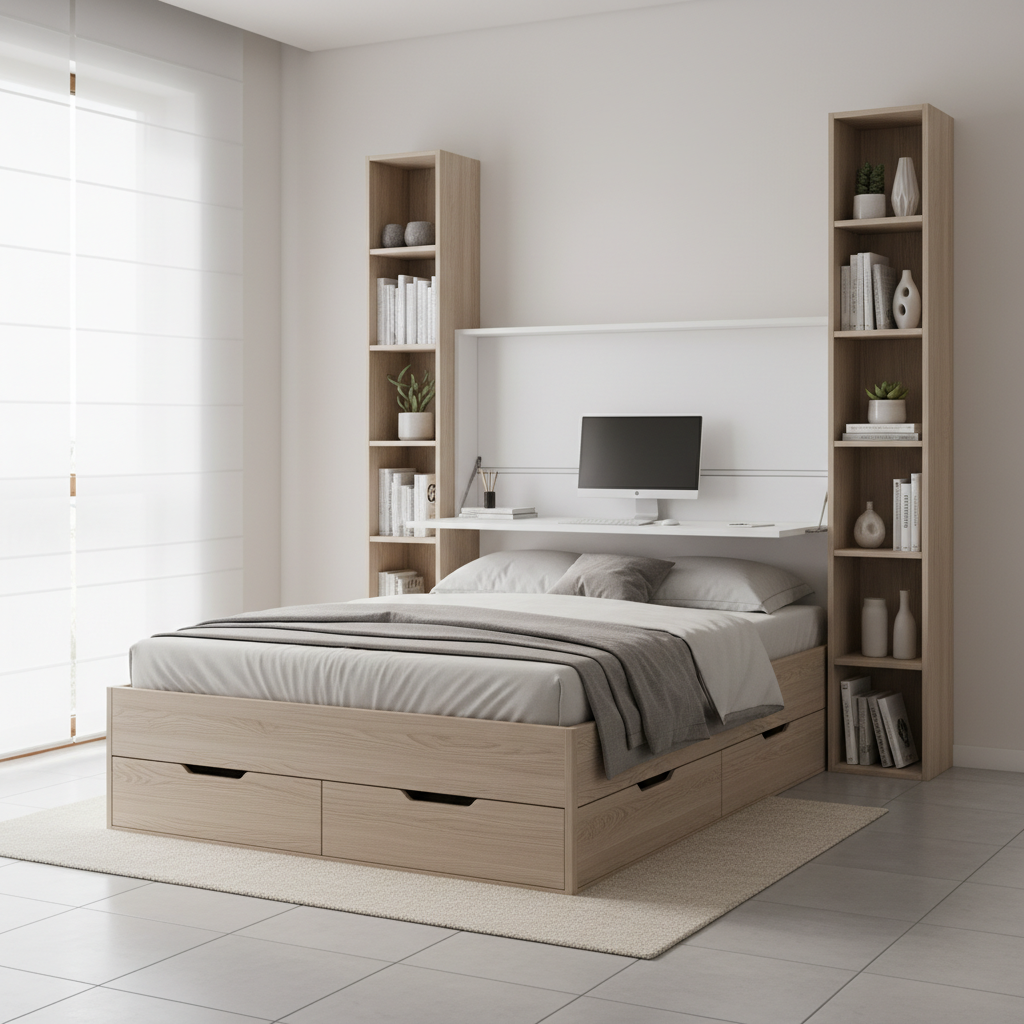
Additionally, keeping windows clear of heavy drapes or blinds ensures an unobstructed flow of light. If your home lacks sufficient natural light, a well-planned artificial lighting scheme, incorporating various layers of ambient, task, and accent lighting, can significantly brighten and define the space.
Open-Concept Layouts
Breaking down physical barriers is a hallmark of modern small home design. Open-concept layouts, where the living, dining, and kitchen areas flow seamlessly into one another, eliminate confining walls that chop up space. This creates a continuous visual line, making the entire area feel significantly larger than its individual components. While defining zones within an open plan is still important, it’s achieved through furniture arrangement, rugs, and lighting rather than solid walls.
This approach not only enhances the sense of spaciousness but also improves social interaction, making the home feel more connected and conducive to contemporary living. However, it requires a commitment to organization, as clutter in one area can easily spill over visually into another.
Strategic Color Palettes
Color plays a crucial psychological role in how we perceive space. For small homes, light and neutral color palettes are often recommended for walls and large furniture pieces. Whites, off-whites, greys, and pale blues or greens reflect light and push walls visually outwards, contributing to a sense of openness. This doesn’t mean your home has to be bland; pops of vibrant color can be introduced through accessories, artwork, or a single accent wall, adding personality without overwhelming the space.
Monochromatic schemes, using varying shades and textures of a single color, can also create a sophisticated and cohesive look that helps obscure the actual boundaries of a room, making it feel more expansive.
Streamlined Aesthetics
Modern design inherently favors clean lines, minimal ornamentation, and a clutter-free environment. In a small home, this aesthetic isn’t just about style; it’s about necessity. Every item should ideally serve a purpose or provide significant aesthetic value. Furniture with simple forms, concealed storage, and smooth surfaces contributes to an uncluttered look and feel. Avoiding overly ornate or bulky pieces is key to maintaining a sense of openness and ease of movement.
This principle extends to decor as well; choose a few impactful pieces rather than many small ones. The less visual “noise” there is, the more serene and spacious your small home will appear.
Vertical Space Utilization
When horizontal space is limited, the only way to go is up. Maximizing vertical space is a cornerstone of smart small home design. This involves installing floor-to-ceiling shelving, wall-mounted cabinets, tall bookcases, and even custom built-ins that stretch towards the ceiling. Not only does this provide invaluable storage, but it also draws the eye upwards, enhancing the perceived height of a room.
Think about using the space above doorways, around windows, and in awkward nooks for additional shelving or storage. Wall-mounted desks or entertainment units also free up precious floor space, contributing to a more open and navigable environment.
The Game-Changer: Multifunctional Furniture for Small Spaces
While the principles above lay the groundwork, multifunctional furniture is truly the linchpin that allows small modern homes to operate with incredible efficiency and style. These innovative pieces are designed to perform two or more functions, thus reducing the number of individual items needed and dramatically saving space.
The evolution of furniture design has brought forth ingenious solutions that are both practical and aesthetically pleasing. From beds that transform into desks to coffee tables that lift into dining surfaces, multifunctional pieces are essential investments for anyone looking to maximize living potential in a compact footprint.
Living Room Transformations with Multifunctional Pieces
The living room is often the heart of the home, and in a small space, it needs to be incredibly versatile. Multifunctional furniture allows this area to adapt seamlessly from a cozy relaxation zone to a vibrant entertainment hub or even an impromptu guest room.
- Sofa Beds and Daybeds: The classic solution for guest accommodation, modern sofa beds have come a long way in terms of comfort and style. Daybeds, which serve as a sofa by day and a bed by night, are also excellent choices, often featuring additional under-bed storage.
- Storage Ottomans and Coffee Tables: These are indispensable for decluttering. An ottoman can provide extra seating, a footrest, and hidden storage for blankets, books, or remote controls. Coffee tables designed with lift-tops or internal compartments offer similar benefits, keeping surfaces clear and essentials out of sight.
- Nesting Tables: A set of nesting tables offers incredible flexibility. The smaller tables tuck neatly under the larger one when not in use, and can be pulled out to serve as side tables for drinks, snacks, or extra surface area when entertaining.
- Console Tables with Stools: A slim console table can serve as a display surface in an entryway or living room, but if paired with compact stools that tuck underneath, it can quickly transform into a small dining area or an impromptu workstation.
Smart Solutions for Small Bedrooms
Bedrooms in small homes require ingenious solutions to balance comfort with practical storage and space-saving. The bed itself is often the largest piece of furniture, so making it work harder is crucial.
- Murphy Beds (Wall Beds): These iconic beds fold up vertically into a wall cabinet when not in use, freeing up significant floor space during the day. Modern designs are often integrated with shelving, desks, or even sofas, offering complete room transformations.
- Platform Beds with Storage: Instead of traditional bed frames, platform beds often feature integrated drawers or lift-up mechanisms, providing vast storage underneath the mattress without requiring additional furniture pieces like dressers.
- Headboards with Shelving/Storage: A headboard can be more than just a decorative element. Designs incorporating shelves, cubbies, or even built-in bedside tables eliminate the need for separate nightstands, keeping the area compact and organized.
- Desk/Wardrobe Combos: For micro-apartments or studio living, integrated units that combine a wardrobe, a desk, and shelving can provide all essential bedroom and work functions in a single, streamlined piece of furniture.
Elevating the Small Dining Area and Kitchen
Dining and kitchen spaces in small homes can feel cramped, but multifunctional pieces can create versatile areas for meal prep, dining, and even entertaining.
- Extendable Dining Tables: The quintessential space-saver, an extendable dining table can comfortably seat two or four for daily meals, then expand to accommodate more guests for special occasions.
- Folding Tables and Chairs: For truly minimal dining needs, folding tables that can be stored against a wall or in a closet, along with stackable or folding chairs, offer a completely disappearing dining solution.
- Kitchen Islands with Seating/Storage: A well-designed kitchen island can be a powerhouse in a small kitchen, providing extra counter space for prep, integrated storage drawers or shelves, and an overhang for bar stools, effectively creating a casual dining spot.
- Bar Carts/Serving Carts: A mobile cart can serve as extra counter space, a serving station during gatherings, or even a compact bar. Its mobility means it can be moved out of the way when not needed or repositioned to suit different functions.
Innovative Ideas for Home Offices in Compact Dwellings
With remote work becoming more common, integrating a functional home office into a small living space is essential. Multifunctional solutions make this possible without dedicating an entire room.
- Desk/Shelf Combos: Units that combine a desk surface with integrated shelving or cabinetry above provide a complete workstation while minimizing the footprint. These often blend seamlessly into living room or bedroom decor.
- Wall-Mounted Desks: From simple floating shelves that serve as a desk to elaborate fold-down units that disappear when not in use, wall-mounted desks keep the floor clear and can be integrated into almost any room.
- Hidden Desks (Cabinet Desks): For those who prefer to keep work out of sight, a desk cleverly concealed within an armoire or a dedicated cabinet is an elegant solution. When the workday is over, simply close the doors, and the room transforms back into a living space.
Beyond Furniture: Integrated Storage Solutions
While multifunctional furniture addresses many storage needs, a truly optimized small home also incorporates integrated storage solutions that are built into the architecture itself.
- Built-ins: Custom built-in shelving, cabinets, and window seats with hidden storage are incredibly efficient. They utilize every available inch, creating a seamless and bespoke look that often feels like part of the wall rather than an added piece of furniture.
- Under-Stair Storage: The space under staircases is frequently overlooked but can be transformed into a functional area with drawers, shelves, or even a compact half-bathroom or office nook.
- Wall-Mounted Shelving: Open or closed, shelves mounted directly to the wall keep items off the floor, enhancing the sense of spaciousness. They can be used for books, decor, or everyday essentials, depending on the room.
- Sliding Doors and Pocket Doors: Traditional swing doors require significant clearance. Opting for sliding barn doors or pocket doors that disappear into the wall frees up valuable floor space, making small rooms more functional and less cramped.
The Role of Decor and Accessories in Small Home Design
Even with smart furniture and integrated storage, the right decor and accessories are vital to making a small home feel stylish and spacious.
- Mirrors: As mentioned, mirrors are masters of illusion. Large mirrors not only reflect light but also create a sense of depth, effectively doubling the perceived size of a room.
- Art and Vertically Hung Elements: Choose artwork that complements your aesthetic and hang it strategically. Gallery walls can draw the eye upwards, emphasizing verticality. Floating shelves with curated decor also contribute to this effect.
- Strategic Lighting: Beyond natural light, a thoughtful lighting plan can define zones, create ambiance, and highlight architectural features. Incorporate task lighting (e.g., under-cabinet lights), ambient lighting (e.g., ceiling fixtures), and accent lighting (e.g., picture lights) to add depth and interest.
- Minimalist Decor: Adhere to the “less is more” philosophy. Choose a few well-loved and impactful decorative items rather than many small knick-knacks that can contribute to clutter.
- Textiles: Use rugs, throws, and cushions to add texture, warmth, and pops of color without adding bulk. A large area rug can also help define zones in an open-concept space.
Creating Flow and Zone Definition
In a small, open-concept home, creating a sense of flow and defining distinct zones without physical barriers is crucial. This ensures that while the space feels open, it also serves specific functions.
Rugs are excellent for anchoring different areas, such as a living room seating arrangement or a dining zone. Lighting can also delineate spaces; for instance, a pendant light over a dining table visually separates it from the adjacent living area. Furniture placement, like positioning a sofa to face a particular direction or using a console table as a divider, can subtly guide the eye and direct traffic flow. Even half-walls or carefully placed open shelving units can provide a sense of separation without completely blocking light or views.
Expert Tips for Small Home Living
Living effectively in a small modern home goes beyond design; it’s about adopting certain habits and mindsets.
- Declutter Regularly: This is arguably the most important tip. Small spaces are unforgiving of clutter. Adopt a minimalist mindset and regularly purge items you no longer use or need. A well-organized small home feels significantly larger and more peaceful. For valuable tips on maintaining a clutter-free home, resources like Good Housekeeping’s decluttering guides offer practical advice.
- Think Vertically: Always look up. Utilize wall space, install shelves, and choose tall, narrow furniture pieces.
- Embrace Modularity: Modular furniture pieces can be reconfigured to suit different needs and room layouts, offering ultimate flexibility.
- Invest in Quality Pieces: While it might be tempting to buy cheap furniture for a small space, investing in high-quality, durable, and well-designed multifunctional pieces will pay off in the long run. They stand up to wear and tear and often look better.
- Personalize Your Space: Even in a small, modern home, don’t shy away from infusing your personality. Thoughtfully chosen artwork, plants, and personal mementos can make your compact dwelling truly feel like home.
FAQs about Modern Small Home Design
Here are some frequently asked questions about designing and living in a small modern home:
Q: Can small homes feel luxurious?
A: Absolutely! Luxury in a small home comes from thoughtful design, high-quality materials, impeccable organization, and a curated selection of furnishings. Investing in a few high-impact pieces, opting for custom built-ins, and maintaining a clutter-free environment can make a small space feel incredibly upscale and sophisticated.
Q: How do I make a small room look bigger?
A: Use light, neutral colors on walls and large furniture, maximize natural light with minimal window treatments and mirrors, embrace open-concept layouts, utilize vertical space for storage, and keep clutter to an absolute minimum. Streamlined furniture with visible legs also helps to create an airy feel.
Q: Is multifunctional furniture durable?
A: The durability of multifunctional furniture varies significantly by quality and construction. Like any furniture, investing in well-made pieces from reputable brands is crucial, especially since these items will likely undergo more frequent use and transformation. Look for solid construction, smooth mechanisms, and quality upholstery.
Q: What’s the best color scheme for a small apartment?
A: Light, neutral colors like whites, greys, and pale beiges are generally best for the main walls and large furniture as they reflect light and create an expansive feel. You can introduce pops of color and personality through accent pillows, throws, artwork, or a single statement accessory to prevent the space from feeling bland.
Conclusion
Modern home design ideas for small homes are not about sacrificing comfort or style; they are about intelligent living, maximizing potential, and embracing creativity. By strategically implementing open-concept layouts, leveraging natural light, adopting smart color palettes, and most importantly, integrating innovative multifunctional furniture, even the smallest dwelling can be transformed into a highly functional, incredibly stylish, and deeply inviting sanctuary. Small living truly opens up a world of possibilities for a more organized, deliberate, and beautiful life.