There’s little more frustrating than a beautiful feature in your home turning into a daily struggle. If you find your sliding door difficult to open, sticking, or jamming, you’re not alone. This common household problem can be a real nuisance, transforming what should be a seamless transition between indoor and outdoor spaces into a test of strength and patience. Beyond the inconvenience, a sticky sliding door can also pose a safety risk and reduce your home’s energy efficiency. Fortunately, many of the issues causing a sliding door to become difficult to operate are relatively simple to diagnose and fix yourself. This comprehensive guide will walk you through the most common reasons why your sliding door might be giving you trouble and provide practical, step-by-step solutions to get it gliding smoothly once again.
Why is My Sliding Door Difficult to Open? Understanding the Problem
A sliding door, whether it’s a patio door, a closet door, or an interior room divider, relies on a system of tracks and rollers to function properly. When any part of this system is compromised, the door’s operation can become stiff, jerky, or even completely stuck. The feeling of a jammed sliding door isn’t just annoying; it can indicate underlying issues that, if left unaddressed, could lead to more significant damage or costly repairs down the line. Identifying the precise cause is the first step toward finding the right solution. Let’s delve into the most frequent culprits behind a sliding door that’s hard to open.
Common Culprits: Identifying the Root Cause of Your Sticking Sliding Door
Before you grab your tools, it’s essential to perform a thorough inspection of your door. Many problems present with similar symptoms, but their solutions are distinct. Pay close attention to how the door feels when you try to move it, listening for any unusual sounds or points of resistance. Here are the primary reasons why your sliding door might be difficult to open:
Dirty or Obstructed Tracks
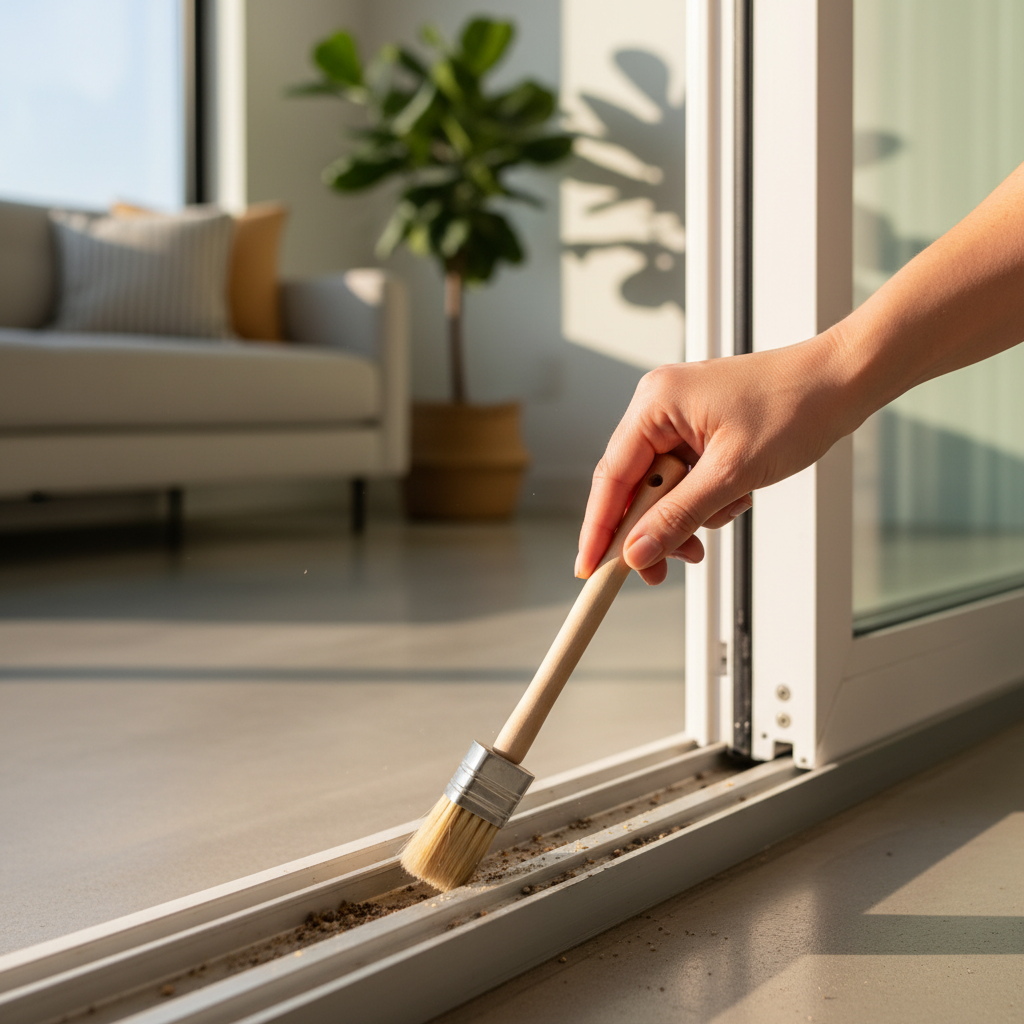
This is by far the most common reason for a sliding door that won’t slide easily. The bottom track, in particular, is a magnet for dirt, dust, pet hair, leaves, twigs, and other debris. Over time, this accumulation creates a gritty barrier that prevents the door’s rollers from moving freely. Even a small pebble or a clump of mud can bring a heavy door to a grinding halt. You might notice the door making a scraping sound or feeling resistance at specific points along the track.
Worn-Out or Damaged Rollers/Wheels
The rollers (sometimes called wheels or glides) are the workhorses of your sliding door system. Located at the bottom edge of the door panel, they bear the full weight of the door and allow it to glide. With years of use, these rollers can wear down, become caked with grime, or even break. Signs of worn rollers include grinding noises, significant resistance when opening or closing, or the door appearing to sag or drag on one side. If the rollers are severely damaged, they may not turn at all, causing the door to essentially drag across the track.
Misaligned Door Panel
Over time, the weight of the door, foundation settling, or repeated forceful opening/closing can cause the door panel to shift out of alignment. A misaligned door can bind against the frame or the other door panel, making it challenging to move. This issue might manifest as the door rubbing against the frame at the top or bottom, or a noticeable gap appearing unevenly around the door when it’s closed. Most sliding doors have adjustment screws on their rollers that allow for minor tweaks to height and plumb.
Damaged or Corroded Hardware (Handles, Locks)
While less common for the primary “sliding” issue, sometimes the problem isn’t the slide itself, but the associated hardware. A bent or loose handle can make it difficult to get a good grip, giving the impression that the door is heavy or stuck. Similarly, a malfunctioning lock mechanism, even when unlocked, can slightly impede the door’s movement or snag on the frame, leading to a sticky sliding door experience. Inspect the handle for firmness and the lock for smooth engagement and disengagement.
Foundation Settling or Frame Issues
This is a more serious and less common cause, but it’s worth considering, especially in older homes or areas prone to ground movement. If your home’s foundation shifts, it can cause the door frame itself to twist or become out of square. This distortion puts immense pressure on the sliding door system, causing it to bind severely. Symptoms might include cracks in nearby walls, doors that are difficult to open and close throughout the house, and persistent misalignment even after roller adjustments. This issue typically requires professional assessment.
Humidity and Weather Changes (Door Swelling)
Wood and some composite doors can absorb moisture from the air, especially in humid climates, causing them to swell. This expansion makes the door panel slightly larger, causing it to rub against the frame or other door components. Conversely, in very dry conditions, wood can shrink, potentially causing misalignment. While less common with modern vinyl or aluminum doors, older wood-framed sliding doors are particularly susceptible to this issue. You might notice the problem is worse during specific seasons.
Lack of Lubrication
Just like any mechanical system with moving parts, sliding door rollers and tracks benefit from proper lubrication. Without it, friction increases, making the door much harder to move. Over time, factory lubrication can wear off, or dust and grime can turn it into a sticky paste. A lack of lubrication often results in a squeaky or grinding sound and a general feeling of resistance.
DIY Solutions for a Sticky Sliding Door
Once you’ve identified the likely cause, it’s time to roll up your sleeves and get your sliding door back in top shape. Here are practical DIY steps you can take:
1. Cleaning the Tracks Thoroughly
This is often the simplest yet most effective solution. You’ll be amazed at how much debris can accumulate.
- Gather Your Tools: You’ll need a stiff brush (a wire brush works well for stubborn grime), a vacuum cleaner with a crevice attachment, a flat-head screwdriver or putty knife, rags, and a bucket of warm, soapy water.
- Prepare the Door: If possible, lift the sliding door panel off its track and lean it safely against a wall. This provides full access to the track. If the door is too heavy or awkward, you can clean as best you can with the door in place, moving it back and forth to access different sections.
- Remove Large Debris: Use the flat-head screwdriver or putty knife to scrape out any large chunks of dirt, pebbles, or matted pet hair.
- Vacuum: Use your vacuum cleaner’s crevice tool to suck up all loose dirt, dust, and debris from the entire length of both the top and bottom tracks. Don’t forget the vertical grooves.
- Scrub the Tracks: Dip your stiff brush into warm, soapy water and vigorously scrub the inside of the tracks. Pay special attention to any grime build-up or caked-on residue. For particularly stubborn spots, you might use a degreaser or a mild abrasive cleaner, but always test it on an inconspicuous area first.
- Wipe Clean: Use a clean, damp rag to wipe away all soap residue and loosened dirt. Follow up with a dry rag to ensure the tracks are completely dry before proceeding.
To ensure you’re using the best techniques for maintaining various household items, you might find Good Housekeeping’s comprehensive home maintenance checklist a valuable resource for other areas of your home as well.
2. Lubricating Rollers and Tracks
Once your tracks are sparkling clean, lubrication is key to smooth operation.
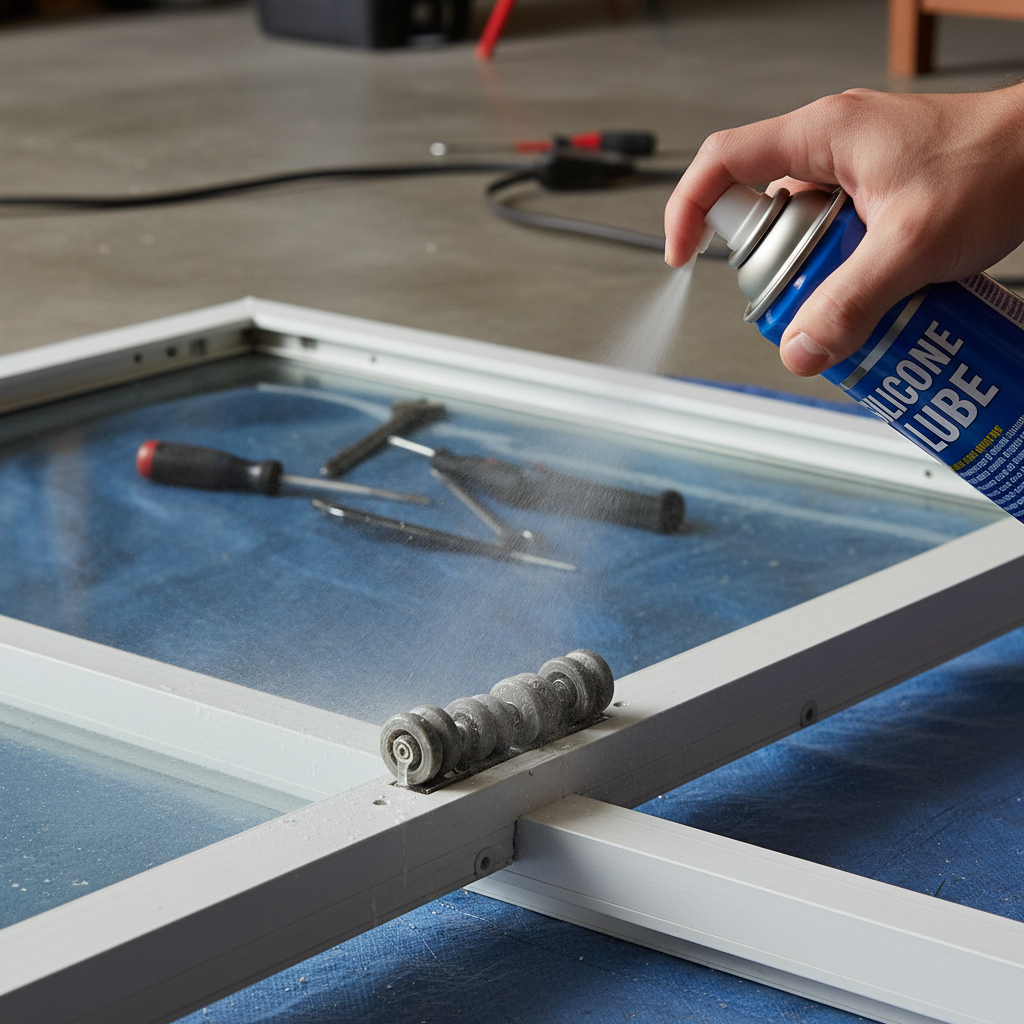
- Choose the Right Lubricant: Avoid oil-based lubricants like WD-40, which can attract more dirt and become sticky over time. Silicone-based spray lubricant or a dry Teflon-based lubricant is ideal for sliding door tracks and rollers. These create a slippery surface without leaving a greasy residue.
- Apply to Rollers: If you removed the door, spray the lubricant directly onto the rollers. Spin them to ensure even coating.
- Apply to Tracks: Spray a thin, even coat of lubricant along the entire length of both the top and bottom tracks.
- Test the Door: Carefully place the door back on its track (if removed) and slide it back and forth several times to distribute the lubricant. You should immediately feel a significant difference.
3. Adjusting Rollers and Alignment
If cleaning and lubrication haven’t fully solved the problem, or if you noticed the door rubbing, adjustment is the next step.
- Locate Adjustment Screws: Most sliding doors have adjustment screws on the bottom edge of the door panel, usually near the rollers. These are often covered by decorative caps or plugs that you’ll need to remove. You’ll typically need a Phillips head screwdriver.
- Understand the Adjustment: Turning the screws clockwise will usually raise the door, while turning them counter-clockwise will lower it. Make small, incremental adjustments.
- Adjust and Test: Adjust one roller at a time, making a quarter or half turn. Then, slide the door back and forth to test its movement. Look for consistent gaps around the door frame and smooth operation. The goal is for the door to be level and parallel with the frame, not binding anywhere.
- Troubleshooting: If the door is still dragging, continue to make small adjustments, alternating between the left and right rollers until the door glides freely. It can be a trial-and-error process, so be patient.
4. Tightening or Replacing Hardware
If your handle is loose or your lock is sticking, address these directly.
- Tighten Screws: Use a screwdriver to tighten any loose screws on the handle mechanism.
- Lubricate Lock: For a sticky lock, use a graphite-based lubricant (not a wet lubricant) specifically designed for lock mechanisms. Insert the key, spray a tiny amount of lubricant into the keyway, and work the key in and out several times.
- Replace Damaged Parts: If a handle is cracked or a lock is severely jammed, replacement parts are often available at hardware stores. This might involve unscrewing the old hardware and installing the new.
5. Addressing Swelling (for Wood Doors)
If humidity is causing your wood door to swell, you have a few options:
- Increase Ventilation: Improve air circulation in the area to reduce humidity. A dehumidifier can be very effective.
- Sanding (Extreme Cases): If the door consistently rubs even after all other adjustments, and it’s clearly due to swelling, you may need to carefully sand down the specific edges of the door panel that are binding. This is a more permanent solution and should be done cautiously, removing only minimal material. Remember to reseal or repaint the sanded area to prevent future moisture absorption.
When to Call a Professional for Your Difficult Sliding Door
While many sliding door problems are DIY-friendly, some situations warrant calling in a professional. Knowing your limits can save you time, frustration, and potential damage.
- Damaged Rollers Beyond Repair: If your rollers are completely seized, broken, or rusted beyond easy replacement, a professional can source and install new ones, especially for older or less common door models.
- Severe Misalignment or Frame Issues: If you suspect foundation settling or the door frame itself is warped, a general contractor or a specialized door repair service should be consulted. This is a structural issue, not just a door mechanism issue.
- Broken Glass or Damaged Door Panel: Any damage to the glass panel or significant structural damage to the door itself should be handled by experts for safety reasons and proper repair.
- Heavy or Complex Doors: If your sliding door is particularly heavy, made of unique materials, or has a complex multi-panel design, lifting and working with it can be dangerous. Professionals have the right tools and experience.
- Lack of Tools or Confidence: If you don’t have the necessary tools or simply aren’t confident in performing the repairs yourself, a professional will ensure the job is done correctly and safely.
Preventative Maintenance: Keeping Your Sliding Door Smooth
Once you’ve got your sliding door gliding freely again, adopting a routine maintenance schedule will prevent future issues and extend its lifespan.
- Regular Track Cleaning: Make it a habit to vacuum the tracks at least once a month, or more frequently if you have pets or live in a dusty/leafy area. A quick wipe-down with a damp cloth can also prevent grime buildup.
- Periodic Lubrication: Re-lubricate the rollers and tracks every 6-12 months, or whenever you notice a slight increase in resistance. Always use a silicone or Teflon-based lubricant.
- Inspect Rollers and Hardware: Annually, or bi-annually, inspect the rollers for signs of wear, cracks, or excessive dirt. Check handles and locks for tightness and smooth operation. Address any minor issues before they become major problems.
- Check for Alignment: Periodically check if the door is still properly aligned. Small adjustments made early can prevent greater problems down the road.
- Protect from Elements: For exterior sliding doors, consider adding weatherstripping or ensuring existing weatherstripping is in good condition to protect against moisture and debris ingress.
Frequently Asked Questions About Sliding Doors
How do I lubricate a sliding door?
First, clean the tracks thoroughly. Then, use a silicone-based spray lubricant or a dry Teflon-based lubricant. Spray a thin, even coat directly onto the rollers (if accessible) and along the entire length of the top and bottom tracks. Slide the door back and forth several times to distribute the lubricant.
What kind of lubricant should I use for sliding doors?
Always use a silicone-based spray lubricant or a dry Teflon-based lubricant. Avoid oil-based products like WD-40, which can attract dirt and grime, leading to more sticking issues over time.
Can I fix a misaligned sliding door myself?
In many cases, yes. Most sliding doors have adjustment screws located on the bottom edge near the rollers. By turning these screws (usually with a Phillips head screwdriver), you can raise or lower the door panel to correct minor misalignment. Make small, incremental adjustments and test the door’s movement after each adjustment.
How often should I clean my sliding door tracks?
For optimal performance, vacuum your sliding door tracks at least once a month. If you have pets, live near a dusty road, or have a lot of foot traffic in and out of the door, you might need to clean them more frequently.
When should I replace my sliding door rollers?
You should consider replacing your sliding door rollers if they are visibly damaged (cracked, broken, rusted), if they make loud grinding noises even after cleaning and lubrication, or if the door consistently sags and drags despite proper adjustments. Replacing rollers is a common repair that can significantly improve door function.
Conclusion
Dealing with a sliding door difficult to open can be a genuine inconvenience, but with a little investigation and effort, you can often restore it to its smooth, effortless operation. From simple track cleaning and lubrication to adjusting rollers or replacing minor hardware, most issues are within the scope of a savvy homeowner. By understanding the common causes and implementing the straightforward solutions outlined in this guide, you can eliminate the frustration and once again enjoy the seamless functionality and aesthetic appeal that a well-maintained sliding door brings to your home. And remember, for those more complex or daunting issues, a professional is always just a call away.