Embracing Your Starter Home’s Potential
Before diving into decor, take a moment to understand the unique characteristics and potential of your starter home. It’s often a smaller space, which presents its own design challenges and opportunities.
Assess Your Space and Needs
Walk through each room with a critical eye. What are the fixed elements (flooring, paint, built-ins)? What’s the natural light like? More importantly, consider your lifestyle. Do you work from home? Love to entertain? Need dedicated storage for hobbies? Prioritizing your needs will guide your design decisions.
- Layout Evaluation: Understand traffic flow and how each room connects.
- Functionality First: How will each space be used daily?
- Storage Requirements: Identify areas where you’ll need to store items.
Set a Realistic Budget
One of the most crucial steps for any beginner homeowner is establishing a budget. It’s easy to get carried away with inspiration, but a clear financial plan will help you make smart choices and avoid overspending. Decide what you’re willing to invest in and where you can save.
Foundation First: Essential Design Principles for New Homeowners
Starting with a solid foundation makes the entire design process smoother and more enjoyable. These principles are universal and particularly helpful for those new to home decor.
Declutter and Organize from the Start
This is arguably the most impactful step, especially in a starter home which might have limited square footage. Before bringing in new items, declutter existing possessions and create a system for organization. A tidy home feels larger, more peaceful, and is easier to decorate. Consider multi-purpose furniture with built-in storage.
For excellent tips on keeping your first home organized, especially when space is at a premium, check out this helpful guide from Good Housekeeping on organizing small spaces.
Define Your Personal Style (Keep It Simple)
Don’t feel pressured to pick one rigid style immediately. As a beginner, focus on what you genuinely love and what makes you feel comfortable. Start with broad preferences: Do you like modern or traditional? Minimalist or cozy? Natural tones or vibrant colors? Your style will evolve, but a simple starting point prevents costly mistakes.
Master the Art of Color Palette Selection
Choosing paint colors can be daunting. For a starter home, a neutral base (think whites, grays, beiges, or light pastels) is often the safest and most versatile choice. Neutrals make rooms feel larger and brighter and allow you to easily introduce color through accessories, textiles, and art, which are much easier and cheaper to change later.
- Neutral Walls: Provide a calm backdrop.
- Accent Colors: Introduce through cushions, throws, rugs, and decor items.
- Test Swatches: Always paint samples on your walls to see how colors look in different lighting conditions.
Illuminate Your Space: Lighting Strategies
Good lighting can dramatically transform a room. For beginners, focus on a mix of natural and artificial light sources.
- Maximize Natural Light: Keep windows clear, use light-filtering curtains or blinds, and consider reflective surfaces like mirrors.
- Layered Lighting: Combine ambient (overhead), task (desk lamps, reading lights), and accent lighting (spotlights on art). This creates depth and allows you to adjust the mood.
Room-by-Room Simple Home Design Ideas for Your Starter Home
Let’s break down practical design tips for each primary area of your first home.
The Inviting Living Room
Your living room is often the heart of your home and where you’ll spend a lot of time. Focus on comfort and functionality.
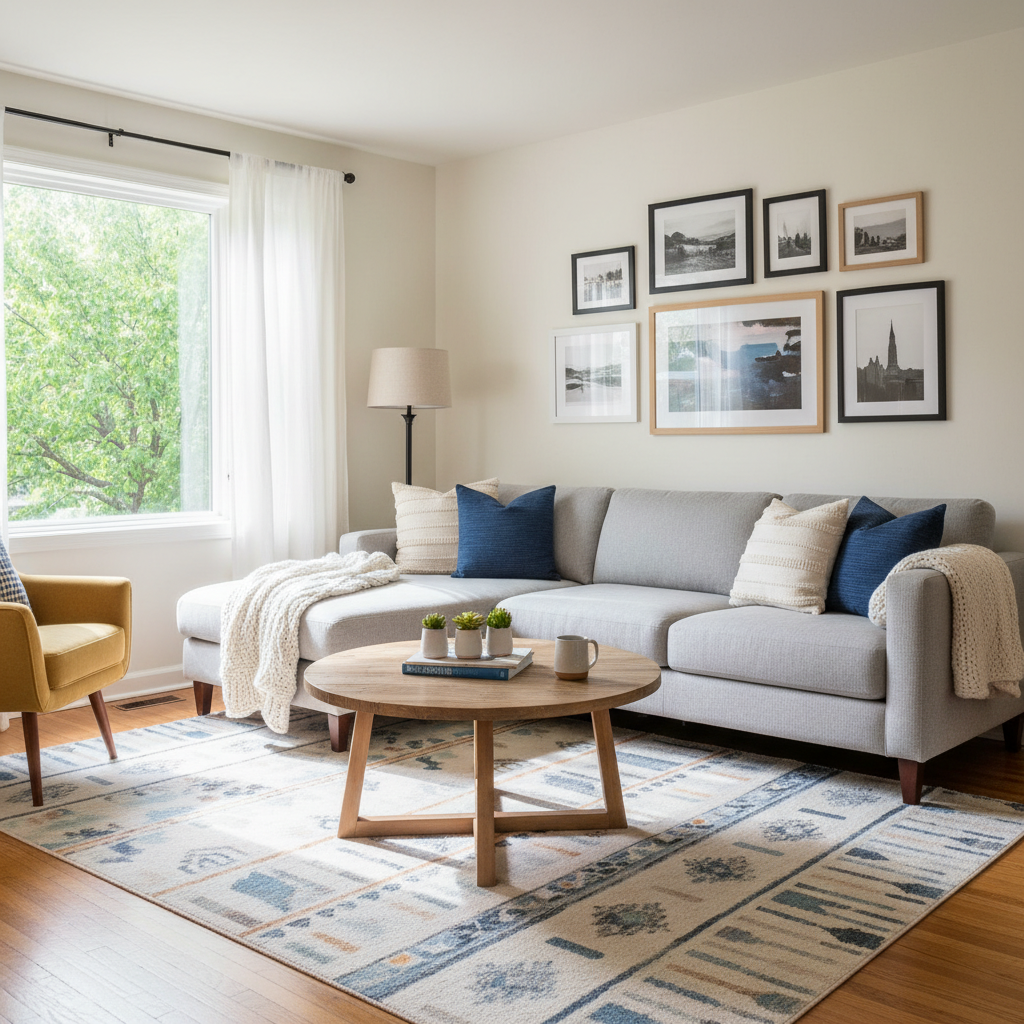
- Furniture Arrangement: Start by placing the largest piece (sofa) against the longest wall or the focal point (TV, fireplace). Arrange other pieces around it to facilitate conversation. Don’t push everything against the walls; pull furniture slightly away to create a cozier feel.
- Multi-functional Pieces: An ottoman that doubles as a coffee table and storage, or a console table that can serve as a desk, are perfect for smaller spaces.
- Textiles and Texture: Add warmth and personality with throw pillows, blankets, and an area rug. These are easy and affordable ways to introduce color and pattern.
- Wall Decor: Create a gallery wall with affordable prints, personal photos, or even simple mirrors to expand the space visually.
The Serene Bedroom Sanctuary
Your bedroom should be a peaceful retreat. Focus on comfort, good sleep, and smart storage.
- Comfortable Bedding: Invest in quality sheets, pillows, and a duvet. This is where you spend a third of your life!
- Strategic Storage: Under-bed storage bins, a dresser, and a nightstand with drawers are essential. Consider a clothing rack if closet space is minimal.
- Calming Colors: Stick to serene color palettes for walls and major textiles.
- Dim Lighting: Bedside lamps with warm light help create a relaxing ambiance.
The Functional Kitchen
Even if your starter home kitchen isn’t brand new, you can make it both functional and stylish.
- Declutter Countertops: Keep only essential appliances out. Store rarely used items away.
- Smart Organization: Utilize drawer organizers, pantry shelves, and wall-mounted spice racks.
- Small Upgrades: Replace old cabinet hardware for an instant refresh. Add a few plants or a nice fruit bowl for a touch of life.
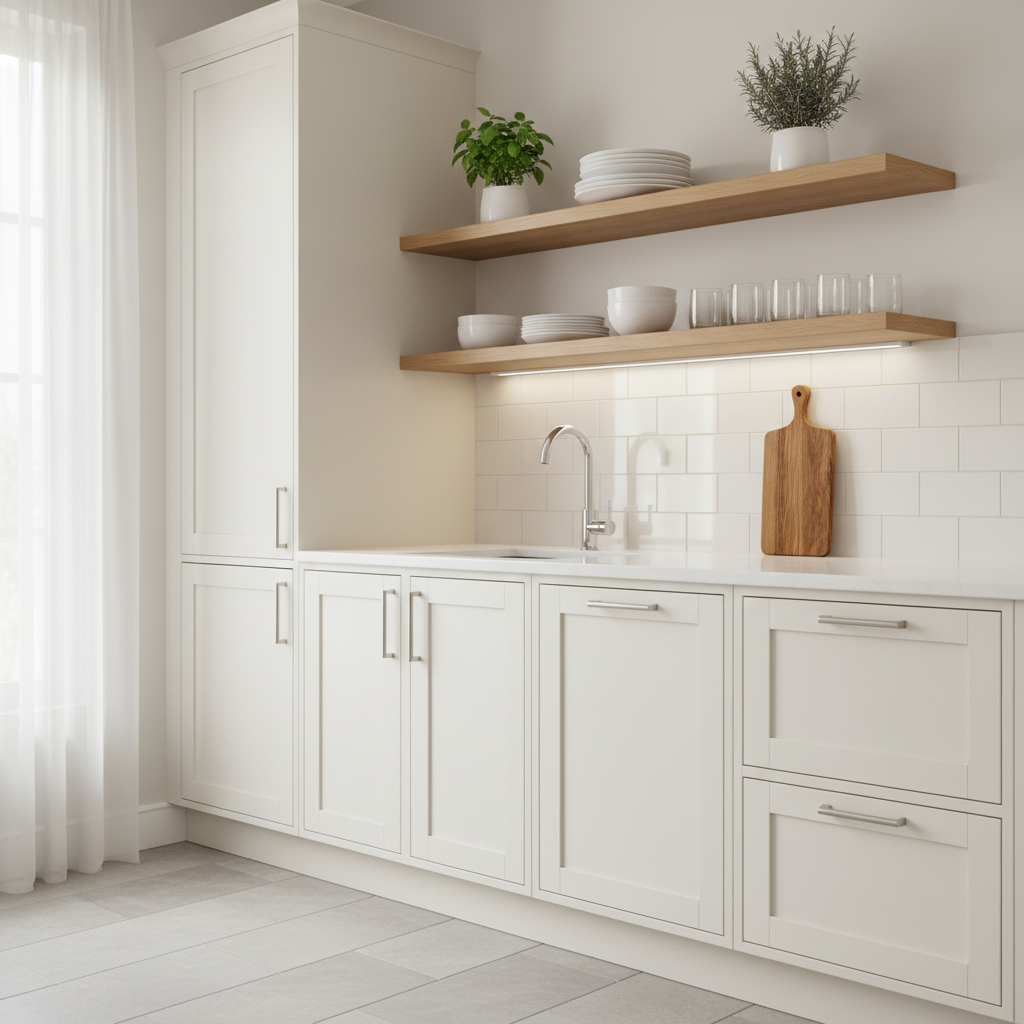
- Consider Open Shelving: If you have attractive dishes or glassware, open shelves can make a small kitchen feel less confined.
The Efficient Bathroom
Maximizing space and maintaining cleanliness are key in a starter home bathroom.
- Storage Solutions: Over-the-toilet shelving, shower caddies, and under-sink organizers are crucial.
- Fresh Linens: New towels and a shower curtain can dramatically update the look.
- Mirrors: A large mirror can make a small bathroom appear bigger and brighter.
- Air Fresheners/Plants: Keep the space smelling fresh and add a small, humidity-loving plant for a natural touch.
The Welcoming Entryway (If Applicable)
Even a small entryway can be both practical and inviting.
- Drop Zone: A small console table, shelf, or wall hooks for keys, mail, and coats.
- Shoe Storage: A slim shoe rack or basket keeps clutter at bay.
- Mirror: Handy for a last-minute check and visually expands the space.
Smart Buys for Your Starter Home: Budget-Friendly Decorating
Decorating your first home doesn’t have to break the bank. Smart shopping can yield fantastic results.
Embrace Thrift Stores and Secondhand Finds
Flea markets, garage sales, and online marketplaces are treasure troves for unique, affordable pieces. Look for solid wood furniture that can be painted or refinished, vintage decor, and interesting lamps.
Prioritize Investment Pieces Wisely
While saving money is important, there are some items worth investing in: a comfortable mattress, a sturdy sofa, and good quality window treatments. These items impact comfort and longevity more than decorative accents.
Multi-functional Furniture is Your Best Friend
In a starter home, every piece of furniture should earn its keep. Look for coffee tables with storage, sofa beds for guests, ottomans that open up, or nesting tables.
Bringing It All Together: Personal Touches and Finishing Steps
Once the foundational elements are in place, it’s time to infuse your personality.
Add Art and Personal Decor
Hang art that you love. Frame personal photos. Display meaningful mementos. These are the elements that truly make a house feel like a home. Don’t be afraid to mix high-end pieces with budget-friendly finds.
Introduce Greenery
Plants instantly bring life, color, and freshness into any room. Choose low-maintenance varieties if you’re a beginner plant parent.
Create Zones in Open Layouts
If your starter home has an open-concept living and dining area, use area rugs, furniture arrangement, and even subtle changes in wall color to define different functional zones within the larger space.
Common Pitfalls for Beginner Home Designers to Avoid
Learning from common mistakes can save you time, money, and frustration.
- Over-Decorating: Less is often more, especially in smaller starter homes. A cluttered space feels chaotic and can overwhelm the eye.
- Impulse Buys: Avoid buying items just because they’re on sale or look good in a store. Always measure your space and visualize where an item will go before purchasing.
- Ignoring Functionality: A beautiful room isn’t truly successful if it doesn’t meet your daily needs. Prioritize comfort and utility.
- Trying to Do Everything at Once: Design is a process. Tackle one room or one project at a time. Your style will evolve, and rushing can lead to decisions you later regret.
- Not Measuring: Always measure your space (and doorways!) before buying furniture to ensure it fits.
Maintenance and Evolution: Your Home Design Journey
Designing your starter home is not a one-time event; it’s an ongoing journey. As you live in your space, you’ll discover what works and what doesn’t. Your style will mature, and your needs may change. Regularly declutter, clean, and allow your home to evolve with you. Enjoy the process of creating a space that genuinely reflects who you are.
FAQs About Simple Home Design for Beginners
How do I start decorating my first home on a tight budget?
Begin by decluttering thoroughly to maximize existing space. Prioritize essential furniture over decorative items. Utilize secondhand stores, DIY projects, and inexpensive items from discount retailers. Focus on paint, lighting, and textiles to make a big impact without high costs. Don’t buy everything at once; furnish your home gradually.
What are the most important elements for a cozy starter home?
To create a cozy atmosphere, focus on layered lighting (warm lamps over harsh overheads), soft textiles (rugs, throws, pillows), comfortable seating, and personal touches like photos and art. Incorporate natural elements such as plants and wood tones. Warm color palettes can also enhance coziness.
Should I paint my starter home before moving in or after?
Ideally, it’s best to paint before moving in. Empty rooms are much easier and quicker to paint, and you won’t have to worry about moving furniture or covering belongings. If that’s not possible, tackle one room at a time, starting with the most frequently used spaces.
How do I make a small starter home feel larger?
Employ light, neutral color palettes on walls, use mirrors to reflect light and expand space visually, choose multi-functional and appropriately sized furniture, maximize natural light, and keep clutter to a minimum. Vertical storage solutions also draw the eye upward, making ceilings appear higher.
What’s the best way to define my personal decor style as a beginner?
Start by creating a mood board (physical or digital) with images from magazines, Pinterest, or Instagram that appeal to you. Look for recurring themes in colors, textures, furniture types, and overall vibes. Don’t overthink it; simply collect what you love, and your style will naturally emerge.