There’s nothing quite like stepping into a fresh, clean bathroom, but that pleasant feeling can quickly dissipate when you’re met with an unwelcome, musty odor. Often, the culprit is your shower curtain attracting mildew smell, a common problem in bathrooms due to their inherent humidity. Mildew, a type of fungus, thrives in damp, warm, and poorly ventilated environments, making your shower curtain an ideal breeding ground. This not only creates an unpleasant aroma but can also be a sign of a deeper cleanliness issue. Understanding why your shower curtain is attracting mildew and, more importantly, how to prevent and eliminate it, is key to maintaining a healthy and inviting bathroom space. This comprehensive guide will walk you through the causes, preventative measures, and effective cleaning strategies to ensure your shower curtain stays fresh and odor-free, transforming your bathroom back into the sanctuary it should be.
Why Your Shower Curtain Becomes a Mildew Magnet
Before diving into solutions, it’s crucial to understand the conditions that allow mildew to flourish on your shower curtain. Mildew spores are omnipresent in the air, but they only become problematic when they land on a surface with the right combination of elements to grow. Your shower curtain often provides this perfect storm of factors.
The Science Behind Mildew Growth
- Moisture: This is the number one requirement for mildew. Every time you shower, water splashes onto the curtain, creating a moist environment. If this moisture isn’t allowed to dry completely, mildew will seize the opportunity to grow.
- Warmth: Bathrooms are generally warmer than other parts of the house, especially after a hot shower. The warmth accelerates mildew growth.
- Darkness: Mildew, like many fungi, prefers dark or dimly lit areas. The folds and creases of a shower curtain, especially when bunched up, create perfect shaded spots for spores to settle and multiply away from light.
- Organic Material: While synthetic shower curtains might seem immune, mildew can feed on soap scum, body oils, dead skin cells, and other organic residues that accumulate on the surface. Fabric curtains, being more porous, can absorb and retain moisture, making them even more susceptible.
- Poor Air Circulation: Without adequate ventilation, the humid air within the shower area becomes trapped. This prevents the shower curtain from drying thoroughly and quickly, creating a consistently damp environment ripe for mildew.
Common Scenarios That Encourage Mildew
- Infrequent Drying: Leaving your shower curtain bunched up after a shower traps moisture in its folds, creating isolated pockets of dampness that take longer to dry.
- Lack of Ventilation: If your bathroom lacks an exhaust fan or you rarely open a window, humid air lingers, keeping surfaces damp for extended periods.
- Neglected Cleaning: Over time, shower curtains accumulate soap scum, shampoo residue, and body oils. These deposits provide a food source for mildew spores.
- Material Type: Certain materials, particularly porous fabrics like cotton, can absorb and retain moisture more readily than smooth vinyl or PEVA curtains, making them more prone to mildew if not properly cared for.
Effective Strategies to Prevent Shower Curtain Mildew and Odor
Preventing mildew from forming in the first place is far easier than trying to remove it once it has taken hold. By implementing a few simple habits and making smart choices, you can significantly reduce the likelihood of your shower curtain attracting mildew smell.
Improve Bathroom Ventilation
Ventilation is paramount in combating bathroom humidity, which is the root cause of mildew. Make it a routine to ensure proper airflow every time you shower.
- Use Your Exhaust Fan: Turn on your bathroom exhaust fan before you step into the shower and keep it running for at least 15-20 minutes after you’re done. This helps draw out moisture-laden air.
- Open a Window: If you have a window in your bathroom, open it slightly during and after your shower to allow fresh air in and humid air out.
- Leave the Door Ajar: If neither an exhaust fan nor a window is available, leaving the bathroom door slightly open can help circulate air and prevent moisture from becoming completely trapped.
Ensure Proper Drying of Your Shower Curtain
How you leave your shower curtain after a shower makes a significant difference in its drying time.

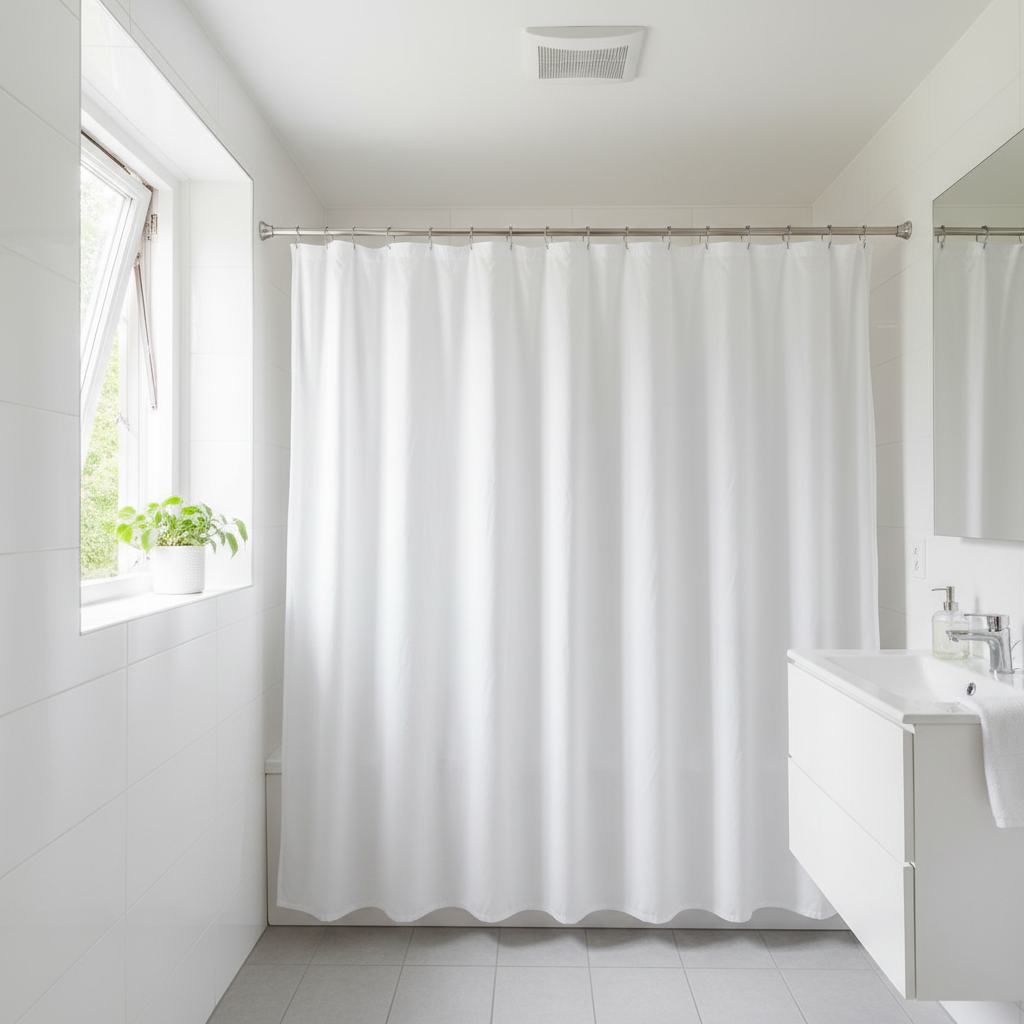
- Fully Extend the Curtain: After each shower, pull your shower curtain fully closed across the rod. This spreads out the material, allowing air to circulate around it and facilitating faster drying. Avoid leaving it bunched up.
- Open the Liner Separately: If you have a fabric curtain and a plastic liner, ensure both are extended and not pressed against each other. Sometimes, separating them slightly can aid air circulation between the layers.
Choose Mildew-Resistant Materials
The material of your shower curtain and liner can play a role in its susceptibility to mildew.
- PEVA or Vinyl Liners: These smooth, non-porous materials are less likely to absorb water and tend to dry quickly. Many also come with anti-microbial treatments to further deter mildew growth.
- Fabric Curtains: While fabric curtains offer a softer, more decorative look, choose those made from materials like polyester, which dries faster than cotton. Look for options labeled “water-repellent” or “mildew-resistant.”
- Consider Two-Piece Systems: Using a decorative fabric curtain with a separate waterproof liner is often the most practical solution, as the liner can be easily replaced or cleaned more frequently than the outer curtain.
Regular Cleaning and Maintenance
Even with the best ventilation and drying habits, shower curtains need regular cleaning to remove soap scum, body oils, and residual moisture that can attract mildew.
- Weekly Wipe-Down: For vinyl or PEVA liners, a quick wipe-down with a damp cloth or a spray cleaner (such as a 1:1 solution of white vinegar and water) once a week can prevent buildup.
- Machine Washing Fabric Curtains: Most fabric shower curtains can be machine washed. Check the care label, but typically, they can be washed on a gentle cycle with warm water, a mild detergent, and a cup of white vinegar or half a cup of baking soda. Adding a few old towels to the wash can help scrub away grime.
- Cleaning Plastic/Vinyl Liners in the Washer: Many plastic liners can also be machine washed. Place them in the washing machine with a few bath towels (which help provide agitation and gentle scrubbing), a cup of white vinegar, and a small amount of laundry detergent. Wash on a gentle, cool cycle. Hang to air dry immediately after to prevent creasing and re-mildewing.
How to Effectively Clean a Mildew-Attacked Shower Curtain
If prevention has failed, and you’re already dealing with a musty odor and visible mildew spots, don’t despair. There are effective ways to clean and refresh your shower curtain.
Cleaning Fabric Shower Curtains
- Pre-Treat Stains: For stubborn mildew spots, spray them with a solution of equal parts white vinegar and water or a mild oxygen bleach pre-treater. Let it sit for 15-30 minutes.
- Machine Wash: Place the fabric curtain in your washing machine. Add your regular laundry detergent. For an extra boost against mildew, add one cup of white vinegar or half a cup of baking soda to the wash cycle. You can also add a few old towels to the load; their friction helps scrub the curtain clean.
- Wash Cycle: Use warm water and a gentle cycle.
- Air Dry: Remove the curtain immediately after the wash cycle and hang it to air dry, preferably outside in the sun (UV light is a natural disinfectant) or back on the shower rod, fully extended. Avoid putting fabric curtains in the dryer, as high heat can set stains and damage the fabric.
Cleaning Plastic or Vinyl Shower Curtains and Liners
Cleaning plastic or vinyl curtains requires a slightly different approach due to their material properties.
- Machine Washing (if applicable): Many vinyl and PEVA liners can be machine washed. Follow the same steps as for fabric curtains (add towels, detergent, and vinegar/baking soda), using a gentle, cold water cycle.
- Hand Scrubbing Method: If machine washing isn’t an option or for very stubborn stains, fill a tub with warm water and a cup of white vinegar or a quarter cup of bleach (be cautious and ensure good ventilation if using bleach). Submerge the curtain and let it soak for 30 minutes to an hour.
- Scrubbing: Use a soft brush or sponge to gently scrub away mildew spots and soap scum. For tougher areas, a baking soda paste (baking soda mixed with a little water) can be applied and scrubbed.
- Rinse Thoroughly: Rinse the curtain completely with clean water to remove all cleaning solutions.
- Air Dry: Hang the curtain immediately to air dry.
DIY Mildew-Fighting Solutions
- White Vinegar: A natural disinfectant and deodorizer, white vinegar is excellent for cutting through soap scum and killing mildew. Use it undiluted in a spray bottle for direct application on spots, or add it to your wash.
- Baking Soda: An abrasive yet gentle cleaner, baking soda also absorbs odors. Make a paste with water to scrub tough spots, or add it to your washing machine.
- Tea Tree Oil: This essential oil has natural anti-fungal properties. Mix a few drops with water in a spray bottle and mist your curtain, allowing it to air dry. Do not rinse.
- Hydrogen Peroxide: A 3% hydrogen peroxide solution can be sprayed directly onto mildew spots, allowed to sit for 10 minutes, and then rinsed or wiped clean. It’s a milder alternative to bleach.
Safety Precautions When Cleaning
- Ventilation is Key: Always ensure your bathroom is well-ventilated when cleaning, especially when using bleach or strong cleaning agents. Open windows and run the exhaust fan.
- Wear Gloves: Protect your hands from harsh chemicals and mildew spores by wearing rubber gloves.
- Never Mix Chemicals: Absolutely avoid mixing bleach with ammonia, vinegar, or any other cleaners, as this can create dangerous and toxic fumes.
- Test in an Inconspicuous Area: Before applying any strong cleaner to your entire curtain, test it on a small, hidden spot to ensure it doesn’t cause discoloration or damage.
For more detailed tips on cleaning various household items, including shower curtains, you might find valuable insights from trusted sources like Good Housekeeping’s guide to cleaning shower curtains, which often provides expert advice on maintaining a hygienic home.
Beyond the Curtain: Addressing Overall Bathroom Humidity
Even if you diligently clean your shower curtain, a constantly humid bathroom environment will always be fighting against your efforts. Taking steps to reduce overall bathroom humidity will benefit not just your shower curtain but your entire bathroom, preventing mildew on walls, grout, and ceilings.
Utilize and Maintain Exhaust Fans
Ensure your bathroom exhaust fan is appropriately sized for your bathroom and working efficiently. Clean the fan cover regularly to remove dust buildup, which can impede airflow. If your fan isn’t effective, consider upgrading to a more powerful model.
Invest in a Dehumidifier
For bathrooms with chronic humidity issues, especially those without windows or effective exhaust systems, a small bathroom dehumidifier can be a game-changer. It actively removes moisture from the air, creating an environment less hospitable to mildew.
Wipe Down Surfaces
After showering, take a minute to quickly wipe down shower walls, glass doors, and even the shower curtain with a squeegee or a towel. Removing excess standing water drastically reduces the time it takes for surfaces to dry, thus inhibiting mildew growth.
Address Leaks and Plumbing Issues
Hidden leaks behind walls or under sinks can contribute significantly to bathroom humidity and create breeding grounds for mold and mildew. Regularly inspect for any signs of leaks, such as unexplained dampness, water stains, or peeling paint, and address them promptly.
Consider Mildew-Resistant Paint
When repainting your bathroom, opt for paints specifically formulated with mildew-resistant additives. These paints create a surface that is less likely to harbor fungal growth.
When to Replace Your Shower Curtain
Sometimes, despite your best efforts, a shower curtain may be beyond saving. Knowing when to replace it is crucial for maintaining a truly clean and healthy bathroom.
- Persistent Mildew Stains: If dark, embedded mildew stains remain after thorough cleaning, especially if they are widespread, it’s a sign that the mildew has deeply penetrated the material.
- Lingering Musty Odor: If the musty smell persists even after cleaning and proper drying, the curtain material itself might be saturated with mildew spores or the byproducts of their growth.
- Damage or Wear and Tear: Tears, rips, or excessive fraying can create more surfaces and areas for mildew to hide and grow. A damaged curtain also looks unsightly.
- Age: Shower curtains don’t last forever. Even with good care, they can accumulate wear and tear. A good rule of thumb is to consider replacing your shower liner every 6-12 months and your fabric curtain every 1-2 years, depending on use and material.
Frequently Asked Questions About Shower Curtain Mildew
Q1: Can I prevent mildew by simply spraying my shower curtain with disinfectant?
A: While spraying with a disinfectant like diluted white vinegar or a commercial mildew remover can help kill surface spores and slow growth, it’s not a complete solution. It won’t remove accumulated soap scum and won’t address the underlying issues of moisture and poor ventilation. Regular, thorough cleaning and proactive drying are still essential.
Q2: Is the black stuff on my shower curtain mold or mildew?
A: Most commonly, the black, spotty growth found on shower curtains is a form of mildew. While mildew is a type of mold, it typically appears as a flat, powdery growth, whereas other molds can be fuzzy or slimy. Regardless of the specific type, both indicate excess moisture and need to be cleaned immediately to prevent further spread and potential health issues.
Q3: How often should I clean my shower curtain?
A: For vinyl or PEVA liners, a quick wipe-down with a cleaning solution weekly is beneficial. A more thorough machine wash or hand scrub can be done monthly or whenever you notice visible buildup or odor. Fabric shower curtains can often go a bit longer, perhaps machine washed every 2-4 weeks, depending on use and humidity levels in your bathroom.
Q4: Can I use bleach on all types of shower curtains?
A: No, use bleach with extreme caution. It’s generally safe for white vinyl or PEVA liners but can damage or discolor fabric curtains, especially colored ones. Always check the care label of your curtain before using bleach. If using bleach, ensure excellent ventilation and never mix it with other cleaners like vinegar.
Q5: Does leaving the bathroom light on help prevent mildew?
A: While light can inhibit some types of mold and mildew, it’s not as effective as proper ventilation and drying. Mildew can still grow in well-lit areas if moisture is present. Focus on air circulation and moisture removal rather than relying solely on light.
Conclusion
The battle against a shower curtain attracting mildew smell is ultimately a battle against moisture. By understanding the conditions that allow mildew to thrive and adopting proactive measures, you can keep your shower curtain, and indeed your entire bathroom, smelling fresh and looking clean. Prioritizing proper ventilation, ensuring your curtain dries thoroughly after each use, choosing the right materials, and implementing a consistent cleaning routine are your best defenses. Remember, a little effort in prevention goes a long way in avoiding the unsightly and unpleasant effects of mildew, allowing you to enjoy a truly clean and invigorating bathroom experience every day.