Why Does a Roof Leak During Light Rain? The Subtle Culprits
It might seem counterintuitive for a roof to fail under minimal stress, but light rain often exposes specific types of vulnerabilities that heavy rain might mask or exacerbate differently. Here are the primary reasons your roof might leak even when the skies are only weeping gently:
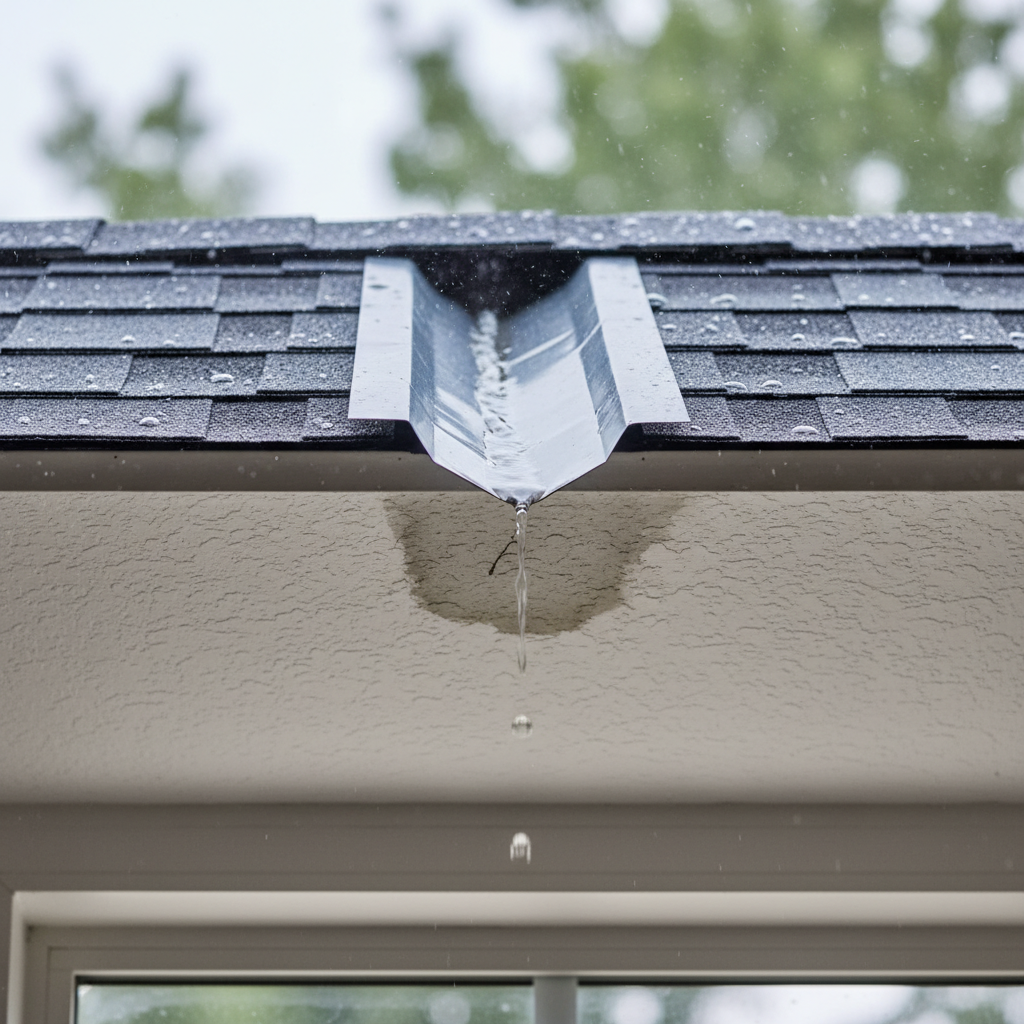
Faulty or Damaged Flashings
Flashings are thin pieces of metal (often aluminum or galvanized steel) installed around roof penetrations and junctions to create a watertight seal. These critical components are found around chimneys, skylights, vents, dormers, and in roof valleys. During light rain, if flashings are:
- Improperly Installed: Gaps or incorrect overlapping can allow water to seep in slowly.
- Cracked or Corroded: Over time, metal flashings can rust or crack, creating channels for water.
- Loose or Lifted: Wind, thermal expansion, and contraction can cause flashings to lift, breaking their seal with the roof surface.
- Sealant Failure: The caulk or sealant used around flashings can dry out, crack, and fail, especially around areas like the chimney base or skylight frames.
Because flashings direct water flow, even a small breach can become a steady drip point during a light, prolonged rain.
Compromised Shingles
While severe shingle damage is obvious, subtle issues can lead to a roof leak during light rain:
- Hairline Cracks: Shingles can develop tiny, almost invisible cracks due to aging, sun exposure, or temperature fluctuations. These micro-fissures might only allow water through when the rain is light and has time to seep.
- Missing Granules: The protective mineral granules on asphalt shingles can wear off over time, especially in high-wear areas. This exposes the asphalt layer to UV rays, accelerating its degradation and making it more permeable.
- Slightly Lifted or Curled Shingles: Even a shingle that is only slightly out of place, perhaps due to wind or improper nailing, can create a tiny opening for water to get underneath, especially if the rain is light and the water flow is slow enough to creep laterally.
- Damaged Underlayment: The felt or synthetic underlayment beneath the shingles provides an extra layer of protection. If it’s torn or improperly installed, water can penetrate through tiny shingle imperfections and find its way to the decking.
Clogged Gutters and Downspouts
This is a surprisingly common culprit for leaks, even in light rain. When gutters are filled with leaves, twigs, and debris, they can’t effectively channel rainwater away from your roof and foundation. Instead:
- Water Backup: Water backs up and overflows the gutters, often flowing behind the fascia board and onto the exterior walls or, more critically, under the lowest row of shingles.
- Soffit and Fascia Damage: Prolonged exposure to standing water can rot the fascia board and soffits, creating entry points for water into the attic or wall cavities.
- Ice Dams (even in milder climates): In colder periods, even light rain or melting snow that can’t drain due to clogged gutters can refreeze, forming ice dams that prevent further water drainage and force water under shingles.
Poorly Sealed Roof Valleys
Valleys are the V-shaped channels where two roof planes meet. They are designed to carry a significant volume of water. If the flashing or shingles in a valley are:
- Improperly Installed: Gaps or insufficient overlap can allow water to penetrate.
- Cracked or Punctured: Debris accumulation or foot traffic can damage the valley’s protective layers.
- Blocked by Debris: Even in light rain, a small pile of leaves or grit in a valley can impede water flow, allowing it to back up and seep under the shingles.
Roof Penetrations and Fasteners
Every hole made in your roof, whether for satellite dishes, antennae, exhaust vents, or even nails, is a potential leak point if not properly sealed. Over time, the sealants around these penetrations can degrade, crack, or pull away, allowing water to slowly infiltrate during a light rain. Even a nail pop—where a nail backs out slightly from the roof deck—can create a minuscule entry point for water.
Aging or Deteriorating Roof Materials
Just like any other part of your home, your roof has a lifespan. As roofing materials age, they become less resilient:
- Asphalt Shingles: Lose elasticity, become brittle, and are more prone to cracking and granule loss.
- Wood Shakes/Shingles: Can split, rot, or become warped.
- Flat Roof Materials: Membranes can crack, blister, or develop pinholes.
These generalized signs of wear make the entire roof more susceptible to leaks, even from minimal rainfall, as the protective barriers become less effective.
Condensation from Poor Ventilation
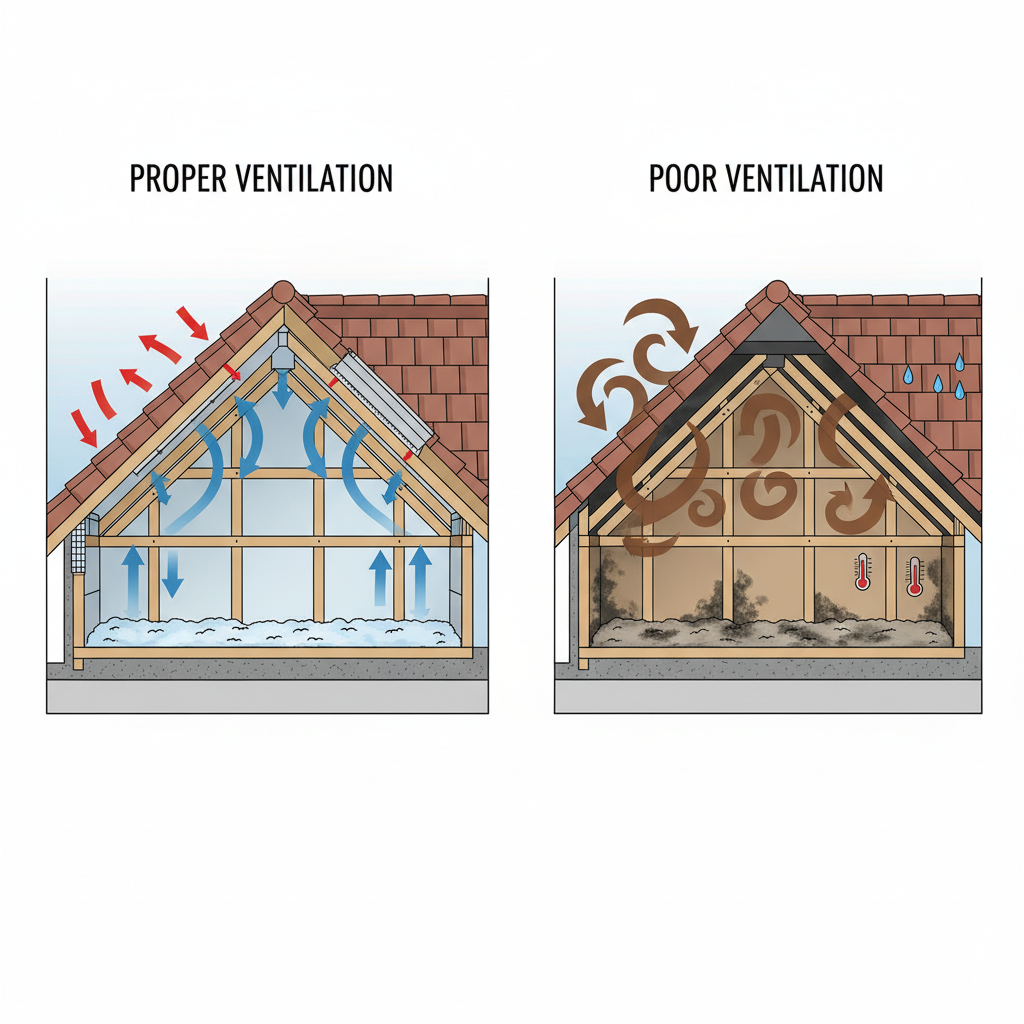
Sometimes, what appears to be a roof leak during light rain might actually be condensation. Inadequate attic ventilation can lead to a build-up of warm, moist air. When this air comes into contact with the cooler underside of the roof deck, it condenses into water droplets that can drip down, mimicking a leak. This is especially prevalent in changing weather conditions when internal and external temperatures fluctuate.
How to Detect the Source of a Light Rain Roof Leak
Pinpointing the exact source of a roof leak, especially one that only shows itself during light rain, requires patience and a methodical approach. Water often travels along rafters, pipes, or wiring before dripping, meaning the leak’s origin might not be directly above where you see the water.
Inside the House
- Water Stains: Look for discolored patches on ceilings, walls, or around light fixtures. Even faint yellow or brown rings can indicate a leak.
- Drips: Listen for the sound of dripping water, especially during or immediately after light rain.
- Musty Odors: A persistent musty or damp smell, even without visible water, can be a sign of hidden moisture and potential mold growth within walls or ceilings.
- Sagging Ceilings or Walls: Water accumulation can cause drywall or plaster to soften and sag.
On the Roof (Safety First!)
If you feel safe ascending your roof, or can view it with binoculars from the ground, look for:
- Around Penetrations: Closely inspect the areas around chimneys, skylights, plumbing vents, and any other pipes or structures piercing the roof. Check flashings for cracks, gaps, or missing sealant.
- In Valleys: Look for debris buildup, cracks in the valley flashing, or displaced shingles.
- Shingle Condition: Identify any missing, cracked, curled, buckled, or blistered shingles. Pay attention to areas where granules are worn off.
- Gutter Condition: Check for clogged gutters and downspouts. Look for signs of water overflowing behind the gutter.
- Soffits and Fascia: Inspect these for any signs of water staining or rot.
For detailed guidance on safe roof inspections, consult resources like Better Homes & Gardens’ guide to roof inspection.
The Water Test (Controlled Method)
If you can’t find the source visually, a controlled water test can help, ideally with two people:
- One person stays inside to monitor for leaks.
- The other person uses a garden hose to systematically wet sections of the roof, starting from the lowest point and working upwards.
- Focus on one area at a time (e.g., around a vent, a section of flashing, a valley) for several minutes before moving on.
- The person inside should communicate when the leak appears, helping to pinpoint the section being wetted at that moment.
- Be patient; it might take time for the water to travel.
Note: This test is best performed on a dry day, and ensure safety precautions are taken when working on the roof.
Immediate Actions When You Discover a Roof Leak
Finding a leak can be stressful, but acting quickly can minimize damage.
Contain the Water
- Buckets and Tarps: Place buckets, pans, or a large plastic tarp underneath the leak to catch dripping water.
- Puncture Sagging Ceilings: If you notice a bulge in your ceiling where water is accumulating, it’s safer to carefully puncture a small hole with a screwdriver to release the water into a container. This prevents a larger, uncontrolled collapse.
Minimize Damage
- Move Furniture: Relocate furniture, electronics, and valuables away from the leaking area to prevent water damage.
- Ventilate: If possible, open windows or use fans to help dry out the affected area and prevent mold growth.
Document Everything
- Take Photos and Videos: Capture images and videos of the leak, water damage, and any potential source you can identify. This documentation is crucial for insurance claims.
Temporary Fixes (Use with Caution)
These are not permanent solutions but can buy you time until professional repairs can be made.
- Roofing Tar or Cement: For small cracks in flashings or minor shingle damage, apply roofing tar or cement with a trowel. Ensure the area is as dry as possible for better adhesion.
- Plastic Sheeting or Tarp: In an emergency, a large piece of heavy-duty plastic sheeting or a tarp can be secured over the leaking area of the roof. Drape it over the ridge and secure it underneath with weights or batten boards to prevent wind from dislodging it. Ensure it extends well beyond the leak in all directions.
Always prioritize safety when performing temporary fixes. If you’re uncomfortable on the roof, it’s better to wait for a professional.
Call a Professional
Even if you manage a temporary fix, a professional roofing contractor should be contacted as soon as possible. They can accurately diagnose the source, assess the extent of the damage, and perform a lasting repair.
Preventing Roof Leaks: Proactive Maintenance is Key
The best way to deal with a roof leak during light rain is to prevent it from happening in the first place. Regular maintenance is far more cost-effective than emergency repairs.
Regular Roof Inspections
Perform visual inspections of your roof at least twice a year, ideally in the spring and fall, and after any major storms. Look for:
- Missing, cracked, or curled shingles.
- Worn-off granules.
- Rust or damage on flashings around chimneys, vents, and skylights.
- Signs of moss, algae, or fungal growth.
- Sagging areas or unusual dips.
Gutter and Downspout Cleaning
Clean your gutters at least twice a year, or more frequently if you have many trees nearby. Ensure downspouts are clear and properly directing water away from your foundation. Consider installing gutter guards to reduce debris buildup.
Trim Overhanging Branches
Cut back any tree branches that are touching or overhanging your roof. This prevents leaves and debris from accumulating, reduces the risk of branches scraping and damaging shingles, and minimizes the chance of impact damage during high winds.
Inspect and Repair Flashings
Flashings are often the first point of failure. Regularly check the caulk around flashings for cracks or degradation. Reapply high-quality, outdoor-grade sealant as needed. For metal flashings, look for corrosion or bends and have them repaired or replaced by a professional.
Address Shingle Damage Promptly
Even a single damaged shingle can compromise the integrity of your entire roof. Replace missing or severely damaged shingles immediately. For minor cracks, a dab of roofing cement can provide a temporary seal.
Improve Attic Ventilation
Proper attic ventilation helps regulate temperature and moisture levels, preventing condensation that can be mistaken for a leak. Ensure your attic has adequate intake (soffit) and exhaust (ridge or gable) vents, and that they are not blocked. A well-ventilated attic can also extend the lifespan of your roof.
Understand Your Roof’s Lifespan
Know the typical lifespan of your roofing material. Asphalt shingles typically last 20-30 years, while metal roofs can last 50 years or more. As your roof approaches the end of its life, be prepared for more frequent maintenance and eventually, replacement. Proactive replacement can prevent widespread leaks and significant interior damage.
The Dangers of Ignoring a Small Roof Leak
It’s easy to dismiss a small drip during light rain as a minor inconvenience. However, even the most subtle leaks can have severe and expensive consequences if left unaddressed.
Structural Damage
Water infiltration can saturate and weaken wooden rafters, trusses, and ceiling joists. Over time, this can lead to rot, compromising the structural integrity of your home. A weakened roof structure can become a safety hazard and necessitate extensive, costly repairs.
Mold and Mildew Growth
Moisture trapped within walls, ceilings, and attic spaces creates an ideal breeding ground for mold and mildew. Mold can spread rapidly, causing unsightly stains, musty odors, and potentially severe health issues for occupants, especially those with allergies or respiratory conditions. Remediation can be complex and expensive.
Electrical Hazards
Water and electricity are a dangerous combination. If a leak comes into contact with electrical wiring, light fixtures, or outlets, it can cause short circuits, power outages, and even house fires. This poses a significant safety risk to everyone in the home.
Reduced Energy Efficiency
Water-soaked insulation loses its effectiveness. When insulation is compromised, your home loses its ability to retain heat in winter and keep cool in summer, leading to higher energy bills. Mold growth can further degrade insulation, exacerbating the problem.
Damaged Interior Finishes
Beyond structural elements, water leaks can ruin interior finishes. This includes staining or bubbling paint, peeling wallpaper, warped hardwood floors, damaged drywall, and ruined carpets or rugs. Replacing these finishes can add significantly to the overall repair cost.
When to Call a Roofing Professional
While some minor tasks can be DIY, knowing when to call a professional is crucial for safety and effective repair.
Safety Concerns
If you are uncomfortable or feel unsafe climbing on your roof, especially if it’s steep, high, or wet, always defer to a professional. Roofing work carries inherent risks, and injuries can be severe.
Lack of Expertise
If you cannot locate the source of the leak, are unsure about the type of repair needed, or lack the proper tools and knowledge, a professional roofer has the experience to accurately diagnose and fix the problem. They understand roofing systems and can identify hidden issues.
Extent of Damage
If the leak is extensive, involves multiple areas, or has caused significant interior damage (like sagging ceilings or widespread mold), it’s beyond a simple DIY fix. Professionals can assess the full scope of damage and recommend comprehensive solutions.
Insurance Claims
If you plan to file an insurance claim for roof damage, your insurance company will likely require a professional assessment and detailed repair estimates from a licensed contractor.
Frequently Asked Questions About Roof Leaks During Light Rain
Can a roof leak only during light rain?
Yes, absolutely. A roof leak during light rain often indicates a specific type of subtle flaw that allows water to slowly seep through over time. These can include hairline cracks in shingles, failing sealants around flashings, or minor blockages in valleys that cause water to back up. Heavy rain might reveal more obvious damage, but light rain exposes these insidious, slow-drip issues.
How long does a minor roof leak repair take?
For a minor leak with an easily identifiable source (e.g., a single damaged shingle, a small crack in flashing), the repair might take a professional roofer anywhere from a few hours to a full day. More complex leaks, such as those requiring multiple shingle replacements, flashing overhaul, or addressing structural damage, could take several days. This doesn’t include the time to dry out and repair interior damage.
Is it safe to go on my roof during or after light rain?
It is generally NOT safe to go on your roof during or immediately after any rain, even light rain. Wet roof surfaces are extremely slippery and can be hazardous. Furthermore, water can mask structural weaknesses, making it dangerous to walk on. Always wait for the roof to be completely dry, and take all necessary safety precautions, including wearing non-slip shoes and using a sturdy ladder, or better yet, hire a professional.
Will my homeowner’s insurance cover a roof leak?
Most homeowner’s insurance policies cover roof leaks if the damage is sudden and accidental (e.g., from a storm, falling tree, or unforeseen event). However, they typically do not cover damage resulting from neglect, poor maintenance, or an aging roof that has simply worn out. It’s crucial to review your specific policy, understand your deductibles, and document the damage thoroughly when filing a claim.
How much does it cost to fix a roof leak?
The cost to fix a roof leak varies widely depending on the cause, extent of the damage, type of roofing material, and your location. Minor repairs like replacing a few shingles or resealing a flashing might cost a few hundred dollars. More extensive repairs involving valley replacement, significant flashing work, or structural damage could range from $800 to several thousand dollars. If the leak has caused interior damage, those costs will be additional. Getting multiple quotes from reputable local roofers is always recommended.
Conclusion
A roof leak during light rain should never be underestimated. It serves as an early warning sign that your home’s most vital protective layer is compromised. By understanding the common culprits, knowing how to identify the source, and taking prompt, appropriate action, you can prevent minor drips from escalating into major disasters. Proactive maintenance, including regular inspections and timely repairs, is the ultimate defense against water intrusion. Remember, when in doubt, consult a qualified roofing professional to ensure your home remains dry, safe, and secure for years to come.