Understanding a Spider Infestation in Your Garage
Garages, by their very nature, offer an ideal environment for spiders to thrive. They are often less trafficked than other parts of the home, providing quiet, undisturbed corners. The typical clutter – boxes, tools, stored furniture – offers countless hiding spots, while the doors and windows, frequently opened and often less sealed than those of the main house, provide easy access. Furthermore, garages tend to attract other insects, which serve as a readily available food source for spiders, completing their perfect ecosystem.
Recognizing the early signs of a spider problem can prevent it from escalating into a full-blown infestation. It’s not just about seeing a single web; it’s about understanding the patterns and common indicators that signal a more extensive presence.
Identifying a Spider Infestation: Signs to Look For
A spider problem in your garage might manifest in various ways, from subtle clues to undeniable evidence. Being observant is key to early detection and effective management.
Visible Spider Webs
This is the most obvious sign. While a single, dusty web might be overlooked, an abundance of webs, especially in corners, along ceiling lines, between stored items, or draped over windows, indicates a thriving spider population. Different spiders create different types of webs: funnel webs, orb webs, or irregular, tangled webs. Noticing these distinct patterns can sometimes even give you a clue about the types of spiders present.
Presence of Spiders
Seeing live spiders, especially multiple individuals or spiders of varying sizes (indicating different life stages), is a clear sign. Pay attention to dark, undisturbed areas, behind stored items, or near light sources that attract their prey. Spiders often prefer to hide during the day and become active at night.
Egg Sacs
Spider egg sacs are small, silken pouches that contain hundreds of spiderlings. They can be white, cream, or brownish and are often suspended in webs or attached to surfaces in secluded spots. Finding one or more egg sacs means a future generation of spiders is imminent, highlighting the urgency of addressing the infestation.
Spider Droppings
Similar to tiny paint splatters, spider droppings are small, dark, and often tar-like spots found beneath webs or in areas where spiders frequently rest. These can be easily mistaken for other debris, but their consistent presence suggests a regular spider dwelling.
Unexplained Bites
While rare, repeated instances of unexplained insect bites, particularly if they occur while you’re working in the garage, could indicate the presence of venomous spiders. Bites from common house spiders are usually harmless, but bites from black widows or brown recluses can cause significant medical issues and warrant immediate attention.
Common Spiders Found in Garages
Not all spiders are created equal, and knowing which types might be lurking in your garage can help you assess the level of threat and plan your removal strategy accordingly.
Harmless House Spiders
- Cellar Spiders (Daddy Long-Legs): These spiders have very long, thin legs and small bodies. They create messy, irregular webs in corners and feed on other insects, including other spiders. They are not considered a threat to humans.
- Orb Weavers: Known for their classic, wheel-shaped webs, orb weavers are often found near lights that attract flying insects. They are generally harmless and quite docile.
- Funnel Weavers (Grass Spiders): These spiders build flat, sheet-like webs with a funnel-shaped retreat at one end. They are common but not aggressive unless provoked.
- Sac Spiders: Often pale yellow or green, these spiders don’t build elaborate webs for catching prey but create small silken sacs for shelter. They can deliver a bite, but it’s usually mild.
Potentially Dangerous Spiders
It’s crucial to be able to identify these species, as their bites can cause serious health complications. Always exercise extreme caution if you suspect these spiders are present.
- Black Widow Spiders: Easily recognized by their glossy black body and the distinctive red hourglass mark on the underside of their abdomen. Females are venomous and their bites can cause muscle pain, nausea, and respiratory issues. They build irregular, tangled webs, often close to the ground in dark, undisturbed areas. For detailed identification tips and safety information regarding black widows, a resource like Good Housekeeping’s guide on identifying dangerous spiders can be incredibly helpful.
- Brown Recluse Spiders: These spiders are light to dark brown with a violin-shaped marking on their cephalothorax (the combined head and chest section). They are shy and prefer dark, secluded areas. Their bites can cause tissue damage and slow-healing open sores. They do not build typical webs but may spin irregular silk retreats.
If you encounter or suspect the presence of black widows or brown recluses, it’s often best to contact a professional pest control service for safe and effective removal.
Why Spiders Love Your Garage: Attracting Factors
Understanding what makes your garage so appealing to spiders is the first step in effective prevention and control.
Shelter and Protection
Garages offer protection from the elements, predators, and human disturbance. The many nooks, crannies, and cluttered spaces provide perfect hiding spots where spiders can build webs, lay eggs, and live relatively undisturbed.
Abundant Food Source (Other Pests)
Spiders are predators, and they go where the food is. Garages often house a smorgasbord of other insects – flies, mosquitoes, moths, beetles, and even cockroaches – attracted by light, odors, or simply by seeking shelter themselves. These small insects become the primary diet for spiders, making your garage an all-you-can-eat buffet.
Clutter and Hiding Spots
Stored boxes, old furniture, gardening tools, sports equipment, and various other accumulated items create an ideal habitat. This clutter provides countless surfaces for attaching webs and numerous dark, sheltered spaces for spiders to hide during the day.
Temperature and Humidity
Garages often have more stable temperatures than the outdoors and can retain a certain level of humidity, especially if they are not well-ventilated or insulated. These conditions can be more favorable for many spider species compared to direct exposure to harsh weather.
Effective Strategies for Getting Rid of a Spider Infestation in Your Garage
Tackling a spider infestation requires a multi-pronged approach, combining immediate removal with long-term prevention.
Initial Cleanup and Decluttering
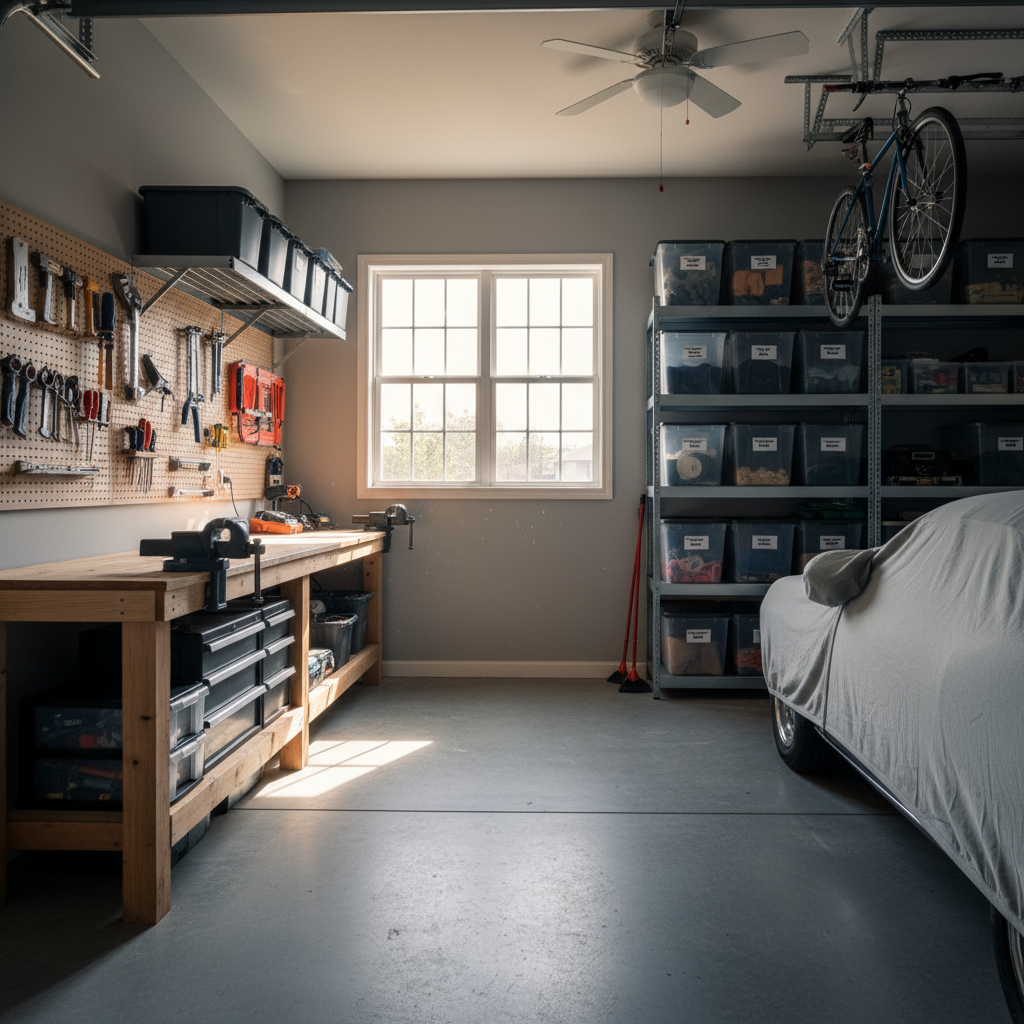
This is perhaps the most crucial first step. Spiders thrive in clutter. Remove everything from your garage if possible. Sort through items, discard what you don’t need, and organize what you keep into airtight, clear plastic bins. This reduces hiding spots and makes future cleaning much easier. Focus on moving items off the floor and away from walls.
Vacuuming and Web Removal
Use a powerful vacuum cleaner with attachments to thoroughly clean all surfaces. Vacuum up existing webs, spiders, and egg sacs. Pay special attention to corners, ceiling lines, behind shelves, and under workbenches. A shop vac is ideal for a garage environment. For high ceilings, use a duster with an extendable handle. Remember to empty the vacuum bag or canister immediately after to prevent spiders from escaping back into the garage.
Sealing Entry Points
Spiders can squeeze through incredibly small openings. Inspect your garage door seals, windows, vents, and any cracks in the foundation or walls.
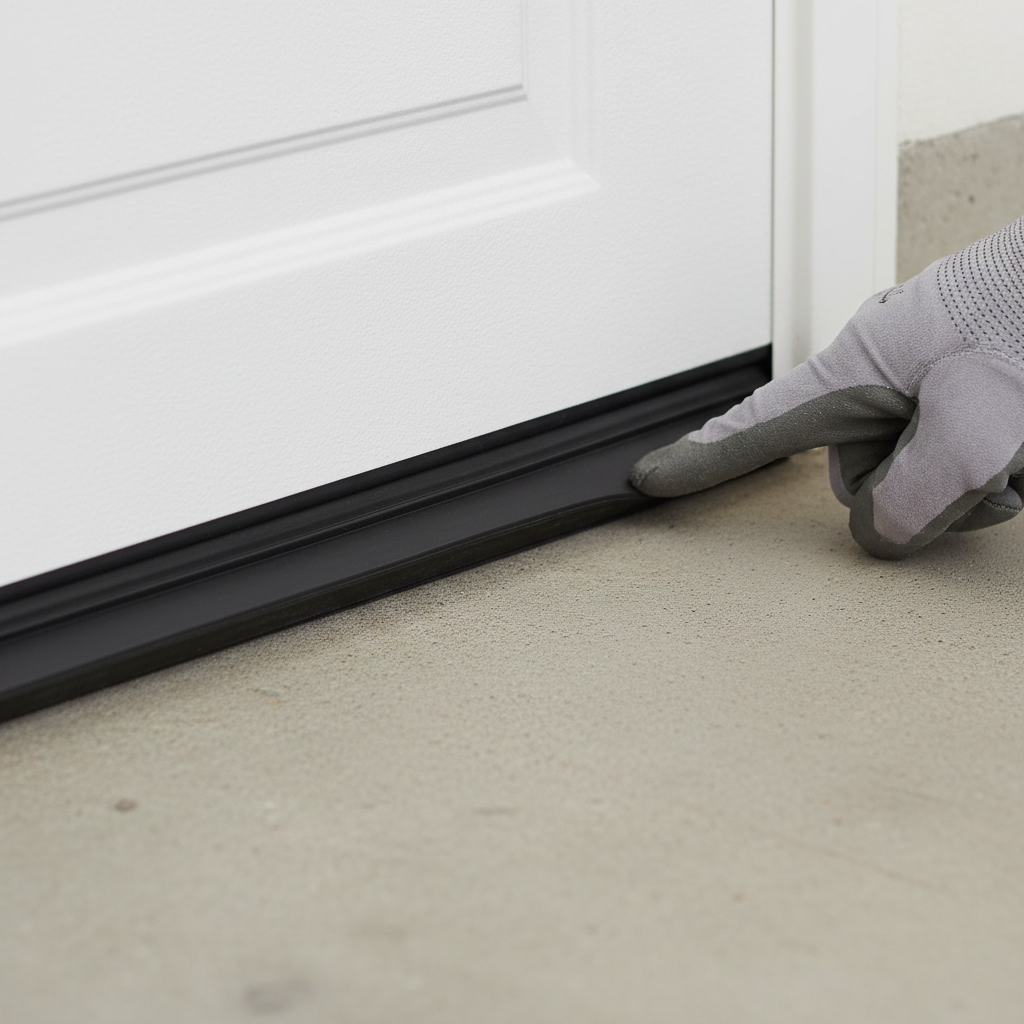
- Garage Door: Ensure the weatherstripping along the bottom and sides of your garage door is intact and provides a tight seal when closed. Replace worn-out seals.
- Windows: Check for gaps around window frames and ensure screens are free of tears.
- Cracks and Gaps: Use caulk to seal any cracks in the foundation, walls, or around utility pipes entering the garage.
- Vents: Ensure all vents are screened properly.
By effectively sealing these entry points, you not only keep spiders out but also reduce the entry points for other insects that spiders feed on.
Reducing Attractants (Light, Food for Prey)
- Exterior Lighting: Switch outdoor lights to yellow “bug lights” or motion-activated lights. Standard white lights attract flying insects, which in turn attract spiders.
- General Pest Control: Implement general pest control measures to reduce the population of other insects in your garage and around your home. This includes keeping garbage cans sealed, cleaning up spills promptly, and ensuring outdoor areas are tidy. Less prey means fewer spiders.
DIY Spider Repellents
For a non-toxic approach, some natural repellents can be effective:
- Peppermint Oil: Spiders are said to dislike the strong scent of peppermint. Mix 10-15 drops of peppermint essential oil with water in a spray bottle and spray it in corners, cracks, and around entry points. Reapply regularly.
- Vinegar Solution: A diluted white vinegar spray (50/50 vinegar and water) can also deter spiders and is safe for most surfaces.
- Cedar or Citrus: Cedar chips or citrus peels placed in undisturbed areas are also believed to repel spiders.
While these methods can deter, they are generally not strong enough to eliminate a severe infestation.
Insecticides and Pesticides (Caution & Proper Use)
If the infestation is extensive or includes dangerous spiders, chemical solutions may be considered.
- Residual Sprays: Apply spider-specific insecticides around the perimeter of your garage, in cracks, crevices, and along baseboards. Always follow product instructions carefully regarding ventilation, protective gear, and reapplication frequency.
- Dusts: Insecticidal dusts can be effective in wall voids and other hard-to-reach areas where spiders hide.
Important Safety Note: Always read and strictly follow all manufacturer instructions for any chemical product. Ensure adequate ventilation and keep children and pets away from treated areas. Consider wearing a respirator, gloves, and eye protection. Improper use of pesticides can be harmful.
Traps (Sticky Traps)
Sticky traps (glue boards) can be effective for monitoring spider activity and catching individual spiders, especially those that wander. Place them along walls, in corners, and behind stored items. While they won’t solve a large infestation, they can help reduce numbers and identify high-traffic areas.
Preventing Future Spider Infestations
Once you’ve cleared out the current infestation, the real work begins: ensuring they don’t return. Prevention is an ongoing process.
Regular Cleaning and Organization
Make garage cleaning a routine. At least once a month, sweep, vacuum, and dust all surfaces. Rearrange items periodically to disturb potential nesting sites. Keeping your garage organized reduces the number of hiding spots available for spiders and makes cleaning much more efficient. For comprehensive home organization strategies, consider exploring tips on decluttering small spaces.
Exterior Maintenance
Trim shrubs, trees, and other vegetation away from the exterior of your garage. Spiders and their prey can use these as bridges to access your home. Clear away leaf litter, woodpiles, and other debris that can serve as outdoor hiding spots near your garage.
Smart Lighting Choices
As mentioned, switch to yellow LED or sodium vapor lights for outdoor fixtures. These are less attractive to the insects that spiders feed on, thereby reducing the spiders’ incentive to set up shop near your garage door.
Pest Control for Other Insects
The best way to prevent spiders is to eliminate their food source. Implement a general pest management strategy for your garage and surrounding property. This includes sealing trash cans, promptly cleaning up any food spills, and addressing moisture issues that attract insects.
Monitoring and Early Detection
Regularly check for new webs, egg sacs, or spiders. Place sticky traps in strategic locations and inspect them weekly. Early detection allows you to address new spider activity before it becomes a major problem again.
When to Call a Professional Pest Control Service
While DIY methods can be highly effective for many situations, there are times when professional help is the safest and most efficient option.
Large-Scale Infestations
If your garage is overrun with spiders, and your efforts seem to be making little progress, a professional pest control service has the tools and expertise to tackle large infestations quickly and thoroughly.
Presence of Dangerous Spiders
If you have identified or suspect the presence of black widow or brown recluse spiders, it is highly recommended to call professionals. They have specialized knowledge and equipment to safely remove these venomous spiders without putting you or your family at risk.
Persistent Problems
If you’ve tried various methods and the spiders keep returning, a professional can identify the root cause of the infestation and implement more targeted and long-lasting solutions.
Peace of Mind
Sometimes, the sheer thought of dealing with spiders, especially large numbers, can be overwhelming. A professional service can provide effective treatment and give you the reassurance that the problem is being handled by experts.
FAQs About Garage Spider Infestations
Q1: Are garage spiders dangerous?
Most spiders found in garages, like cellar spiders or orb weavers, are harmless. However, venomous species such as black widows and brown recluses can be found in garages, and their bites require medical attention. Always exercise caution and seek professional help if you suspect these dangerous spiders.
Q2: Can essential oils really deter spiders?
Yes, some essential oils, particularly peppermint oil, are believed to deter spiders due to their strong scent, which spiders reportedly dislike. While they can act as a deterrent for light issues, they are usually not sufficient to eliminate a significant infestation.
Q3: How often should I clean my garage to prevent spiders?
A thorough cleaning and decluttering at least twice a year (spring and fall) is a good starting point. For ongoing prevention, sweep and dust away new webs monthly, and regularly organize items to minimize hiding spots. Consistency is key.
Q4: Do spiders come back after spraying?
Spiders can and often will return if the underlying attractants (food source, shelter, entry points) are not addressed. Insecticides kill existing spiders but often have limited residual effects and don’t prevent new spiders from entering. Comprehensive prevention measures are essential for long-term control.
Q5: Is it safe to use bug bombs in a garage?
Bug bombs (foggers) can be used in garages, but with extreme caution. They are often less effective against spiders than direct sprays or dusts because spiders can hide in cracks and crevices where the fog doesn’t penetrate. Always ensure proper ventilation, remove anything edible, and keep people and pets away from the treated area according to product instructions. They are often better for flying insects than for spiders.
Conclusion: Reclaiming Your Garage from Spiders
Dealing with a spider infestation in your garage might seem daunting, but with a systematic approach, it’s a battle you can win. By understanding why spiders are attracted to your garage, identifying the signs of their presence, and implementing a combination of cleanup, sealing, and ongoing prevention strategies, you can transform your garage back into a clean, functional, and spider-free zone. Remember, consistent effort in maintenance and organization, coupled with a readiness to call in professionals for serious threats, will ensure your garage remains a haven for your belongings, not for spiders.