Understanding Why Your Porch Roof Might Be Sagging
Several factors can contribute to a porch roof beginning to sag. Identifying the root cause is the first critical step in developing an effective repair plan. Without understanding why the sag occurred, any repair might only be temporary.
Water Damage and Rot
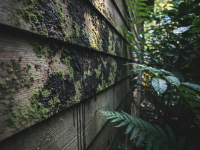
Water is one of the most destructive forces for any wooden structure. Leaks from the roof itself, inadequate flashing, clogged gutters causing overflow, or poor drainage can allow water to penetrate the porch roof structure. Over time, constant moisture leads to wood rot, weakening the joists, beams, and support posts. As these structural components lose their strength, they can no longer adequately bear the load of the roof, leading to a noticeable sag.
- Clogged Gutters: When gutters are full of leaves and debris, rainwater can’t drain properly. It overflows, often soaking into the fascia board, soffits, and the top plates of the porch structure.
- Roof Leaks: Missing or damaged shingles, compromised flashing around chimneys or walls, and deteriorated roofing materials can allow water to seep directly into the roof decking and framing below.
- Poor Drainage: If water pools on the porch roof rather than running off, it puts extra weight on the structure and increases the chances of leaks finding their way in.
Foundation or Support Issues
The entire porch structure, including its roof, relies on a stable foundation and sturdy support posts or columns. Problems with these foundational elements can manifest as a sagging roof.
- Settling Foundation: If the ground beneath your porch’s foundation settles unevenly, or if the foundation itself was improperly constructed, it can cause the entire porch structure to shift. This shifting can put undue stress on the roof framing, leading to a sag.
- Weakened Posts or Columns: Porch posts or columns can weaken over time due to rot at their bases (from moisture contact with the ground or concrete), insect damage, or simply inadequate sizing for the load they need to support. If a support post settles or begins to buckle, the roof it supports will inevitably sag.
- Improper Footings: If the footings for the support posts are not deep enough or wide enough for your climate and soil conditions, they can heave during freeze-thaw cycles or settle over time, leading to structural instability.
Poor Original Construction or Design Flaws
Sometimes, the problem isn’t due to age or damage but rather flaws in the initial construction or design of the porch.
- Undersized Framing Members: If the joists, rafters, or beams used to construct the porch roof were not appropriately sized for the span and expected load (e.g., snow, roofing materials), they might begin to deflect and sag prematurely.
- Insufficient Fasteners: The connections between different structural components are critical. If inadequate or improper fasteners were used, or if connections were poorly made, they can weaken and fail over time.
- Lack of Proper Bracing: Without adequate bracing or cross-ties, a roof structure can lose its rigidity and begin to deform under its own weight or external loads.
Pest Infestations
Wood-destroying insects such as termites, carpenter ants, and powderpost beetles can severely compromise the structural integrity of your porch roof framing. These pests tunnel through wood, creating intricate galleries that hollow out beams and joists from the inside, often leaving little visible external damage until the problem is severe.
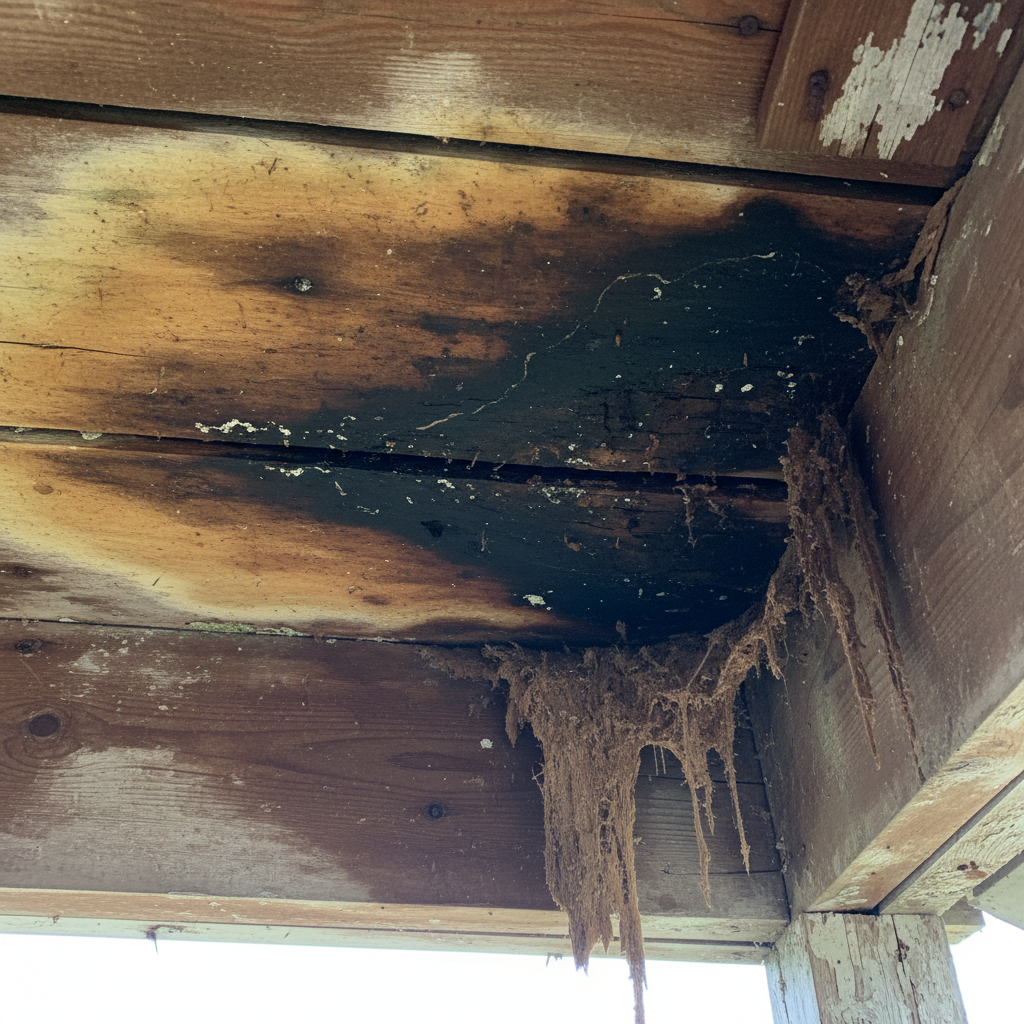
- Termites: Known for eating wood cellulose, termites can silently destroy large sections of a porch roof’s framing.
- Carpenter Ants: These ants tunnel through damp or decaying wood to create nests, further weakening already compromised structures.
- Wood Borers: Various beetles can infest and damage wooden components, particularly if the wood has been exposed to moisture.
Excessive Weight or Load
While roofs are designed to bear a certain amount of weight, exceeding that limit can cause structural stress and sagging.
- Heavy Snowfall: In regions with heavy winter snow, an accumulation of snow and ice on the porch roof can put immense pressure on the structure, especially if it’s not adequately designed for such loads.
- Accumulated Debris: Layers of leaves, branches, or even standing water can add significant weight over time.
- Additional Roof Layers: Adding new roofing materials over existing ones without removing the old can sometimes exceed the original design’s load capacity.
Age and Wear and Tear
Even a well-built porch roof will eventually succumb to the effects of time. Wood can dry out, warp, twist, and simply lose its strength over decades of exposure to the elements, temperature fluctuations, and the constant pull of gravity.
The Dangers of a Sagging Porch Roof
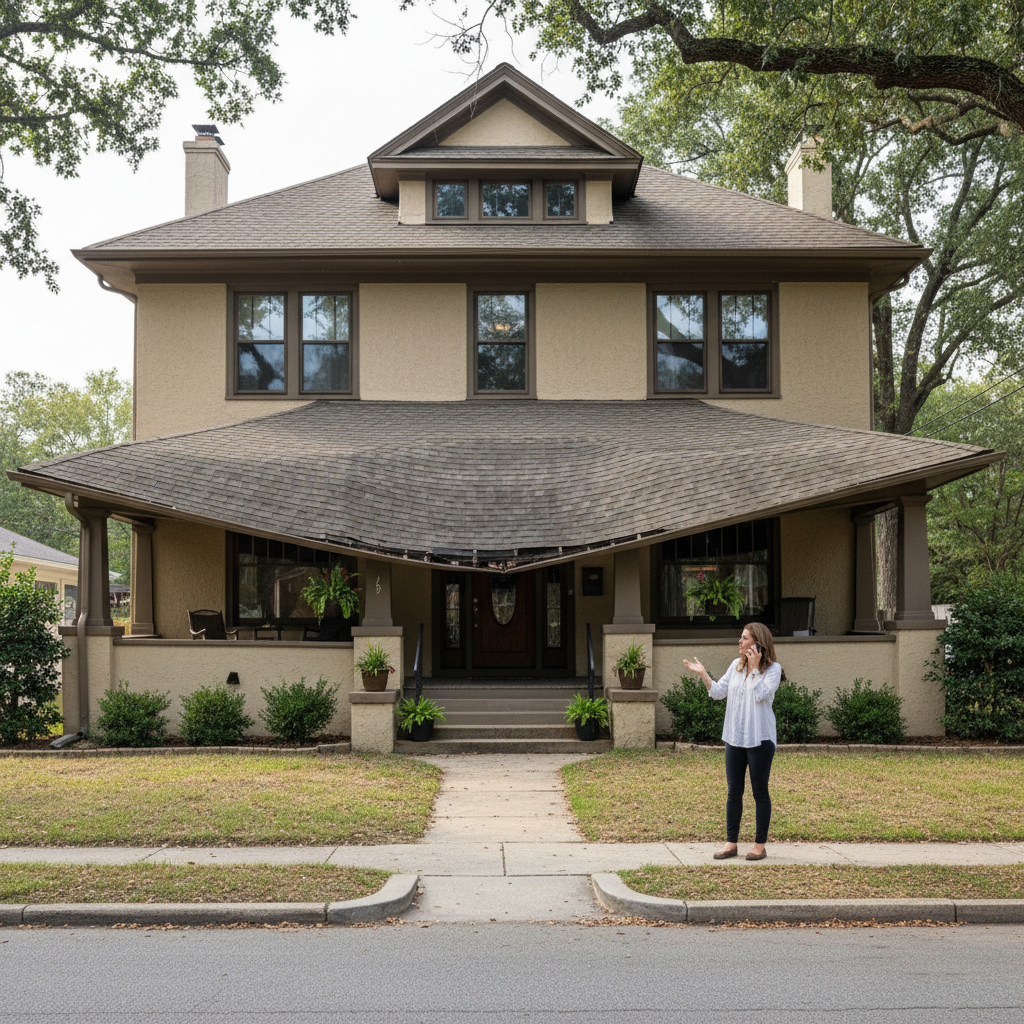
A sagging porch roof is more than just an eyesore; it’s a significant safety hazard and a red flag for more extensive problems. Ignoring it can lead to serious consequences.
Structural Collapse
The most immediate and severe danger is the potential for structural collapse. A roof that has begun to sag has already lost some of its structural integrity. If the underlying issues are not addressed, the sag will likely worsen, increasing the risk of the roof completely collapsing, especially under additional weight from snow, rain, or even just heavy winds. This poses a severe risk of injury or fatality to anyone standing underneath or near the porch.
Water Intrusion into Your Home
A sagging porch roof can create new pathways for water to enter not only the porch structure but also your main home. As the roof deflects, it can pull away from the house, damage flashing, or create gaps where walls meet the porch roofline. This can lead to:
- Water damage to the exterior walls of your home.
- Leaks into interior walls, leading to mold growth, damaged drywall, and compromised insulation.
- Potential electrical hazards if water reaches wiring.
Reduced Property Value
From a financial perspective, a sagging porch roof significantly detracts from your home’s curb appeal and overall value. Prospective buyers will view it as a major repair expense and a sign of potential neglect. Addressing the issue can be a substantial investment, but it’s often less costly than the devaluation of your entire property.
Aesthetic Decline
While not a danger, the visual impact of a sagging porch roof is undeniable. It makes your home look unkempt, neglected, and structurally unsound, diminishing the beauty and welcoming feel of your property.
Further Structural Damage to the Porch Itself
A sag in one part of the porch roof can put undue stress on other parts of the porch structure. This can lead to:
- Cracks in porch flooring or foundation.
- Twisted or leaning support columns.
- Damaged railings and balusters.
- Premature wear and tear on roofing materials due to uneven surfaces.
Identifying the Severity of the Sag
Before you can plan a repair, you need to thoroughly inspect the porch roof and determine the extent and cause of the sag.
Visual Inspection for Obvious Signs
- Unevenness: Stand back and visually scan the roofline. Is it level, or does it noticeably dip in places?
- Gaps and Cracks: Look for gaps between the roof and the house, cracks in fascia boards, or separation where posts meet beams.
- Water Stains: Check the underside of the porch roof, the ceiling, and walls for any water stains, discoloration, or peeling paint.
- Rotting Wood: Probe any suspicious-looking wood with a screwdriver. If it’s soft or crumbles easily, it’s likely rotted. Pay close attention to the bottom of posts and areas around gutters.
- Pest Evidence: Look for sawdust-like material (frass), mud tubes (termites), or small holes in the wood.
Using a Level or String Line
For a more objective assessment, use a long level or stretch a string line tightly from one end of the porch roof to the other. This will clearly highlight any areas where the roof dips or is no longer straight.
Checking Support Posts and Columns
Examine all support posts and columns. Are they plumb (perfectly vertical)? Do they show signs of bowing, twisting, or leaning? Are their bases rotting or sinking into the ground?
Inspecting the Joists and Beams
If possible, get into the attic space above the porch (if accessible) or look up from underneath to inspect the individual joists, rafters, and beams. Look for any that are visibly bowed, cracked, or show signs of water damage or pest infestation.
DIY or Professional? When to Call an Expert
Deciding whether to tackle a sagging porch roof yourself or hire a professional depends entirely on the severity of the problem and your own skill level. While minor cosmetic fixes might be suitable for a skilled DIYer, structural repairs almost always require professional expertise.
When DIY Might Be an Option (with caution)
If the sag is extremely minor, purely cosmetic, and not indicative of a structural failure (e.g., a slightly bowed fascia board with otherwise sound framing), you might consider a small repair. However, this is rare for a true “sagging” issue. Always err on the side of caution.
When to Call a Professional (Highly Recommended)
For the vast majority of sagging porch roof situations, especially if the sag is noticeable or has progressed, calling a qualified professional is not just advisable—it’s essential. This includes:
- Significant Sag: Any noticeable dip, bow, or unevenness in the roofline.
- Visible Structural Damage: Cracked beams, rotted joists, leaning posts, or compromised foundations.
- Water Damage or Pest Infestation: These issues require specialized knowledge to fully eradicate and repair the resulting damage.
- Uncertainty About the Cause: If you can’t pinpoint why the roof is sagging, a professional can diagnose the problem accurately.
- Safety Concerns: If you feel unsafe entering the area or attempting the repair.
- Permit Requirements: Many structural repairs require building permits and inspections, which professionals are accustomed to handling.
- Lack of Experience: Structural repairs are complex and unforgiving. Improper repairs can lead to further damage or collapse.
Professionals to consider include structural engineers (for diagnosis and design of complex repairs), experienced general contractors, or specialized porch and deck builders. Get multiple quotes and ensure they are licensed, insured, and have experience with similar projects.
Steps to Repair a Sagging Porch Roof (General Approach)
While every sagging porch roof repair is unique, a general sequence of steps is typically followed by professionals. This gives you an idea of the complexity involved.
1. Ensure Safety and Temporary Support
Before any work begins, the area must be secured. This usually involves:
- Shoring: Installing temporary support posts (shores) beneath the sagging section of the roof to stabilize it and prevent further collapse during the repair process. These must be properly installed and braced to safely carry the load.
- Clearing the Area: Removing any furniture, plants, or obstacles from the porch.
2. Remove Damaged Materials
Carefully remove compromised roofing materials, fascia boards, soffits, and any other components to expose the underlying structural frame. This includes:
- Removing shingles or other roofing.
- Taking down damaged ceiling panels or drywall from the underside of the porch roof.
- Exposing the joists, rafters, and beams.
3. Address the Root Cause
This is the most critical step. Repairing the sag without fixing its cause will only lead to a recurrence. This might involve:
- Waterproofing: Repairing roof leaks, replacing damaged flashing, cleaning and possibly replacing gutters, and ensuring proper drainage.
- Foundation Repair: If the foundation is settling, this could involve underpinning, pier repair, or other specialized foundation work.
- Pest Extermination: Hiring a pest control professional to eliminate infestations and treat the remaining wood to prevent future issues.
- Improving Drainage: Ensuring water flows away from the porch and its foundation.
4. Reinforce or Replace Structural Components
Once the root cause is addressed, the structural integrity of the roof must be restored. This could mean:
- Lifting and Leveling: Carefully jacking up the sagging sections of the roof back to their original level, often using hydraulic jacks and the temporary shoring. This must be done slowly and incrementally to avoid cracking or further damage.
- Replacing Rotted Wood: Completely removing and replacing any joists, rafters, beams, or posts that are severely rotted or damaged by pests.
- Reinforcing Undersized Members: Sistering new, appropriately sized lumber alongside existing joists or beams to provide additional support. This involves fastening new pieces of wood securely to the sides of the old ones.
- Adding Support: Installing additional posts, columns, or bracing if the original design was insufficient for the load.
- Repairing Connections: Strengthening or replacing inadequate fasteners and connections between structural elements.
5. Re-roofing and Finishing
Once the structural repairs are complete and the roof is level and secure, the finishing work can begin:
- New Sheathing: Replacing any damaged roof decking.
- New Roofing Materials: Installing new underlayment, flashing, and roofing materials (shingles, metal, etc.).
- New Fascia and Soffits: Replacing or repairing exterior trim.
- Finishing the Underside: Installing new ceiling panels, paint, or other finishes to the underside of the porch roof.
Preventing Future Porch Roof Sags
Proactive maintenance is key to preventing a porch roof from sagging again and to extend its lifespan. A little effort now can save you significant repair costs down the road.
Regular Inspections
Make it a habit to inspect your porch roof at least twice a year, ideally in spring and fall. Look for:
- Any signs of new sags or dips.
- Missing, cracked, or damaged roofing materials.
- Water stains or signs of rot.
- Clogged gutters or downspouts.
- Pest activity.
- Cracks or movement in support posts or the foundation.
Gutter Maintenance
Keep your gutters and downspouts clean and free of debris. Ensure they are properly sloped to direct water away from the porch and its foundation. Consider installing gutter guards to reduce the frequency of cleaning. This is one of the easiest and most effective preventative measures.
Proper Drainage Around the Porch
Ensure that the ground around your porch slopes away from the foundation. This prevents water from pooling against the support structures, which can lead to rot and foundation issues. Extend downspouts away from the porch area to discharge water safely.
Pest Control
Be vigilant for signs of wood-destroying insects. If you suspect an infestation, call a professional exterminator immediately. Also, keep wood-to-soil contact to a minimum by ensuring porch posts are set on concrete footings, not directly in the ground.
Adequate Support and Materials
If you’re building a new porch or making significant renovations, ensure that all structural components are properly sized for the span and anticipated load. Use high-quality, treated lumber where appropriate, especially for elements exposed to moisture. Consult with a structural engineer if you have any doubts about the design.
Snow Removal
In areas prone to heavy snowfall, consider carefully removing excessive snow from your porch roof. Use a roof rake or similar tool to avoid putting undue stress on the structure. Be cautious to avoid damaging roofing materials or putting yourself at risk.
For more tips on maintaining a healthy home, including critical structural elements, you might find valuable insights in general home maintenance guides. For instance, publications like Better Homes & Gardens often provide excellent advice on comprehensive home care to prevent costly repairs.
Frequently Asked Questions About a Sagging Porch Roof
How much does it cost to fix a sagging porch roof?
The cost varies significantly based on the cause and severity of the sag. Minor repairs (e.g., replacing a few rotted boards) might range from a few hundred to a couple of thousand dollars. However, if the issue involves extensive structural damage, foundation repair, or pest eradication, costs can easily climb into the several thousands or even tens of thousands of dollars. Always get multiple detailed quotes from qualified professionals.
Can I ignore a minor porch roof sag?
It is never advisable to ignore a sag, no matter how minor it appears. A “minor” sag is often an early symptom of a more significant underlying problem that will only worsen over time. Ignoring it can lead to more extensive and costly repairs, and critically, increased safety risks.
How long do porch roofs typically last?
The lifespan of a porch roof depends on the materials used, quality of construction, climate, and maintenance. Well-built and properly maintained porch roofs can last 20-30 years or even longer. However, factors like consistent moisture exposure, lack of maintenance, or poor original construction can significantly shorten this lifespan.
What’s the difference between a sag and a dip?
While often used interchangeably, a “sag” generally refers to a more significant, widespread, and structurally concerning deflection or downward curve of a roof plane, often indicating weakness in joists or beams. A “dip” can sometimes refer to a more localized, minor indentation or unevenness that might be less severe but still warrants investigation. Functionally, both terms point to a roof surface that is not level, and both should be inspected.
Conclusion
A sagging porch roof is a clear indicator that something is amiss with your home’s exterior structure. While it can be alarming to discover, understanding the potential causes, recognizing the dangers, and knowing when to seek professional help are crucial steps toward a safe and lasting solution. Prompt action not only protects your investment and preserves your home’s beauty but, most importantly, ensures the safety of everyone who enjoys your outdoor living space. Don’t delay—addressing a sagging porch roof quickly is an essential part of responsible homeownership.