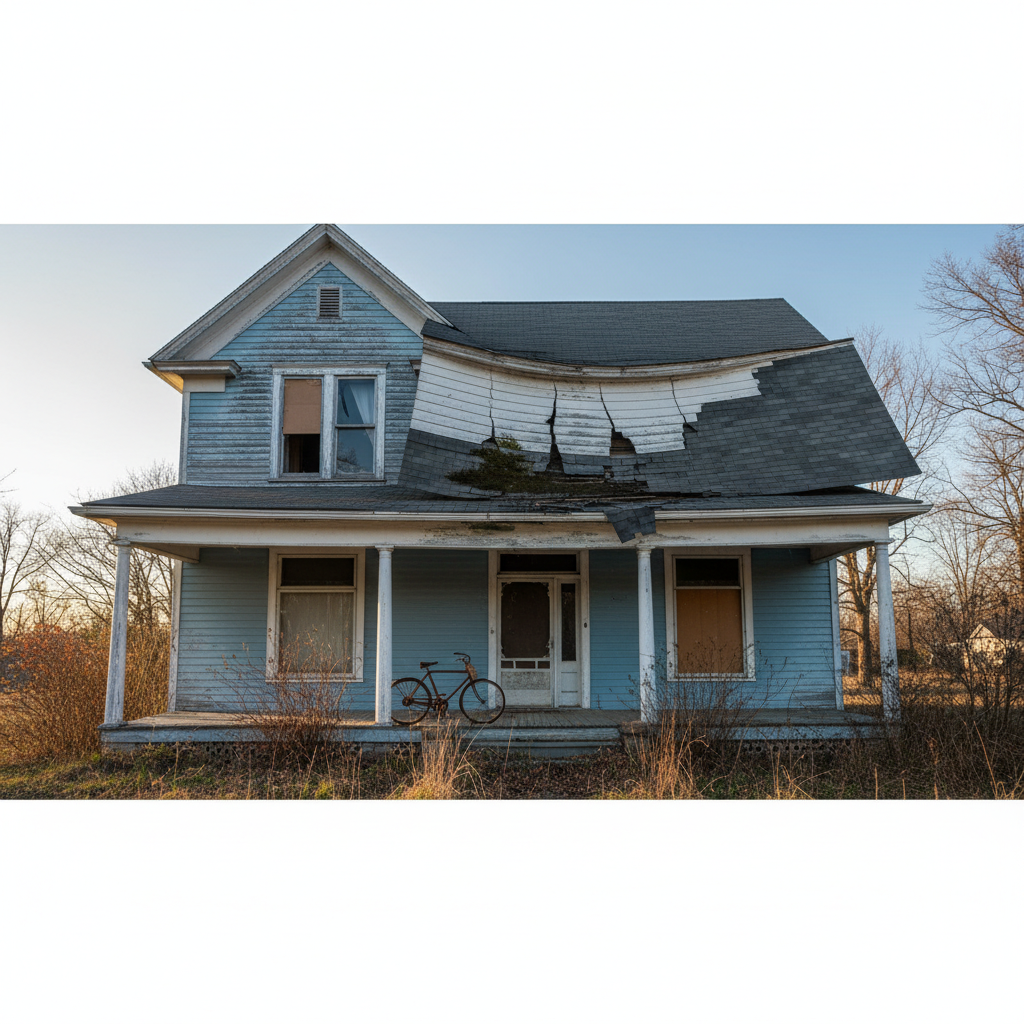
Few things are as unsettling for a homeowner as noticing a structural issue with their property, and a porch roof sagging is certainly near the top of that list. Beyond being an unsightly imperfection, a sagging porch roof is a significant indicator of underlying problems that could compromise the safety, structural integrity, and value of your home. Whether it’s a slight dip or a pronounced bow, addressing this issue promptly is crucial. This comprehensive guide will walk you through the common causes, the potential dangers, how to identify the problem, and the steps involved in repairing and preventing a sagging porch roof, ensuring your outdoor space remains safe and inviting for years to come.
What Causes a Porch Roof to Sag?
Understanding the root cause of a sagging porch roof is the first step toward finding a lasting solution. Several factors, often acting in concert, can contribute to this concerning structural deformation.
Water Damage and Rot
Water is arguably the greatest enemy of any home structure. Leaks from damaged shingles, clogged gutters overflowing, or inadequate flashing can allow water to penetrate the roof decking, rafters, and support beams. Over time, this moisture leads to wood rot, weakening the structural members until they can no longer support the roof’s weight, resulting in a noticeable sag.
- Leaky Roof Components: Damaged or missing shingles, cracks in flashing around chimneys or skylights, and poorly sealed roof vents can all be entry points for water.
- Clogged Gutters: When gutters are blocked, rainwater can spill over the sides, drenching the fascia, soffits, and the porch structure below, leading to sustained moisture exposure and rot.
- Poor Drainage: If the porch roof is designed without adequate slope or drainage, water can pool, increasing the load and accelerating material degradation.
Inadequate Structural Support
Sometimes, the issue isn’t damage, but rather a fundamental flaw in the original construction or design. If the porch roof was built with insufficient framing or undersized support beams for its span or intended load, it will inevitably begin to sag under its own weight or external pressures.
- Undersized Rafters or Beams: Structural members that are too thin or not spaced closely enough can flex and sag over time.
- Improper Fastening: Connections between rafters, beams, and columns might be weak or improperly fastened, leading to instability.
- Lack of Load-Bearing Posts: Too few support posts for the size of the porch roof can lead to excessive spans and eventual sagging.
Foundation Problems
While often overlooked when dealing with roof issues, the foundation supporting your porch structure can directly impact the roof above. If the footings or foundation piers supporting the porch posts settle unevenly or shift, it can cause the entire porch structure, including its roof, to twist or sag.
- Settling Soil: Changes in soil moisture or composition can cause the ground beneath the foundation to shift.
- Tree Roots: Nearby tree roots can grow under foundations, causing uplift or shifting.
- Poor Drainage Around Foundation: Water pooling around the foundation can erode soil or cause it to expand and contract, leading to movement.
Age and Wear
Even the best-built structures succumb to the relentless march of time. Materials degrade, fasteners loosen, and the constant strain of gravity and weather takes its toll. An older porch roof is more susceptible to sagging simply due to the cumulative effects of age and wear.
- Material Fatigue: Wood, metal, and other building materials have a finite lifespan and can weaken structurally over decades.
- Repeated Stress: Cycles of expansion and contraction due to temperature changes, wind loads, and snow accumulation gradually weaken the structure.
Poor Construction or DIY Fails
Not all builders are equal, and some porch roofs may have been constructed using shortcuts, substandard materials, or incorrect building practices. Similarly, well-intentioned DIY projects, if not executed with proper knowledge and adherence to building codes, can lead to structural weaknesses that manifest as sagging.
- Code Violations: Failure to meet local building codes for span, load, and fastening can result in a compromised structure.
- Inexperienced Workmanship: Lack of precision or understanding of structural principles during construction can lead to immediate or latent flaws.
Excessive Weight (Snow/Debris)
While usually a temporary stressor, repeated heavy loads can contribute to sagging over time, especially if the underlying structure is already compromised. Accumulations of heavy wet snow, ice, or even significant debris can exert immense pressure on a porch roof, pushing it past its structural limits.
- Heavy Snowfall: Many porch roofs are not designed to withstand extreme snow loads without proper reinforcement.
- Debris Accumulation: Leaves, branches, and other organic matter can collect on flat or low-sloped roofs, retaining moisture and adding significant weight.
The Dangers of a Sagging Porch Roof
A sagging porch roof is not merely an aesthetic concern; it poses several significant risks that homeowners should never ignore.
Immediate Safety Risks
The most pressing concern with a sagging porch roof is the potential for collapse. If the structural integrity is severely compromised, the roof could give way suddenly, leading to serious injury or even fatalities to anyone standing underneath. This risk increases during heavy weather conditions like strong winds or heavy snow.
- Collapse Hazard: The ultimate danger, leading to potential injury or death.
- Falling Debris: Even before a full collapse, weakened components, shingles, or other materials could fall.
Compromised Structural Integrity
A sagging porch roof is often a symptom of broader structural issues that could extend beyond the porch itself. If the porch is attached to the main house, severe movement or shifting could put stress on the home’s exterior walls, foundation, and roofline, potentially leading to cracks, leaks, or more extensive structural damage to the entire property.
- Stress on Adjacent Structures: The main house structure can be affected, leading to cracks in walls or foundation.
- Water Penetration: A sagging roof can create new pathways for water infiltration into the porch structure and potentially the main house.
Decreased Property Value
Visually, a sagging porch roof is a major red flag for prospective buyers. It suggests neglect and significant underlying problems, making the property less appealing and likely to fetch a lower price. Even if the internal issues are resolved, the initial impression of a structural defect can be hard to overcome.
- Curb Appeal: Negatively impacts the first impression of your home.
- Buyer Concerns: Signals potential costly repairs to future owners.
Escalating Repair Costs
Ignoring a sagging porch roof almost guarantees that the problem will worsen and become more expensive to fix. What might start as a relatively simple repair of a few rotten boards can quickly escalate to a full roof replacement, foundation work, or even repairs to the main house structure if left unaddressed.
- Progression of Damage: Small problems become large, requiring more extensive and costly interventions.
- Secondary Damage: Increased risk of water damage to other parts of the home, leading to mold, mildew, and further deterioration.
How to Identify a Sagging Porch Roof
Early detection is crucial for mitigating damage and cost. Knowing what to look for can help you identify a sagging porch roof before it becomes a critical hazard.
Visual Inspection
A thorough visual inspection is your first line of defense. Look for obvious signs of deformation or distress.
- Noticeable Dip or Bow: Stand back and view the roof from several angles. Look along the ridge line and the eaves for any areas that appear to dip, curve downwards, or bow.
- Uneven Roofline: Compare the porch roofline to other straight lines on your house (like window frames or siding) to spot inconsistencies.
- Cracks or Gaps: Look for cracks in the porch ceiling, walls, or where the porch attaches to the main house. Gaps between posts and beams can also indicate movement.
- Damaged Shingles or Flashing: Rippled, lifted, or cracked shingles and compromised flashing can point to underlying structural movement or water damage.
- Water Stains or Mold: Inside the porch area, look for water stains on the ceiling or walls, or the presence of mold, which suggests moisture infiltration.
- Loose or Leaning Posts: Check if any support posts are leaning, have shifted from their original position, or have gaps at their base or top connection points.
Measuring for Sag
For a more objective assessment, you can use simple tools to measure the extent of the sag, particularly on flatter or less obviously sloped roofs.
- String Line Test: Stretch a taut string line from one end of the porch roof to the other, along the affected area. Measure the distance between the string and the roof surface at various points. Any significant deviation indicates a sag.
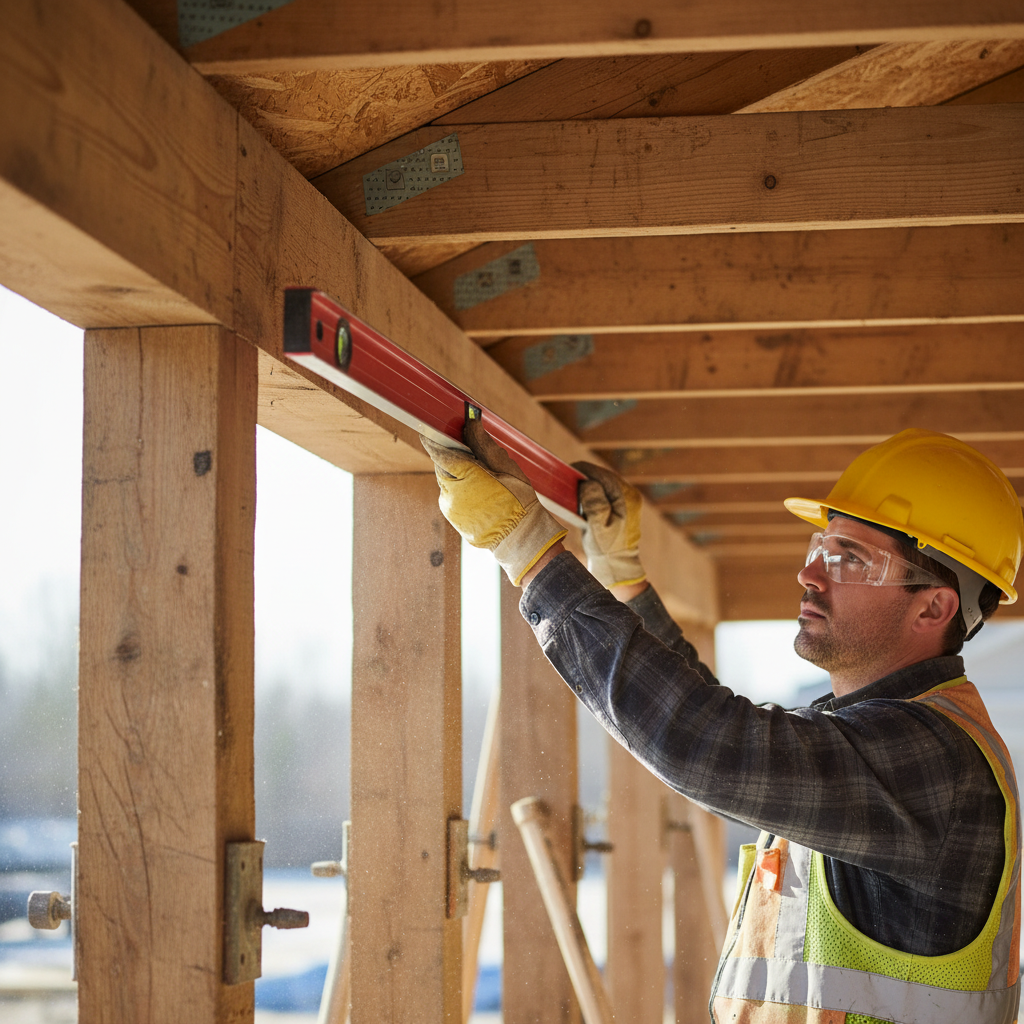
- Level Test: Place a long spirit level or a straightedge across the suspected sagging area. Bubbles not centered on the level or light visible under the straightedge will reveal depressions.
The Importance of Professional Assessment
While DIY inspections can reveal obvious issues, a professional assessment is invaluable, especially if you suspect structural problems. A qualified home inspector, structural engineer, or experienced roofing contractor can pinpoint the exact cause of the sag, assess the extent of the damage, and recommend the most effective repair strategy. They possess the expertise and tools to evaluate hidden issues that might not be apparent to the untrained eye.
Can You Fix a Sagging Porch Roof Yourself?
The decision to undertake a porch roof repair yourself largely depends on the severity of the sag and your personal expertise. While some minor issues might be DIY-friendly, most sagging porch roofs warrant professional intervention.
When DIY Might Be Possible (Minor Issues)
If the sag is extremely minor, caught very early, and clearly attributable to a simple, localized issue—such as a single rotting fascia board or a loose rafter connection that’s easily accessible and doesn’t bear significant load—a skilled homeowner with proper tools and safety equipment might be able to handle it. This usually involves replacing a non-structural element or reinforcing a minor connection. However, even these small jobs carry risks and require a good understanding of construction principles.
When to Call a Professional (Most Cases)
For the vast majority of sagging porch roofs, professional help is not just recommended, but essential. Here’s why:
- Safety: Working on roofs and dealing with compromised structures is inherently dangerous. Professionals have the right safety gear and experience.
- Expert Diagnosis: Identifying the true cause of the sag (e.g., foundation issues, undersized framing, extensive rot) requires expert knowledge.
- Structural Expertise: Professionals know how to properly shore up a sagging structure, replace load-bearing elements, and ensure new construction meets safety and building codes.
- Tools and Equipment: Specialized tools like hydraulic jacks, temporary shoring, and heavy-duty fasteners are often required for effective repair.
- Code Compliance: Structural repairs often require permits and must adhere to local building codes, which professionals are familiar with.
- Warranty and Insurance: Professional contractors offer warranties on their work, and their insurance protects you from liability if an accident occurs.
Attempting a complex structural repair without the necessary expertise can lead to further damage, unsafe conditions, and even more costly repairs down the line. It’s always better to err on the side of caution when structural integrity is at stake.
The Porch Roof Repair Process: What to Expect
Once you’ve decided to tackle the sagging porch roof, knowing what the repair process entails can help you prepare and understand the scope of work.
Professional Inspection and Diagnosis
The repair process typically begins with a thorough inspection by a qualified contractor or structural engineer. They will assess the extent of the sag, identify all contributing factors (water damage, inadequate support, foundation issues), and formulate a detailed repair plan. This might involve opening up parts of the roof or ceiling to examine the hidden structure.
Temporary Shoring and Support
Before any structural components can be repaired or replaced, the sagging roof will need to be temporarily shored up. This involves using strong posts and beams (shoring) to safely lift and hold the roof in its correct position. This step is critical for safety and to allow work to proceed without further collapse.
Repairing or Replacing Damaged Components
Once shored, the damaged structural elements—such as rotten rafters, beams, or support posts—will be removed and replaced. New materials should be of appropriate size and quality, matching or exceeding the original specifications, and often treated to resist rot and insects.
- Wood Rot: Severely rotted sections of wood will be cut out and replaced with new, pressure-treated lumber.
- Damaged Fascia/Soffit: These non-structural but protective elements will be replaced if damaged by water.
- Roof Decking: Sagging or rotted sections of the roof deck (plywood or OSB) will be removed and replaced.
Reinforcing Structural Elements
In cases where the original design was inadequate, the repair will involve reinforcing the structure. This could mean adding sistered rafters (attaching new rafters alongside existing ones), installing additional support beams, or increasing the number of support posts to better distribute the load. Steel plates or specialized connectors might be used to strengthen critical joints.
Addressing the Root Cause
A successful repair goes beyond fixing the visible sag; it addresses the underlying problem that caused it.
- Water Management: This might involve repairing roof leaks, installing new flashing, ensuring proper roof pitch, or cleaning and possibly redesigning gutter systems to improve drainage.
- Foundation Repair: If the foundation is settling, this could involve underpinning the existing footings, installing new piers, or improving site drainage around the porch base.
- Code Compliance: The contractor will ensure all repairs meet current building codes to prevent future issues.
After the structural repairs are complete, the roof will be re-covered with appropriate roofing materials, and any aesthetic finishes like ceiling panels or paint will be restored.
Preventing Future Porch Roof Sagging
Once your porch roof is restored, implementing preventative measures is key to ensuring its longevity and preventing a recurrence of sagging.
Regular Maintenance and Inspections
Proactive care is the best defense against structural problems. Schedule annual or bi-annual inspections of your porch roof, especially after severe weather. Look for early signs of wear, damage, or water intrusion.
- Visual Checks: Regularly examine shingles, flashing, gutters, and support posts for any visible signs of damage, rot, or movement.
- Professional Assessments: Consider having a professional inspect your entire roof and porch structure every few years to catch subtle issues you might miss. Regular home maintenance, as advised by experts, is crucial for preserving your property’s integrity. For a comprehensive guide on seasonal maintenance tasks, check out resources like Good Housekeeping’s Home Maintenance Checklist.
Proper Drainage and Gutter Maintenance
Effective water management is paramount. Ensure your gutters are always clean, free of debris, and properly sloped to direct water away from the porch structure and foundation. Consider installing gutter guards if debris accumulation is a chronic problem. Ensure downspouts direct water several feet away from the porch foundation.
- Clean Gutters: Clear leaves, twigs, and sediment from gutters regularly, especially in autumn and spring.
- Correct Downspout Direction: Extend downspouts away from the porch base to prevent water pooling.
Adequate Structural Design
If you’re building a new porch or extensively renovating an existing one, ensure the design incorporates robust structural components appropriate for your climate and the intended span. Always adhere to or exceed local building codes for lumber sizing, fastening, and load-bearing requirements. A structural engineer can provide invaluable input during the design phase.
- Proper Sizing: Ensure rafters, beams, and posts are adequately sized for the span and expected loads (including snow).
- Quality Materials: Use treated lumber for any wood exposed to moisture or ground contact.
Immediate Repair of Minor Issues
Don’t put off small repairs. A minor leak, a loose shingle, or a slightly compromised fascia board can quickly escalate into a major structural problem if ignored. Address these issues promptly to prevent water infiltration and further deterioration.
- Fix Leaks Promptly: Repair roof leaks as soon as they are detected.
- Seal Cracks: Seal any cracks in the porch’s walls or foundation to prevent water entry.
FAQs about Porch Roof Sagging
Q1: How much does it cost to fix a sagging porch roof?
The cost to fix a sagging porch roof varies widely depending on the extent of the damage, the underlying cause, the materials needed, and local labor rates. Minor repairs, like replacing a few rotten boards, might cost a few hundred dollars. However, complex structural repairs involving shoring, beam replacement, or foundation work can range from $2,000 to $10,000 or even more for extensive overhauls. Getting multiple quotes from qualified contractors is recommended.
Q2: Is a sagging porch roof dangerous?
Yes, a sagging porch roof can be very dangerous. It indicates a compromised structure that could be at risk of partial or complete collapse, especially under heavy loads like snow or strong winds. It poses a significant safety hazard to anyone underneath and can also cause further damage to the main house structure if left unaddressed. It is crucial to address a sagging porch roof as soon as it’s noticed.
Q3: How long does porch roof repair take?
The duration of a porch roof repair depends on the complexity and scope of the work. Minor localized repairs might take a day or two. More extensive structural repairs, involving shoring, replacing multiple beams, and addressing underlying issues like foundation problems, could take several days to a week or more. The weather can also play a role in scheduling and completion times.
Q4: Can I ignore a sagging porch roof?
No, you should never ignore a sagging porch roof. Ignoring the problem will almost certainly lead to it worsening, increasing the risk of collapse, causing more extensive and expensive damage to your property, and significantly decreasing your home’s value. Procrastination in addressing structural issues only makes them more difficult and costly to fix in the long run.
Q5: What’s the difference between a sagging roof and a bowed roof?
While often used interchangeably, “sagging” typically refers to a downward curve or dip in the middle of a roof section, often due to inadequate support, water damage, or excessive weight over time. “Bowed” can describe a curve in either direction—upwards or downwards. For example, rafters might bow upwards due to expansion or sideways due to lateral forces. However, in the context of a porch roof, both terms generally indicate a structural deviation from a straight line, pointing to an underlying problem that needs investigation.
Conclusion
Discovering your porch roof sagging can be a worrying experience, but it’s a clear signal that demands immediate attention. From the silent destructive force of water damage to the overlooked weaknesses in structural design, numerous factors can contribute to this problem. Understanding these causes, recognizing the inherent dangers, and knowing how to properly identify the issue are your first steps toward a safe and lasting solution. While minor cases might tempt the DIY enthusiast, the complexities and safety risks associated with structural repairs almost always necessitate the expertise of qualified professionals. By addressing a sagging porch roof promptly and implementing preventative measures, you not only restore the beauty and functionality of your outdoor space but also safeguard the structural integrity and value of your entire home. Don’t wait for a minor dip to become a major disaster; act swiftly to secure your porch and your peace of mind.