Understanding the Modern Family Playroom
Gone are the days when a playroom was simply a spare room crammed with toys. Modern family playrooms are designed with intention, reflecting a desire for spaces that are both stimulating for children and aesthetically pleasing for adults. They represent an evolution in how we view children’s spaces – as integral parts of the home that contribute to overall family well-being and design harmony.
What Defines a Modern Playroom?
- Multi-functional Design: It’s not just for playing. Modern playrooms often incorporate areas for homework, reading, art, and even family movie nights.
- Aesthetic Integration: These spaces are designed to complement the rest of the home’s decor, often using similar color palettes, materials, and design principles.
- Durability and Easy Maintenance: Life with kids means messes. Modern playrooms prioritize materials and finishes that can withstand heavy use and are easy to clean.
- Safety First: Child-proofing is paramount, with a focus on non-toxic materials, secure furniture, and age-appropriate design.
- Flexibility and Adaptability: As children grow, their interests change. A modern playroom is designed to evolve, offering flexibility to reconfigure zones and update decor.
Key Principles for Designing Your Modern Playroom
Embarking on a playroom design project requires a strategic approach. By focusing on fundamental principles, you can create a space that is both beautiful and highly functional for years to come.
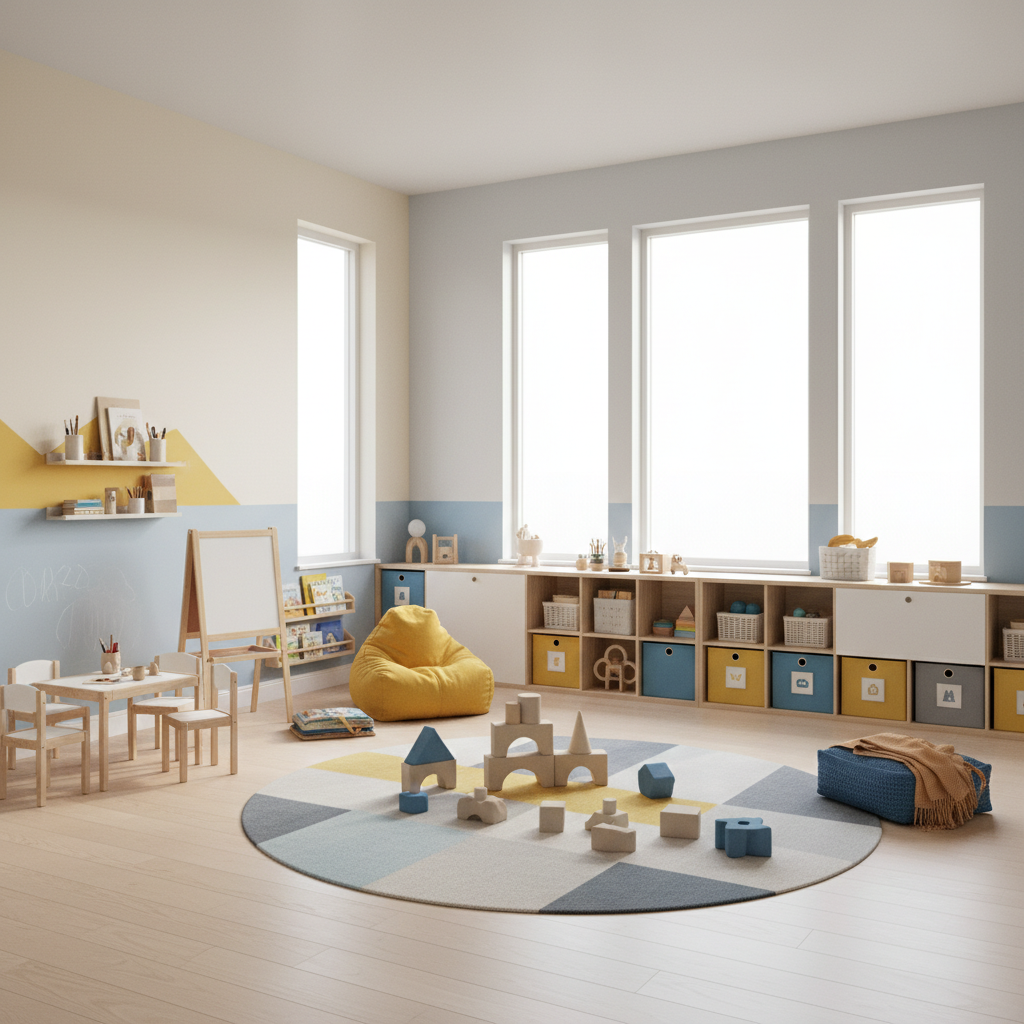
1. Safety First: The Non-Negotiable Foundation
Before any aesthetic decisions, safety must be the top priority. This includes:
- Child-Proofing Essentials: Cover electrical outlets, secure heavy furniture to walls, and install safety gates if needed.
- Non-Toxic Materials: Opt for low-VOC paints, natural wood finishes, and fabrics free from harmful chemicals.
- Soft Landings: Ensure flooring in active play areas provides some cushioning.
- Rounded Edges: Choose furniture with rounded corners to minimize bumps and scrapes.
- Supervision: Design the room so that it can be easily supervised, even if from an adjacent area.
For further guidance on child safety at home, resources like Good Housekeeping’s tips on child-proofing can be invaluable.
2. Durability and Easy Maintenance: Built for Real Life
Playrooms are high-traffic areas. Select materials that can withstand spills, scratches, and constant activity:
- Washable Surfaces: Consider semi-gloss or scrubbable paint for walls. Wipeable surfaces for tables and chairs are a must.
- Robust Flooring: Vinyl, laminate, or engineered hardwood with area rugs are excellent choices. Avoid delicate carpets.
- Stain-Resistant Fabrics: For upholstery and cushions, choose fabrics treated for stain resistance or those with removable, machine-washable covers.
3. Flexibility and Adaptability: Growing with Your Child
A well-designed playroom can evolve with your child from toddler to teen:
- Modular Furniture: Shelving units, storage cubes, and seating that can be rearranged or added to.
- Neutral Base: Start with a neutral color palette for walls and large furniture items, adding pops of color through accessories that can be easily updated.
- Multi-purpose Items: Ottomans with storage, convertible tables, or benches that double as toy chests.
4. Smart Storage Solutions: Taming the Toy Tsunami
Effective storage is the backbone of any organized playroom. Without it, even the most beautifully designed space will succumb to clutter:
- Accessible Storage: Place frequently used items at child height.
- Variety of Storage Types: Combine open shelves for display with closed cabinets for less attractive items, and bins/baskets for small toys.
- Vertical Storage: Utilize wall space with tall shelving units or wall-mounted baskets.
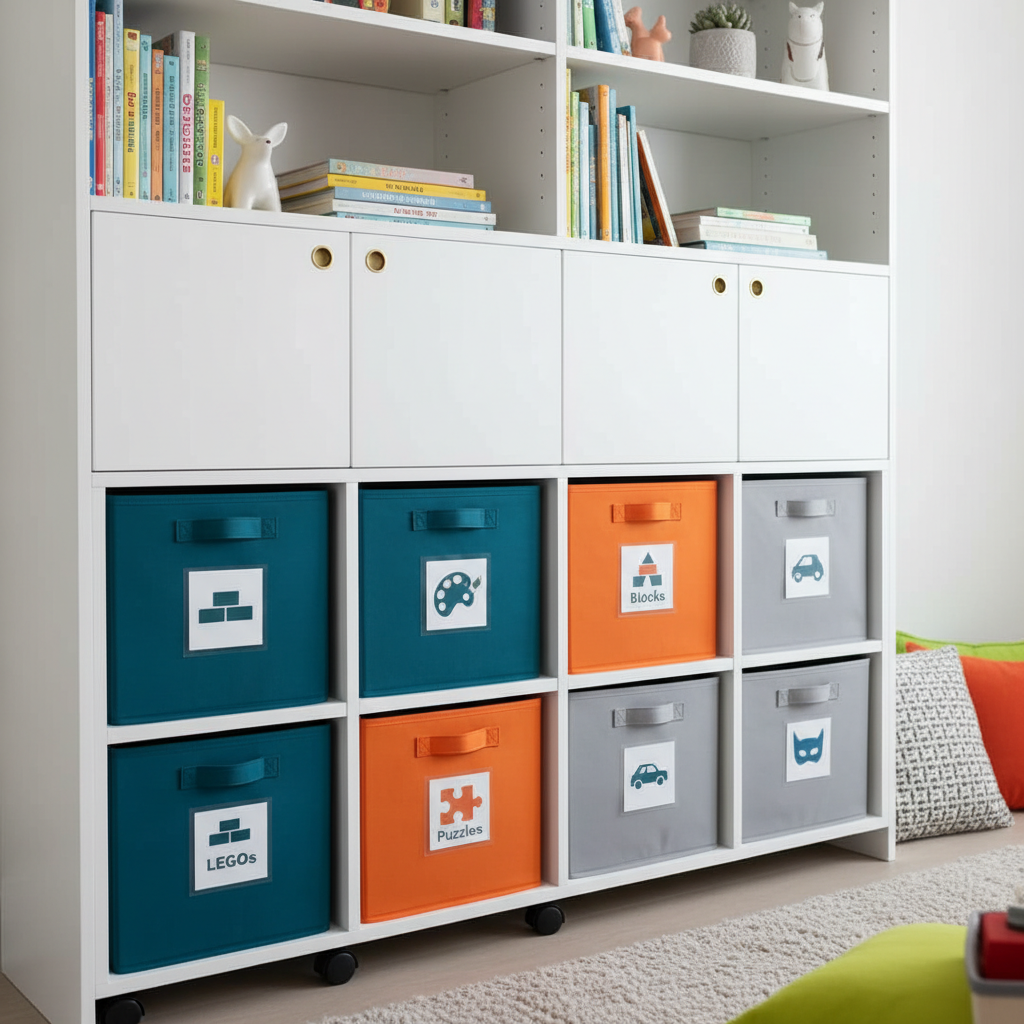
- Labeling: Encourage children to put toys away by labeling bins with pictures or words.
5. Encouraging Creativity & Learning: More Than Just Play
Design zones that foster different types of engagement:
- Art Supplies: Dedicated craft table and storage for paper, crayons, and paints.
- Reading Nook: Comfortable seating, good lighting, and accessible bookshelves.
- Building Blocks: Ample floor space for construction.
- Imaginative Play: A clear space for role-playing games, dress-up, or puppet shows.
6. Aesthetics: Integrating with Overall Home Design
Your playroom doesn’t have to look like a daycare center. Integrate it with your home’s style:
- Cohesive Color Palettes: Use colors that complement the adjacent rooms.
- Stylish Furniture: Choose kid-friendly furniture that doesn’t compromise on design.
- Thoughtful Decor: Art, rugs, and accessories can elevate the space beyond just function.
Creative Playroom Zones & Ideas
To truly inspire and engage, a modern playroom benefits from clearly defined zones, each catering to a different type of play or activity. This structure helps children focus and can even help with cleanup.
The Art & Craft Zone
Ignite imagination with a dedicated area for artistic expression.
- Essentials: A sturdy, easy-to-clean table and chairs at an appropriate height. An easel with a paper roll for spontaneous masterpieces.
- Storage: Small drawers or clear containers for crayons, markers, paints, glue sticks, and construction paper. A wall-mounted rack for drying art.
- Surfaces: Consider a chalkboard or whiteboard wall for drawing and notes.
Reading Nook & Quiet Corner
Provide a tranquil retreat for stories and calm activities.
- Cozy Seating: A beanbag chair, floor cushions, a small sofa, or a hanging swing chair.
- Book Storage: Forward-facing shelves or wall-mounted ledges make books inviting.
- Lighting: A soft, warm reading lamp is essential. Natural light is a bonus.
- Ambience: A soft rug and throw blankets enhance the comfort.
Active Play Area
Channel endless energy into constructive movement.
- Soft Flooring: Interlocking foam mats or a large, plush rug are ideal for cushioning falls.
- Movement Elements: Depending on space, consider a small indoor slide, a mini climbing wall with handholds, monkey bars, or balance beams.
- Open Space: Ensure enough clear floor space for running, jumping, and tumbling.
- Sports Equipment: A mini basketball hoop, soft soccer goals, or even a punching bag can be incorporated safely.
Imaginative Play Station
Fuel fantasy and role-playing adventures.
- Dress-Up Corner: A small wardrobe or hanging rack for costumes, a full-length mirror, and bins for accessories (hats, shoes, jewelry).
- Play Kitchen/Workshop: A miniature kitchen setup or a workbench with toy tools.
- Dollhouse/Garage: A dedicated spot for larger play sets that encourage storytelling.
- Themed Play: A pop-up tent, teepee, or a custom-built fort can transform the space.
Building Blocks & Construction Zone
Encourage engineering and problem-solving skills.
- Ample Floor Space: This zone requires a large, flat surface for spreading out creations.
- Storage: Large, open bins or rolling carts are perfect for keeping LEGOs, Duplos, and magnetic tiles organized yet accessible.
- Building Surface: A dedicated table with a building plate surface or a large mat can keep pieces contained.
Music & Performance Area (Optional)
For the budding musician or performer.
- Instruments: A child-sized keyboard, drum set, guitar, or a collection of percussion instruments.
- Stage Area: Even a small, raised platform or a designated rug can serve as a “stage.”
- Storage: Wall-mounted hooks for guitars or baskets for smaller instruments.
Smart Storage Solutions for Every Playroom
Effective storage is the true MVP of a modern playroom. It’s what transforms a cluttered space into an inviting one, making cleanup manageable for both children and adults.
1. Built-in Cabinetry vs. Freestanding Units
- Built-ins: Offer a seamless, custom look and maximize every inch of space, often blending in with the architecture. They can include a mix of open shelving, closed cupboards, and window seats with hidden storage.
- Freestanding Units: More flexible and budget-friendly. They can be moved, rearranged, or taken with you if you relocate. Consider sturdy bookcases, cubby systems, and storage benches.
2. Open Shelving vs. Closed Cabinets
- Open Shelving: Great for displaying aesthetically pleasing toys, books, and decor. It makes items easily accessible and can encourage children to put things away neatly. However, it can look cluttered quickly if not organized.
- Closed Cabinets: Ideal for hiding away less attractive toys, games with many small pieces, or items you want to keep out of sight. They help maintain a clean and uncluttered appearance.
3. Bins, Baskets, and Clear Containers
- Fabric Bins: Soft, lightweight, and come in various colors and patterns. Excellent for stuffed animals, dress-up clothes, or soft blocks.
- Wicker/Woven Baskets: Add texture and a natural element to the room. Good for larger items or blankets.
- Plastic Totes/Clear Containers: Invaluable for LEGOs, craft supplies, or small toy collections. Clear containers make it easy to see contents without opening them.
- Rolling Bins: Perfect for active play zones, allowing toys to be easily moved aside for floor space or rolled away into a closet.
4. Vertical Storage Solutions
Don’t forget your walls! Vertical storage saves floor space.
- Wall-Mounted Shelves: Display books, art supplies, or small collectibles.
- Pegboards: Customizable and versatile for hanging tools, art supplies, or small baskets.
- Wall Pockets/Organizers: Great for craft papers, small toys, or soft items.
5. Labeling Systems
Empower children to help with cleanup.
- Picture Labels: For younger children who can’t read yet, use images of the items that belong in each bin.
- Text Labels: For older children, use clear, simple text labels.
- Color-Coding: Assign a color to each type of toy or activity.
6. Multi-Purpose Furniture with Hidden Storage
Maximize functionality with smart furniture choices.
- Storage Ottomans: Provide extra seating and a place to stash blankets or soft toys.
- Window Seats: Built-in window seats with lift-top or drawer storage offer a cozy spot and practical storage.
- Benches with Storage: Ideal for entryways or under windows, combining seating with storage for shoes, books, or larger toys.
Color Schemes, Lighting & Decor That Inspire
Beyond functionality, the aesthetic elements of a playroom play a significant role in creating an inviting and stimulating environment.
Color Palettes: Setting the Mood
Colors can influence mood and energy levels. Consider these approaches:
- Calming & Neutral: Soft grays, whites, beiges, and muted greens or blues create a serene backdrop that can be enlivened with colorful toys and accessories. This approach also helps the playroom blend seamlessly with other areas of a modern home.
- Pops of Color: If a neutral base feels too subdued, introduce vibrant hues through accent walls, rugs, cushions, or storage bins.
- Bright & Cheerful: For a truly energetic space, embrace a bolder palette, but consider balancing bright colors with some quieter elements to prevent overstimulation.
- Themed Colors: If your child has a particular interest (e.g., space, nature, animals), incorporate colors that reflect that theme.
Lighting: Illuminating Play and Learning
Good lighting is crucial for both safety and functionality.
- Natural Light: Maximize natural light with large windows. Sheer curtains or blinds allow you to control glare while still letting light in.
- Layered Artificial Lighting:
- Ambient Lighting: A central ceiling fixture (flush mount, semi-flush mount, or even a playful pendant) provides overall illumination.
- Task Lighting: Desk lamps for art tables, reading lamps for quiet nooks, or spotlights for specific play zones.
- Accent Lighting: String lights, LED strips, or decorative nightlights can add a magical touch, especially for evening play or winding down.
- Dimmer Switches: Allow you to adjust the light intensity for different activities and moods.
Flooring: Durable, Comfortable, and Safe
The right flooring can withstand messes while providing comfort.
- Hardwood or Laminate: Easy to clean, durable, and a great base for layering rugs.
- Vinyl or LVT (Luxury Vinyl Tile): Highly durable, water-resistant, and comes in a wide range of styles.
- Cork Flooring: A natural, sustainable option that is soft underfoot, sound-absorbent, and resistant to mold and mildew.
- Area Rugs: Essential for adding warmth, cushioning, and defining zones. Choose low-pile, washable rugs or outdoor rugs that can handle heavy use.
- Interlocking Foam Mats: Excellent for active play areas, providing soft landings and easy cleanup.
Walls & Decor: Inspiring Imagination
Walls are your canvas for creativity.
- Chalkboard or Whiteboard Paint: Designate a wall or section for endless drawing and doodling.
- Removable Wallpaper or Wall Decals: A great way to introduce patterns, themes, or murals without a permanent commitment.
- Gallery Walls: Display children’s artwork, family photos, or framed prints that align with their interests. Use clipboards or magnetic boards for easy rotation of masterpieces.
- Mirrors: A full-length mirror for dress-up or smaller decorative mirrors can add light and expand the sense of space.
Textiles: Adding Comfort and Texture
Soft furnishings make a playroom feel inviting.
- Cushions and Pillows: Scatter them on the floor, in reading nooks, or on benches for extra comfort.
- Throws and Blankets: Cozy additions for quiet time, imaginative play (e.g., building forts), or simply snuggling up.
- Curtains: Choose practical fabrics that can be washed easily. Blackout curtains can be useful for nap times or creating a darker environment for projector use.
Designing for Different Age Groups
One of the biggest challenges in playroom design is creating a space that appeals to multiple ages or can evolve as children grow. Anticipating these changes is key.
Toddlers & Preschoolers (Ages 1-5)
- Focus: Sensory play, gross motor skills, early imaginative play.
- Key Features:
- Soft, safe surfaces and low-level access to toys.
- Large, chunky toys that are easy to manipulate (e.g., Duplos, soft blocks).
- Open storage bins at floor level for easy access and cleanup.
- A sturdy, small table and chairs for crafts and snacks.
- Lots of open floor space for crawling, walking, and rolling.
- Bright, primary colors can be stimulating, but balanced with calming neutrals.
School-Aged Kids (Ages 6-12)
- Focus: Skill development, hobbies, social play, early independence.
- Key Features:
- Defined zones for specific activities like building, art, or reading.
- More complex storage for smaller items (LEGOs, action figures, board games).
- A dedicated desk or study area for homework and projects.
- Space for board games and social interaction.
- Opportunities for displaying achievements (trophies, artwork).
- Colors can become more refined, incorporating child’s favorite hues in a stylish way.
Tweens & Teens (Multi-generational Family Spaces)
As children enter their teen years, the playroom often transitions into a more multi-generational lounge or hobby space.
- Focus: Socializing, personal interests, relaxation, study.
- Key Features:
- Comfortable seating for lounging, such as a large sectional, beanbags, or floor pillows.
- Tech integration: Charging stations, a TV for gaming or movies, good Wi-Fi.
- Storage for hobbies: Musical instruments, art supplies, gaming equipment, sports gear.
- More sophisticated decor, reflecting evolving tastes.
- Still incorporating playful elements but in a more mature way (e.g., a stylish dartboard, a ping-pong table).
- Consider a small fridge or snack station if space allows.
Integrating Playrooms with Overall Home Aesthetics
A modern playroom doesn’t need to be an isolated island of primary colors and plastic toys. It can, and should, feel like a natural extension of your home’s design.
- Harmonize Color Palettes: Use a consistent color scheme throughout your home, perhaps introducing bolder accents in the playroom while maintaining core neutrals.
- Consistent Material Choices: If your home features natural woods, metals, or certain fabric types, carry these elements into the playroom to create a cohesive look.
- Adult-Friendly Elements: Incorporate pieces that adults would also appreciate, such as stylish shelving units, a comfortable armchair, or sophisticated artwork that can grow with the space.
- Thoughtful Flow: Consider how the playroom connects to adjacent rooms. Ensure smooth transitions in style and function. For instance, if it’s off the living room, perhaps a large sliding barn door allows for easy closing off when needed, but seamless openness otherwise.
- Less is More: A modern aesthetic often favors clean lines and minimal clutter. Even in a playroom, prioritizing quality over quantity in toys and decor can contribute to a more refined look.
Frequently Asked Questions About Modern Playroom Design
How do I keep a playroom organized and tidy?
The key to playroom organization is a combination of smart storage, decluttering, and establishing routines. Utilize a variety of storage solutions like labeled bins, open shelving, and closed cabinets. Regularly declutter by rotating toys and donating those no longer used. Involve children in the cleanup process by making it part of their daily routine.
What’s the best flooring for a playroom?
For durability and ease of cleaning, options like vinyl, laminate, or engineered hardwood are excellent. Layering these with low-pile, washable area rugs or interlocking foam mats provides comfort and safety for active play. Avoid high-pile carpets that can trap dirt and allergens.
How can I make a playroom fun for different ages?
Designating clear zones for different activities is crucial. Have a toddler-friendly soft play area, an art station for school-aged kids, and a reading nook that appeals to all ages. Utilize flexible, modular furniture that can be easily rearranged or adapted. A neutral base allows you to update accessories and toys as interests change.
Should a playroom match the rest of my house?
While it doesn’t need to be an exact replica, a modern playroom benefits from complementing your home’s overall aesthetic. Use similar core color palettes, material choices, and design styles to create a cohesive feel. This ensures the playroom feels like an integrated part of your home, rather than an isolated, mismatched space.
What are some budget-friendly playroom ideas?
You don’t need to spend a fortune to create an inspiring playroom. Consider DIY storage solutions like upcycled crates or painted cardboard boxes. Use removable wallpaper or paint a chalkboard wall for a creative impact. Look for second-hand furniture that can be refurbished, and prioritize versatile pieces that can serve multiple functions. Focus on quality over quantity for toys and rotate them to keep things fresh.
Conclusion
Creating a modern family playroom is an investment in your children’s development, your family’s harmony, and your home’s aesthetic appeal. By prioritizing safety, embracing smart storage solutions, designing for flexibility, and weaving in inspiring decor, you can transform a simple room into a dynamic hub for creativity, learning, and unforgettable childhood memories. Remember, the best playroom is one that evolves with your family, reflecting their unique personalities and needs while remaining a joyful and organized space for everyone. Start envisioning your dream playroom today, and watch your family thrive in a beautifully designed environment.