Overflowing Toilet Quick Fix: Effective Immediate Solutions to Stop the Mess
When a toilet begins to overflow, it can quickly become one of the most stressful household plumbing emergencies. Knowing an overflowing toilet quick fix is essential to prevent water damage, avoid unpleasant cleanup, and restore normal function as swiftly as possible. This article covers practical, step-by-step solutions you can take right now to stop the overflow and manage the situation safely before calling a plumber if needed.
Common Causes of a Toilet Overflow
Understanding why a toilet overflows can make it easier to manage. Typically, overflow occurs due to:
- Clogged Pipes: Excess toilet paper, non-flushable items, or buildup blocking the wastewater flow.
- Malfunctioning Flush Mechanism: Problems with the flapper valve or fill valve causing continuous water flow.
- Blocked Vent Pipes: Ventilation pipes in your plumbing system help sewage gases escape; if blocked, water can back up.
Immediate Steps for an Overflowing Toilet Quick Fix
1. Stop the Water Flow
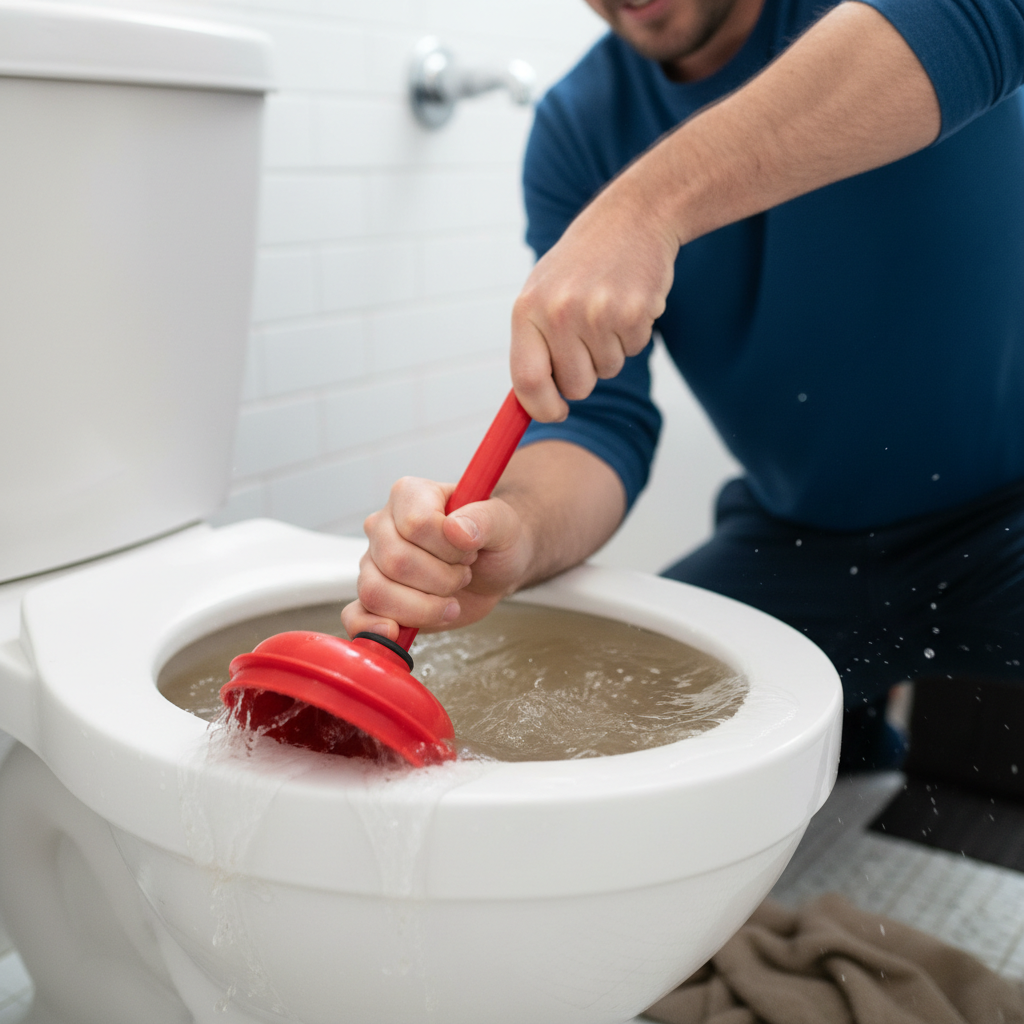
The first priority is to stop more water from spilling over. Locate the shutoff valve:
- Usually near the base of the toilet, turn the valve clockwise to close it.
- If there is no shutoff valve or it is stuck, remove the tank lid and lift the float to stop water from filling the bowl.
2. Avoid Flushing Again
Flushing an overflowing toilet can worsen the problem by forcing more water into the bowl. Instead, wait until the blockage is cleared or water level has gone down.
3. Use a Plunger Properly
A plunger is your go-to tool for clogs:
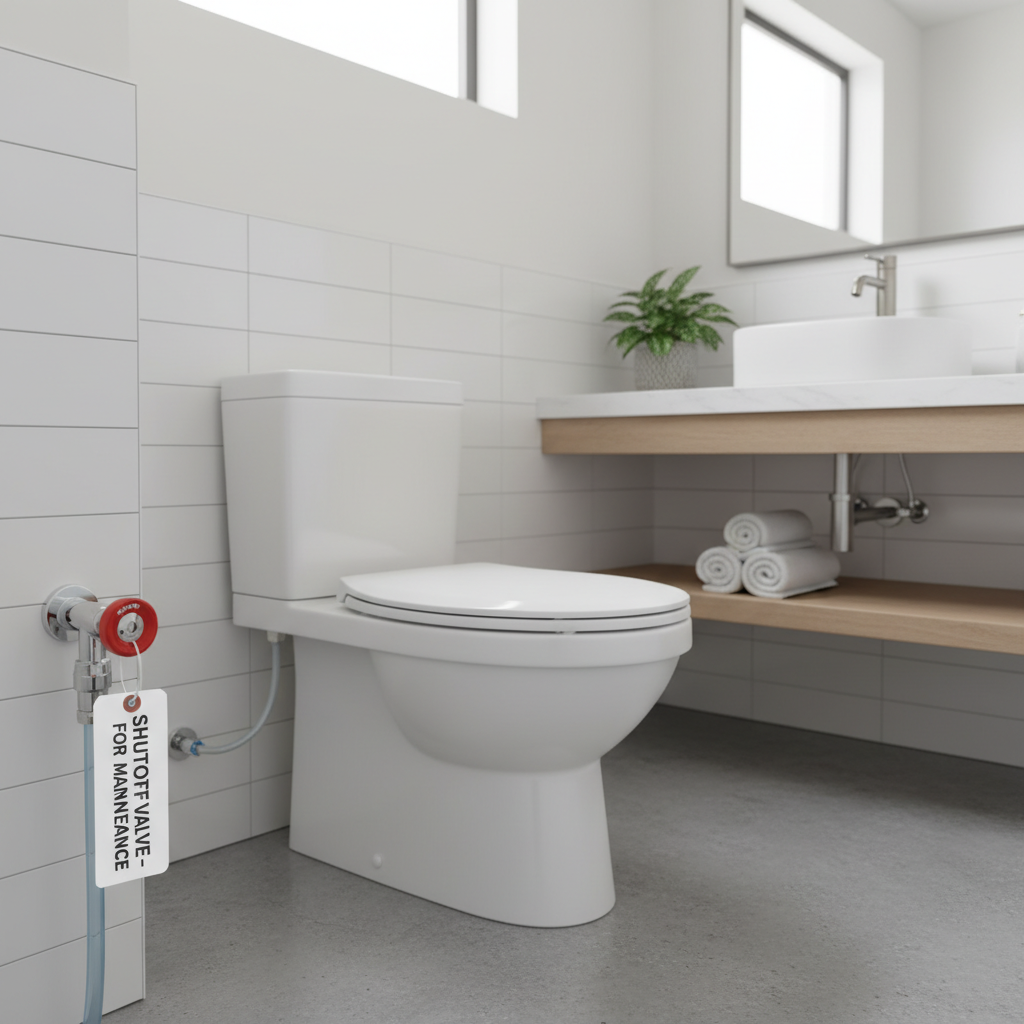
- Choose a flange plunger (designed for toilets).
- Ensure enough water covers the plunger cup to create a good seal.
- Push down gently at first, then vigorously plunge up and down about 15-20 times.
- Pull the plunger off quickly to see if water drains.
4. Try a Toilet Auger or Drain Snake
If plunging doesn’t work, a toilet auger can help:
- Insert the snake gently into the toilet drain.
- Rotate the handle to catch and dislodge the clog.
- Pull the snake out and then try flushing (only if water level is safe).
Preventative Tips to Avoid Future Overflows
Once you’ve addressed the immediate emergency, focus on prevention:
- Flush Only Toilet Paper: Avoid flushing wipes, feminine products, or paper towels.
- Use Moderate Amounts of Toilet Paper: Too much paper can cause clogs.
- Regular Maintenance: Occasionally use safe drain cleaners and inspect plumbing fixtures for wear.
- Upgrade Your Toilet: Modern toilets with efficient flushing and anti-clog designs can reduce overflow risks.
When to Call a Professional Plumber
If none of the quick fixes work, or if the flooding persists, it’s time to contact a professional. Persistent overflow could signal:
- A deeper blockage in your sewer line.
- Damaged pipes requiring repair.
- Faulty internal toilet parts needing replacement.
A licensed plumber will have specialized tools and expertise to handle complex issues safely and prevent costly water damage.
Cleaning Up After an Overflow
Overflowing toilets can spread harmful bacteria and contaminants. Use protective gloves and disinfect all affected surfaces thoroughly. Remove standing water with towels or a wet/dry vacuum. Following cleanup, increase ventilation and consider a household disinfectant recommended by experts such as Good Housekeeping to ensure your bathroom is sanitary.
Frequently Asked Questions
Why does my toilet overflow when I flush?
Most overflows are caused by clogs preventing water from draining properly or problems with the toilet’s fill mechanism causing excessive water to enter the bowl.
Can vinegar or baking soda help unclog an overflowing toilet?
While vinegar and baking soda can sometimes clear mild buildup, they are usually insufficient for severe clogs causing overflow. Mechanical methods like plungers or augers are more effective in emergencies.
Is it safe to use chemical drain cleaners in toilets?
Chemical cleaners can damage plumbing and septic systems, and are often ineffective for thick toilet clogs. Mechanical tools or professional help are safer choices.
How can I prevent my toilet from overflowing in the future?
Practice mindful flushing habits, use only toilet paper, and maintain your plumbing system regularly to reduce risk of overflow.
What do I do if I can’t find the shutoff valve?
If the shutoff valve is missing or broken, stop water entering the bathroom at the main water supply immediately to prevent damage, and call a plumber to install or repair valves.