The dream of a beautifully designed home doesn’t have to be limited by square footage. In an era where efficiency and sustainability are paramount, modern home design ideas for small houses have become incredibly popular, proving that compact living can be both luxurious and highly functional. Small houses offer a unique opportunity to embrace creativity, optimize every inch, and live a more intentional lifestyle. Far from feeling cramped or restrictive, a well-thought-out small home can feel expansive, airy, and utterly stylish. This comprehensive guide will explore innovative strategies and inspiring design principles to transform any small house into a modern masterpiece, blending aesthetics with smart functionality.
Embracing Open-Concept Layouts for Fluidity
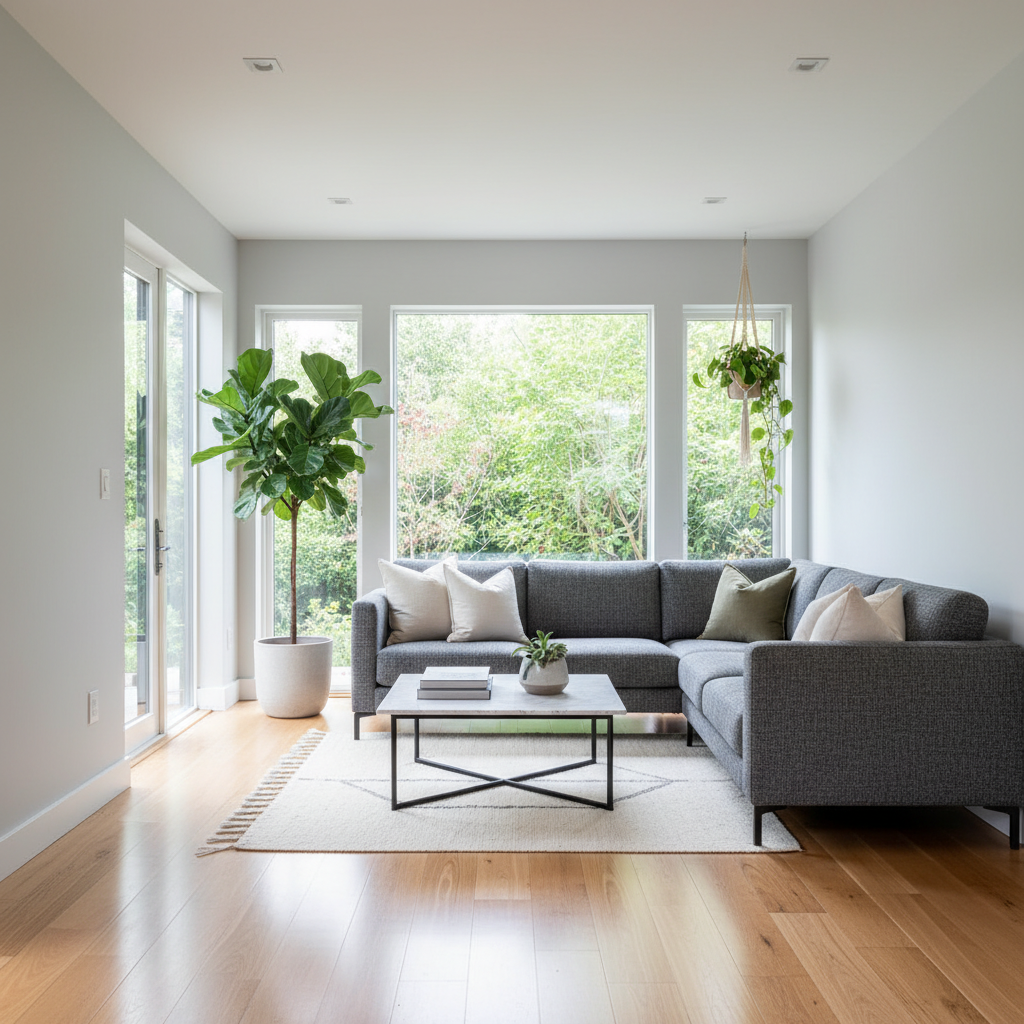
One of the foundational principles of modern design, particularly in small spaces, is the open-concept layout. By minimizing internal walls, you can create a seamless flow between living, dining, and kitchen areas, making the entire space feel much larger and more interconnected. This fluidity not only enhances the visual perception of space but also improves natural light distribution and social interaction.
The Power of Seamless Transitions
An open plan thrives on visual continuity. Using the same flooring material throughout common areas, like hardwood or polished concrete, helps to draw the eye across the entire space without interruption. Similarly, a consistent color palette and complementary textures tie the different zones together, creating a harmonious and cohesive aesthetic. Consider furniture that doesn’t block sightlines, such as low-profile sofas or dining tables with slender legs, to maintain an unobstructed view.
Strategic Room Dividers (Visual vs. Physical)
While open concepts reduce walls, defining zones is still crucial for functionality and comfort. Instead of solid walls, modern small homes utilize strategic, often visual, dividers. Options include:
- Half-walls or pony walls: Offer a subtle separation without fully enclosing an area, often topped with a countertop for additional function.
- Open shelving units: Provide storage and display space while allowing light to pass through.
- Sliding or pocket doors: Excellent for when privacy is occasionally needed, such as for a bedroom or home office, but can disappear when not in use.
- Area rugs: Visually delineate zones, such as a living area from a dining space, without any physical barrier.
- Changes in ceiling height or lighting: A dropped ceiling or a distinct light fixture can signal a new zone.
Multipurpose Furniture: The Smart Home’s Best Friend
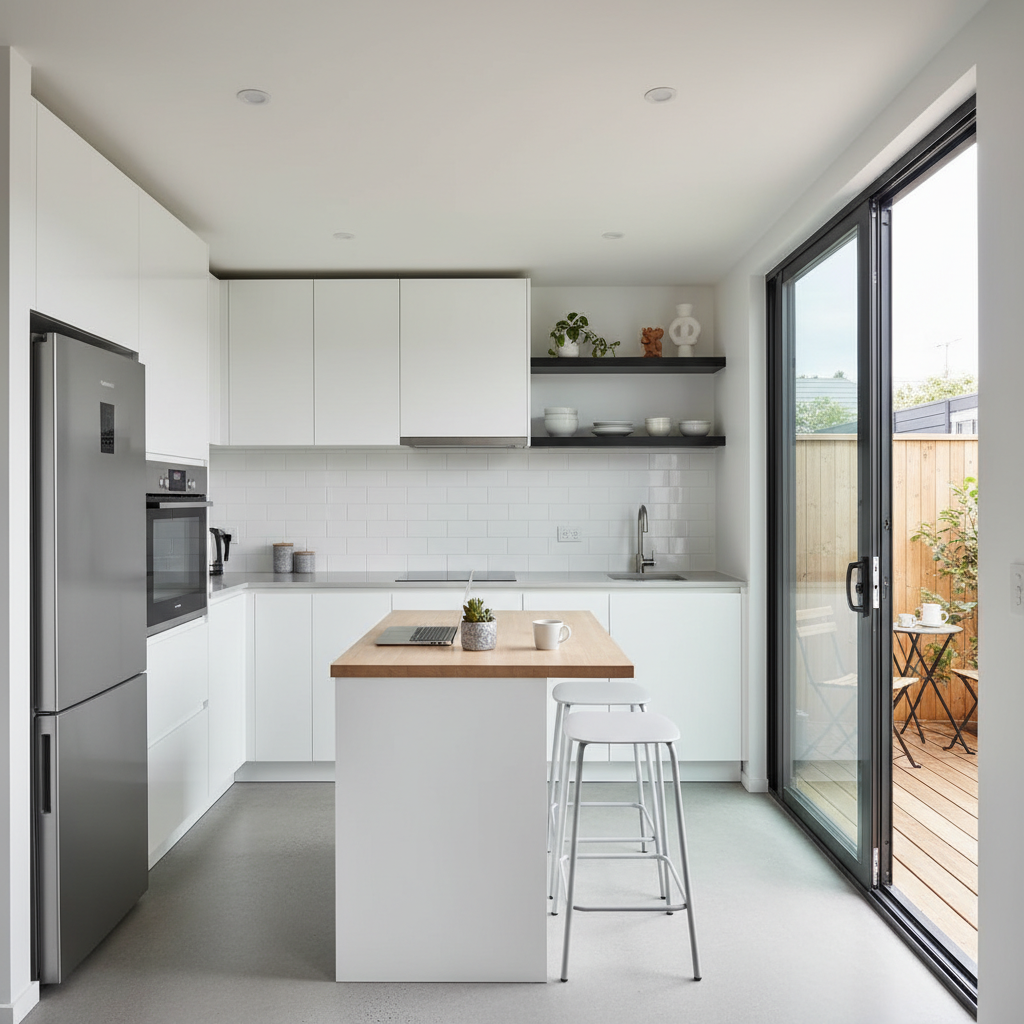
In a small house, every piece of furniture must earn its keep. Multipurpose furniture is not just a trend; it’s a necessity that epitomizes modern small home design. These innovative pieces offer flexibility and functionality, allowing a single item to serve several roles throughout the day or as needed.
Convertible Pieces for Dynamic Living
The ability to transform a space quickly is invaluable. Look for furniture that can adapt to different needs:
- Sofa beds or futons: Convert a living room into a guest bedroom.
- Nesting tables: Offer multiple surface areas that can be tucked away when not in use.
- Expandable dining tables: Can accommodate just a few for daily meals and expand for entertaining.
- Ottomans with hidden storage: Provide seating, a footrest, and a place to stash blankets or magazines.
- Wall-mounted desks: Fold up when not in use, reclaiming precious floor space.
Integrated Storage Solutions in Furniture
Many modern furniture pieces are designed with integrated storage, turning everyday items into clever containers:
- Beds with drawers underneath or hydraulic lift mechanisms for under-mattress storage.
- Coffee tables with lift-tops that reveal storage compartments.
- Benches or window seats with built-in storage boxes.
Harnessing Light and Color to Expand Perception
The perception of space is heavily influenced by light and color. Thoughtful application of these elements can make even the most compact home feel airy, bright, and significantly larger than its actual footprint.
Maximizing Natural Light
Natural light is a small home’s best friend. It opens up spaces, reduces the need for artificial lighting, and connects interiors with the outdoors. Maximize it by:
- Using large windows, preferably floor-to-ceiling, where possible.
- Opting for sheer curtains or blinds that can be pulled back completely.
- Avoiding heavy drapes that block window views.
- Positioning furniture to not obstruct windows.
- Considering skylights or sun tunnels for interior rooms or hallways.
The Strategic Use of Mirrors
Mirrors are a classic trick for making a space feel larger and brighter. A well-placed large mirror can reflect light and views, effectively doubling the perceived size of a room. Consider a full-length mirror leaning against a wall, a mirrored accent wall, or a large decorative mirror opposite a window to amplify its effects.
Light Color Palettes and Their Impact
Light colors recede, making walls appear further away and ceilings higher. Whites, off-whites, pastels, and soft grays are popular choices for modern small homes because they reflect light and create a sense of openness. These neutral backdrops also provide a versatile canvas for furniture and decor.
Thoughtful Accent Colors
While light colors dominate, strategic pops of accent colors can add personality and depth without overwhelming the space. Use bold hues in small doses through throw pillows, artwork, a single piece of furniture, or decorative accessories. This adds visual interest and prevents the neutral palette from feeling sterile.
Vertical Living: Utilizing Every Inch of Wall Space
When floor space is limited, the only way to go is up. Vertical storage and display solutions are crucial for maintaining order and adding character to modern small houses.
Floating Shelves and Wall-Mounted Units
Floating shelves are incredibly versatile for displaying books, decor, or plants without consuming floor space. Wall-mounted cabinets, media consoles, and even nightstands create an illusion of lightness and keep floors clear, making cleaning easier and the room feel more open.
Tall, Slim Storage Solutions
Instead of wide, bulky units, opt for tall and slim bookcases, cabinets, or pantry units. These draw the eye upwards, emphasizing ceiling height and offering ample storage without encroaching too much on the room’s footprint. Custom built-ins can perfectly fit awkward corners or narrow walls.
Integrated Wall Systems
Modern design often incorporates modular wall systems that combine shelving, desk space, and cabinetry into a cohesive unit. These systems are highly customizable and efficient, providing comprehensive storage and functionality along an entire wall.
Seamless Indoor-Outdoor Connection
Bringing the outdoors in is a hallmark of modern design, and it’s particularly impactful in small homes. Extending living spaces visually or physically to the exterior can significantly enhance the feeling of spaciousness and provide a refreshing change of scenery.
Large Windows and Sliding Doors
As mentioned, large windows are key, but sliding glass doors take it a step further. They can open up entirely, blurring the lines between indoor and outdoor areas and effectively expanding your living space onto a patio or deck. French doors or bifold doors can also serve this purpose.
Creating a Micro-Outdoor Oasis
Even a small balcony, patio, or courtyard can become a valuable extension of your home. Furnish it with comfortable, weather-resistant furniture, potted plants, and perhaps string lights to create an inviting outdoor “room.” Consistent flooring material from indoors to this outdoor space can strengthen the connection. Small container gardens or vertical gardens can add greenery without taking up much space.
Ingenious Storage Solutions: Out of Sight, Out of Mind
Clutter is the enemy of small spaces. Modern design prioritizes clean lines and uncluttered surfaces, which necessitate smart and often hidden storage solutions. Effective storage is the backbone of a functional small home.
Built-in Cabinetry and Nooks
Custom built-ins are an investment that pays dividends in small homes. They can perfectly fit into awkward nooks, under stairs, or along entire walls, providing seamless storage that blends into the architecture. Think built-in wardrobes, window seats with storage, or integrated shelving around a fireplace.
Under-Stair and Under-Bed Storage
These often-overlooked areas are goldmines for storage. Under-stair drawers or cabinets can hide anything from shoes to cleaning supplies. Beds with built-in drawers or lift-up frames offer significant space for linens, seasonal clothing, or extra bedding.
Decluttering as a Lifestyle
Even the cleverest storage solutions can’t compensate for excessive possessions. Modern small home design thrives on minimalism and intentional living. Regularly decluttering and adopting a “one in, one out” policy is crucial to maintaining an organized and serene environment. Keep only what you truly need and love. For tips on effective decluttering, sources like Good Housekeeping offer excellent advice to help you get started and stay organized.
Sustainable and Mindful Design Choices
Modern design often goes hand-in-hand with sustainability. In a small house, making eco-conscious choices not only benefits the planet but can also contribute to a healthier and more efficient living environment.
Energy Efficiency and Smart Appliances
Small homes inherently require less energy to heat and cool. Enhance this by choosing energy-efficient windows, good insulation, and Energy Star-rated appliances. Smart home technology, such as programmable thermostats and smart lighting, can further reduce energy consumption and streamline daily routines.
Natural Materials and Biophilic Design
Incorporate natural materials like wood, stone, bamboo, and cork. These materials add warmth, texture, and a connection to nature. Biophilic design, which integrates natural elements and patterns into the built environment, improves well-being. This can be as simple as adding houseplants, using natural light, or selecting materials that evoke nature.
Embracing Local and Handmade
Support local artisans and choose handmade items that tell a story. This adds unique character to your home and reduces the environmental impact associated with mass production and long-distance shipping.
The Essence of Modern Minimalism in Small Homes
Minimalism is not about deprivation; it’s about intentionality and clarity. It’s a natural fit for modern small homes, promoting a sense of calm and spaciousness.
Less is More: A Guiding Principle
Embrace the philosophy of “less is more.” This means focusing on quality over quantity, selecting pieces that are beautiful and functional, and avoiding unnecessary ornamentation. Clean lines, uncluttered surfaces, and a well-curated selection of items define minimalist aesthetics.
Curated Possessions and Quality Over Quantity
Every item in a minimalist home is chosen with purpose. Invest in well-made, durable pieces of furniture and decor that you genuinely love and that serve a function. This approach reduces waste, promotes longevity, and creates a more meaningful environment.
Integrating Smart Technology for Enhanced Living
Technology plays a significant role in modern living, and it can be particularly beneficial in small spaces by improving efficiency, convenience, and comfort without adding clutter.
Smart Home Systems for Efficiency and Comfort
Implement smart home systems that control lighting, temperature, security, and entertainment. These systems can be controlled from a central hub or smartphone, often integrating seamlessly into the home’s design without visible wires or bulky devices.
Space-Saving Appliances and Fixtures
Manufacturers are increasingly designing compact, high-performance appliances perfect for small kitchens and bathrooms. Think slimline dishwashers, combination washer-dryers, tankless water heaters, and integrated refrigeration drawers that blend into cabinetry.
Personalizing Your Compact Modern Sanctuary
While modern design often favors clean lines and minimalist aesthetics, it should never feel impersonal. A small home is an intimate space, and infusing it with your personality is crucial for making it feel truly like home.
Art, Textiles, and Greenery
Introduce personality through carefully chosen artwork, decorative objects, and textiles. A vibrant rug, unique throw pillows, or a gallery wall can add character. Greenery, in the form of houseplants, adds life, freshness, and a touch of biophilic design. Consider vertical plant walls or hanging planters to save space.
Reflecting Your Personality
Don’t be afraid to break some rules to make the space truly yours. Whether it’s a collection of unique finds, a cherished heirloom, or a bold color choice in an unexpected place, personal touches are what transform a well-designed house into a beloved home. The key is balance – integrate these elements thoughtfully so they enhance, rather than clutter, your modern small space.
Frequently Asked Questions About Modern Small Home Design
Q: How can I make a small room feel larger?
A: To make a small room feel larger, prioritize an open layout, use light color palettes, maximize natural light with large windows and mirrors, incorporate vertical storage, choose low-profile and multipurpose furniture, and keep clutter to a minimum.
Q: What are the best colors for small houses?
A: Light, neutral colors such as whites, off-whites, soft grays, and pastels are ideal for small houses as they reflect light and make spaces feel more expansive. You can introduce accent colors through accessories for personality.
Q: Is open concept design always best for small homes?
A: Generally, yes. Open-concept designs eliminate walls, allowing light to flow freely and creating a sense of spaciousness. However, strategic visual dividers (like rugs or shelving units) can help define zones without sacrificing the open feel.
Q: How do I store everything in a small house?
A: Effective storage in a small house relies on maximizing vertical space with shelves and wall-mounted units, investing in multipurpose furniture with integrated storage, utilizing often-overlooked areas like under-stairs and under-beds, and opting for custom built-in cabinetry.
Q: Can a small house be luxurious?
A: Absolutely! Luxury in a small house often comes from high-quality materials, clever custom solutions, smart technology, thoughtful design details, and an uncluttered, serene environment. Focus on quality over quantity for an elevated feel.
Conclusion
Designing a modern small house is an exciting journey that challenges traditional notions of space and luxury. By embracing open layouts, multipurpose furniture, strategic lighting and color, ingenious storage, and a connection to the outdoors, you can create a home that is not only beautiful and contemporary but also incredibly efficient and deeply personal. These modern home design ideas for small houses prove that less truly can be more, offering a pathway to a stylish, comfortable, and sustainable living experience that feels far grander than its footprint suggests. With thoughtful planning and a keen eye for detail, your small house can become a modern sanctuary perfectly tailored to your lifestyle.