The Philosophy Behind Modern Small Home Design
Modern design for small homes isn’t just about fitting things into a confined space; it’s about a philosophy that prioritizes efficiency, clean lines, and a clutter-free environment. It’s about creating an interior that feels expansive, functional, and aesthetically pleasing, despite its dimensions.
Functionality Meets Aesthetics
At its core, modern small home design is driven by purpose. Every element, from a piece of furniture to a decorative accent, should serve a function or contribute to the overall feeling of openness and tranquility. This doesn’t mean sacrificing beauty; instead, it encourages intelligent design where form and function are seamlessly intertwined. Think built-in storage that disappears into walls or a coffee table that doubles as an ottoman.
Minimalism and Intentional Living
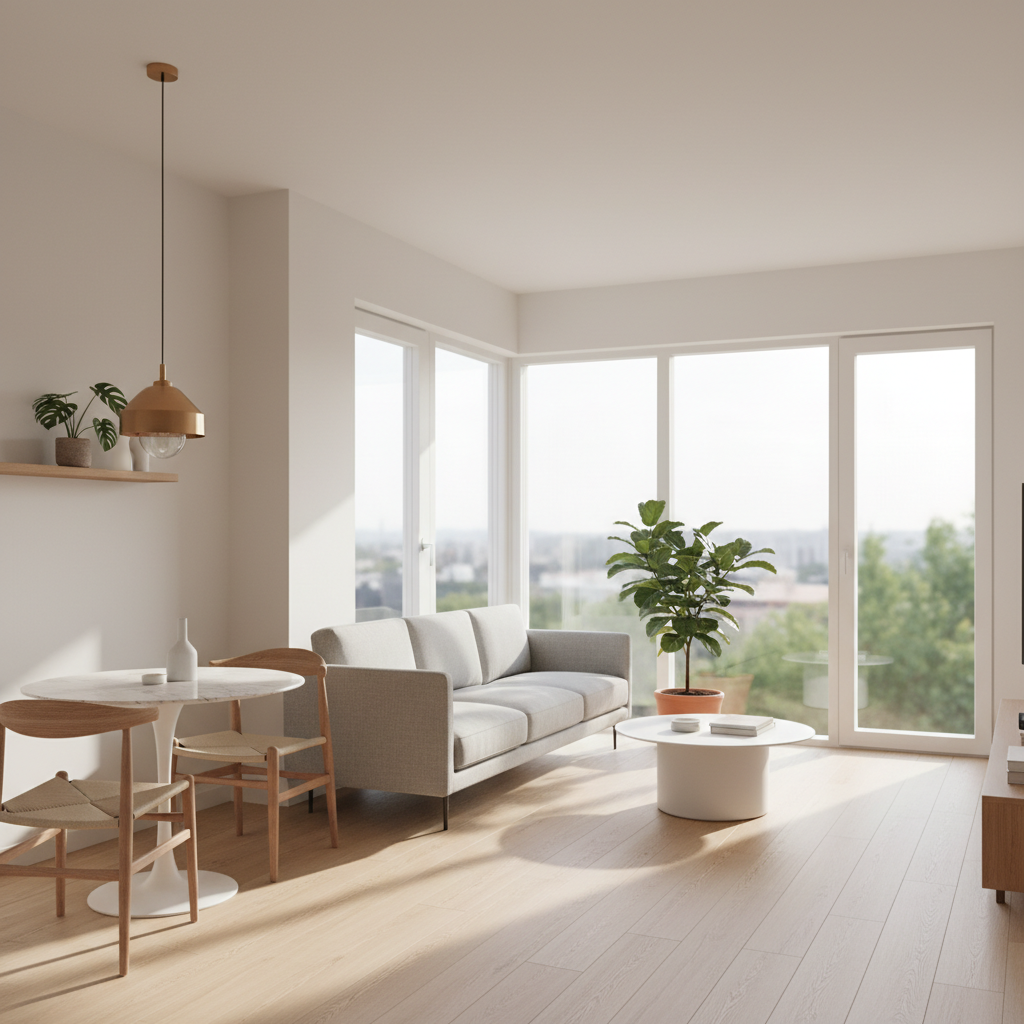
The principles of minimalism often go hand-in-hand with modern small home interiors. It’s about owning fewer, higher-quality items that you truly love and use, rather than accumulating clutter. This intentional approach not only keeps your space tidy but also creates a serene environment, reducing visual noise and making your home feel larger and more organized. Embracing a minimalist mindset can dramatically improve the livability and aesthetic of any compact dwelling.
Strategic Layouts for Maximizing Every Inch
The layout is the backbone of any small home design. Thoughtful planning can make a world of difference, turning cramped quarters into a dynamic and fluid living experience.
Open-Plan Living: The Illusion of Space
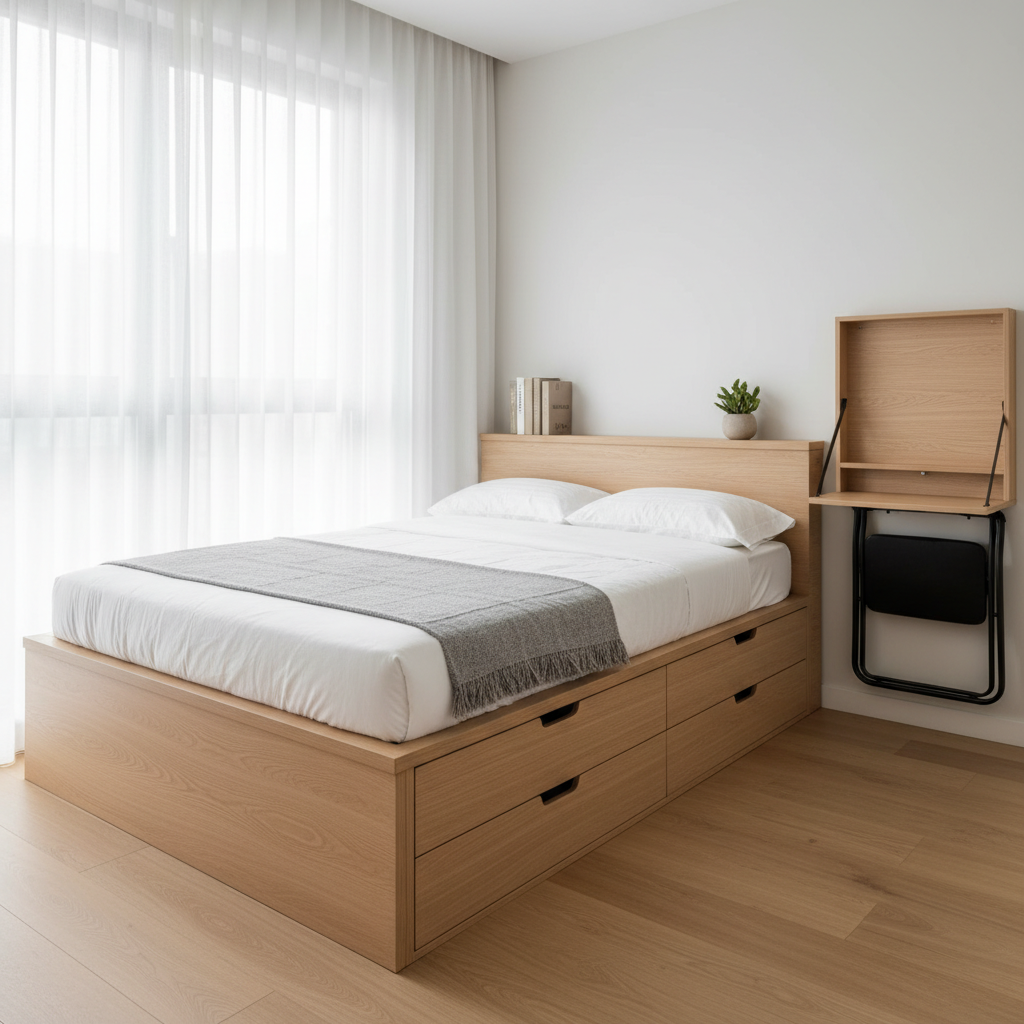
One of the most effective strategies for small homes is the open-plan concept. By removing internal walls between key living areas like the kitchen, dining room, and living room, you create an uninterrupted flow that visually expands the space. This continuous sightline tricks the eye into perceiving a much larger area than actually exists. It also promotes a sense of togetherness and allows natural light to penetrate deeper into the home.
Defining Zones Without Walls
While open-plan is great, defining distinct zones within it is crucial for functionality. You can achieve this without erecting walls by using various design elements:
- Rugs: Area rugs can effectively demarcate a living room seating area from a dining space.
- Furniture Placement: Placing a sofa with its back to the dining area creates a natural barrier.
- Lighting: Different lighting fixtures can highlight specific zones, such as a pendant lamp over a dining table or task lighting in a kitchen area.
- Bookcases and Shelving: Low, open shelving units can act as room dividers while maintaining an airy feel.
Vertical Space: The Untapped Potential
In a small home, when you can’t build out, you build up. Utilizing vertical space is a game-changer for compact living. Think tall, slim bookcases, floor-to-ceiling shelving, wall-mounted storage, and even loft beds. Installing shelves high on walls draws the eye upward, enhancing the feeling of height and space. Floating shelves are particularly effective as they offer storage without visually cluttering the floor plan, making them a staple in modern small home design ideas for interiors.
Clever Furniture Choices: Multifunctional and Space-Saving
Furniture in a small home isn’t just for sitting or storing; it’s an integral part of the space-saving strategy. Choosing the right pieces is paramount.
Transformable Furniture: More Than Meets the Eye
The cornerstone of efficient small home design is multifunctional or transformable furniture. These innovative pieces adapt to various needs, making them invaluable in a compact setting:
- Sofa Beds: A must-have for guest accommodation in a living room.
- Ottomans with Storage: Provide extra seating, a footrest, and hidden storage.
- Nesting Tables: Offer flexibility for entertaining and can be tucked away when not needed.
- Drop-Leaf or Extendable Dining Tables: Adjust to the number of diners, saving floor space daily.
- Wall-Mounted Desks: Fold up when not in use, freeing up valuable floor area.
Built-in Solutions for Seamless Integration
Custom built-in furniture can be a significant investment but offers unparalleled space optimization. Built-in benches with storage underneath, integrated shelving around windows or doorways, and custom cabinetry that fits perfectly into awkward nooks create a streamlined and cohesive look. These solutions make the most of every available cavity and provide ample storage without protruding into the main living areas.
Scale and Proportion: Choosing the Right Pieces
When furnishing a small home, it’s crucial to select furniture that is proportionate to the space. Oversized pieces will overwhelm the room, making it feel smaller and cramped. Opt for slender profiles, open bases, and pieces with exposed legs rather than bulky, floor-length designs. For example, a console table with thin legs will feel lighter and less intrusive than a solid cabinet in a narrow hallway.
Illuminating Small Interiors: Light and Color Strategies
Light and color are powerful tools in interior design, especially when aiming to expand a small space visually. They can dramatically alter the perception of size and mood.
Harnessing Natural Light
Maximize natural light by keeping windows unobstructed. Opt for lightweight, sheer curtains or blinds that can be pulled back completely during the day. Avoid heavy drapes that block precious sunlight. If privacy is an issue, consider frosted glass or bottom-up/top-down blinds that allow light in while maintaining seclusion. Natural light not only brightens a space but also makes it feel more open and airy.
Strategic Artificial Lighting
Layered lighting is key in small spaces. Instead of relying on a single overhead fixture, incorporate a mix of ambient, task, and accent lighting. Recessed lighting can provide overall illumination without taking up visual space. Wall sconces, floor lamps with slender profiles, and table lamps strategically placed can add depth and create different moods. Dimmers are also excellent for adjusting the atmosphere and making a space feel more versatile.
The Power of a Light Color Palette
Light colors—whites, creams, soft grays, and pastels—reflect light, making walls recede and rooms appear larger and brighter. Painting walls and ceilings the same light color creates a seamless, expansive feel. This doesn’t mean your home has to be bland; it provides a neutral canvas upon which you can introduce personality through textures and accessories. A consistent color scheme throughout interconnected small spaces also helps create visual continuity.
Pops of Color and Texture
While light colors are foundational, don’t shy away from adding strategic pops of color and varying textures. A vibrant throw pillow, a piece of art, or a textured rug can add visual interest without overwhelming the space. These elements draw the eye, preventing the room from feeling monotonous and giving it character. Incorporating different textures, such as wood, metal, wool, or linen, adds depth and sophistication to a neutral palette.
Smart Storage Solutions: Keeping Clutter at Bay
Clutter is the enemy of small spaces. Effective, often hidden, storage solutions are essential for maintaining a modern, organized, and spacious feel.
Integrated Storage: Out of Sight, Out of Mind
The best storage solutions in small homes are those that blend seamlessly into the architecture. Think about:
- Under-Stair Storage: A prime location for custom drawers or cupboards.
- Platform Beds with Drawers: Eliminate the need for bulky dressers.
- Over-Door Shelving: Utilize often-forgotten space above doorways.
- Kitchen Island with Shelving: A central hub that offers both prep space and storage.
- Toe-Kick Drawers: Small drawers built into the space beneath kitchen cabinets.
Utilizing Nooks and Crannies
Every small recess or awkward corner can be transformed into a functional storage area. A narrow gap next to a refrigerator can house a pull-out pantry. A small alcove can become a display shelf or a compact built-in desk. Custom solutions ensure no space goes to waste, enhancing the efficiency of your small home’s interior design.
Smart Organization Systems
Even with ample storage, organization is key. Use drawer dividers, shelf organizers, clear bins, and label everything. Vertical file holders for magazines or documents, and wall-mounted knife strips in the kitchen, keep countertops clear. For clothes, implement a capsule wardrobe to minimize items and utilize slim hangers to maximize closet space. For more tips on organizing your home safely and efficiently, consider resources from reputable organizations like Good Housekeeping, which often offers practical advice for maintaining a tidy living environment.
Materials and Finishes: Enhancing Modern Small Home Interiors
The choice of materials and finishes plays a significant role in creating a modern, spacious feel in a compact dwelling.
Reflective Surfaces for Amplified Space
Materials that reflect light can make a room feel larger and brighter. Consider:
- Mirrors: Strategically placed mirrors are perhaps the oldest and most effective trick. A large mirror opposite a window can double the perceived size of a room and amplify natural light.
- Glass: Glass tabletops, shower enclosures, and even transparent furniture like acrylic chairs reduce visual bulk.
- High-Gloss Finishes: On cabinets or accent walls, high-gloss paint or lacquer can add a reflective quality.
- Polished Metals: Chrome, polished brass, or stainless steel accents can subtly reflect light and add a modern touch.
Streamlined Textures and Patterns
In a small space, simplicity is often best. Opt for smooth, consistent textures rather than overly busy patterns, which can make a room feel cluttered. If incorporating patterns, choose subtle, monochromatic designs or use them sparingly on accent pieces like cushions or a single piece of artwork. Uniform flooring throughout an open-plan area also contributes to a seamless, expansive feel.
Sustainable and Durable Choices
Modern design often incorporates sustainability. Choosing durable, eco-friendly materials not only benefits the environment but also ensures your small home’s interior stands the test of time, reducing the need for frequent replacements. Look for certified wood, recycled materials, and low-VOC paints.
Personal Touches and Decorating for Small Spaces
Even in a small modern home, personal expression is vital. The trick is to be selective and intentional with your decor.
Thoughtful Art and Greenery
Don’t shy away from art in a small space. A single, large piece can be more impactful than many small ones, acting as a focal point and preventing a cluttered look. Similarly, indoor plants add life, color, and a connection to nature. Choose elegant, tall plants that draw the eye upwards or small, sculptural succulents that don’t take up much space. Vertical gardens or hanging planters are also excellent space-saving options.
Mirrors: The Ultimate Space Expander
As mentioned before, mirrors are incredibly effective. Beyond a large wall mirror, consider mirrored furniture, or an arrangement of smaller mirrors to create a gallery wall effect. They not only reflect light but also add architectural interest and depth to a small interior.
Creating Focal Points
Every room, no matter its size, benefits from a focal point. This could be a striking piece of art, a uniquely designed fireplace, a custom built-in bookshelf, or even a statement light fixture. A clear focal point draws the eye and gives the room purpose, making it feel more intentional and less haphazard.
Embracing Technology for Modern Small Living
Modern small homes can greatly benefit from integrating smart home technology to enhance convenience, efficiency, and comfort.
Smart Home Devices for Efficiency
Compact living can be made even more seamless with smart devices. Smart thermostats, lighting systems, and security cameras can be controlled from your phone, optimizing energy use and providing peace of mind. Voice assistants can help manage daily tasks without adding physical clutter.
Streamlined Entertainment Systems
In a small living room, wall-mounted flat-screen TVs and soundbars minimize the need for bulky entertainment units. Wireless speakers and streaming devices eliminate messy cables, contributing to the clean lines characteristic of modern small home interiors.
Safety Considerations in Small Space Design
While maximizing space, it’s crucial not to overlook safety. In smaller homes, certain considerations become even more important.
- Clear Pathways: Ensure there are always clear, unobstructed pathways, especially in high-traffic areas, to prevent trips and falls.
- Secure Furniture: With smaller footprints, furniture can be more prone to tipping. Secure tall bookcases and dressers to the wall, especially if children or pets are present.
- Electrical Safety: Avoid overloading outlets. In a compact home, it might be tempting to use extension cords extensively, but ensure they are rated for the load and properly managed to prevent fire hazards.
- Ventilation: With less cubic footage, good ventilation is crucial, especially in kitchens and bathrooms, to prevent moisture build-up and improve air quality.
FAQs: Your Questions About Modern Small Home Design Answered
How can I make my small living room feel larger?
Focus on light colors for walls and furniture, use mirrors strategically, opt for furniture with slender profiles and exposed legs, and ensure good lighting (natural and artificial). An open-plan layout or clear zoning with rugs can also help create a sense of expansiveness.
What are the best colors for a modern small home interior?
Light and neutral colors like whites, creams, light grays, and soft pastels are best as they reflect light and make spaces feel larger and brighter. You can add depth and personality through accent colors in accessories or artwork.
Is open-plan living always the best choice for small homes?
Generally, yes. Open-plan living creates visual continuity and makes a small home feel larger. However, it’s important to define zones within the open space using rugs, furniture placement, or lighting to maintain functionality and prevent it from feeling like one large, undefined room.
How do I choose furniture for a very small apartment?
Prioritize multifunctional furniture (e.g., sofa beds, storage ottomans), choose pieces that are proportionate to the room’s scale, look for lightweight designs with open bases, and consider built-in or custom solutions to maximize every inch. Avoid bulky, oversized items.
What are some common mistakes to avoid in small space design?
Common mistakes include over-cluttering the space, using too many dark colors, choosing oversized furniture, neglecting vertical space, poor lighting, and blocking natural light sources. Always remember that less is often more in a small home.
Conclusion: Designing Your Dream Modern Small Home Interior
Designing a modern small home interior is a rewarding endeavor that challenges you to think creatively and live intentionally. By embracing principles of functionality, minimalism, and strategic space utilization, you can transform even the most compact dwelling into a highly efficient, stylish, and comfortable haven. From clever furniture and ingenious storage to thoughtful lighting and a cohesive color palette, every design choice contributes to creating an environment that feels expansive and inviting. Remember, a small home offers the unique opportunity to create a deeply personal and meticulously curated living space that truly reflects a modern, uncluttered lifestyle.