Embracing a minimalist aesthetic doesn’t have to mean emptying your wallet. In fact, many people find that adopting a more streamlined living space naturally leads to greater financial freedom. If you’re looking to transform your home with a clean, uncluttered, and serene vibe without overspending, you’re in the right place. This comprehensive guide will explore practical and inspiring minimalist home interior design on a budget ideas, helping you create a beautiful and functional space that reflects your personal style without the hefty price tag.
Minimalism, at its core, is about intentional living – focusing on what truly adds value to your life and eliminating the superfluous. When applied to interior design, it translates to clean lines, open spaces, a limited color palette, and a focus on functionality. The good news is that achieving this sophisticated simplicity is often more about smart choices and creative thinking than expensive purchases. Let’s dive into how you can cultivate a tranquil, minimalist haven that’s both aesthetically pleasing and kind to your finances.
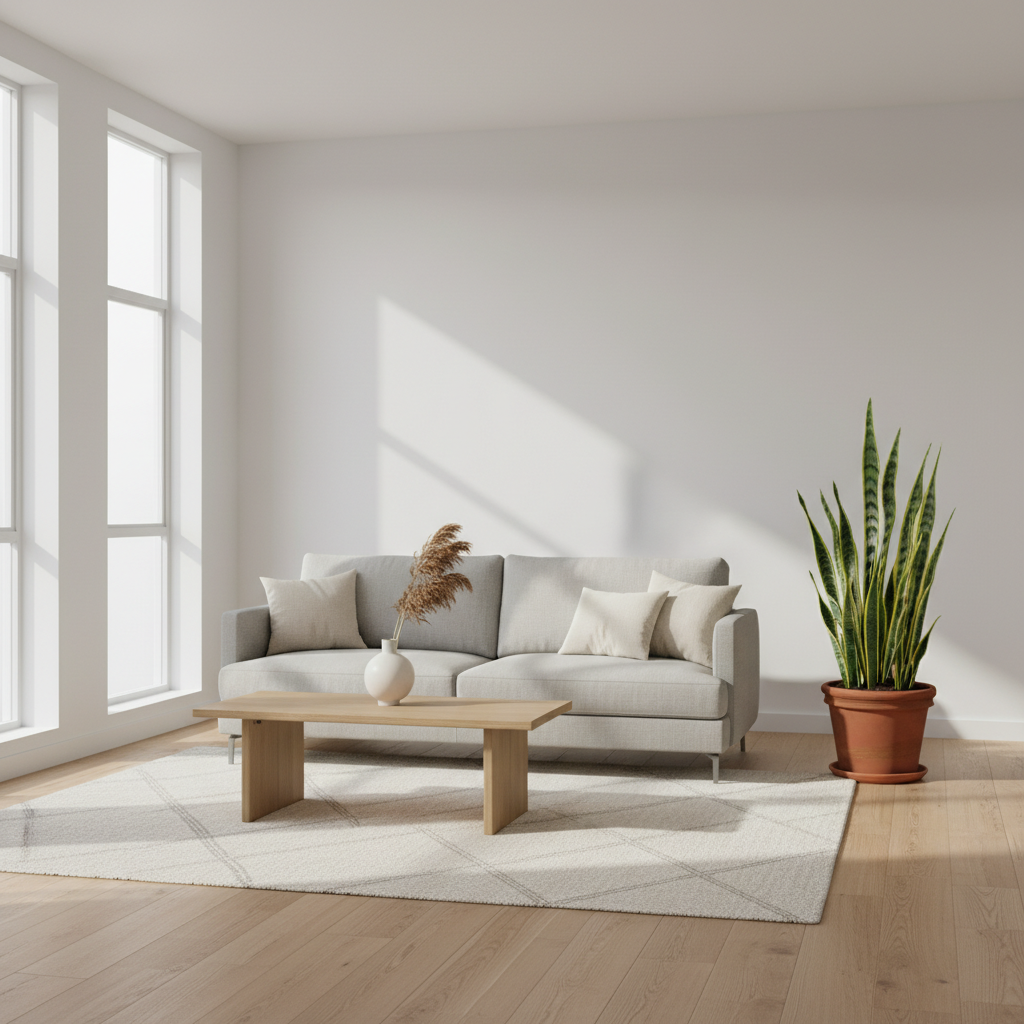
Understanding Minimalist Design Principles
Before you begin your budget-friendly transformation, it’s essential to grasp the foundational principles of minimalist design. Understanding these core tenets will guide your decisions and ensure your space feels cohesive and authentic.
Focus on Functionality
Every item in a minimalist home should serve a purpose. Before bringing anything new into your space, ask yourself: Is this functional? Does it solve a problem? Does it simplify my life? This mindset helps prevent unnecessary clutter and encourages thoughtful consumption. Multi-functional furniture, like an ottoman with storage or a sofa bed, is a minimalist’s best friend, especially when working with a limited budget and space.
Embrace Negative Space
Negative space, or the empty areas around and between objects, is just as important as the objects themselves in minimalist design. It allows the eye to rest, making a room feel more spacious, calm, and deliberate. Don’t feel the need to fill every corner or wall. Sometimes, an empty wall or a clear tabletop can make a stronger statement than a cluttered one.
Choose a Cohesive Color Palette
A restricted and calming color palette is a hallmark of minimalist interiors. Neutrals like white, grey, beige, and cream often form the base, creating a serene backdrop. You can introduce subtle pops of color through natural materials like wood or plants, or with a single, thoughtfully chosen accent piece. Sticking to a limited palette not only looks sophisticated but also makes it easier to mix and match budget-friendly finds, as everything will naturally complement each other.
Decluttering: The First (And Free!) Step to a Minimalist Home
You can’t achieve a minimalist aesthetic without first addressing the clutter. This is arguably the most impactful and entirely free step in your journey to an affordable minimalist home. Decluttering isn’t just about tidiness; it’s about making space, both physically and mentally.
The “One Year Rule” and Other Strategies
A popular decluttering technique is the “one year rule”: if you haven’t used an item in a year, consider letting it go. Other strategies include the “four-box method” (keep, donate, trash, relocate) or Marie Kondo’s “does it spark joy?” approach. Whichever method resonates with you, be thorough and honest about what you truly need and love.
Categorize and Conquer
Instead of tackling your entire home at once, break it down by categories: clothing, books, kitchenware, decorative items, etc. This makes the process less daunting and helps you make consistent decisions across similar items. For an excellent resource on how to get started with decluttering effectively, you might find valuable tips from Martha Stewart’s guide to decluttering your home.
Sell, Donate, or Repurpose
Once you’ve decided what to remove, don’t just throw everything away. Consider selling items that are in good condition on online marketplaces or at consignment shops to recoup some cash for your new minimalist decor. Donate usable items to charities, or get creative and repurpose objects that still have potential. An old ladder, for example, could become a stylish towel rack or a place to display plants.
Smart Shopping for Minimalist Essentials
Once your space is clear, it’s time to thoughtfully reintroduce items. This is where budget-friendly minimalism truly shines. You don’t need expensive designer pieces to achieve a high-end look.
Thrift Stores and Secondhand Finds
Vintage and secondhand stores are treasure troves for unique, quality items that often have more character than mass-produced pieces. Look for solid wood furniture that can be sanded and repainted, simple ceramic vases, unique lamps, or classic art prints. These items can be incredibly affordable and, with a little elbow grease, can fit perfectly into a minimalist aesthetic. Always check for structural integrity and ensure items are clean.
Outlet Stores and Sales
Keep an eye out for sales at furniture stores or visit outlet centers. You might find high-quality basics like a simple sofa, a minimalist coffee table, or plain bedding at a significantly reduced price. Sign up for email newsletters from your favorite brands to be notified of upcoming promotions. Remember to stick to your pre-determined color palette and focus on functional items.
Multi-functional Furniture
This is key for affordable minimalist interiors, especially in smaller spaces. Look for coffee tables with hidden storage, beds with built-in drawers, modular shelving units, or seating that can double as extra sleeping arrangements. Investing in fewer, smarter pieces saves money and maintains a clutter-free environment.
Quality Over Quantity
While you’re shopping on a budget, try to prioritize durability. A few high-quality, timeless pieces will last longer and look better than many flimsy, trendy items. This doesn’t mean spending a fortune; it means being discerning and choosing items that are well-made, even if they’re second-hand.
DIY Projects to Elevate Your Minimalist Space
Embracing a DIY spirit is one of the best ways to achieve a stunning minimalist home without spending a fortune. Many simple projects can make a big impact.
Paint Power
A fresh coat of paint in a neutral shade is perhaps the most transformative and budget-friendly DIY project. It can instantly brighten a room, make it feel larger, and provide that clean, minimalist backdrop you’re aiming for. Consider painting an accent wall in a slightly darker neutral to add depth without overwhelming the space. You can often find “oops” paints at hardware stores for a fraction of the cost.
Upcycle and Repurpose
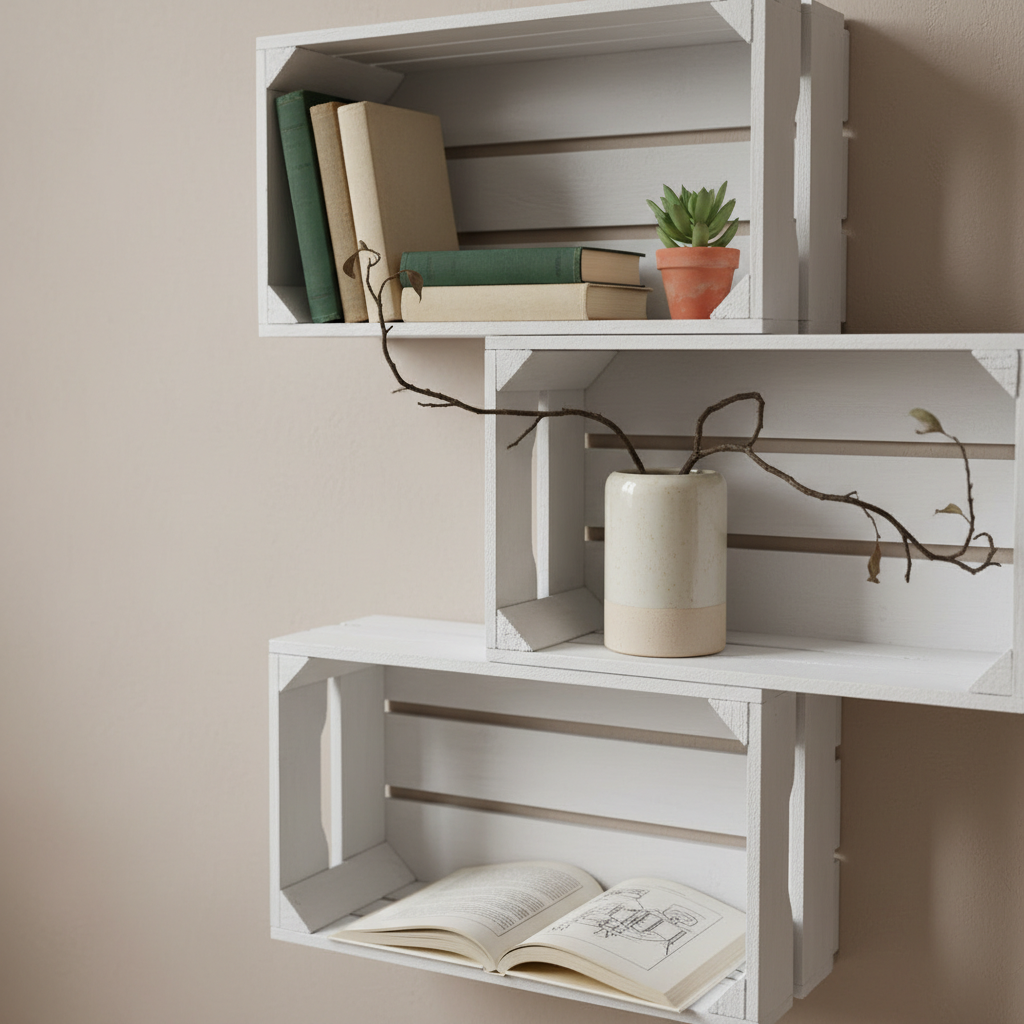
Before buying new, look around your home with fresh eyes. Can that old wooden crate become a stylish side table? Could a vintage dresser be given a new lease on life with a fresh coat of paint and some modern hardware? Old glass jars can become elegant storage solutions for pantry staples or bathroom necessities. These projects not only save money but also add a unique, personal touch.
Affordable Wall Art
Minimalist art doesn’t have to be expensive. Consider creating your own abstract pieces with a simple canvas and a few paint colors that match your palette. Black and white photography, architectural prints, or even beautifully framed quotes can provide visual interest without clutter. Look for free printable art online, print it at home or a local print shop, and frame it in an inexpensive, sleek frame.
Strategic Styling: Less is More, But Smarter
Once you have your furniture and foundation in place, styling is about thoughtful curation, not accumulation. Each decorative element should be chosen with intention.
Curated Decor
Instead of many small knick-knacks, opt for a few larger, impactful pieces. A single, striking vase, a beautiful sculpture, or a collection of books with aesthetically pleasing spines can serve as focal points. Remember the principle of negative space – let your chosen items breathe.
Texture Play
In a neutral color scheme, texture becomes incredibly important for adding warmth and visual interest. Incorporate textiles like chunky knit throws, linen cushions, a jute rug, or velvet pillows. These elements add depth and coziness without introducing more clutter or color. Look for these items during sales or at discount home goods stores.
Mirror Magic
Mirrors are fantastic for making small spaces feel larger and brighter, reflecting light and creating an illusion of depth. A large, simple mirror leaning against a wall or a collection of smaller mirrors with minimalist frames can be a stylish and functional addition. You can often find great deals on mirrors at secondhand shops.
Bringing Nature In: Greenery on a Budget
Plants are a minimalist’s best friend. They add life, color, and texture, purifying the air and bringing a sense of calm to any space, all without breaking the bank.
Low-Maintenance Houseplants
Choose plants that are easy to care for and thrive indoors. Snake plants, ZZ plants, Pothos, and peace lilies are excellent choices that require minimal attention. You can often find small starter plants at nurseries or even grocery stores for just a few dollars. As they grow, you can propagate them to create new plants for other areas of your home or to share with friends.
Foraged Branches and Stones
Go for a walk in nature and collect interesting branches, smooth stones, or dried botanicals. Arranged simply in a clear vase or bowl, these natural elements can create beautiful, free decor that embodies the minimalist aesthetic. Ensure any foraged items are clean and free of pests before bringing them indoors.
DIY Planters
Instead of expensive pots, consider repurposing items like old ceramic bowls, glass jars, or even tin cans (painted in your minimalist color palette) as unique planters. This adds a personal touch and keeps costs down.
Lighting: The Unsung Hero of Minimalist Interiors
Lighting plays a crucial role in creating the atmosphere of a minimalist home. It can make a space feel warm and inviting, or stark and uninviting.
Maximize Natural Light
The best light is free light! Keep windows unobstructed by heavy drapes or excessive decor. Opt for sheer curtains or simple blinds that can be easily opened to let in as much natural light as possible. This instantly makes a room feel larger, brighter, and more airy.
Affordable Fixtures
You don’t need designer chandeliers. Simple, geometric pendant lights, flush-mount fixtures, or track lighting can provide excellent illumination while maintaining a minimalist aesthetic. Look for clean designs in black, white, or metallic finishes. Many hardware stores offer affordable, stylish options.
Strategic Lamp Placement
Supplement natural light with strategically placed lamps to create different zones and moods. A minimalist floor lamp in a reading nook, a simple table lamp on a side table, or even LED strip lights hidden under shelving can add ambient light and highlight specific features. Warm-toned bulbs (around 2700K) contribute to a cozy and inviting atmosphere.
Maintaining Your Minimalist Haven
Achieving a minimalist home is one thing; maintaining it is another. With these practices, your budget-friendly minimalist space will continue to thrive.
Regular Purging
Minimalism is an ongoing process, not a one-time event. Make it a habit to regularly assess your belongings. Before buying something new, consider if it truly adds value and where it will be stored. Periodically go through drawers and closets, letting go of anything that no longer serves a purpose or brings joy.
Mindful Consumption
Adopt a “one in, one out” policy for certain categories of items, like clothing or books. This prevents accumulation. Before making a purchase, pause and think: Do I truly need this? Is there a multi-functional alternative? Can I borrow or rent it instead?
Create Storage Solutions
Even in a minimalist home, you need effective storage for essential items. Invest in simple, closed storage solutions like bins, baskets, or cabinets that keep clutter out of sight. When everything has a designated place, it’s easier to maintain order and a serene environment.
Frequently Asked Questions About Budget Minimalist Home Design
Q1: Can I truly achieve a stylish minimalist look on a very tight budget?
Absolutely! The core of minimalism is about intentionality, simplicity, and functionality, not expensive items. By focusing on decluttering, DIY projects, smart secondhand shopping, and utilizing natural elements, you can create a beautiful and serene minimalist home without spending much at all. Your budget actually encourages the creative problem-solving that defines affordable minimalist design.
Q2: How do I make my minimalist home feel warm and inviting, not stark or cold?
This is a common concern! The key is to incorporate texture and natural elements. Use warm neutrals in your color palette, introduce soft textiles like throws, rugs, and cushions. Add natural wood tones, and bring in plenty of plants. Strategic warm lighting also plays a huge role in creating a cozy ambiance.
Q3: What are the absolute must-have items for a minimalist living room on a budget?
For a minimalist living room, prioritize a comfortable sofa with clean lines, a simple coffee table (perhaps one with storage), and effective lighting (a floor lamp and/or table lamp). Beyond that, a few curated decorative items like a plant, a piece of art, and a soft throw blanket are often enough to create a complete and inviting space. Focus on quality basics rather than many small accessories.
Q4: How can I find affordable minimalist decor without it looking cheap?
The trick is to look for clean lines, neutral colors, and natural materials. Thrift stores, garage sales, and online marketplaces are excellent for finding unique, pre-loved items that can be upcycled. Focus on larger, impactful pieces rather than many small ones. DIY projects like painting furniture or creating your own art can also elevate your decor significantly.
Conclusion
Creating a minimalist home interior design on a budget is not just achievable; it’s a rewarding journey that fosters creativity, mindfulness, and financial prudence. By embracing decluttering, smart shopping, DIY solutions, and a focus on intentional styling, you can transform your living space into a calm, functional, and aesthetically pleasing sanctuary without breaking the bank. Remember, true minimalism is about living with less, but better, and that often means less cost and more contentment.