The Allure of Minimalist Design
Minimalism is more than just a decor style; it’s a philosophy that prioritizes functionality, clean lines, and a sense of calm. It’s about stripping away the superfluous to highlight what truly matters, creating spaces that breathe and allow for mental clarity. In a world saturated with consumerism, minimalist design offers a refreshing escape, promoting mindful living and a focus on experiences over possessions.
Decluttering as the First Step
Before you even think about buying new items, the foundational step for any minimalist transformation is decluttering. This involves a thorough assessment of everything you own, asking yourself if each item serves a purpose, brings joy, or holds significant sentimental value. Let go of duplicates, unused gadgets, and anything that contributes to visual noise. A decluttered space automatically feels larger, brighter, and more inviting, setting the stage for your minimalist journey without spending a single penny.
Embracing the “Less is More” Philosophy
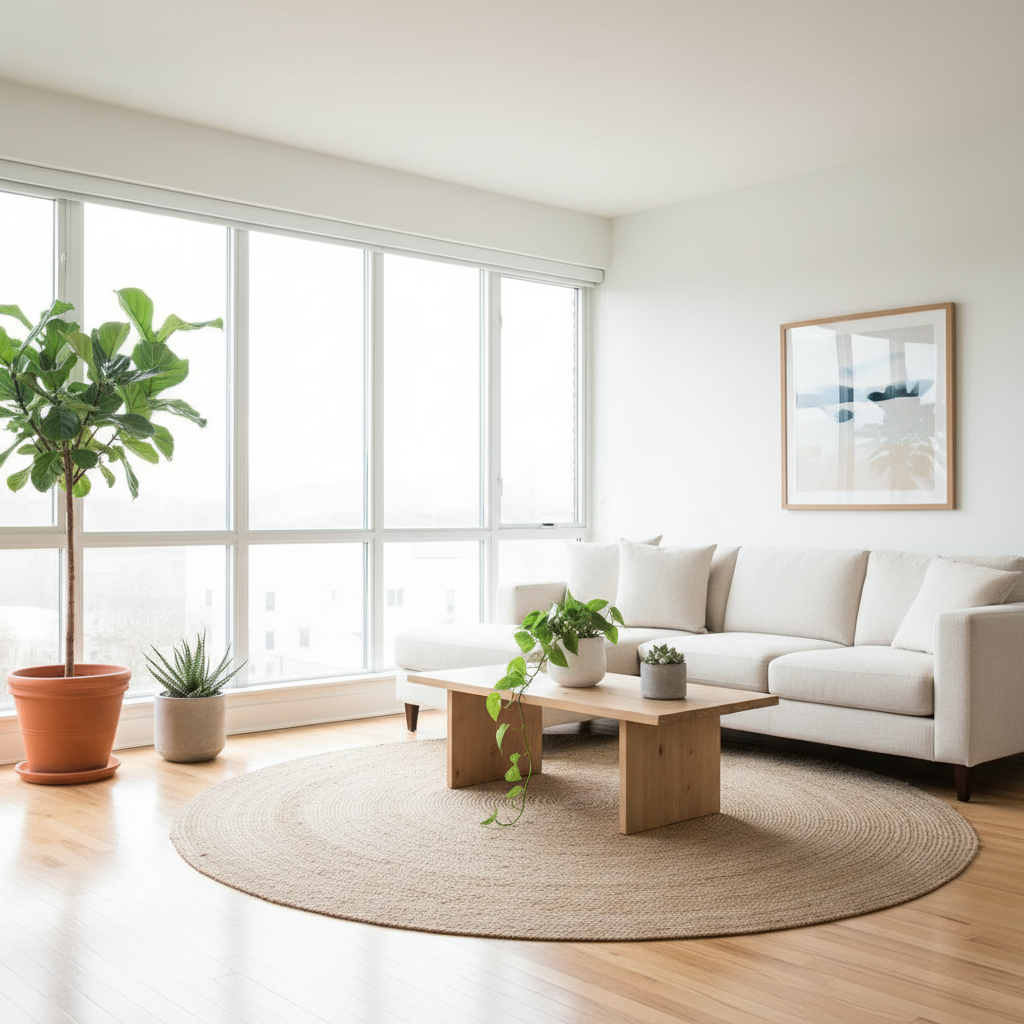
The core tenet of minimalism is “less is more.” This doesn’t mean living in an empty, sterile environment. Instead, it encourages intentionality in every purchase and placement. Every piece of furniture, every decorative object, and every textile should contribute positively to the space. When you have fewer items, those items can truly shine, becoming focal points rather than getting lost in a sea of clutter.
Why Natural Light is a Minimalist’s Best Friend
Natural light is arguably the most valuable design element, especially in minimalist homes. It’s free, dynamic, and instantly enhances the aesthetic and atmosphere of any room. In minimalist design, where simplicity reigns, natural light becomes a vital component, adding depth, warmth, and vitality without introducing any physical objects.
Enhancing Space and Airiness
Bright, naturally lit rooms feel larger and more open than dimly lit ones. Sunlight expands the visual boundaries of a room, creating an illusion of more space. It reduces the need for artificial lighting during the day, making your home feel less enclosed and more connected to the outside world. This sense of airiness is crucial for achieving the serene, uncluttered aesthetic central to minimalism.
Boosting Mood and Well-being
Beyond aesthetics, natural light has profound psychological and physiological benefits. Exposure to daylight can improve mood, boost productivity, and regulate circadian rhythms, leading to better sleep. In a minimalist home, where simplicity is designed to reduce stress, abundant natural light further contributes to a sense of well-being, making your home a truly restorative sanctuary.
Energy Efficiency and Cost Savings
One of the most practical advantages of maximizing natural light is reduced energy consumption. By relying on sunlight during the day, you minimize the need for artificial lighting, leading to lower electricity bills. This aligns perfectly with the budget-friendly aspect of your minimalist design, offering long-term savings and a more sustainable lifestyle.
Mastering Minimalist Home Interior Design on a Budget
Creating a minimalist home doesn’t require expensive designer pieces. With strategic planning and a keen eye for value, you can achieve a sophisticated and serene look without breaking the bank.
Prioritize What Stays: Quality Over Quantity
Instead of filling your home with cheap, disposable items, invest in a few high-quality, durable pieces that will stand the test of time. For instance, a well-made sofa or a sturdy dining table can be the backbone of your living space. Look for sales, secondhand treasures, or furniture that can be restored. When you buy less, you can often afford to buy better, leading to a more sustainable and aesthetically pleasing home in the long run.
Smart Furniture Choices: Multi-functional and Streamlined
In a minimalist home, every piece of furniture should earn its place. Opt for items that serve multiple purposes. A storage ottoman can be seating, a footrest, and a place to tuck away blankets. A console table might double as a desk. Choose pieces with clean lines and simple forms to maintain the uncluttered aesthetic. Avoid bulky, ornate furniture that can quickly overwhelm a space.
DIY and Upcycling for Unique Touches
Unleash your creativity with DIY projects and upcycled finds. A fresh coat of paint can transform an old dresser into a modern storage solution. Repurpose old wooden crates into stylish shelves or side tables. Not only do these projects save money, but they also add unique character and a personal touch to your minimalist space, making it truly yours.
Strategic Storage Solutions
To maintain a minimalist look, everything needs a home. Invest in clever, integrated storage solutions that keep clutter out of sight. Built-in shelving, discreet cabinets, under-bed storage, and attractive baskets can help organize your belongings without adding visual noise. When storage is well-planned, your surfaces can remain clear, reinforcing the minimalist aesthetic.
Maximizing Natural Light in Your Minimalist Home
Once your space is decluttered and your foundational furniture is in place, it’s time to supercharge your home with natural light. This is where your budget-friendly minimalist design truly shines.
Window Treatments: Less is More
Heavy, dark curtains can block out precious light. For a minimalist approach, opt for lightweight, sheer curtains in neutral tones, or simple roller blinds that can be completely retracted during the day. Consider leaving windows bare if privacy isn’t an issue, allowing an uninterrupted flow of light and views. The goal is to filter light gently or allow it to pour in freely.
Reflective Surfaces: Mirrors and Light Colors
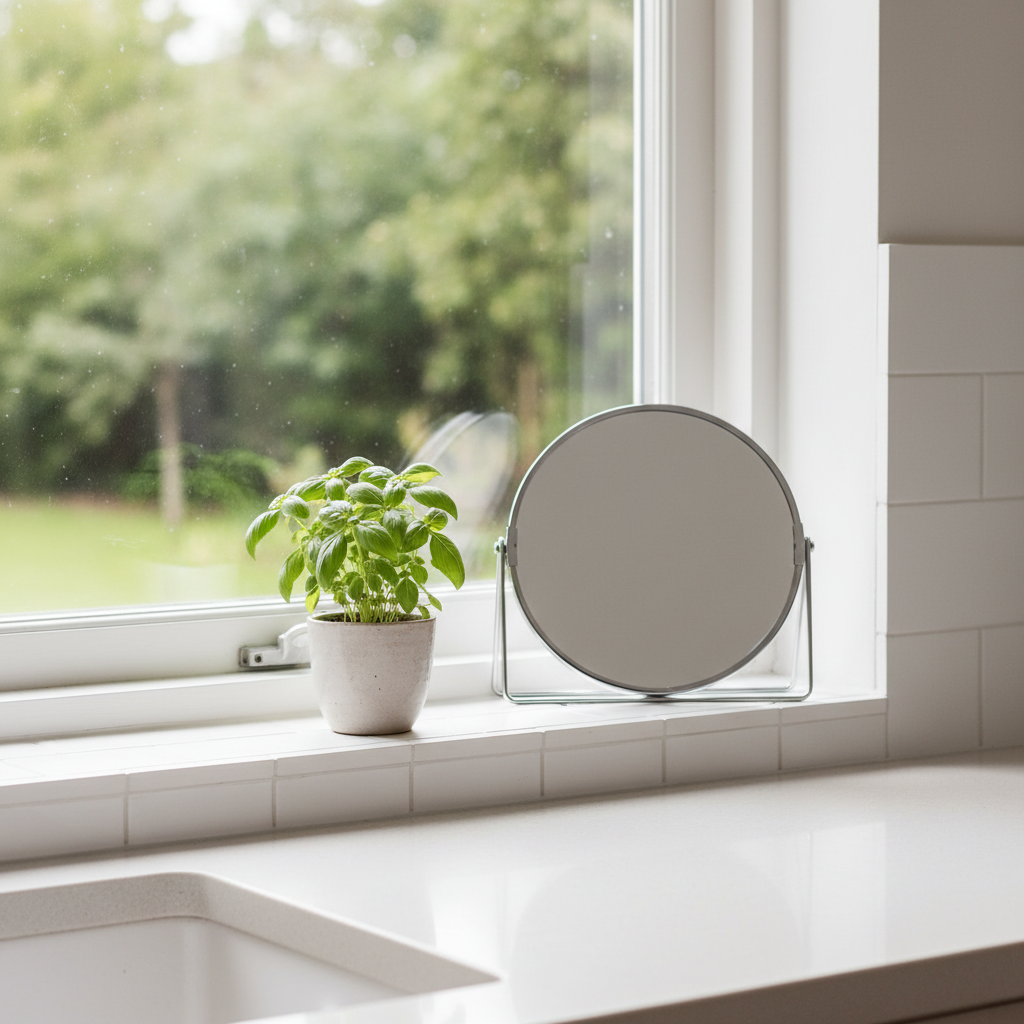
Mirrors are a minimalist’s secret weapon for enhancing light. Position a large mirror opposite a window to reflect natural light deep into the room, making the space feel larger and brighter. Similarly, choosing a light color palette for your walls, ceilings, and even large furniture pieces will help reflect available light, rather than absorbing it. Whites, creams, light grays, and pastels are excellent choices for amplifying brightness.
Strategic Furniture Placement
Avoid placing large, dark furniture directly in front of windows, as this will obstruct the flow of light. Arrange your layout to allow light to penetrate as much of the room as possible. Consider the path of the sun throughout the day when planning your furniture arrangement. Keeping major pathways clear also helps light travel further.
Keep Windows Clean and Unobstructed
It sounds simple, but clean windows make a significant difference. Dirt and grime can dull the light entering your home. Regular cleaning ensures maximum transparency. Furthermore, remove any external obstructions like overgrown bushes or trees that might be blocking sunlight from reaching your windows. For more ideas on how to brighten your home, including leveraging natural light, Better Homes & Gardens offers an excellent guide to making your home brighter.
Incorporating Greenery Thoughtfully
While minimalism often eschews excessive decor, a few well-chosen plants can bring life and freshness to a space without cluttering it. Choose tall, slender plants like a snake plant or a fiddle-leaf fig, or smaller potted herbs on a windowsill. Greenery also helps clean the air and adds a natural element that complements the light and airy feel of a minimalist home.
Color Palettes and Materials for Budget-Friendly Minimalism
The right colors and textures can make your minimalist home feel rich and inviting, even on a budget.
Neutral Tones: The Foundation
Neutrals like white, beige, gray, and off-white form the backbone of a minimalist color scheme. These colors reflect light, create a sense of calm, and provide a timeless backdrop for your curated pieces. They also make it easy to mix and match items over time without needing a complete overhaul.
Adding Texture with Natural Materials
To prevent neutral spaces from feeling bland, introduce texture through natural materials. Think woven jute rugs, linen throws, wooden furniture, ceramic vases, and cotton cushions. These textures add warmth and visual interest, creating depth without adding more colors or patterns. Look for these items at thrift stores, craft markets, or during sales.
Pops of Muted Color
While neutrals dominate, a minimalist space can benefit from carefully chosen pops of muted color. Think soft blues, sage greens, or terracotta in small doses, perhaps through a single throw pillow, a piece of art, or a ceramic planter. These subtle accents can add personality and warmth without disrupting the serene aesthetic.
Styling Your Minimalist Space
Decorating a minimalist home is about intentionality, not accumulation. Each item should have a purpose or be aesthetically pleasing.
Thoughtful Art and Decor
Instead of filling walls with many small frames, opt for one or two impactful pieces of art. A large abstract print, a black-and-white photograph, or a simple geometric design can make a statement without cluttering the visual field. For decor, choose a few cherished items – a unique vase, a sculptural candle, or a stack of elegant books – and display them with space around them to breathe.
Lighting Fixtures (When Natural Light Isn’t Enough)
Even with ample natural light, you’ll need artificial lighting for evenings and darker days. Opt for simple, functional lighting fixtures. Recessed lighting, sleek floor lamps, or wall-mounted sconces that provide soft, ambient light are excellent choices. Dimmers can help you control the mood and conserve energy.
Personal Touches Without Clutter
A minimalist home should still feel like yours. Incorporate personal touches that are meaningful but don’t create clutter. A few cherished family photos, a small collection displayed artfully, or meaningful souvenirs can be integrated seamlessly if they are thoughtfully arranged and complement the overall aesthetic rather than detracting from it.
Maintaining Your Minimalist Oasis
Creating a minimalist home is an ongoing process, not a one-time event.
Regular Decluttering Habits
To keep your home feeling light and airy, adopt regular decluttering habits. Dedicate a few minutes each week to tidying surfaces, putting things away, and re-evaluating items you no longer need. This prevents clutter from accumulating and ensures your space remains a sanctuary.
Mindful Consumption
Before bringing new items into your home, ask yourself if they truly add value and align with your minimalist principles. This mindful approach to consumption helps maintain your budget and keeps your home free from unnecessary additions.
Frequently Asked Questions (FAQs)
Can minimalist design feel warm and inviting?
Absolutely! Minimalist design achieves warmth through the thoughtful use of textures, natural materials (wood, linen, wool), soft ambient lighting, and carefully selected muted colors. It’s about creating coziness through quality and intentionality, not through an abundance of items.
What’s the cheapest way to brighten a dark room?
The cheapest ways to brighten a dark room involve maximizing existing natural light: cleaning windows, using light-colored paint on walls and ceilings, strategically placing mirrors, and choosing sheer or minimal window treatments. Decluttering also significantly contributes to a brighter feel.
How do I choose furniture for a minimalist home on a budget?
Focus on multi-functional pieces, clean lines, and neutral colors. Look for secondhand items that can be restored, shop sales, and prioritize quality over quantity. Choose pieces that serve a purpose and are comfortable without being overly ornate or bulky.
What’s the one thing I should prioritize when going minimalist?
The absolute priority is decluttering. Removing unnecessary items is the foundation of minimalist design and instantly creates a sense of space and calm, often without spending any money at all.
Conclusion
Embracing a minimalist home interior design on a budget, especially when centered around harnessing natural light, is a transformative journey. It’s about more than just aesthetics; it’s about creating a lifestyle that prioritizes peace, functionality, and mindful living. By decluttering, making intentional choices, and celebrating the power of natural illumination, you can craft a serene, beautiful, and truly affordable sanctuary that nurtures your well-being every single day.