Minimalist Home Interior Design on a Budget for Families: Practical Tips and Ideas
Creating a minimalist home interior design on a budget for families may seem challenging at first, but it’s entirely achievable with smart planning and thoughtful choices. Minimalism emphasizes simplicity, functionality, and decluttered spaces, making it ideal for family living where comfort and practicality are paramount. This guide will walk you through practical tips to embrace minimalist aesthetics without breaking the bank, ensuring your family home looks stylish, clean, and welcoming.
Why Choose Minimalist Interior Design for Families?
Minimalism offers many benefits to families. It encourages a clutter-free environment, which can make cleaning easier, reduce stress, and enhance focus and relaxation. By prioritizing function and quality over excessive decoration, families can create a calming space that accommodates various activities, from playtime to quiet moments. Plus, minimalism often leads to smarter purchasing decisions—an important consideration when managing a household budget.
How to Achieve Minimalist Interior Design on a Budget
1. Start with Decluttering and Organization
Minimalism begins with decluttering. Start by sorting through your belongings to remove items you no longer use or need. Not only does this free up space, but it also gives you a clearer vision for how your rooms should look. Invest in affordable storage solutions such as bins, baskets, or shelving units to keep the remaining items organized and out of sight. Organizational control is key to maintaining a minimalist home with kids.
2. Opt for Neutral and Light Color Palettes
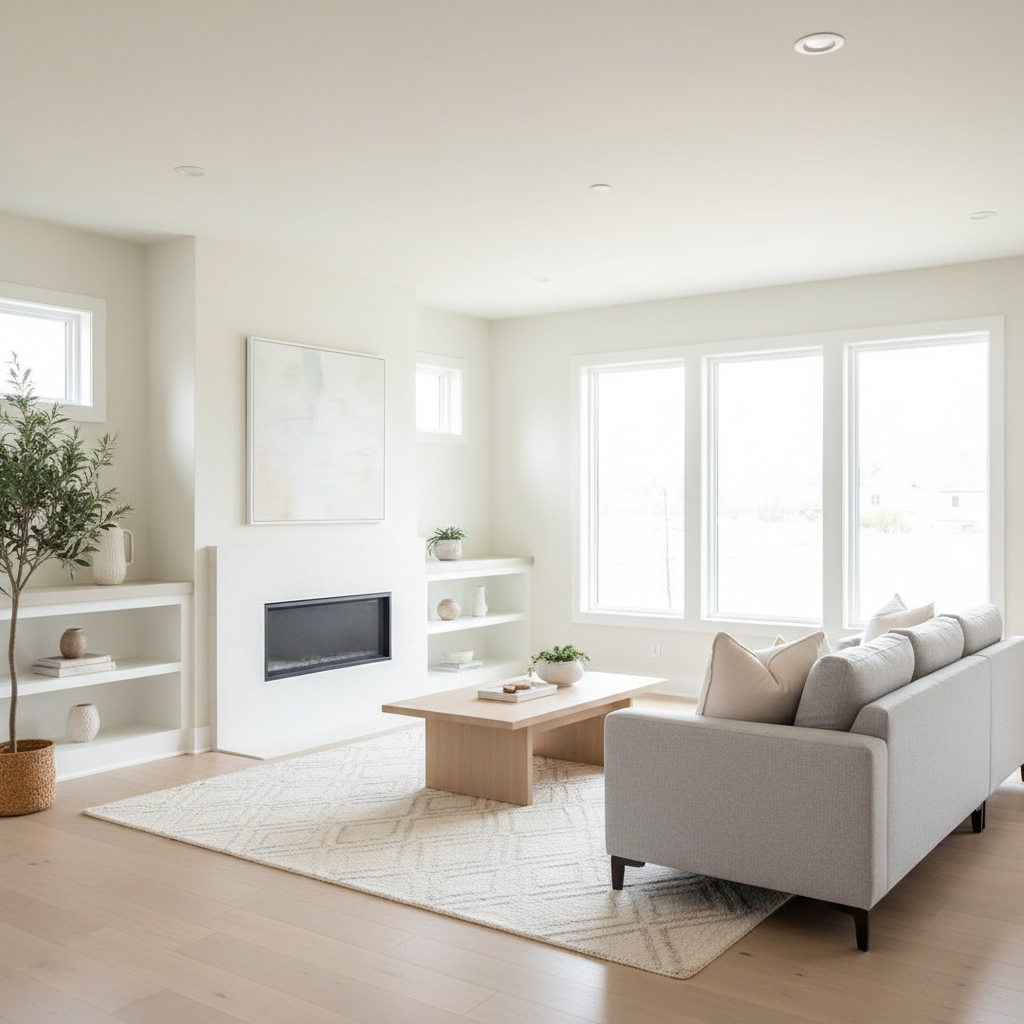
Color plays a significant role in minimalist design. Choose neutral tones like whites, beiges, soft grays, and gentle pastels to create an airy, open feeling. These colors also make small spaces appear larger and more inviting. When decorating on a budget, painting walls is a cost-effective way to refresh your space and align with minimalist principles without purchasing new furniture right away.
3. Prioritize Multi-Functional Furniture
For families, furniture that serves multiple purposes is a game changer. Think sofa beds, storage ottomans, or expandable dining tables. Such pieces reduce the need for excess furniture and save space. You can find budget-friendly options at thrift stores, online marketplaces, or DIY them for a personal touch. Remember, function should always complement minimalism’s clean lines and simple forms.
4. Use Simple, Clean Lines and Natural Materials
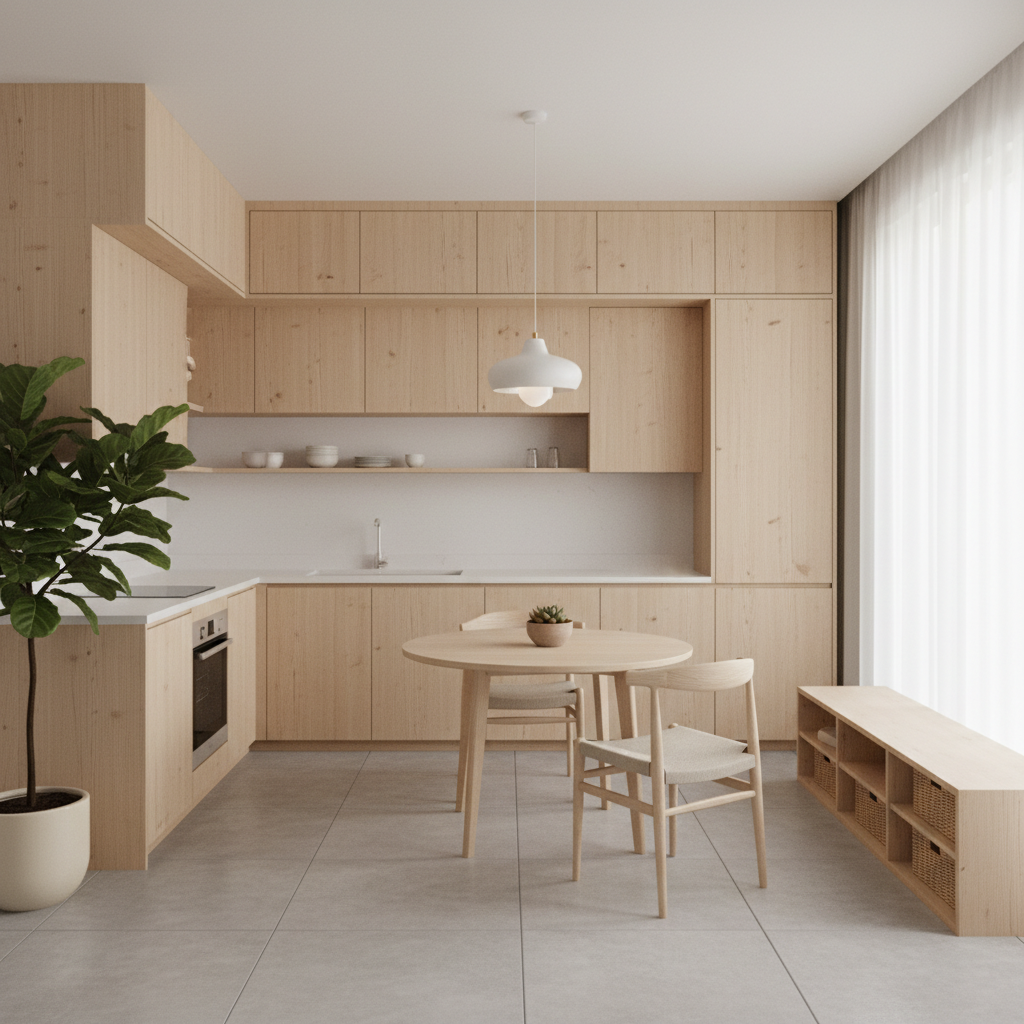
Minimalist design favors straightforward shapes and natural textures. Incorporate furniture and décor items made from wood, cotton, linen, or metal to bring warmth without visual clutter. Avoid overly ornate patterns or heavy embellishments. Keeping items sleek and simple ensures the space feels orderly and cohesive.
5. Incorporate Thoughtful Lighting
Good lighting enhances any minimalist space. Make the most of natural light by using sheer curtains or no window coverings at all. Supplement with simple, budget-friendly light fixtures like pendant lamps or floor lamps with minimalist designs. Layered lighting helps create cozy atmospheres, which are important in family homes.
6. Add Greenery Sparingly
Plants provide a natural accent to minimalist interiors and improve air quality. Choose easy-to-maintain indoor plants that fit your space and lifestyle. Use simple planters in neutral tones to maintain the aesthetic. With a minimal number of well-placed plants, your home gains a touch of life without overpowering the design.
7. DIY and Upcycle to Save Money
Embrace DIY décor or upcycling furniture to stretch your budget. Repurposing old items with paint or fabric can add personality and freshness to your home while staying aligned with minimalist simplicity. Plus, engaging the family in creative projects can be a rewarding experience that strengthens bonds.
Room-by-Room Minimalist Design Tips for Families
Living Room
- Choose a comfortable, streamlined sofa without bulky cushions.
- Use a simple coffee table with hidden storage.
- Mount a TV on the wall to save floor space.
- Keep décor to a minimum: a single piece of art or a few family photos in sleek frames.
Kitchen and Dining Area
- Clear countertops by investing in cabinet organizers.
- Select dining furniture with clean lines and compact design.
- Utilize open shelving sparingly to display only essential items.
Bedrooms
- Opt for beds with built-in drawers or storage underneath.
- Keep linens neutral and simple.
- Limit décor and toys to reduce visual clutter.
Kids’ Play Area
- Designate a contained play zone using baskets or bins for toy storage.
- Use low shelves for accessibility and encourage tidiness.
- Choose durable, minimalist furniture that can grow with your children.
Maintaining Minimalism with a Busy Family
Maintaining a minimalist home when you have kids requires routine. Encourage daily tidying up as a family habit, and establish designated spots for items to avoid clutter build-up. Teach children the value of minimalism in terms of caring for their belongings and shared spaces. The fewer items you have, the easier it is to clean, making your minimalist lifestyle sustainable.
Additional Resources for Minimalist Interior Design
For more expert advice on minimalist living and budget-friendly interior design, consider exploring trusted lifestyle resources such as Good Housekeeping’s minimalist design tips. They provide practical strategies tailored to everyday living.
Frequently Asked Questions (FAQs)
Q1: Can minimalism work in small family homes?
Absolutely! Minimalism is especially effective in small spaces because it emphasizes decluttering and multifunctional furniture, making the most of limited square footage.
Q2: How do I keep kids engaged in a minimalist home?
Designate specific zones for play and creativity with organized storage, and involve them in tidying up regularly to instill good habits and a sense of responsibility.
Q3: What are affordable ways to update my minimalist style?
Simple updates like repainting walls, adding new curtains, swapping out light fixtures, or DIY projects can refresh your space without large expenses.
Q4: Is minimalism cold or uncomfortable for families?
Not at all. When done thoughtfully, minimalism can feel cozy, inviting, and functional, supporting family dynamics with calm, clutter-free environments.
Q5: How do I balance aesthetics and practicality?
Focus on quality over quantity, prioritize functional furniture with clean designs, and select decor that reflects your family’s lifestyle and personality.
In conclusion, minimalist home interior design on a budget for families is a rewarding approach that enhances comfort, order, and aesthetics. By decluttering, choosing multifunctional furniture, favoring neutral palettes, and maintaining simple organization routines, any family can build a beautiful, sustainable living environment.